Dental Implants Unveiled: Understanding Average Success Rates Backed by Patient Reviews
Dental implants are prosthetic tooth roots—typically titanium fixtures—placed into the jawbone to support crowns, bridges, or denture systems, restoring chewing, speech, and aesthetics. Recent research and aggregated patient feedback through 2023–2024 show that implants reliably achieve high survival and satisfaction when biological and clinical conditions align, producing functional benefits that closely mirror natural teeth. Many readers worry about durability, complications like peri-implantitis, and whether their age or health status changes outcomes; this article addresses those concerns by synthesizing current success-rate ranges, local patient experience from Tyler, TX, and practical steps to maximize long-term results. You will find evidence-based survival ranges, an explanation of key biological mechanisms such as osseointegration, real-world review patterns from local patients, direct comparisons with dentures and bridges, and clear guidance on what to expect at a free implant consultation in Tyler. The goal is to translate scientific survival metrics and patient-reported outcomes into actionable information so you can decide whether implants are the right restorative choice and know how to prepare for a successful treatment pathway.
What Are the Current Success Rates of Dental Implants in 2024?
Dental implants in current clinical reports typically demonstrate an overall success and survival range of roughly 90–98% across multiple cohorts, with many studies citing 95%+ survival at the 5–10 year mark. Success reflects functional integration, absence of pain or infection, and prosthetic stability; the primary mechanism behind these outcomes is stable osseointegration, where bone integrates with the implant surface to create durable fixation. These aggregated figures align with patient-review-derived outcomes that emphasize functional restoration and high satisfaction; while study methods and definitions of “success” vary, the consistent finding is high mid- and long-term survival when patient- and site-specific factors are optimized. Below is a concise EAV-style table summarizing representative cohort outcomes and how patient-review averages compare, which helps to place local patient experiences in the context of broader clinical data.
This table highlights survival by timeframe and cohort so readers can quickly compare short-, mid- and long-term metrics and understand how review-based impressions map to study results.
Cohort Type
Timeframe / Age Group
Reported Success / Survival Rate
Clinical cohorts (general adult patients)
1 year
95–98%
Longitudinal mid-term cohorts
5–10 years
90–97%
Long-term cohorts (extended follow-up)
15–25 years
85–95%
Aggregated patient-review averages (regional)
Mixed follow-up
~92–96%
These representative values show consistency between clinical monitoring and patient-reported outcomes, though readers should note cohort selection and follow-up protocols affect reported numbers. Understanding this range leads naturally into how success varies by timeframe and patient age, which clarifies expectations for different stages after implant placement.
How Do Success Rates Vary by Timeframe and Patient Age?
Success rates vary across immediate, short-term, mid-term, and long-term follow-ups because biological healing and prosthetic wear operate on different timelines. In the first year, most failures cluster around failed osseointegration or early infection; short-term survival typically exceeds 95% when surgical technique and postoperative care are appropriate. Mid-term (5–10 year) survival commonly remains above 90%, with most reductions attributable to biological complications such as peri-implantitis or prosthetic wear rather than implant fracture. Long-term studies stretching up to 20–25 years demonstrate that the implant fixture itself can persist for many decades, but prosthetic components (crowns, abutments) normally require periodic replacement; age-related changes in bone metabolism and comorbidities mean older cohorts can show slightly lower survival without tailored risk management. Interpreting these variations helps patients set realistic timelines and prompts targeted prevention strategies in the months and years after placement.
What Factors Contribute to High Dental Implant Success?
Multiple interdependent factors determine implant success: biological readiness of the bone (density and volume), the quality of soft tissues and occlusal forces, meticulous surgical technique, and ongoing patient hygiene and systemic health management. Osseointegration—the direct structural and functional connection between living bone and the implant surface—is the central mechanism; implant surface technology and primary stability at placement influence osseointegration rates, while bone grafting can remediate inadequate sites. Equally important are patient behaviors and systemic conditions: stable blood sugar control in diabetics, smoking cessation, and regular professional maintenance markedly improve survival probabilities. Recognizing these drivers allows patients and clinicians to craft individualized treatment plans that address modifiable risks and create conditions for durable outcomes, which will be important when evaluating local patient experiences and clinic protocols.
What Do Real Patients Say About Their Dental Implant Experiences in Tyler, TX?
Local patient feedback from Tyler centers on improved chewing, reduced worry about slippage compared with removable prostheses, and renewed confidence—patterns that mirror broader patient-satisfaction research. Aggregate review data for the local clinic indicates a very high rating from a substantial sample of reviewers, reflecting consistent patient perceptions of comfort and functional gain after implant treatment. While individual outcomes vary, the typical reviewer emphasizes restored ability to eat varied foods, clearer speech, and a positive cosmetic result, which together drive high satisfaction scores. Below is a short summary of common themes found in local reviews and how prospective patients can interpret them when choosing a provider or preparing questions for a consultation.
This list highlights the most consistent benefits reported by local patients and should help prospective patients form realistic expectations before their first visit.
Restored chewing ability and expanded diet choices after implant-supported restorations.
Improved confidence in social and professional settings due to stable, natural-looking teeth.
Reduced maintenance anxiety compared with conventional dentures and fewer emergency visits for slippage.
These themes illustrate why many Tyler patients opt for implant-based solutions and lead into practical ways to verify results, such as evaluating before-and-after imagery and the clinic’s Smile Gallery.
How Do Dental Implants Improve Quality of Life According to Patient Testimonials?
Patients commonly report measurable improvements in daily function and psychosocial well-being after implant therapy: easier mastication, clearer speech, and less self-consciousness about smiling. Restored chewing function can translate into better nutrition and enjoyment of meals, while secure prosthetics reduce anxiety around social situations and the possibility of embarrassing slippage. Emotional outcomes—confidence and willingness to engage socially—are frequently highlighted and can be as impactful as functional gains. For readers, these qualitative improvements complement the quantitative success rates by showing how improved oral function and appearance translate into better overall quality of life, which is a primary reason many patients choose implant solutions over removable options.
Where Can You See Before and After Results of Dental Implants?
Prospective patients should look for organized before-and-after galleries, case studies, and video testimonials that document surgical planning, intermediate healing, and final prosthetic outcomes when assessing expected results. The local practice maintains a Smile Gallery and a new-patient showcase that present anonymized cases demonstrating common restorative pathways including single implants and implant-supported dentures; viewing these examples helps patients evaluate esthetic outcomes and prosthetic integration. When reviewing images, note consistency in tissue contours, crown proportion, occlusal alignment, and how the prosthetic emergence profile mimics natural teeth. Requesting to review specific case types—single-tooth, all-on-4, or implant-supported dentures—during a consultation can clarify how similar cases were managed and what realistic results to expect.
How Long Do Dental Implants Last? Exploring Dental Implant Longevity and Durability
An implant fixture (the titanium screw) and the prosthetic components (abutment and crown) have different longevity profiles: fixtures often persist decades with stable osseointegration, while crowns and abutments typically require replacement or maintenance at intervals depending on wear and oral habits. Longevity depends on osseointegration stability, peri-implant soft tissue health, prosthetic material wear, and patient maintenance behaviors; proper mechanical load distribution and regular professional care extend both fixture and prosthetic lifespans. The following EAV-style table distinguishes expected lifespans of implant components versus prosthetic elements, helping readers understand what parts of the restoration are likely to need future attention and when to plan for restorations or maintenance.
Implant Component
Expected Lifespan
Value (Years / Survival %)
Titanium implant fixture
Fixture can last 20–30+ years with proper care
85–95% long-term survival in cohorts
Prosthetic crown (ceramic/porcelain)
Typical replacement every 10–15 years depending on wear
Variable; many require replacement within 10–15 years
Abutment and screws
Often replaced with prosthetic work or as needed for maintenance
Lifespan tied to prosthetic cycles; 5–15+ years
This breakdown clarifies that while the underlying fixture often outlives the visible crown, periodic prosthetic care is a normal expectation; understanding these differences points to practical maintenance strategies that prolong both fixture and prosthetic service life.
What Do Long-Term Studies Reveal About Implant Survival Rates?
Long-term clinical cohorts demonstrate that properly placed implants can maintain high cumulative survival rates across decades, though survival curves usually show gradual declines attributable to biological complications and prosthetic issues. Extended follow-up cohorts report multi-decade survival in many patients, with most late failures linked to peri-implantitis or mechanical complications rather than initial surgical failure. Importantly, long-term results emphasize the role of maintenance: patients who adhere to routine professional cleanings and maintain good oral hygiene sustain higher survival percentages. These findings show that implants are not a single-time solution but part of a lifelong oral health plan where regular monitoring preserves success.
Dental Implant Success Rates and Safety
Dental implants have become an indispensable established therapy in dentistry in order to replace missing teeth in different clinical situations. Success rates of 82,9% after 16 years follow-up have been reported [1]. Under care and attention of indications, anatomical and intra-individual limiting factors, insertion of dental implants seems to represent a “safe” treatment option. Nevertheless, in the last
How Can Patients Maintain Their Dental Implants for Maximum Longevity?
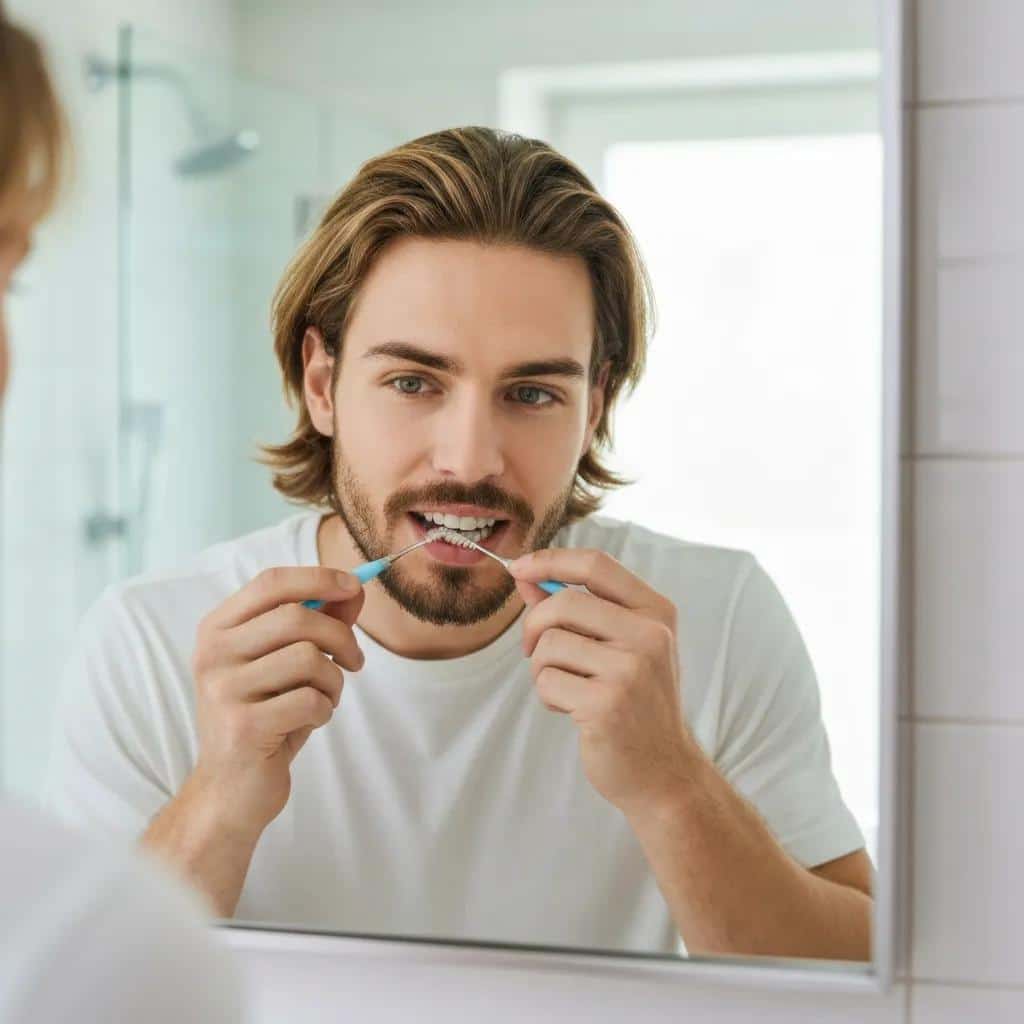
Maintenance hinges on daily oral hygiene, professional follow-up, and lifestyle choices that reduce biological risk; these steps preserve peri-implant tissues and protect prosthetic elements. Daily techniques include interdental cleaning with floss or specially designed interdental brushes, gentle plaque removal at implant margins, and routine use of non-abrasive toothpaste; professional care involves scheduled cleanings and periodic radiographic or clinical checks to detect early soft-tissue inflammation. Lifestyle adjustments—especially smoking cessation and control of systemic conditions like diabetes—substantially improve long-term outcomes. A maintenance checklist is useful for patients to follow and to discuss during the initial consultation to align expectations and recall frequency.
This practical checklist highlights the core actions that sustain implants and sets the stage for discussing common failure causes and prevention techniques.
Daily interdental cleaning around implant crowns and abutments.
Professional recall visits every 3–12 months based on risk profile.
Smoking cessation and systemic condition management to reduce biological risk.
Together, these measures help translate high study-based survival rates into durable, patient-level outcomes.
What Are the Common Causes of Dental Implant Failure and How Can They Be Prevented?
Top causes of implant failure include peri-implantitis (inflammatory bone loss), failed osseointegration, mechanical overload, and patient-level factors like smoking or uncontrolled systemic disease; understanding each cause points to targeted prevention strategies. Prevention relies on thorough preoperative assessment, appropriate surgical planning, use of bone grafting where needed, controlled loading protocols, and structured post-op maintenance to detect and treat inflammation early. Below is a focused list of common causes paired with practical prevention steps to help patients and clinicians reduce risk and preserve implant function.
Peri-implantitis: prevent with regular professional cleaning, patient hygiene, and early intervention for soft-tissue inflammation.
Failed osseointegration: reduce risk with careful surgical technique, patient selection, and staged loading when indicated.
Mechanical overload: prevent by ensuring proper occlusal design, splinting where necessary, and prosthetic maintenance.
Systemic and lifestyle risks: mitigate by optimizing medical conditions and encouraging smoking cessation.
These problem-solution pairings demonstrate that many failures are predictable and preventable with coordinated pre-op planning and long-term maintenance, which leads naturally into a closer look at medical and lifestyle risk factors.
What Medical and Lifestyle Factors Increase the Risk of Implant Failure?
Several patient-level risks correlate with higher failure rates: smoking increases inflammatory response and impairs healing; uncontrolled diabetes elevates infection risk and compromises bone metabolism; osteoporosis and certain medications can alter bone remodeling dynamics. Poor oral hygiene and untreated periodontal disease leave a microenvironment prone to biofilm accumulation and peri-implant inflammation, which accelerates bone loss around implants. Each risk factor can be mitigated: smoking cessation protocols, medical optimization for systemic conditions, and preoperative periodontal therapy reduce failure probabilities. Explaining these relationships helps patients understand how personal health management directly impacts implant outcomes and informs pre-treatment decision-making.
How Does Affordable Dentist Near Me of Tyler Address Failure Prevention?
Affordable Dentist Near Me of Tyler emphasizes diagnostic assessment, patient education, and follow-up to reduce implant failure risk while providing accessible treatment options and financing support. Their clinical approach includes pre-treatment evaluation of bone and soft-tissue conditions, imaging-based planning, patient instruction on hygiene protocols, and scheduled postoperative reviews to monitor osseointegration and early signs of inflammation. The practice supports patients with affordable payment options and a new-patient consult framework designed to clarify medical eligibility and maintenance expectations prior to treatment. Patients concerned about risk assessment and prevention are encouraged to schedule the advertised free dental implant consultation to review diagnostic findings and individualized prevention plans with Dr. Pham or Dr. Vo by phone or through the practice’s new-patient scheduling channels.
This clinic-focused description connects general prevention strategies to the local practice’s protocols and points readers to the next step of scheduling a consult for personalized risk assessment.
How Do Dental Implants Compare to Other Tooth Replacement Options?
Dental implants generally offer superior longevity, function, and bone-preserving benefits compared with traditional removable dentures and tooth-supported bridges, though initial investment and treatment complexity differ. Implants preserve alveolar bone by transmitting functional load to the jaw, helping prevent the resorption commonly seen with dentures. Functionally, implants restore near-natural chewing efficiency and reduce speech disturbances, while bridges rely on adjacent teeth for support and may accelerate wear or compromise those abutments. The following EAV comparison table lays out major attributes across treatment options so readers can directly compare success, longevity, and maintenance needs.
Treatment Option
Success Rate / Longevity
Maintenance Needs
Titanium dental implants
High long-term survival (90%+ mid-term; 85%+ long-term)
This side-by-side comparison shows why implants are often recommended as the most durable and functionally reliable option for tooth replacement, especially for patients prioritizing long-term oral health and comfort.
What Are the Advantages of Titanium Dental Implants Over Dentures and Bridges?
Titanium implants offer biocompatibility that supports osseointegration, enabling a fixed foundation that preserves bone and restores natural function more closely than removable appliances. Because implants engage the jawbone, they maintain vertical dimension and facial support that dentures often fail to preserve, reducing gradual bone loss and the changing fit that plagues denture wearers. Functionally, implant-supported restorations allow stronger bite forces and more varied diets without the slipping or adhesives associated with dentures, and they avoid the need to prepare adjacent sound teeth as involves a bridge. These advantages translate into higher patient satisfaction and fewer prosthetic compromises over time.
Why Are Dental Implants Considered the Most Reliable Tooth Replacement?
Reliability stems from consistent long-term survival data, high patient-reported satisfaction, and the biomechanical principle of osseointegration that provides a stable anchorage for prosthetic teeth. When clinical planning addresses bone quality, prosthetic design aligns with occlusal forces, and patients commit to maintenance, implants outperform alternatives in durability and quality-of-life outcomes. Lower long-term replacement frequency for fixtures and the potential to support complex restorative designs (single crowns, multi-unit bridges, implant-supported dentures) make implants a versatile and reliable foundational therapy in restorative dentistry. This synthesis supports why many patients and clinicians consider implants the standard of care for permanent tooth replacement.
What Should You Expect During Your Free Dental Implant Consultation in Tyler?
A free dental implant consultation in Tyler typically includes an initial clinical exam, discussion of medical and dental history, imaging assessment to evaluate bone quantity and quality, and formulation of a tailored treatment plan with cost and financing options. The consultation’s purpose is diagnostic and educational: clinicians assess eligibility, outline possible grafting needs, explain prosthetic choices (single-tooth vs implant-supported denture), and present a clear timeline for treatment and follow-up. The visit also covers insurance acceptance and available payment plans so you can understand affordability and next steps. If you decide to proceed, the consult sets up imaging or specialist referrals when necessary and schedules phased treatment planning to optimize osseointegration and prosthetic outcomes.
This description frames the consult as the practical gateway to treatment and transitions into how eligibility is assessed and how to schedule with the local practice.
How Is Eligibility for Dental Implants Assessed?
Eligibility assessment combines clinical examination of soft tissues and oral hygiene, imaging to measure bone volume and density, and review of systemic health to identify risk modifiers such as diabetes or smoking status. Imaging often consists of three-dimensional evaluation to determine bone height and width at the intended sites; when bone is insufficient, bone grafting or staged approaches may be recommended. Medical history informs perioperative risk management and determines whether coordination with a physician is needed prior to surgery. Financial and insurance discussions are also part of eligibility conversations to align treatment options with the patient’s budget and coverage, creating a comprehensive plan for safe and predictable implant therapy.
How Can You Schedule Your Free Consultation with Affordable Dentist Near Me of Tyler?
To schedule the clinic’s advertised free dental implant consultation, prospective patients may call the practice phone number and request a new-patient implant consult or use the practice’s new-patient scheduling process to select a convenient appointment time. Bring a current list of medications, your insurance card if applicable, and a summary of medical history to the visit; this information expedites eligibility assessment and allows clinicians to tailor treatment recommendations. The clinic accepts most PPO insurance plans and offers affordable payment options and financing support to help make implant care more accessible. For in-person convenience, the practice’s address is available for those who wish to plan travel to the consultation.
This scheduling guidance clarifies what to bring and how the clinic facilitates access while keeping the focus on the consult’s diagnostic objectives.
What Are the Latest Dental Implant Statistics and Market Trends for 2024?
Market trends through 2023–2024 indicate steady growth in implant demand driven by aging populations, broader acceptance among middle-aged adults, and continued predominance of titanium as the preferred implant material. Increased adoption arises from improved implant technology, expanding clinician experience, and patient preferences for fixed, long-term solutions instead of removable prostheses. Demographic shifts show rising uptake among seniors and sustained interest from the 40–60 age group who seek durable aesthetic and functional restorations. The following bullets summarize the most relevant market and demographic trends patients should consider when planning treatment.
Growing implant adoption among seniors due to better systemic health management and desire for stable restorations.
Strong preference for titanium implants because of proven osseointegration performance and material biocompatibility.
Increasing availability of financing and payment plans that expand access to implant therapy.
These trends contextualize why implants are becoming more common and why clinics have developed streamlined pathways for patient assessment and financing, which leads into age-specific demand patterns and projected market growth.
How Has the Demand for Dental Implants Changed Among Different Age Groups?
Demand has shifted as middle-aged adults (40–60) increasingly seek implants for both functional restoration and aesthetic reasons, while seniors (65+) show rising adoption driven by improved general health and desire for quality of life enhancements. Younger adults pursue implants less frequently unless trauma or congenital absence necessitates replacement, but technological advances and lower marginal costs for complex restorations may broaden future uptake. Behavioral factors—such as desire for fixed solutions and aversion to removable prostheses—drive demand across older age cohorts. Understanding these patterns can help patients in the 40–60 bracket set expectations about availability, scheduling wait times, and the types of restorations commonly performed.
What Is the Projected Growth of the Dental Implant Market in the U.S.?
Industry analyses for 2023–2024 project continued market expansion as aging demographics, material improvements, and patient preference for fixed solutions increase procedure volumes and technological investment. Growth supports wider geographic availability, more providers offering implant services, and incremental improvements in implant surface technology and digital planning tools. For patients, market growth generally translates into greater choice and competitive pricing, along with more options for financing and staged care. These macro trends make implants a more accessible and standardized option for many patients seeking long-term tooth replacement.
What Are Frequently Asked Questions About Dental Implant Success Rates and Patient Experiences?
This FAQ-style section provides succinct, evidence-aligned answers to common patient queries so readers can quickly locate clear guidance and reduce anxiety about outcomes. The answers prioritize direct statistics, practical care steps, and realistic expectations, and selectively recommend the clinic’s free consultation for personalized assessment when appropriate. Below are concise responses to the most frequently asked questions regarding typical success rates and expected longevity.
This FAQ list focuses on rapid clarity and leads into direct answers that can function as featured-snippet-style responses for common patient searches.
What Is the Average Success Rate of Dental Implants?
The average success rate reported across contemporary clinical reviews and pooled patient outcomes falls broadly within a 90–98% range, with many cohorts showing approximately 95% survival at 5–10 years when patients receive appropriate treatment and follow-up. Variability arises from patient selection, implant location (posterior vs anterior), smoking status, systemic health, and maintenance adherence; therefore, individual prognosis should be discussed with a clinician. These baseline figures give readers a realistic expectation while underscoring that personalized risk assessment at a consultation remains essential to predict outcomes accurately.
How Long Can Dental Implants Last With Proper Care?
With consistent daily hygiene, regular professional maintenance, and management of systemic risks, implant fixtures commonly last 20–30+ years, while prosthetic crowns generally require replacement or refurbishment every 10–15 years depending on wear and function. Key maintenance actions include daily interdental cleaning, routine recall visits to monitor peri-implant tissues, and early treatment of soft-tissue inflammation to prevent bone loss. Longevity hinges on both biological stability and prosthetic care; adhering to recommended maintenance protocols markedly improves the probability of long-term retention.
Daily Care: Clean around implant margins with interdental brushes or floss.
Professional Maintenance: Attend scheduled recall cleanings and clinical exams.
Lifestyle Management: Stop smoking and control systemic conditions like diabetes.
These concise action steps make the pathway to long-lasting implants clear and actionable for patients considering treatment.
How to Prepare for a Consultation: Bring medical history, medications, and insurance information; expect imaging and a candid conversation about options.
What to Ask Your Provider: Inquire about bone assessment, maintenance schedule, and contingency plans for complications.
When to Seek Help Post-Op: Contact your clinician for persistent pain, swelling, or mobility around the implant.
These practical FAQs close the article by equipping readers with immediate next steps and a roadmap for moving from education to personalized assessment.