Dental Implants vs. Dentures: A Practical Patient Guide for Denton, TX
Deciding how to replace missing teeth affects your comfort, oral health, and confidence. This guide compares dental implants and dentures in straightforward terms so you can weigh pros and cons and know what to expect. You’ll read clear explanations of each treatment, how they’re done, their advantages and trade-offs, typical costs, and the factors that help you choose the best option for your lifestyle. Implants are placed into the jawbone for a long-term result, while dentures are removable and can be adjusted for fit and comfort. Understanding these differences will help you make an informed decision.
What Are Dental Implants and How Does the Procedure Work?
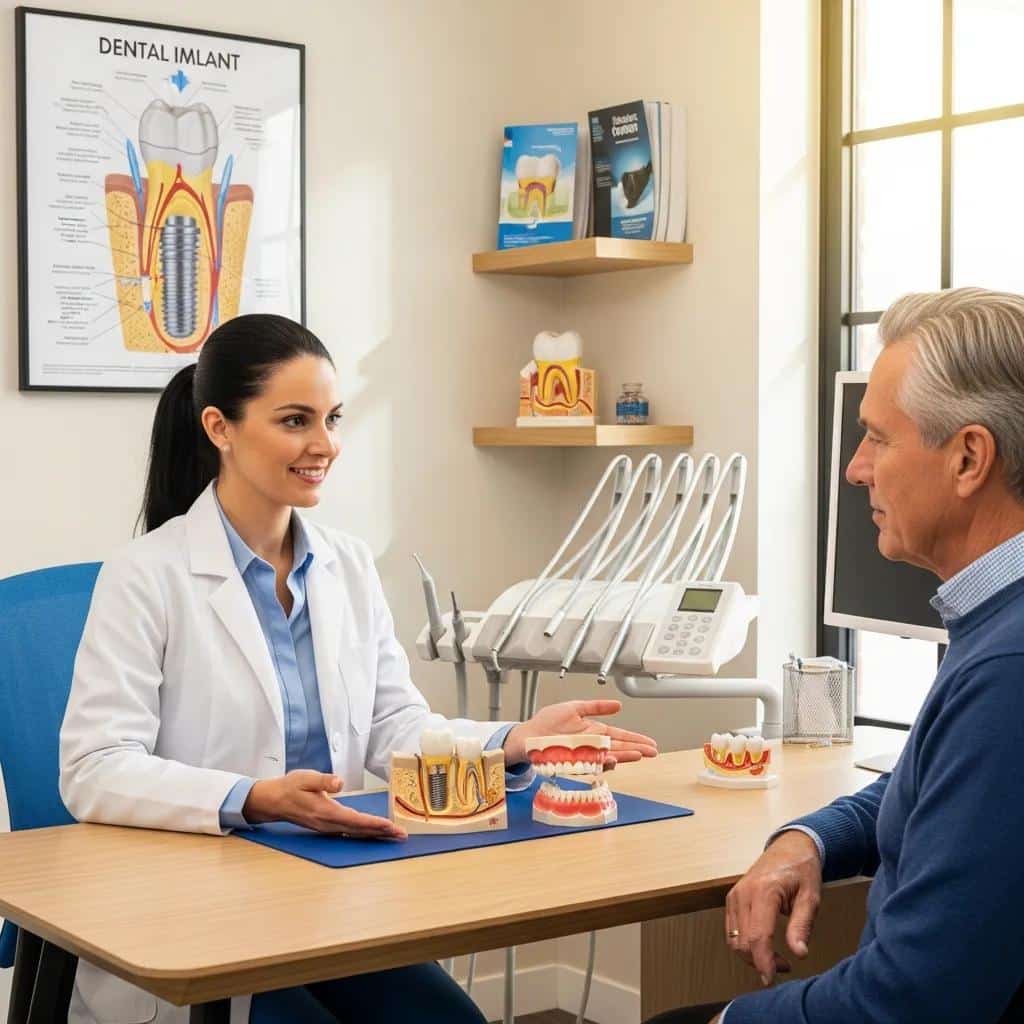
Dental implants are man-made tooth roots, usually made from biocompatible titanium, that are anchored into the jawbone. They act as a stable base for replacement teeth and are designed to last many years. Treatment typically includes an initial exam, placing the implant into the bone, and a healing phase where the implant bonds to the bone in a process called osseointegration. That bonding is what gives implants their strength and durability.
What Components Make Up a Dental Implant?
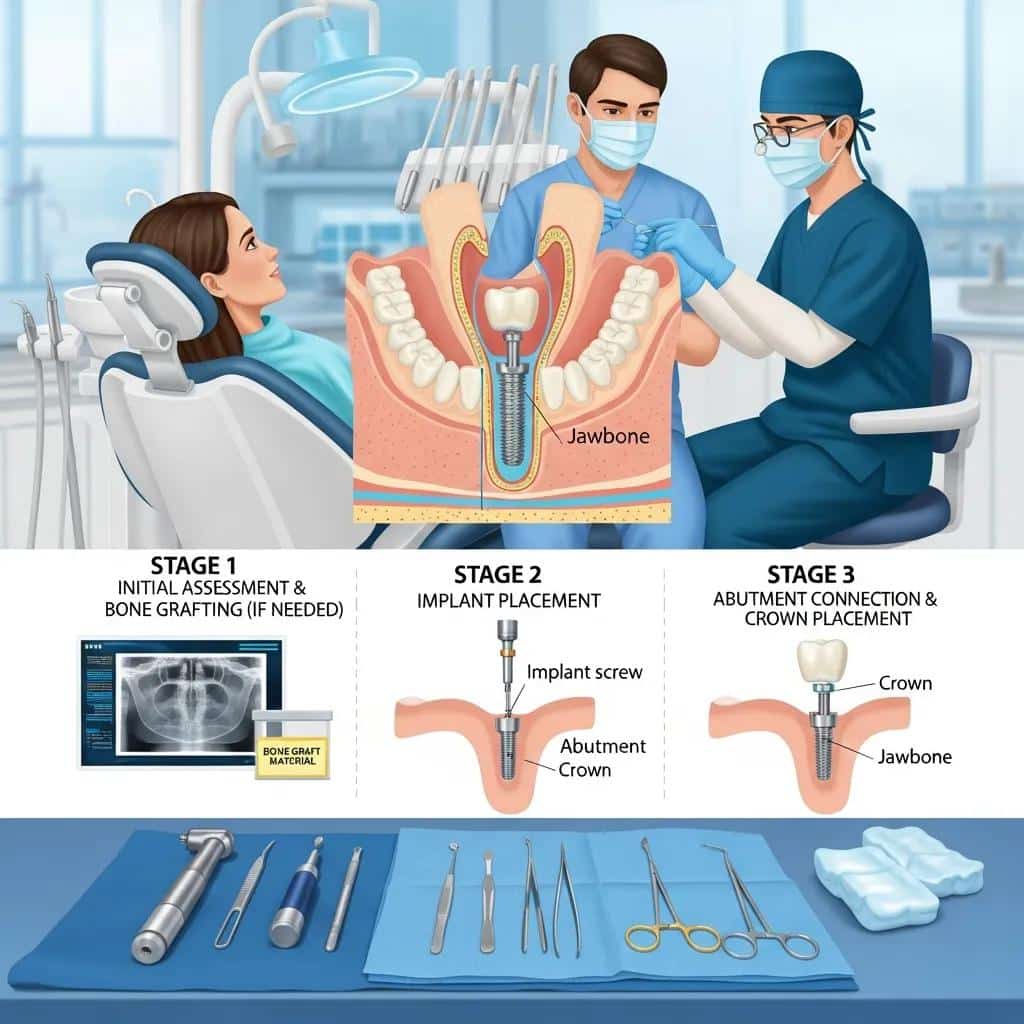
A modern dental implant has three primary parts:
Implant post: The titanium piece placed into the jawbone that replaces the tooth root.
Abutment: A small connector attached to the implant that supports the visible tooth.
Crown: The custom-made tooth that sits on the abutment, commonly crafted from porcelain, ceramic, or zirconia.
Together, these parts restore function and appearance much like a natural tooth.
What Are the Step-by-Step Stages of the Dental Implant Procedure?
Most implant treatments follow these stages:
Initial consultation: We review your oral health, X-rays, and treatment goals to create a plan.
Surgical placement: The implant post is placed in the jaw under local anesthesia.
Healing: Over 3 to 6 months the implant integrates with the bone.
Abutment placement: After healing, the abutment is attached to the implant.
Crown placement: A custom crown is fitted to match your bite and appearance.
These steps help ensure the implant is secure, functional, and comfortable.
What Are Dentures and What Types Are Available?
Dentures are removable appliances that replace missing teeth and surrounding tissues. They’re custom-made from materials like acrylic and metal and are tailored to fit your mouth. Several denture types serve different needs, from replacing a few teeth to restoring a full arch.
What Are the Differences Between Full, Partial, Immediate, and Implant-Supported Dentures?
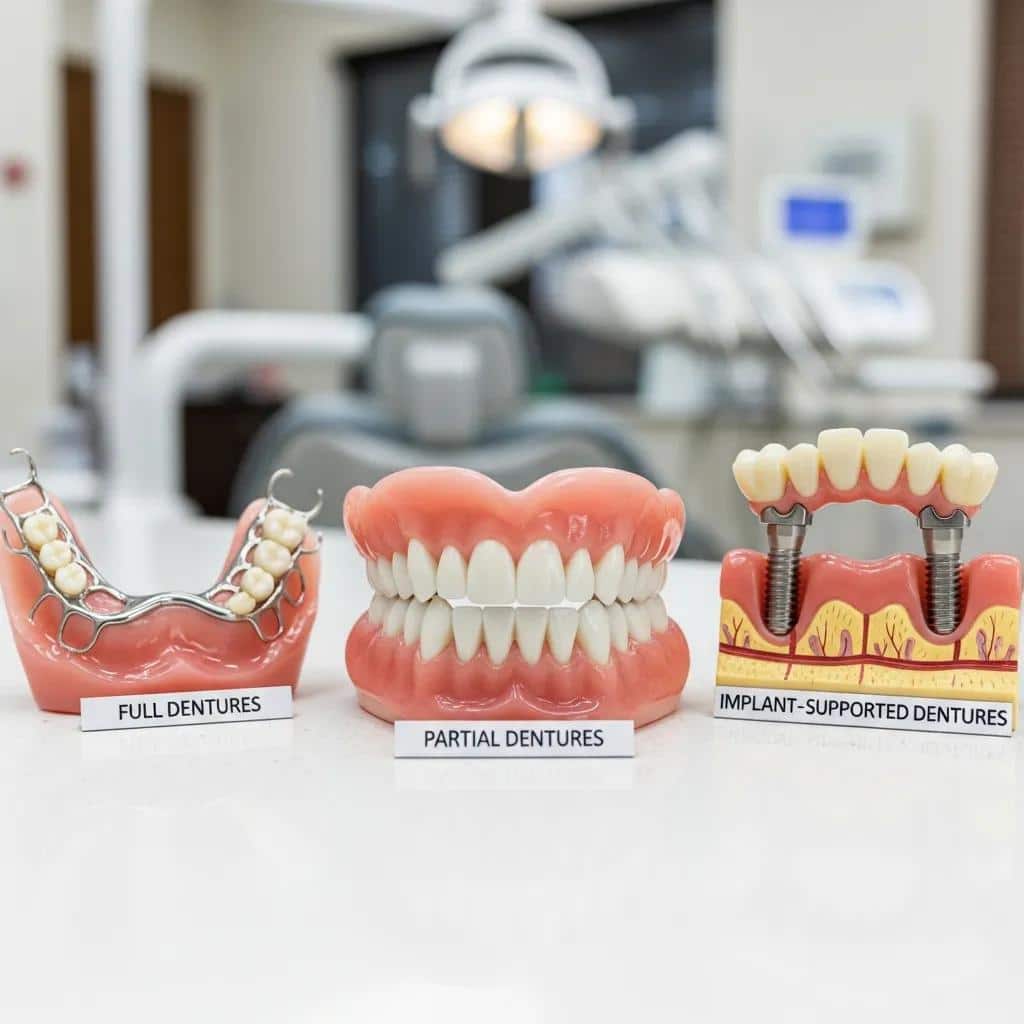
Full dentures: Replace all teeth in the upper or lower jaw and are used when most or all natural teeth are gone.
Partial dentures: Replace just a few missing teeth and attach to remaining teeth or implants for support.
Immediate dentures: Inserted right after extractions so you’re never without teeth during healing.
Implant-supported dentures: Snap onto implants for extra stability—more secure than traditional removable dentures.
Each option offers different comfort, stability, and cost considerations depending on your situation.
How Is the Denture Fitting and Adjustment Process Conducted?
Getting well-fitting dentures usually follows this process:
Initial impressions: We take molds of your mouth to begin a custom design.
Try-in: A wax or temporary version is tried in so fit, bite, and appearance can be adjusted.
Final fitting: The finished dentures are delivered and checked for comfort and function.
Follow-up care: Regular visits ensure fit is maintained and adjustments are made as your mouth changes.
Careful fitting and follow-ups help make dentures more comfortable and reliable.
What Are the Key Benefits and Drawbacks of Dental Implants?
Dental implants are a popular option because they offer stability and long-term benefits, but they aren’t the right choice for everyone.
How Do Dental Implants Preserve Jawbone Health and Provide Stability?
Implants stimulate the jawbone through osseointegration, which helps prevent the bone loss that follows tooth loss. That support helps maintain facial structure. Implants also deliver strong, stable chewing ability—closer to natural teeth than removable options.
What Are the Potential Disadvantages and Candidacy Requirements for Implants?
Considerations for implants include:
Cost: Implants tend to cost more up front than dentures. Prices vary by case complexity and location.
Surgical risks: As with any surgery, risks include infection, nerve irritation, and healing complications.
Candidacy: Good overall health and sufficient bone are important. Conditions like uncontrolled diabetes or heavy smoking can affect success.
We’ll review all these factors during your consultation to determine whether implants are a good fit.
What Are the Advantages and Limitations of Dentures?
Dentures remain a practical solution for many people, offering affordability and speed, but they come with trade-offs.
Why Are Dentures Considered an Affordable and Quick Tooth Replacement Option?
Dentures are generally less expensive and can be made and fitted in weeks rather than months. Because they don’t always require surgery, they’re a good option for patients who prefer to avoid invasive procedures or who have medical conditions that complicate surgery.
What Challenges Do Dentures Present Regarding Bone Loss, Slippage, and Maintenance?
Common denture challenges include:
Bone loss: Dentures don’t replace the tooth root, so they don’t prevent the bone from shrinking over time.
Slippage: Removable dentures can move while eating or speaking, which may require adhesives or adjustments.
Maintenance: Daily cleaning and periodic relining or replacement are needed as your mouth changes.
Proper care and routine follow-ups help reduce these issues and improve comfort.
How Do Dental Implants and Dentures Compare on Cost, Longevity, and Functionality?
Comparing implants and dentures comes down to cost, lifespan, and how close each option feels and functions to natural teeth.
What Is the Cost Difference Between Dental Implants and Dentures?
Implants typically cost more up front than dentures. Dentures can range from about $300 to $5,000 depending on type and materials, while an implant with its crown commonly runs between $3,000 and $6,000. Over time, the durability of implants can make them a cost-effective choice for many patients.
How Do Longevity and Durability Differ Between Implants and Dentures?
With proper care, dental implants often last 15 to 25 years or longer—sometimes a lifetime—whereas dentures generally need replacement or relining every 5 to 10 years. That difference affects long-term value and convenience.
How Do Functionality and Comfort Compare Between the Two Options?
Implants act and feel more like natural teeth, improving chewing and speech without worry of slippage. Dentures can be comfortable and functional, especially once adjusted, but may feel less stable—particularly for new wearers.
What Is the Impact of Each Option on Jawbone Health?
Implants help preserve jawbone by stimulating it, while traditional dentures do not stop bone resorption. That makes implants advantageous for preserving facial structure over time.
How Do Procedure Invasiveness and Recovery Times Differ?
Implants require surgery and a healing period that can span several months. Dentures are non-surgical and can often be delivered more quickly. Your comfort with surgery and desired timeline are important factors in choosing between them.
Which Tooth Replacement Option Is Right for You? Factors to Consider and Patient Guidance
Picking the right option depends on your health, budget, daily needs, and long-term goals. We help you weigh those elements so you can feel confident in your decision.
What Patient Factors Influence the Choice Between Dental Implants and Dentures?
Consider your budget, medical history, bone health, and what you want from treatment. If you need an affordable, faster solution, dentures may be appropriate. If you want a long-term, low-maintenance result and have suitable health and bone, implants could be the better choice.
Why Choose Dentist in Denton for Your Dental Implant or Denture Consultation?
At Dentist in Denton – Dentures and Dental Implants, we focus on clear patient education and comfortable care. Our team listens to your goals, explains options in plain language, and offers a free consultation so you can explore the best path for your smile.
Frequently Asked Questions
What Are the Long-Term Care Requirements for Dental Implants and Dentures?
Dental implants need regular dental check-ups, good daily oral hygiene, and care to avoid hard impacts that could damage the crown. Watch for any pain or signs of infection and tell your dentist promptly. Dentures require daily cleaning, safe storage, and periodic adjustments as your mouth changes. Both treatments need ongoing attention to keep them working well.
How Do Lifestyle Choices Affect the Success of Dental Implants?
Your habits matter. Smoking, poor nutrition, and inadequate oral care can slow healing and raise the risk of implant problems. Smoking in particular lowers blood flow and impairs recovery. A balanced diet and consistent oral hygiene support long-term implant success—bring any lifestyle concerns up during your consultation.
Can You Get Dental Implants if You Have Gum Disease?
Gum disease doesn’t automatically rule out implants, but active disease must be treated first. Healthy gums are essential for implant success, so we’ll usually address gum health with deep cleaning or other treatments before placing implants.
What Should You Expect During the Recovery Period After Implant Surgery?
Expect some swelling, mild bruising, and soreness after implant surgery, which can be managed with prescribed or recommended pain relief. Healing typically takes 3 to 6 months while the implant bonds with the bone. Follow your dentist’s post-op instructions, stick to recommended foods, and attend follow-up visits to track healing.
Are There Alternatives to Dental Implants and Dentures?
Yes. Bridges are a fixed option that anchor to neighboring teeth, and removable partials or resin-bonded bridges may suit some patients. Each alternative has pros and cons, so we’ll discuss which options match your dental health and goals.
How Do You Choose the Right Dentist for Implants or Dentures?
Look for experience, training in restorative dentistry, patient reviews, and a clear treatment approach. A good consultation should feel informative and honest—ask about materials, technology, expected outcomes, and follow-up care so you can make a confident choice.
Is It Better to Have Dentures or Implants?
There’s no single answer — it depends on your health, budget, and what you want from treatment. Implants offer a longer-lasting, more natural-feeling solution, while dentures provide a faster, more affordable option.
What Lasts Longer: Dentures or Dental Implants?
Implants generally last longer when cared for properly. Dentures typically require replacement or relining more often than implants.
What Are the Cost Differences and Financing Options Available?
Upfront costs differ: implants are usually more expensive initially but can be more economical over time because of their durability. Many practices offer financing plans to spread costs—ask us about options during your consultation.
Are Dental Implants Safe and What Are the Risks?
Dental implants are safe for most patients, but all surgery carries some risks such as infection, nerve irritation, or implant failure. We evaluate your health and discuss risks and benefits so you can choose with confidence.
Can Implants Be Placed Immediately After Tooth Extraction?
Sometimes implants can be placed right after an extraction, depending on bone quality, absence of infection, and your overall situation. We’ll assess whether immediate placement is a safe and effective option for you.
How to Schedule Your Free Dental Implant or Denture Consultation in Denton, TX
Scheduling a consultation is an easy first step—our team will review your history, examine your mouth, and outline the options that best meet your needs.
What Is Included in the Free Consultation for Dental Implants and Dentures?
In your free consultation we’ll evaluate your oral health, take necessary X-rays, discuss treatment choices, and answer your questions so you leave with a clear plan.
How to Prepare for Your Dental Implant or Denture Appointment?
Bring your medical history, a list of medications, and any dental records you have. That information helps us tailor recommendations and keep your appointment focused and productive.
Conclusion
Choosing between implants and dentures is an important decision that affects comfort, function, and long-term oral health. Both options can restore your smile—implants deliver greater permanence and bone preservation, while dentures offer speed and affordability. If you’re unsure which path is best, schedule your free consultation and we’ll walk through the options together so you can choose with confidence.