By Affordable Dentist Near Me Editorial Team · Updated 2026-08-24
When it comes to How Dental Implants Improve Confidence, early identification of dental implant issues involves watching for warning signs like swelling, gum recession, or looseness around the implant site. Dental implant success rates exceed 95%, but prompt attention to discomfort protects long-term results. Affordable Dentist Near Me locations across Fort Worth. Nearby Texas cities offer consultations to evaluate implant health before minor problems become costly complications.
Key Takeaways
Dental implants achieve success rates exceeding 95% when properly placed and maintained by qualified professionals.
Warning signs of implant failure include persistent pain, swelling, and mobility around the implant site.
Over 40 years of implant history provides extensive data for identifying and diagnosing implant complications early.
Contact your original dentist or manufacturer immediately if you suspect implant problems to prevent further damage.
What Early Signs Point to Implant Trouble?
Swelling, persistent soreness, or a wobbly feeling around a healed implant signal that something needs attention. Implant failure remains uncommon, but it does happen, and small changes deserve a closer look rather than a wait-and-see approach. Patients recovering in Fort Worth and nearby Texas communities benefit most from staying observant during the months. Years after placement, not just the initial healing period.
Ignoring these signals carries real cost. Gum tissue that stays red or tender past the expected healing window. An implant crown that shifts slightly when chewing, often points to a deeper issue with the bone or the surrounding tissue. Left unchecked, minor irritation can progress into infection or bone loss that jeopardizes the entire restoration.
How does someone know if an implant is failing?
Look for gum recession around the implant site, a metallic taste that won’t go away, or difficulty biting down without discomfort. Persistent bad breath alongside these symptoms often points to bacterial buildup near the implant base. Any of these changes justifies a conversation with a dentist rather than waiting for the problem to resolve on its own.
What should trigger an immediate dental visit?
Sudden pain, visible movement of the implant, or pus near the gumline all call for prompt evaluation. Patients experiencing any combination of these signs should not delay scheduling an appointment.
Common early warning signs include:
Gum swelling or tenderness that lingers beyond normal healing
Looseness or shifting felt when biting or brushing
Discomfort that increases rather than fades over time
Visible gaps or recession around the implant crown
Recognizing these signs quickly helps patients secure faster treatment and protects long-term oral health. Affordable Dentist Near Me’s experienced dentists evaluate any new discomfort or looseness promptly, helping patients address concerns before they escalate into larger, costlier problems.
Why Do Dental Implant Issues Happen at All?
Two biological processes explain most implant complications: incomplete bonding with the jawbone and infection around the implant site. Patients recovering in Fort Worth and nearby Texas communities benefit from understanding these mechanisms early, since catching a problem in its first stages often prevents a much larger loss. Both financially and to the confidence that a restored smile provides. How dental implants improve confidence depends heavily on the implant staying stable and healthy long after surgery.
What causes an implant to fail at the bone level?
Osseointegration describes the process where an implant post fuses directly with the jawbone. When that fusion doesn’t happen correctly, the implant can loosen or shift, undermining both function and appearance. Bone quality, healing time, and how well post-surgical instructions get followed all play a role in whether this bonding succeeds.
Can infection threaten an implant after it’s already placed?
Yes. Peri-implantitis, an infection affecting the gums or bone around an implant, weakens the very tissue holding it in place. Left unaddressed, this infection spreads and accelerates bone loss near the implant site.
Recognizing the difference between these two failure paths matters for anyone monitoring recovery:
Bonding failure — occurs during or shortly after healing, tied to how well the post integrates with bone.
Infection-driven failure — can develop months or years later, often triggered by bacteria buildup around the gumline.
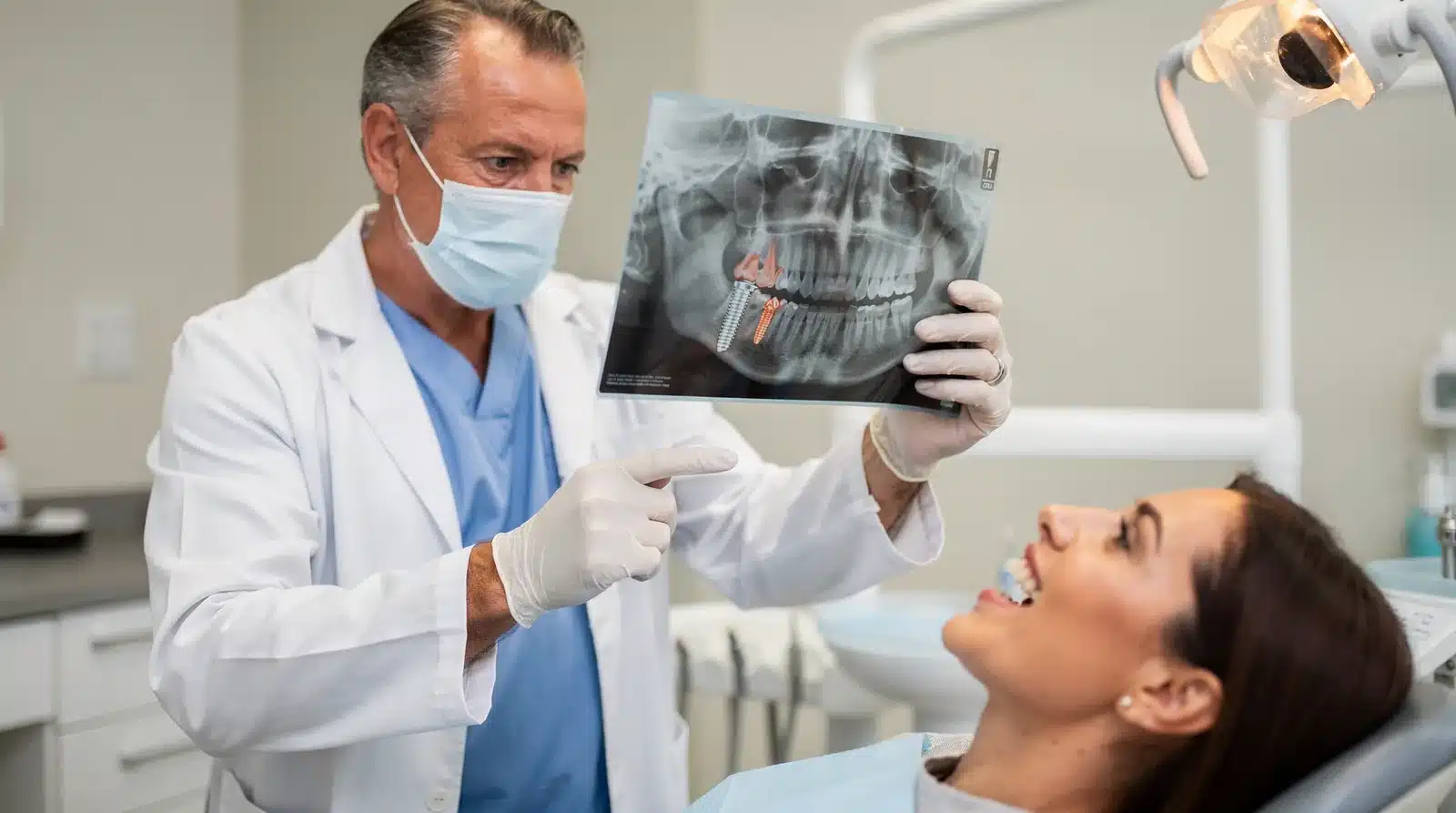
Modern diagnostic technology gives dentists at Affordable Dentist Near Me an edge in catching either issue before it escalates. Equipped with current imaging and monitoring tools, the practice’s dentists track implant health over time, spotting early warning signs that might otherwise go unnoticed. That kind of proactive care protects the long-term investment patients make in their smile.
How Can You Identify Which Implant You Have?
Patients recovering from implant surgery rarely remember the exact brand or model placed in their jaw. That gap in knowledge worries many people more than it should. Several reliable paths exist for tracking down this information, ranging from paperwork review to a direct conversation with the treating dentist. Understanding these implant maintenance and identification methods matters for anyone focused on long-term implant health and confident smile results.
Who should a patient ask first about their implant type?
The original placing dentist remains the most direct source for implant identification. That provider’s records typically list the exact brand, size, and placement date, making a phone call or records request the fastest route to an answer.
Patients without access to their original dentist still have options worth exploring:
Reviewing discharge paperwork or post-op instructions for brand names or model numbers
Checking for an implant card issued at the time of surgery
Requesting dental records be transferred to a new provider
Can a new dentist help identify an unfamiliar implant?
Yes, an experienced dentist can often examine an implant clinically or through imaging to narrow down the manufacturer. Fort Worth-area patients, along with those near the practice’s other Texas centers, can schedule an in-person evaluation for exactly this purpose.
Seeing a dentist face-to-face allows for direct visual and radiographic assessment rather than guesswork. This step matters because proper identification supports better long-term care planning and reduces confusion during future dental work.
Cost concerns shouldn’t delay this step. The practice accepts a wide range of insurance plans, including all PPO coverage, and offers payment installments so an implant evaluation stays within reach financially. Getting clarity on implant type early protects both oral health and peace of mind.
How Do Dental Implants Improve Confidence?
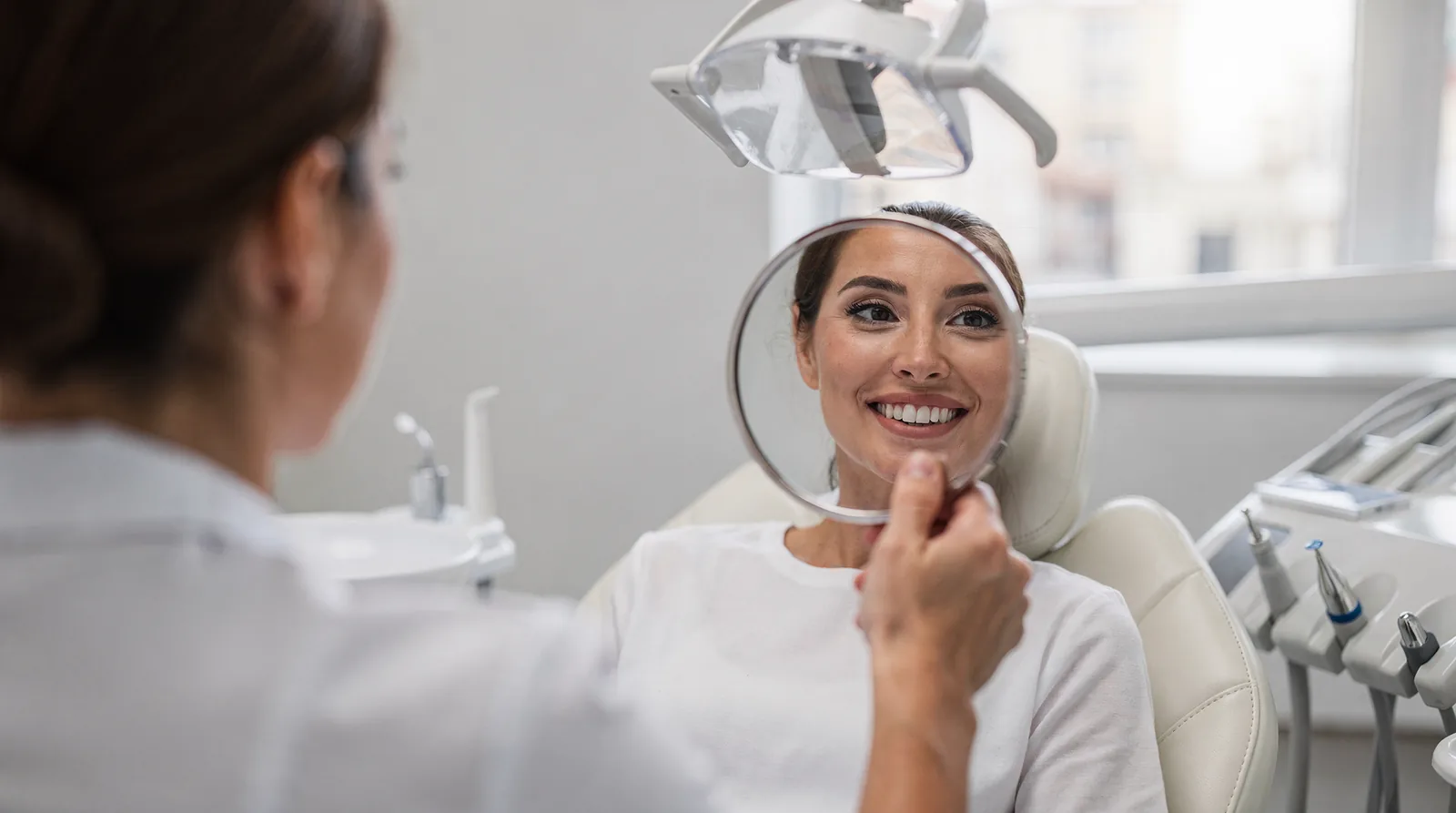
Missing or failing teeth chip away at self-image long before any pain shows up. Fort Worth patients recovering from tooth loss often stop smiling in photos, cover their mouths when talking, or skip meals out with friends. Restoring a full smile reverses that pattern. This is exactly where dental implants improve confidence for patients across the Metroplex.
Custom dentures and implants rebuild a complete set of teeth rather than leaving gaps or partial fixes. Losing most or all natural teeth used to feel permanent and discouraging. Today, a fully restored smile replaces that sense of loss, giving patients a reason to laugh openly again.
Can a Full Smile Really Be Restored Quickly?
Waiting months for a new smile discourages many patients from starting treatment at all. Eligible candidates can qualify for custom permanent teeth completed in 24 hours, cutting the emotional wait time dramatically. A shorter timeline means less time hiding a smile and more time enjoying one.
Does an Implant Feel Like a Natural Tooth?
Function matters as much as appearance for lasting confidence. A properly placed implant lets patients eat, chew, and smile the way they did before tooth loss, without constantly thinking about the replacement. That natural feel supports everyday confidence during work meetings, family dinners, and social events.
Recovery brings noticeable changes patients can track:
Eating freely without avoiding certain foods
Smiling in photos without instinctively covering the mouth
Speaking clearly during work or social conversations
Fewer self-conscious habits, like hiding teeth while laughing
Each improvement builds on the last, turning a restored smile into a daily source of confidence rather than a lingering concern.
When Should You Contact Your Fort Worth Dentist?
Implant patients should call the dental office at the first sign of pain, swelling, looseness, or any change that feels different from a normal healing pattern. Waiting on a concern often turns a minor fix into a bigger, more expensive problem, so early contact protects both the implant and the confidence that comes with a complete, natural-looking smile. Fort Worth patients benefit from a nearby location built specifically for this kind of quick response.
Affordable Dentist Near Me positions itself as patient-centered. The practice actively encourages patients to reach out whenever something feels wrong with an implant. That open-door approach matters most during recovery, when small symptoms can signal issues that are far easier to treat early than late. Patients should never feel like a concern is too minor to mention.
What if a dental concern happens outside regular hours?
Emergencies do not follow a convenient schedule, and the practice structures its availability around that reality. Office hours run Monday through Saturday. Walk-in visits are accommodated for urgent dental emergencies, including implant-related issues like sudden pain or a loosened crown. Patients in the Fort Worth area do not need to wait for a scheduled appointment slot when something feels urgent.
Is a Fort Worth location convenient for implant follow-up care?
Fort Worth, Texas serves as a home base for the practice, making evaluations and follow-up visits straightforward for local patients. A nearby office reduces the delay between noticing a problem and getting it examined by a professional.
Common reasons to call promptly include:
Persistent throbbing or sharp pain around the implant site
Visible swelling, redness, or discharge near the gum line
A sense of looseness or shifting in the implant or crown
Fever or unusual symptoms following implant surgery
Prompt communication keeps recovery on track and protects long-term results.
FAQ
What are the earliest signs of dental implant trouble?
Swelling, persistent soreness, or a wobbly feeling around a healed implant signal problems. Gum tissue that stays red or tender past the expected healing window also points to a deeper issue requiring attention.
How do you know if an implant is failing?
Gum recession around the implant site, a metallic taste that won’t go away, and difficulty biting down without discomfort indicate failure. Persistent bad breath alongside these symptoms points to bacterial buildup near the implant base.
When should someone see a dentist about implant concerns?
Sudden pain, visible movement of the implant, or pus near the gumline call for prompt evaluation. Affordable Dentist Near Me locations across Fort Worth and nearby Texas cities offer consultations to catch problems early.
Conclusion
In closing, early detection of dental implant issues protects your investment and preserves your oral health for years to come. By staying alert to changes in sensation, appearance, or comfort around your implant site, you catch problems when they’re most treatable. Regular professional evaluations and consistent home care form the foundation of implant success. Your commitment to monitoring these warning signs, paired with expert dental guidance, ensures your implant delivers the lasting, confident smile you deserve.