Dental implant procedures are revolutionizing restorative dentistry by offering long-term solutions for missing or failing teeth. Patients in Lake Worth, TX, including many new patient inquiries, are increasingly turning to dental implants due to their durability, natural appearance, and functionality. Dental implants not only restore the aesthetics of a smile but also contribute to overall oral health by preserving the jawbone and preventing bone loss. This comprehensive article explains everything from the basics of dental implants to detailed aspects of treatment in Lake Worth. It is designed to provide potential patients with clear, actionable information and encourage you to schedule appointment for a free consultation with our expert dental team.
Our discussion begins by defining dental implants and explaining their critical functions in restoring smiles. We then delve into the factors influencing treatment success, potential risks, and how our Lake Worth practice maximizes successful outcomes. Next, we explore the step-by-step dental implant procedure journey along with the numerous advantages offered by dental implants when compared to traditional dentures. Lastly, the article provides essential information on how to maintain dental implants over the long-term. Whether you’re considering a full mouth reconstruction or a single-tooth replacement, understanding these elements is vital in making an informed decision about your dental health.
Transitioning to the details, you’ll learn how dental implants are structured, the procedure itself, and how our Lake Worth facility leverages state-of-the-art technology to ensure successful treatment outcomes. Schedule a free consultation today to discover the best treatment options tailored for your dental needs.
Key Takeaways
Dental implants in Lake Worth, TX, are a reliable long-term solution to restore missing teeth and improve oral health.
The article details the implant procedure, materials, benefits, and maintenance of dental implants.
Local expertise and advanced techniques maximize treatment success.
Patients are encouraged to schedule a free consultation for personalized treatment planning.
Understanding Dental Implants and Their Function
Dental implants are titanium posts surgically implanted into the jawbone to serve as an artificial tooth root. They are used to support a crown, bridge, or denture, thereby restoring both appearance and function. The implants help maintain jawbone density and prevent further facial structure deterioration that often occurs with tooth loss.
What Constitute Dental Implants?
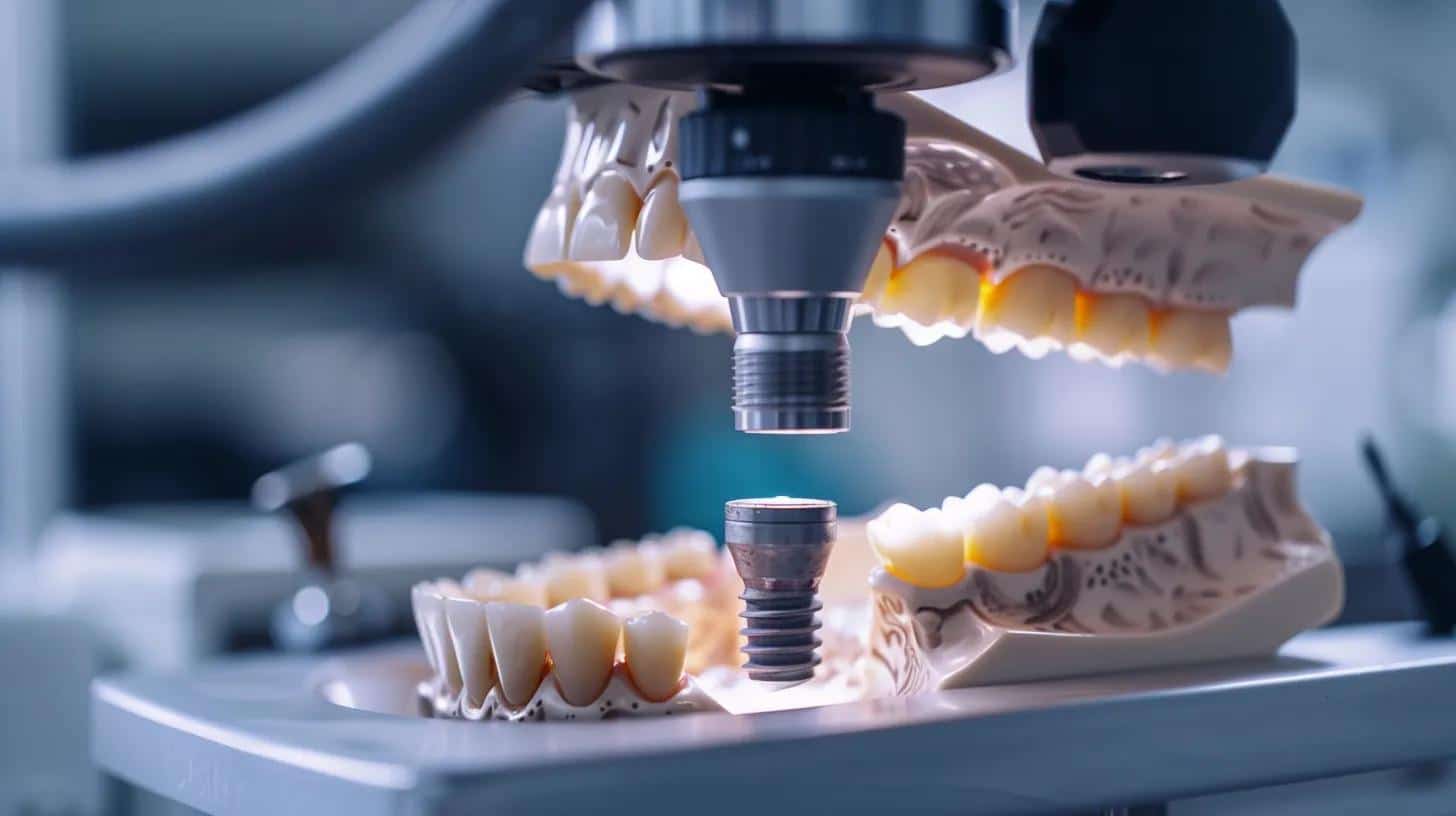
Dental implants consist of three main components: the implant body, the abutment, and the prosthetic tooth or crown. The implant is a small screw-like device made of biocompatible titanium that integrates with the bone through a process called osseointegration. The abutment connects the implant securely to the dental prosthesis. Finally, the crown is custom made from porcelain or ceramic to match the natural color and shape of your existing teeth. This method of tooth replacement ensures that patients receive a highly secure, aesthetically pleasing, and durable solution for their missing teeth. The precision engineering involved in manufacturing each component helps minimize risks such as inflammation or implant failure while enhancing the implant’s longevity and performance.
The Role of Implants in Restoring Your Smile
Dental implants play a crucial role in restoring functionality and aesthetics in patients. They are a preferred option because they mimic natural teeth and provide stability not possible with removable dentures. Implants support proper chewing, which is essential for digestion and overall health. In addition, they prevent shifting of neighboring teeth, maintain proper facial structure, and help preserve the mandible and maxilla bone density. As implants fuse with the bone, they improve overall oral hygiene by reducing gum inflammation compared to conventional dental bridges. Patients also experience enhanced self-confidence with the natural appearance that dental implants offer. In clinical studies, implant-supported prostheses have shown success rates of over 95% when proper surgical protocols are followed, making them an excellent solution for long-term dental restoration.
Different Types of Dental Implants Available
There are several types of dental implants designed to meet diverse patient needs and conditions. The most common types include endosteal implants, which are placed within the jawbone; subperiosteal implants, which are positioned on top of the jawbone; and zygomatic implants, used in cases of severe jawbone loss. Advances in technology have also introduced mini implants, which are smaller in diameter and are used for stabilizing dentures. Furthermore, implant-supported overdentures and fixed bridgework options are available based on the patient’s specific anatomical and aesthetic needs. The variety of choices allows dentists to tailor the treatment plan to each individual, optimizing both functionality and cosmetic results. The selection process involves a thorough evaluation of the patient’s bone density, overall oral health, and personal preferences regarding aesthetics and functionality.
Materials Used for Dental Implants
Dental implants are primarily constructed from biocompatible materials such as titanium and zirconia. Titanium is widely used due to its excellent strength, durability, and high success rate in osseointegration. Zirconia, on the other hand, is an increasingly popular alternative, especially for patients concerned about metal sensitivities or seeking a metal-free option. Additionally, the abutments and crowns can be fabricated from high-quality ceramics and porcelain materials that offer superior aesthetics by closely mimicking the translucency and color of natural teeth. These materials are carefully chosen to withstand masticatory forces, provide long-lasting durability, and ensure patient comfort. The use of a clean implant surface and advanced digital planning techniques further enhances aesthetic outcomes and supports optimal integration with the bone and soft tissues.
Are All Dental Implant Treatments Successful?
Dental implant treatments have very high success rates, often exceeding 95% when executed with careful planning and modern surgical techniques. However, treatment outcomes depend on several critical factors such as patient selection, bone quality, and adherence to post-operative care protocols. Even though most patients experience excellent results, it is essential to understand that complications can occur. Factors such as smoking, certain systemic diseases, and poor oral hygiene can affect the integration and longevity of dental implants. Our Lake Worth practice emphasizes comprehensive diagnostic evaluations, personalized treatment planning, and rigorous follow-up care to ensure every implant placement achieves the best possible outcome.
Factors Influencing Dental Implant Success Rates
Successful dental implant therapy is contingent upon multiple factors. First, the quality and quantity of the jawbone are paramount as they directly affect the osseointegration process. Second, the patient’s general health, including conditions like diabetes or osteoporosis, can impact healing time and implant stability. Third, the practitioner’s expertise plays a significant role in minimizing surgical trauma and optimizing implant placement. Fourth, post-operative care such as adherence to proper oral hygiene practices, regular dental check-ups, and avoiding habits like smoking greatly enhance success rates. Studies indicate that younger patients with good bone density and meticulous hygiene practices have almost a 98% success rate, while compromised conditions could lower this percentage.
Understanding Potential Complications With Dental Implants
Potential complications with dental implants are rare but can occur when preventive measures are not adequately followed. Common complications include peri-implantitis, an inflammatory condition affecting the gum and bone around the implant. Other issues can include mechanical failures of the implant components or nerve damage in rare instances. Early signs of complications include discomfort, swelling, and bleeding around the implant area. By closely monitoring patients during the healing process and employing advanced imaging techniques, implant failures can be minimized. Our specialists in Lake Worth perform thorough assessments before and after the procedure to identify any potential risk factors early on and take proactive measures to ensure long-term implant success.
How We Maximize Dental Implant Success in Lake Worth
In Lake Worth, our practice maximizes dental implant success through comprehensive treatment planning and the use of state-of-the-art diagnostics. From 3D imaging to computer-guided implant surgery, each step in the process is meticulously executed to ensure precision and predictability. Patients are initially evaluated through a detailed medical and dental history review and imaging studies to assess bone structure and soft tissue conditions. The treatment plan is then customized to each patient, factoring in lifestyle, systemic health, and aesthetic desires. Post-operative care includes periodic follow-ups, professional cleanings, and personalized at-home oral hygiene instructions. This integrated approach has resulted in high patient satisfaction and success rates above the national average, underscoring our commitment to excellence in dental implant therapy.
Long-Term Outlook for Dental Implant Procedures
When executed correctly, dental implants can last a lifetime with proper care. The long-term outlook is incredibly positive due to advancements in implant materials and surgical techniques. Regular dental check-ups and good oral hygiene habits are essential components of long-term implant success. Patients are advised to maintain a balanced diet, use specific dental care products, and avoid harmful habits that could compromise the integrity of the implant. Clinical data supports the durability of implants over 20–30 years, provided that patients adhere to recommended maintenance protocols. Our Lake Worth team provides extensive post-treatment guidance to help patients maximize the life of their dental implants, including lifestyle modifications and periodic professional assessments.
What Happens if a Dental Implant Fails?
In the unlikely event that a dental implant fails, several treatment options are available. Early signs of failure may include persistent pain, mobility of the implant, or signs of infection. In such cases, the implant may need to be removed and the site rehabilitated before a new implant is placed. Bone grafting or ridge augmentation procedures might be necessary to rebuild the bone structure before a successful re-implantation can occur. Our approach in Lake Worth emphasizes early detection and intervention. Patients are closely monitored during the healing phase, and regular follow-ups ensure that any adverse signs are swiftly addressed. The overall goal is to maintain oral health while providing a reliable and durable solution for tooth loss.
Accessing Dental Implants in Lake Worth
Access to dental implants in Lake Worth is straightforward, thanks to our team’s expertise and commitment to providing high-quality care. The region is home to a number of experienced dental implant specialists who use state-of-the-art facilities and advanced techniques to ensure optimal results. These experts work closely with patients to develop customized treatment plans that address unique dental needs and aesthetic goals. The ease of access coupled with insurance options, flexible payment plans, and free consultations makes dental implants an attractive option for many residents in the area.
Why Choose Lake Worth for Your Dental Implant Needs
Lake Worth stands out as a prime location for dental implant services due to its community-focused approach and access to top-tier dental technology. The local dental clinics are equipped with advanced imaging, computer-guided surgery, and minimally invasive techniques that reduce recovery time and improve patient outcomes. Moreover, the warm and welcoming atmosphere in Lake Worth contributes to a positive treatment experience. The availability of free consultations and flexible payment options ensures that even patients with budget considerations can receive the care they need. Patients in Lake Worth benefit from a combination of local expertise, personal attention, and state-of-the-art technology that collectively contribute to superior implant success rates.
Locating Qualified Dental Implant Specialists in Lake Worth
Finding the right specialist is key to achieving dental implant success. In Lake Worth, patients have access to highly qualified dental professionals with extensive experience in implant dentistry. These specialists are board-certified and continually update their skills through ongoing education and training. Many clinics even offer digital consultations, allowing patients to discuss their treatment options from the comfort of their home. Our practice is dedicated to providing personalized care, ensuring that each treatment plan is tailored to the specific needs and concerns of the patient. Detailed patient evaluations, including comprehensive dental exams and 3D imaging, help determine the most suitable implant approach for each case.
The Consultation Process for Dental Implants in Lake Worth
The consultation process for dental implants in Lake Worth begins with an in-depth evaluation of the patient’s oral and overall health. During the initial consultation, a thorough dental history is taken, and advanced imaging techniques such as cone-beam computed tomography (CBCT) scans are used to assess bone density and structure. The dentist discusses various treatment options and explains the implant procedure in detail, including potential risks, benefits, and expected outcomes. Patients receive a personalized treatment plan that outlines all aspects of the implant process from surgery through long-term follow-up care. This transparent consultation process builds patient trust and ensures that they are fully informed before making any treatment decisions.
Patient Experiences With Dental Implants in Lake Worth
Patients in Lake Worth have consistently reported high levels of satisfaction with their dental implant treatments. Success stories often highlight the improvement in chewing ability, enhanced smile aesthetics, and a noticeable boost in self-confidence. Many anecdotes describe how dental implants have transformed daily life by eliminating the discomfort and inconvenience associated with removable dentures or bridges. Follow-up studies indicate that well-maintained implants not only restore functionality but also contribute to overall oral health by preventing further bone loss. The positive feedback from local patients reflects the quality of care provided by the dental implant specialists in this region, reinforcing the practice’s reputation for excellence and patient-centered service.
The Dental Implant Procedure Journey in Lake Worth
The dental implant procedure journey in Lake Worth is a multi-step process designed to ensure precision, safety, and optimal long-term results. It begins with a comprehensive assessment that includes clinical examinations, imaging studies, and personalized treatment planning. Every stage of the procedure is executed with meticulous attention to detail, ensuring that the implant integrates seamlessly with the jawbone for lasting stability.
Initial Assessment for Dental Implants
The initial assessment involves a thorough evaluation of the patient’s dental and medical history. This step includes advanced imaging techniques like CBCT scans to analyze bone structure and density. During the assessment, the dentist identifies areas of bone loss or other conditions that might require additional procedures, such as bone grafting or sinus lifts, before implant placement. The consultation also involves a detailed discussion regarding the patient’s expectations, lifestyle, and long-term oral health goals. The initial assessment is critical because it determines the feasibility of implant surgery and lays the groundwork for a successful outcome.
The Surgical Placement of Dental Implants
Surgical placement of dental implants in Lake Worth is performed using minimally invasive techniques. The procedure typically involves administering local anesthesia or sedation to ensure patient comfort. Using a precise, computer-guided protocol, the implant is carefully inserted into the jawbone. The surgeon creates a pilot hole and then screws in the titanium implant, ensuring that it is placed in the optimal position for osseointegration. Modern surgical techniques reduce both the duration of the surgery and the recovery time. Precision tools and digital planning software assist the surgeon in aligning the implant to support a natural-looking prosthesis. This step is the cornerstone of the implant journey, as accurate placement is essential for long-term stability and functionality.
Healing and Osseointegration of Implants
Post-surgery, the implant undergoes a critical healing phase known as osseointegration, during which the implant fuses with the jawbone. This process typically takes several months, with patients advised to follow strict oral hygiene protocols and avoid undue pressure on the surgical site. During the healing period, patients are scheduled for regular check-ups to monitor bone healing and integration. Successful osseointegration ensures that the implant can securely support the dental prosthesis, enabling patients to enjoy enhanced chewing function, improved speech, and a natural smile. Advanced treatments, including the use of growth factors and bone grafts, may be employed to stimulate bone healing and contribute to faster osseointegration.
Attaching Your New Teeth to the Dental Implants
After the healing period, the next step is the attachment of the new prosthetic tooth. This is achieved by fitting an abutment, which connects the implant to the dental crown. The dental crown is custom-made, ensuring that it matches the color, shape, and size of the patient’s natural teeth. This phase is critical for restoring the natural appearance and functionality of the smile. The crown is secured onto the abutment with high-strength dental cement or a screw-retained mechanism. The final restoration not only enhances aesthetics but also improves functionality by allowing for efficient chewing and speaking. Patients appreciate the lifelike appearance and durability of the restoration, which plays a significant role in boosting confidence and overall oral health.
What to Anticipate During Recovery From Dental Implant Surgery
Recovery from dental implant surgery in Lake Worth involves a brief period of discomfort and swelling, which is managed with prescribed medications and cold compresses. Patients are advised to adhere to a soft food diet immediately following the procedure and to avoid strenuous physical activity. Comprehensive post-operative instructions ensure that patients maintain excellent oral hygiene throughout the healing process. Follow-up appointments with the dentist allow for monitoring of the implant integration and the overall recovery process. With proper care and precautions, recovery is generally swift, allowing patients to resume normal activities within a few days. Clear communication with the dental team throughout the recovery phase is essential for addressing any concerns and ensuring a smooth transition to the final restoration stage.
Advantages of Opting for Dental Implants
Dental implants offer numerous advantages that make them a superior choice over traditional dentures or bridges. The benefits range from improved functionality to enhanced aesthetics and long-term durability. For patients, dental implants restore not only the ability to chew effectively but also contribute significantly to overall oral and systemic health. They help maintain jawbone integrity, reduce the risk of bone resorption, and offer a natural, stable solution that can last for decades if properly maintained. This comprehensive approach to tooth replacement has made dental implants one of the most sought-after procedures among middle-aged and older adults.
Improved Oral Health With Dental Implants
Dental implants have a positive impact on overall oral health. They help preserve the jawbone by preventing the bone resorption that typically occurs after tooth loss. Unlike bridges, which rely on adjacent teeth for support and can lead to their decay, implants provide independent stability. This isolated support minimizes the risk of spreading oral health issues to neighboring teeth. Additionally, implants facilitate better oral hygiene practices since they are easier to clean and maintain, reducing the accumulation of bacteria that cause inflammation and gingivitis. Clinical studies underscore that patients with dental implants exhibit improved oral health markers compared to those with traditional dentures. This leads to healthier gums and diminished risk of periodontal disease.
Enhanced Comfort and Convenience With Dental Implants
One of the primary advantages of dental implants is the significant improvement in comfort they provide. Removable dentures can often slip or shift, causing irritation and discomfort, particularly during chewing or speaking. Dental implants, however, are fixed securely in the jawbone, eliminating the worry of movement. This stable solution allows patients to enjoy their favorite foods without fear of denture dislodgement or discomfort. Additionally, since implants become a permanent part of the mouth, they eliminate the need for adhesive creams, frequent adjustments, or replacement procedures that are commonly associated with dentures. The convenience and comfort offered make dental implants a favored option among patients seeking a reliable long-term solution.
Restored Chewing Ability With Dental Implants
Dental implants are designed to restore full chewing function, enabling patients to eat a diverse range of foods confidently. The robust anchoring of the implant in the jawbone provides stability that is comparable to natural tooth roots. This improved chewing efficiency contributes to better digestion and overall health. By restoring proper bite force, implants also help maintain the alignment of the remaining natural teeth, preventing further dental complications. Research indicates that patients with dental implants report significantly improved masticatory performance, which correlates with enhanced nutrition and decreased risk of digestive disorders. The ability to chew effectively is fundamental to overall health, making dental implants a valuable investment in long-term well-being.
Aesthetic Benefits of Dental Implants
Implants are renowned for their aesthetic advantages. The restoration created atop a well-integrated implant mimics the appearance of natural teeth in both shape and color. Custom-designed crowns ensure that the dental prosthesis aligns perfectly with the patient’s existing teeth, resulting in a seamless smile. Unlike traditional dentures, which can sometimes appear bulkier or less natural, implants are discreet and designed to blend in with the surrounding dentition. Their natural appearance not only boosts confidence but also encourages improved social interactions. For many patients, achieving a visually appealing smile is as important as restoring functionality, making dental implants a preferred option for cosmetic as well as restorative purposes.
Durability of Dental Implant Solutions
Dental implants are known for their longevity and robustness. With proper care, implants can last for several decades, making them an immensely cost-effective solution over time. The materials used—titanium and zirconia—are engineered to be incredibly resilient against the daily forces of biting and chewing. Clinical studies have consistently shown high survival rates for dental implants, with many remaining functional for 20 years or more. The durability of dental implants not only ensures reliable performance but also minimizes the likelihood of future dental complications. Patients appreciate the long-term value and reduced need for replacement procedures, making implants a wise investment in dental health.
Maintaining Your Dental Implants for Lasting Results
The long-term success of dental implants depends heavily on proper maintenance and regular care. Just as natural teeth require routine cleaning and check-ups, dental implants also benefit from a dedicated hygiene regimen designed to prevent complications such as peri-implantitis. Maintaining dental implants involves both daily home care and periodic professional evaluations to ensure that the surrounding bone and gums remain healthy. The maintenance process is integral to preserving the function and aesthetics of the implanted teeth, making patient education and adherence to care guidelines a priority in any implant treatment plan.
Proper Oral Hygiene for Dental Implants
Maintaining impeccable oral hygiene is crucial for the longevity of dental implants. Patients are advised to brush at least twice a day using a soft-bristled toothbrush and a non-abrasive toothpaste that is specifically recommended for implants. In addition, interdental brushes or floss designed for implants can help remove plaque and food debris from around the abutment and crown. Regular use of antibacterial mouthwash is also recommended to reduce the bacterial load and prevent inflammation. These hygiene practices, when performed consistently, minimize the risk of infections and gum disease, ensuring that both the implant and the surrounding tissues remain healthy. An informed patient who follows these protocols can prevent complications and extend the life of their dental implants significantly.
Regular Check-Ups for Your Dental Implants in Lake Worth
Routine dental examinations are essential for monitoring the condition of dental implants. During these visits, dental professionals perform thorough examinations and use specialized imaging tools to detect any early signs of bone loss, inflammation, or mechanical issues around the implant. Regular check-ups not only help in detecting problems at an early stage but also provide patients with personalized advice on enhancing their home care routines. In Lake Worth, dental implant specialists recommend visits at least twice a year, especially during the first few years after implant placement. These visits ensure that any emerging issues are promptly addressed, thereby guaranteeing the long-term success and functionality of the implants.
Foods to Favor or Avoid With Dental Implants
Diet plays a critical role during the early stages of implant healing and throughout the lifetime of an implant. Patients are encouraged to favor softer foods after the surgical procedure to avoid putting undue pressure on the implant area. Nutrient-dense foods that promote bone healing, such as dairy products rich in calcium, lean proteins, and leafy green vegetables, should be included in the daily diet. On the contrary, hard, sticky, or excessively chewy foods should be avoided during the initial healing phase to prevent any damage to the implant site. Maintaining a balanced diet not only supports healing but also contributes to overall oral health, ensuring that the implants function as intended over the long term.
The Expected Lifespan of Dental Implants
When properly maintained, dental implants can last for 20 to 30 years or even a lifetime. Their longevity depends largely on proper surgical placement, patient adherence to oral hygiene protocols, and regular dental check-ups. While the implant itself is designed to be durable, the prosthetic crown may need to be replaced periodically due to wear and tear or aesthetic considerations. Patient education about the importance of ongoing maintenance and follow-up care is integral to maximizing the lifespan of implants. The high durability of implant materials, when paired with diligent care, assures patients a permanent solution with minimal need for future interventions.
Protecting Your Investment in Dental Implants
Patients who invest in dental implants must adopt a proactive approach to protect their investment. This involves a combination of daily care, regular professional maintenance, and lifestyle modifications. Avoiding tobacco, reducing alcohol intake, and managing chronic conditions through regular medical care are all steps that protect implant integrity. In Lake Worth, our dental team provides comprehensive post-treatment guidelines to help patients maximize the benefits of their implants. With these measures, patients not only enjoy improved oral health and aesthetics but also significantly reduce the risk of complications that could jeopardize long-term treatment success.
Frequently Asked Questions
Q: What are the main advantages of dental implants over traditional dentures? A: Dental implants offer superior stability, durability, and aesthetics compared to traditional dentures. They provide a fixed solution that preserves jawbone density, enhances chewing efficiency, and promotes overall oral health. Unlike dentures, implants do not slip or cause discomfort, significantly improving quality of life and self-confidence.
Q: How does the dental implant procedure work? A: The dental implant procedure involves a multi-step process that begins with a thorough assessment, followed by the surgical placement of a titanium implant into the jawbone. After a healing period known as osseointegration, a custom-made abutment and crown are attached. This ensures a natural look and functional replacement resembling natural teeth.
Q: What factors can affect the success rate of dental implants? A: Success depends on several factors including bone quality, overall patient health, surgical technique, and post-operative care. Conditions like diabetes or smoking can lower success rates. Regular follow-up, proper oral hygiene, and adherence to post-surgery instructions greatly contribute to optimal outcomes.
Q: How long does it take for dental implants to fully integrate with the bone? A: Osseointegration generally takes between three to six months, depending on your bone density and overall health. During this period, the implant fuses with the jawbone to provide strong support for the final dental restoration, ensuring long-term stability and functionality.
Q: What maintenance is required after getting dental implants? A: Post-implant care includes diligent oral hygiene practices such as regular brushing, flossing, and the use of an antibacterial mouthwash. Routine dental check-ups every six months are essential to monitor the health of the implants and surrounding tissues, ensuring that potential issues are identified and addressed early.
Q: Are dental implants covered by dental insurance? A: Coverage for dental implants varies by dental insurance plan. Some plans may cover parts of the procedure, while others might not cover implants at all. It’s best to check with your specific provider or consult with our office for detailed guidance on insurance and payment options.
Q: What should I do if a dental implant fails? A: In the rare case of implant failure, our specialists will evaluate the cause — which could range from infection to inadequate bone growth. Treatment may involve implant removal, bone grafting, and eventual placement of a new implant. Regular follow-up ensures such complications are minimized.
Final Thoughts
Dental implants represent a transformative solution that addresses both functional and aesthetic concerns associated with tooth loss. In Lake Worth, TX, patients benefit from cutting-edge technology, highly experienced specialists, and a patient-focused approach that ensures high success rates and lasting results. With the proper evaluation, procedure, and ongoing maintenance, dental implants provide a durable, natural-looking restoration that significantly improves quality of life. If you are considering dental implants, take the next step—schedule your free consultation today and reclaim your confident, healthy smile.
Component
Material/Method
Benefit
Comparison Value
Implant
Titanium/Zirconia
High biocompatibility and osseointegration
95+% success rate
Abutment
Custom-made porcelain/ceramic
Natural appearance matching adjacent teeth
Durable and aesthetic
Crown
Porcelain/Ceramic
Mimics natural tooth translucency
Long-lasting and resilient
Surgical Placement
Computer-guided minimally invasive
Precision and reduced recovery time
Optimized for patient comfort
Osseointegration Process
3D Cone-beam CT imaging
Enhanced bone integration
3-6 months healing time
Post-operative Care
Regular Cleanings and Check-ups
Prevent infection and sustain implant health
Bi-annual evaluations
Maintenance
Professional and Home Care
Longevity of the implant
20-30 year lifespan
The table above summarizes key components of the dental implant process, detailing the materials, benefits, and performance metrics associated with each stage. This integrated approach not only secures a stable restoration but also ensures a positive, long-term outcome.
Frequently Asked Questions (FAQ)
Q: How often should I visit the dentist after getting dental implants? A: It is recommended to have regular check-ups at least twice a year. These appointments allow your dentist to monitor your implant’s integration, assess the surrounding gums and bone, and ensure that your oral hygiene practices are sufficient. Regular visits play a crucial role in preventing complications such as peri-implantitis, thereby extending the lifespan of your implants.
Q: Can dental implants improve my overall oral health? A: Yes, dental implants significantly improve oral health by preserving the jawbone and maintaining the alignment of adjacent teeth. They eliminate the need for bridges that may compromise neighboring teeth, reduce the risk of bone loss, and simplify oral hygiene routines. This holistic benefit promotes a healthier mouth and prevents further dental complications over time.
Q: What is the recovery process like after dental implant surgery? A: The recovery process involves a few days of minor discomfort and swelling that can be managed with prescribed medications and soft food diets. Over the next few months, the implant fuses with the bone during the osseointegration phase. Following detailed post-operative care instructions, patients typically resume regular activities within a week, with complete healing taking 3-6 months before the final restoration is attached.
Q: Are there any dietary restrictions after getting dental implants? A: Initially, you should avoid hard, sticky, or chewy foods that can put pressure on the implant site during the healing process. A soft food diet is recommended for a few weeks following surgery. Once the implant is fully integrated, most patients can gradually resume their regular diet. Maintaining a balanced diet enriched with vitamins and minerals, such as calcium, supports the healing process and overall bone health.
Q: What factors determine whether I’m a good candidate for dental implants? A: Ideal candidates for dental implants typically have sufficient jawbone density, good overall health, and stable oral hygiene practices. Factors such as smoking, uncontrolled diabetes, and certain bone-related conditions may affect the success of the implant. During your consultation, our team in Lake Worth will conduct thorough assessments—including imaging and health evaluations—to determine if your dental implant procedure would be successful.
Q: How do dental implants compare to dentures in terms of functionality? A: Dental implants are fixed and provide a stable solution that mimics natural teeth, which significantly improves chewing efficiency and speech. Unlike dentures that can slip or cause discomfort, implants are anchored directly into the jawbone, ensuring they remain securely in place during everyday activities. This added stability results in improved quality of life and makes dental implants a preferred long-term solution.
Q: What payment options are available for dental implant procedures? A: Many dental practices in Lake Worth offer flexible payment solutions, including monthly financing and plans tailored to each patient’s financial situation. Additionally, free consultations and detailed treatment estimates help patients understand the costs upfront. Our practice strives to make dental implant procedures accessible to everyone by providing affordable options without compromising quality of care.
Final Thoughts
Dental implants provide a transformative solution that beautifully blends functionality with aesthetics, addressing both missing teeth and long-term oral health. In Lake Worth, TX, patients benefit from advanced technology and personalized care that ensure optimal outcomes. The detailed process, from initial assessment to long-term maintenance, is designed to offer a secure, durable, and natural-looking solution. Take the opportunity to enhance your smile and improve your quality of life—schedule your free consultation with our expert dental team today.