Dietary Restrictions After Dental Implants vs. Other Tooth Replacements: What You Need to Know
Dietary restrictions play a crucial role in the recovery process following dental procedures, particularly after dental implants and other tooth replacements. Understanding these restrictions can significantly impact healing and overall oral health. This article will explore the dietary guidelines that patients should follow after dental implant surgery compared to other tooth replacement options like dentures. We will address common dietary restrictions, the differences between implants and dentures, and provide practical tips for managing your diet during recovery. By the end of this guide, you will have a comprehensive understanding of how to navigate your dietary choices post-surgery.
What Are the Common Dietary Restrictions After Dental Implant Surgery?
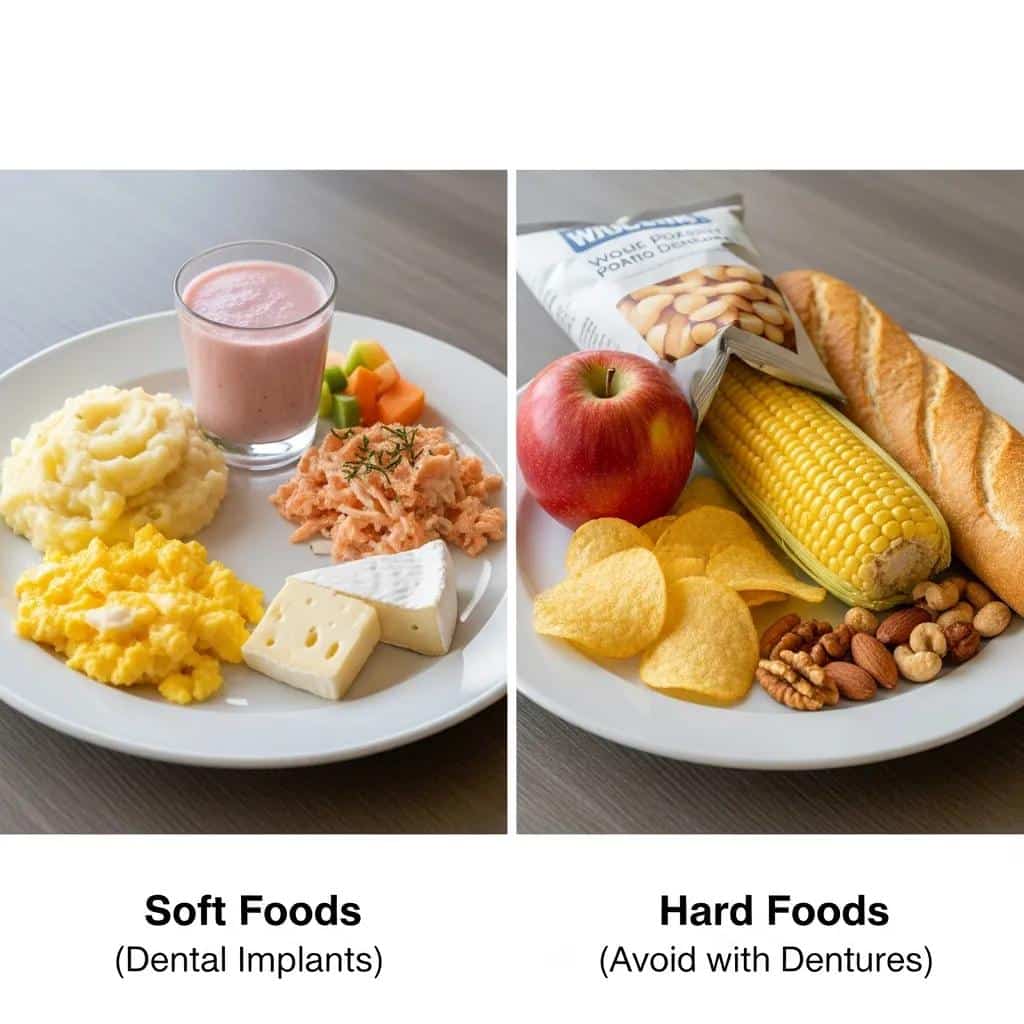
After dental implant surgery, patients are often advised to follow specific dietary restrictions to promote healing and avoid complications. These restrictions primarily focus on consuming soft foods and avoiding hard, crunchy, or sticky items that could disrupt the healing process. Adhering to these guidelines is essential for ensuring the success of the implant and minimizing discomfort during recovery.
Which Soft Foods Are Recommended Immediately After Dental Implant Surgery?
Immediately following dental implant surgery, it is crucial to consume soft foods that are easy to chew and swallow. Recommended options include:
Mashed Potatoes: Creamy and easy to eat, they provide comfort and energy.
Yogurt: Soft and nutritious, yogurt can help maintain gut health.
Smoothies: Blended fruits and vegetables offer vitamins without requiring chewing.
Applesauce: A great source of fiber, applesauce is gentle on the mouth.
Soups: Warm, broth-based soups can be soothing and hydrating.
These foods not only ease the eating process but also provide essential nutrients that support healing.
How Long Should You Follow a Soft Food Diet Post-Implant?
The duration of a soft food diet after dental implant surgery can vary based on individual recovery rates. Typically, patients are advised to maintain this diet for about 1 to 2 weeks. However, factors such as the complexity of the surgery, individual healing responses, and the presence of any complications can influence this timeline. Signs that you may be ready to resume a normal diet include reduced swelling and discomfort, as well as the ability to chew without pain.
How Do Dietary Restrictions Differ Between Dental Implants and Dentures?
Understanding the differences in dietary restrictions between dental implants and dentures is essential for patients considering these options. While both require some level of dietary adjustment, the specifics can vary significantly.
What Eating Limitations Are Unique to Dentures Compared to Implants?
Denture wearers often face unique challenges when it comes to dietary choices. Common limitations include:
Hard Foods: Dentures can shift or become dislodged when biting into hard foods, making it necessary to avoid items like nuts and hard candies.
Sticky Foods: Foods such as caramel or taffy can adhere to dentures, complicating the eating experience and potentially causing discomfort.
Tough Meats: Chewing tough cuts of meat can be difficult, leading to frustration and potential damage to the dentures.
These limitations can affect the overall enjoyment of meals and may require denture wearers to adapt their diets more significantly than those with implants.
Can You Eat Normally Sooner With Dental Implants Than Dentures?
Patients with dental implants often find that they can return to a normal diet sooner than those with dentures. This is primarily because implants are anchored directly into the jawbone, providing stability and allowing for more natural chewing. Typically, patients can begin to reintroduce firmer foods within 2 to 4 weeks, depending on their healing progress. In contrast, denture wearers may need to wait longer before attempting to eat harder foods comfortably.
What Are the Post-Operative Eating Guidelines for Dental Implants?
Following dental implant surgery, adhering to specific eating guidelines is crucial for a smooth recovery. These guidelines help minimize discomfort and promote healing.
Which Foods Should Be Avoided Immediately After Implant Surgery?
Certain foods should be strictly avoided immediately after implant surgery to prevent complications. These include:
Hard Foods: Items like nuts, chips, and raw vegetables can cause pain and disrupt the healing process.
Spicy Foods: Spices can irritate the surgical site, leading to discomfort.
Alcohol: Alcohol can interfere with healing and should be avoided during recovery.
By steering clear of these foods, patients can enhance their recovery experience and support the success of their dental implants.
When Can You Resume a Regular Diet After Dental Implant Placement?
The timeline for resuming a regular diet after dental implant placement varies among individuals. Generally, patients can expect to transition back to their normal eating habits within 4 to 6 weeks, provided they follow their dentist’s recommendations and monitor their healing progress. Factors such as the complexity of the procedure and individual healing rates will influence this timeline.
How Does Diet Impact the Healing Process After Tooth Replacement?
Diet plays a significant role in the healing process following tooth replacement procedures. Proper nutrition can enhance recovery and support overall oral health.
Why Is a Soft Food Diet Important for Implant Success?
A soft food diet is essential for implant success as it minimizes stress on the surgical site. Soft foods reduce the risk of dislodging the implant and allow for proper healing of the surrounding tissues. Additionally, consuming nutrient-rich soft foods can provide the vitamins and minerals necessary for optimal recovery.
What Are the Risks of Ignoring Dietary Restrictions Post-Implant?
Ignoring dietary restrictions after dental implant surgery can lead to several complications, including:
Delayed Healing: Consuming hard or irritating foods can prolong recovery time.
Implant Failure: Dislodging the implant can result in failure, necessitating further surgical intervention.
Increased Discomfort: Eating inappropriate foods can lead to pain and discomfort during the healing process.
By adhering to dietary guidelines, patients can significantly reduce these risks and promote a successful recovery.
What Are the Long-Term Dietary Considerations for Dental Implants vs. Other Tooth Replacements?
Long-term dietary considerations differ between dental implants and other tooth replacement options, such as dentures. Understanding these differences can help patients make informed choices about their diets.
Are There Permanent Eating Restrictions With Dental Implants?
While dental implants are designed to function like natural teeth, some patients may experience long-term dietary recommendations to avoid particularly hard or sticky foods that could damage the implant crown or surrounding teeth. However, many patients find that they can enjoy a wide variety of foods without significant limitations.
How Do Dentures Affect Daily Eating Habits Compared to Implants?
Denture wearers often face more significant dietary restrictions than those with dental implants. The need to avoid hard, sticky, or tough foods can lead to a more limited diet and may require careful planning to ensure nutritional needs are met. In contrast, dental implant patients typically enjoy greater freedom in their food choices, allowing for a more varied and satisfying diet.
How Can You Manage Eating Comfortably During the Recovery Period?
Managing dietary restrictions during the recovery period can be challenging, but there are strategies to make the process easier.
What Tips Help Adjust to Dietary Restrictions After Implant Surgery?
To adjust to dietary restrictions after implant surgery, consider the following tips:
Plan Meals: Prepare soft food options in advance to ensure you have suitable meals ready.
Stay Hydrated: Drink plenty of fluids to aid digestion and overall health.
Experiment with Textures: Try different soft food textures to find what is most comfortable for you.
These strategies can help ease the transition to a soft food diet and support a smoother recovery.
Which Nutrient-Rich Soft Foods Support Healing?
Incorporating nutrient-rich soft foods into your diet can enhance healing. Some excellent options include:
Avocado: Packed with healthy fats and vitamins, avocados are easy to mash and consume.
Eggs: A great source of protein, eggs can be prepared in various soft forms, such as scrambled or poached.
Oatmeal: Rich in fiber and easy to digest, oatmeal provides sustained energy and comfort.
Including these foods in your diet can support your recovery and overall health.
What Are the Common Myths About Diet After Dental Implants and Other Tooth Replacements?
Several myths surround dietary restrictions after dental implants and other tooth replacements. Debunking these misconceptions can help patients make informed decisions.
Is It True That You Must Avoid Hard Foods Forever With Implants?
One common myth is that individuals with dental implants must avoid hard foods indefinitely. In reality, most patients can gradually reintroduce hard foods into their diets as they heal and as the implant integrates fully with the bone. However, it is essential to listen to your body and consult with your dentist regarding any specific concerns.
Do Dentures Always Limit Your Food Choices?
Another misconception is that dentures severely limit food choices. While it is true that denture wearers must be cautious with certain foods, many can still enjoy a wide variety of meals. With proper care and adaptation, denture wearers can maintain a satisfying diet.
Food Type
Recommendation
Timing
Soft Foods
Recommended immediately after surgery
First 1-2 weeks
Hard Foods
Avoid until healing is complete
4-6 weeks
Nutrient-Rich Foods
Incorporate for optimal recovery
Ongoing
This table summarizes the dietary recommendations for patients recovering from dental implant surgery, highlighting the importance of soft foods in the initial recovery phase and the gradual reintroduction of harder foods as healing progresses.
In conclusion, understanding dietary restrictions after dental implants and other tooth replacements is vital for a successful recovery. By following the recommended guidelines and being mindful of food choices, patients can enhance their healing process and enjoy a satisfying diet.