What Is the Lifespan of a Well-Treated Dental Implant?
Introduction
Dental implants have revolutionized modern dentistry by providing a reliable, aesthetically pleasing alternative to traditional dentures and bridges. Patients in their 40s to 60s, looking to restore their smile and regain confidence, are increasingly choosing dental implants over less permanent solutions. The longevity of these implants is a common concern—how long can they last once properly installed and maintained? The answer depends on various factors including the quality of the dental work, patient adherence to proper oral hygiene practices, and underlying health conditions. A well-treated dental implant, when managed with proper care, can endure for many years, and in some cases, may even last a lifetime. This article explores the expected durability of dental implants through a detailed look at longevity factors such as osseointegration, bone quality, the design of implant posts and crowns, and the importance of professional aftercare.
One of the central pillars of implant longevity is osseointegration—a biological process where the implant fuses with the jawbone, securing it in place and providing a stable base for a prosthetic tooth. Inflammation, bone resorption, and gum health are additional concerns that can affect the implant’s survival. Patients with chronic conditions such as diabetes or those who engage in lifestyle choices like smoking may experience a reduced implant lifespan. Modern dental technology and surgical expertise have considerably improved implant success rates, often exceeding 95% over a 10-year period. With proper maintenance and regular dental check-ups, many implants continue to function successfully long after the initial procedure.
The purpose of this article is to provide dental patients a comprehensive understanding of the lifespan of dental implants and the multiple factors that influence their durability. We will delve into the typical lifespan of implants supported by clinical data, explore how individual choices and oral hygiene play a role, and discuss advanced treatment options available in Mansfield. By the end of our discussion, readers will be empowered with the knowledge needed to make informed decisions regarding their dental care and feel confident about the longevity of their investment in well-treated dental implants.
Transitioning into the main discussion, the following key takeaways encapsulate the primary points of our examination.
Key Takeaways
Dental implants typically have a high success rate and can last decades when properly cared for.
Critical factors such as osseointegration, oral hygiene, bone quality, and lifestyle choices directly influence implant longevity.
Modern dental technology and skilled implant placement in Mansfield contribute to optimal outcomes.
Regular professional maintenance and appropriate aftercare are essential to prolong the lifespan of dental implants.
Understanding the Expected Durability of Dental Implants
The durability of dental implants is a subject of pivotal interest among patients seeking long-term solutions for tooth loss. Dental implants are engineered to mimic natural tooth roots, and when integrated optimally with the jawbone, they may last many years. Typically, the expected lifespan ranges from 10 to 25 years, with many implants performing even longer if well-maintained. Clinical studies indicate that when factors such as osseointegration and proper oral hygiene are managed effectively, implants exhibit success rates exceeding 95% at 10 years and 85% at 20 years.
Typical Lifespan Range for Dental Implants
Implants generally have a lifespan that can be divided into short-term and long-term success. Short-term, within the first few years, depends largely on the successful initial osseointegration of the implant with the jawbone—this critical process takes several weeks post-surgery. Long-term durability then depends on continuous maintenance, regular dental visits, and the absence of significant negative lifestyle factors such as smoking. Some studies have demonstrated that in a stable environment with minimal bone resorption and solid integration, dental implants may function well for decades, and in some cases, their lifespan may essentially match that of the patient’s life expectancy.
Success Rates of Dental Implants Over 10 and 20 Years
The clinical success of dental implants is frequently evaluated by long-term survival rates. A 10-year study typically reports success rates above 90%, while 20-year follow-ups have shown that implants can remain functional in over 80% of cases. These success statistics are driven by meticulous implant planning, the use of high-grade titanium alloy, and modern surface treatments that promote rapid osseointegration. The overall prognosis is further enhanced by the patient’s commitment to maintaining good oral hygiene and avoiding habits that could accelerate wear and inflammation.
Distinguishing Longevity: Implant Post Versus Crown
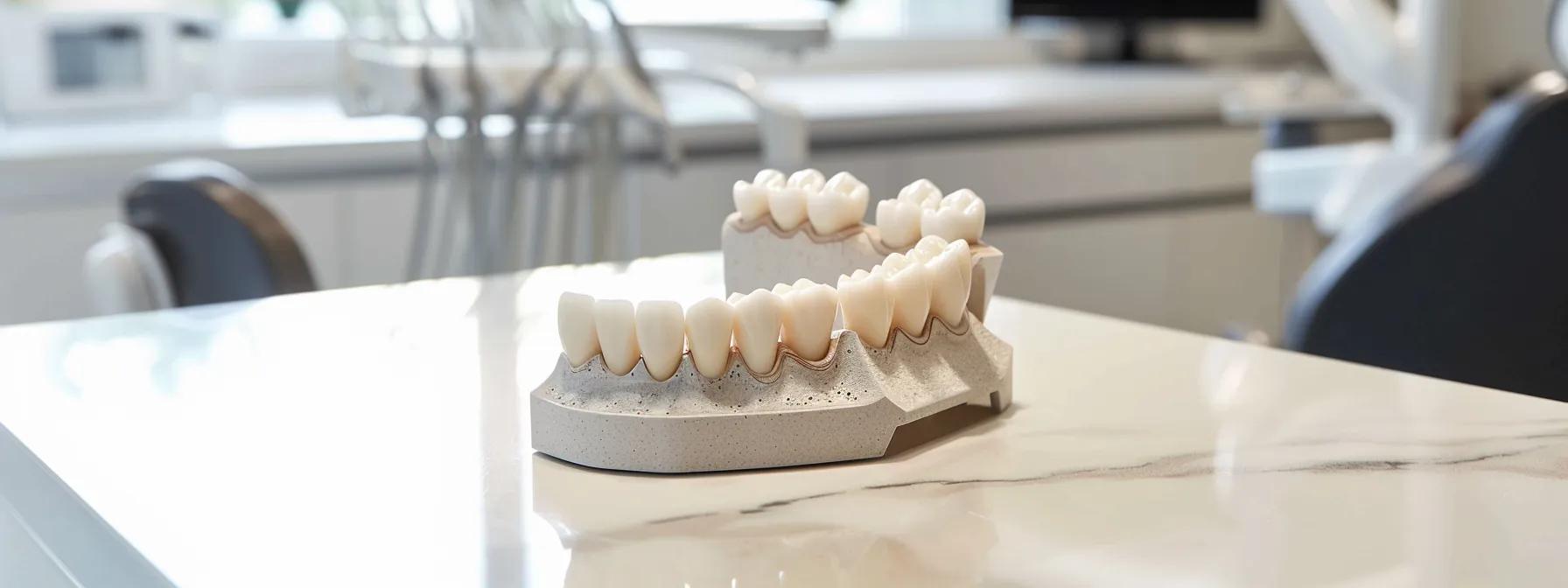
A critical distinction in evaluating dental implant durability is understanding the longevity of the implant post in contrast to the crown restoration. The implant post itself—the part surgically placed into the bone—can often last a lifetime if complications are minimal. Meanwhile, the crown, which serves as the visible tooth, might require replacement every 10 to 15 years due to normal wear, chipping, or aesthetic issues. Patients should be aware that while the underlying implant may remain firmly secure, periodic crown replacement is advisable to ensure optimal function and appearance.
How Osseointegration Contributes to Dental Implant Stability
Osseointegration is the process by which the implant becomes directly attached to the jawbone without intervention from soft tissue. In the initial weeks following placement, bone cells proliferate and adhere to the implant’s surface, a process that is critical for stability and load-bearing capacity. The success of osseointegration is influenced by both the implant material and the surgical technique used. Modern implants often feature micro-textured surfaces that enhance bone adhesion, thereby reducing micromovements that can lead to implant failure. This integration also helps distribute mechanical stresses evenly, reducing the likelihood of bone resorption and maintaining long-term implant stability.
The Potential for Dental Implants to Last a Lifetime
In ideal conditions, dental implants have the potential to serve patients for their entire lives. While their longevity greatly depends on proper placement, quality materials, and the patient’s adherence to a preventive dental care regimen, a well-treated dental implant can be as enduring as natural teeth. Studies involving patients with excellent oral hygiene and regular follow-ups have revealed cases where implants have functioned seamlessly for more than 30 years, reinforcing the notion that with careful maintenance, lifetime success is achievable.
Critical Factors Influencing How Long Your Dental Implants Endure
Patients often worry about the variables that might shorten the lifespan of their dental implants. Numerous factors—from everyday oral hygiene practices to lifestyle choices and systemic health conditions—play a significant role in determining how long an implant will last. Understanding these factors helps both patients and dental professionals to create targeted strategies for achieving longevity.
The Impact of Oral Hygiene Practices on Implant Health
Maintaining rigorous oral hygiene is essential for the longevity of dental implants. Brushing at least twice a day with a soft-bristle toothbrush, flossing daily, and using an antimicrobial mouth rinse can considerably reduce plaque accumulation and inflammation around the implant site. Poor hygiene can lead to peri-implant diseases, where bacteria-induced inflammation jeopardizes the bone-implant interface. Regular professional cleanings complement daily routines by removing hard-to-reach deposits, thus mitigating the risk of gum recession and bone resorption. Patients who integrate effective oral care practices tend to experience significantly fewer complications over the years.
Bone Density and Quality as a Foundation for Longevity
The success of dental implants is heavily contingent upon the density and quality of the bone into which they are placed. Sufficient bone mass not only supports the implant but also ensures that the load is properly distributed during mastication. In cases where bone quality is compromised due to aging or disease, pre-implant procedures such as bone grafting or sinus lifts may be required. These procedures help improve the bone’s structural integrity, thereby enhancing the chances of successful osseointegration. Research demonstrates that implants placed in high-density bone environments tend to have superior survival rates, underscoring the importance of a solid foundation.
Lifestyle Choices That Affect Dental Implant Survival (e.g., Smoking, Diet)
Lifestyle choices are among the most controllable factors affecting implant longevity. Smoking, for example, has been repeatedly shown to diminish the success rate of implants by interfering with blood flow and healing. Likewise, a nutrient-poor diet lacking adequate calcium and vitamin D can compromise bone health. By contrast, a balanced diet rich in vitamins and minerals supports both the immune system and bone stability. Regular exercise and weight management further contribute to overall oral health. Adopting a lifestyle that minimizes negative factors while enhancing body-wide health can substantially extend the functional lifespan of dental implants.
Influence of Overall Health Conditions (e.g., Diabetes)
Systemic health conditions such as diabetes exert a profound influence on dental implant outcomes. Poorly controlled diabetes impairs wound healing and increases susceptibility to infections, both of which are detrimental to the success of osseointegration. Conversely, patients who manage their blood sugar levels effectively exhibit more favorable healing responses and higher implant success rates. Other conditions, including osteoporosis and cardiovascular disease, may also compromise implant stability. A comprehensive preoperative evaluation and robust health management plan are critical to minimizing these risks and ensuring long-term success.
The Significance of Implant Material and Design
Dental implants are predominantly made from titanium or titanium alloys due to their biocompatibility and strength. Advancements in implant technology have led to the development of surface treatments that promote osseointegration and reduce the chances of bacterial colonization. The design of the implant, from its thread pattern to its diameter, can influence the distribution of stress and the ease of integration with the jawbone. Implants constructed with precision engineering and innovative surface technology exhibit higher early stability, reducing the risk of micro-movements that could otherwise lead to implant failure. Selecting the appropriate implant type for each patient’s unique bone structure and dental needs is paramount for achieving lasting results.
The Role of Consistent Care in Maximizing Your Dental Implant’s Lifespan
Consistent and dedicated care is indispensable for extending the longevity of dental implants. While the initial procedure sets the foundation, long-term success hinges on a rigorous aftercare regime that combines daily maintenance with regular professional check-ups.
Recommended Daily Oral Hygiene for Dental Implants
Daily oral hygiene routines serve as the first line of defense against plaque and bacterial buildup on and around dental implants. Patients are advised to brush gently with a soft-bristle toothbrush or an electric toothbrush designed for sensitive areas. Using interdental brushes or water flossers helps access tight spaces that can harbor bacteria. Regular use of antimicrobial rinses can further safeguard against infections that might lead to peri-implantitis. Emphasizing consistency in these practices not only maintains implant health but also promotes overall oral cleanliness.
Importance of Regular Professional Check-Ups and Cleanings
Routine dental visits are crucial to detect issues early before they escalate into significant problems. During these examinations, dental professionals assess the integrity of the implants, the condition of the gingival tissues, and the status of surrounding bone structures. Professional cleanings remove calculus and any stubborn plaque that brushing and flossing might miss. Early detection of peri-implant inflammation can lead to timely interventions, significantly increasing the implant’s longevity. A scheduled maintenance plan with your Mansfield dental team ensures that any small concerns are addressed promptly, preventing future complications.
Using Appropriate Cleaning Aids for Dental Implants
Alongside conventional brushes and floss, specialized cleaning aids are available to address the unique requirements of dental implants. Ultrasonic scalers and air polishers are frequently used by dental hygienists for safe, effective plaque removal. Patients can benefit from tailored home-care products, such as implant-safe toothpaste and interdental brushes designed specifically for implant cleaning. These aids help reduce the mechanical wear on implants while effectively maintaining a clean environment. Adapting your oral care kit to include these specialized tools can further enhance implant longevity by minimizing the risk of gum irritation and plaque accumulation.
Protecting Implants From Damage (e.g., Night Guards for Bruxism)
For patients prone to bruxism or nighttime teeth grinding, the use of night guards is essential to protect dental implants from excessive stress and potential fractures. Bruxism can generate forces that are significantly higher than normal biting pressure, leading to micro-movements or even damage to the implant and its prosthetic crown. Custom-fitted night guards, provided by your dental team, cushion the impact and protect the implant structure. This preventive measure is particularly important for those with a history of dental trauma or where the implant is supporting heavier restorations. Regular evaluations of night guard fit and condition further ensure that implants remain undisturbed by excessive mechanical forces during sleep.
Dietary Considerations for Long-Term Implant Success
Diet plays a significant role in maintaining the overall environment surrounding dental implants. Nutrient-rich foods high in calcium, vitamin D, and phosphorus support bone health and aid in preserving the integrity of the osseointegration process. Conversely, frequent consumption of sugary or acidic beverages can contribute to plaque formation and erosion of the surrounding tissues. Patients should also consider the timing of meals to avoid putting undue stress on newly placed implants during the healing phase. A balanced diet combined with proper oral hygiene creates an optimal environment for the implant to function over the long term.
Identifying Potential Threats to Your Dental Implant’s Longevity
Even with proper care, certain threats can undermine the long-term success of dental implants. Recognizing these potential issues early can help patients and dental professionals take corrective actions to prevent irreversible damage.
Recognizing Signs of Peri-Implantitis
Peri-implantitis, an inflammatory condition affecting the soft and hard tissues surrounding dental implants, is a significant threat to implant longevity. Early symptoms include redness, swelling, bleeding during brushing, and a pocketing effect around the implant. If left untreated, peri-implantitis can lead to bone loss, compromising the implant’s stability. Regular check-ups and professional assessments are crucial for early detection. Dental imaging and clinical evaluations can help monitor minor changes and intervene before the condition worsens.
Understanding Causes of Early and Late Implant Failure
Implant failure can occur at different stages, categorized as early or late failure. Early failure generally occurs before or shortly after the implant has integrated due to infection, poor bone quality, or technical errors during placement. Late failure, on the other hand, is often associated with factors such as peri-implantitis, excessive mechanical stress, or prolonged non-compliance with oral hygiene practices. Recognizing the multifactorial nature of implant failure encourages responsible care and timely interventions that can mitigate the progression of issues leading to failure.
How Physical Trauma Can Affect Dental Implants
Physical trauma, even minor blows to the face or jaw, can disrupt the osseointegration of dental implants or damage the surrounding bone structure. Injuries resulting from accidents or sports can create shocks that the implant may not be able to absorb. Patients engaged in contact sports or high-risk activities are advised to wear protective mouthguards during physical exertion. Consistent reinforcement through protective measures helps reduce the risk of trauma-induced complications, safeguarding the stability of the implant over time.
The Risks Associated With Poorly Fitted Restorations
The precision of the prosthetic components that attach to the implant is fundamental for its longevity. Poorly fitted crowns or bridges can lead to improper load distribution, causing micro-movements and localized stress. These mechanical discrepancies may initiate inflammatory processes in the supporting tissues or accelerate wear on the implant components. Regular evaluation and precise adjustments by a skilled dentist ensure that the restoration fits perfectly. This reduces the risk of complications and enhances the functional and aesthetic outcomes of the implant.
Consequences of Neglecting Gum Health Around Implants
Gum health is integral to maintaining the stability of dental implants. Neglecting the gingival tissue around an implant can lead to progressive recession and inflammation, paving the way for bacterial invasion and peri-implant diseases. Maintaining healthy gums requires a combination of daily hygiene practices and prompt professional treatment for any signs of gum disease. Proactive measures—like using specially formulated mouth rinses and routine periodontal evaluations—play a decisive role in preserving the peri-implant tissues, ensuring that the implant remains well-supported throughout its functional life.
How Expert Dental Implant Services in Mansfield Contribute to Durability
Expert dental implant services in Mansfield help maximize the lifespan of dental implants by combining advanced technology with personalized care. Patients who choose a skilled Mansfield dentist benefit from precise surgical techniques, customized treatment plans, and state-of-the-art technology that improves osseointegration and overall implant stability. These expert services lower the risk of complications and ensure that implants are placed with the highest degree of accuracy.
Choosing a Skilled Implant Dentist in Mansfield for Optimal Outcomes
A critical determinant of implant longevity is the expertise of the implant dentist. In Mansfield, patients have access to professionals who are not only trained in the latest implant technologies but are also experienced in handling a wide range of dental scenarios. A skilled dentist performs detailed evaluations, including assessments of bone density and overall oral health, to determine the most appropriate treatment plan. This level of personalized care and technical precision increases the odds of achieving successful osseointegration and long-term implant stability.
The Importance of Precise Implant Placement Techniques
Precision in implant placement is paramount for setting the stage for a lifetime of functionality. Experienced dentists in Mansfield employ cutting-edge imaging techniques, such as cone-beam computed tomography (CBCT), to conduct thorough diagnostics before surgery. This allows for the accurate mapping of bone structure and optimal implant positioning. Precise placement minimizes the risk of complications like nerve damage or poor integration, thereby ensuring that the implant will be securely anchored in the jawbone for many years.
Comprehensive Consultation and Treatment Planning in Mansfield
A comprehensive consultation process is essential for tailoring the implant procedure to each patient’s unique anatomy and clinical situation. In Mansfield, dental professionals conduct extensive treatment planning sessions that include digital imaging, bone density analysis, and collaborative discussions regarding lifestyle factors and expectations. This multi-faceted approach not only builds trust between the patient and the dental team but also lays the groundwork for a highly personalized and successful treatment outcome. Strategic planning helps address any potential complications before they arise and sets practical expectations regarding implant longevity.
Advanced Technology Utilized for Dental Implants in Mansfield
State-of-the-art technology is a cornerstone of modern dental implantology. Dental practices in Mansfield invest in advanced digital planning tools, surgical guides, and high-precision implant systems that enhance the overall accuracy and efficiency of implant placement. Additionally, implant surface modifications and bioactive coatings have been developed to improve osseointegration, reducing the time required for healing and increasing long-term stability. These technological advancements ensure that the dental implants not only fit perfectly but also integrate seamlessly with the bone, providing a reliable foundation for prostheses.
Long-Term Aftercare and Support From Your Mansfield Dental Team
Long-term success is not solely determined by the initial procedure; it also relies heavily on aftercare and ongoing support. Mansfield dental teams provide robust post-operative care that includes regular check-ups, professional cleanings, and maintenance advice. They educate patients on proper home care techniques and may offer customized therapy solutions, such as night guards for those prone to bruxism. This continuous, collaborative approach ensures any issues are detected early and addressed promptly, significantly reducing the likelihood of implant complications over time.
Comparing Dental Implant Lifespan to Alternative Tooth Replacements
When considering tooth replacement options, dental implants often stand out for their longevity, functionality, and aesthetic benefits. Compared to traditional bridges and dentures, dental implants provide a more permanent and stable solution, which can significantly impact both oral health and overall quality of life.
Longevity of Dental Implants Versus Traditional Bridges
Dental implants offer a superior lifespan compared to traditional bridges because they fuse directly to the bone. Traditional bridges, which rely on the support of adjacent teeth, may require replacement every 10 to 15 years due to wear and underlying decay on supporting teeth. In contrast, dental implants, when properly cared for, have a long-term survival rate that often extends beyond 20 years. This higher durability makes implants a cost-effective investment over time, despite the higher initial expense. Moreover, implants prevent the deterioration of adjacent teeth, preserving natural dental structures and ensuring long-term oral health.
Durability of Dental Implants Compared to Dentures
Dentures, while providing a less invasive option for tooth replacement, tend to have inherent limitations in terms of comfort, stability, and bone preservation. Removable dentures can slip and may require frequent adjustments or replacements as the jawbone resorbs over time. Dental implants, on the other hand, provide a fixed solution that mimics natural tooth function. They stimulate the bone just like natural teeth, reducing bone loss and providing superior mastication efficiency. The permanence, stability, and functional benefits of implants contribute significantly to overall patient satisfaction and improved quality of life.
Cost-Effectiveness of Dental Implants Over Time Due to Lifespan
Even though dental implants typically involve a higher upfront cost compared to traditional bridges or dentures, their long-term cost-effectiveness is profound. The fewer replacement needs, coupled with the prevention of additional dental issues, contribute to lower overall maintenance expense. Studies show that over a period of 20 years, the cumulative costs associated with dentures or bridges often surpass those of dental implants. Additionally, the improvement in quality of life and the reduction in adverse health effects from unstable dentures further justify the higher initial investment in implants.
Functional and Health Benefits Influencing Long-Term Preference for Implants
Dental implants not only restore functionality but also offer significant health benefits. They maintain jawbone density, promote proper facial structure, and prevent the complications associated with tooth loss, such as shifting adjacent teeth or gum recession. Implants also provide superior chewing efficiency compared to dentures, which is essential for proper digestion and overall nutritional status. Furthermore, the stability of implants enhances speech and reduces discomfort, allowing patients to enjoy a more natural and confident smile. These factors collectively lead many patients, particularly those in their 40s to 60s, to prefer implants as a permanent solution to tooth loss.
Why Dental Implants Often Represent a More Permanent Solution
The convergence of consistent care, advanced technology, and thoughtful treatment planning makes dental implants one of the most enduring solutions in modern dentistry. Unlike other tooth replacement methods that require periodic adjustments or replacements, implants serve as a stable and permanent fixture in the mouth. Their ability to integrate seamlessly with the bone—not only restoring function but also promoting natural bone maintenance—offers patients a lasting solution that stands the test of time. The high success rates, combined with ongoing advancements in dental materials and surgical techniques, reinforce the status of dental implants as the gold standard in tooth replacement.
Table: Comparison of Tooth Replacement Options
Before discussing further, the following table summarizes key attributes of dental implants compared to traditional bridges and dentures.
Replacement Method
Estimated Lifespan
Impact on Bone Health
Stability & Functionality
Replacement Frequency
Dental Implants
20+ years
Promotes osseointegration; preserves bone
Fixed, natural feel, excellent chewing efficiency
Rare; often lifetime solution
Traditional Bridges
10-15 years
May lead to decay in adjacent teeth
Supported by neighboring teeth, less natural feel
Replacement every 10-15 years
Dentures
5-10 years
Can accelerate jawbone resorption
Removable, can cause slippage and discomfort
Frequent adjustments required
Overdentures (Implant-Supported)
10-15 years
Improved support; helps maintain bone density
More stable than conventional dentures
Replacement of dentures frequently
The table above provides a clear comparison, highlighting that dental implants not only offer higher durability but also contribute positively to overall oral health. These factors, combined with the reduced need for maintenance and replacement, position implants as the preferred solution for many patients seeking permanence and functionality.
Final Thoughts
Dental implants provide a reliable, long-lasting solution for restoring a confident smile. When treated properly, with emphasis on osseointegration, regular maintenance, and healthy lifestyle choices, implants can last decades or even a lifetime. The advanced technologies and expert dental care available in Mansfield further enhance longevity and ensure successful outcomes. Patients who opt for dental implants can appreciate the value and long-term benefits that far outweigh those of traditional bridges and dentures.
Frequently Asked Questions
Q: What is the main factor that determines the lifespan of a dental implant? A: The primary factor is successful osseointegration, where the implant fuses with the jawbone. Consistent oral hygiene, proper implant placement, and regular professional check-ups further support long-term durability. Ensuring that the implant is surrounded by healthy bone and gum tissue is essential for its extended lifespan.
Q: How does poor oral hygiene affect the longevity of dental implants? A: Poor oral hygiene can lead to the buildup of plaque and bacteria around the implant, resulting in inflammation (peri-implantitis) that can cause bone loss. This compromises the stability of the implant and may lead to early failure. Regular brushing, flossing, and professional cleanings are critical to reducing these risks and ensuring long-term success.
Q: Can dental implants really last a lifetime when properly maintained? A: Yes, dental implants have the potential to last a lifetime if they are placed correctly and maintained with rigorous oral hygiene practices. While factors such as aging and certain lifestyle habits may impact their longevity, many patients enjoy their implants for decades, owing to advanced materials and consistent aftercare provided by skilled dental professionals.
Q: What lifestyle changes can help improve the lifespan of dental implants? A: Lifestyle modifications, such as quitting smoking, maintaining a balanced diet rich in calcium and vitamin D, and managing systemic conditions like diabetes, significantly contribute to implant longevity. Regular exercise and adherence to a proper oral hygiene routine also improve overall health, benefiting the stability and durability of dental implants.
Q: How do dental implants compare to dentures and traditional bridges in terms of maintenance? A: Dental implants require less frequent replacement and maintenance compared to dentures and traditional bridges. Implants are fixed in place, promote bone health through osseointegration, and provide superior function and aesthetics. Dentures, being removable, need periodic adjustments and replacements due to bone resorption, whereas bridges depend on neighboring teeth and may negatively impact overall oral health.
Q: What role does professional care play in ensuring the longevity of dental implants? A: Professional dental care is essential in monitoring implant health and catching potential issues early. Regular check-ups, precise cleanings, and timely interventions by a skilled dentist help prevent complications such as peri-implantitis or poor crown fit, all of which can compromise the implant. Expert care, especially using advanced technologies in Mansfield, contributes significantly to the long-term success of dental implants.
Q: Are there any specific cleaning aids recommended for dental implant maintenance? A: Yes, in addition to a soft-bristle toothbrush and floss, specialized cleaning aids like interdental brushes, water flossers, and implant-safe toothpastes are recommended. These tools help remove plaque from hard-to-reach areas without damaging the implant surface, ensuring that the implant and the surrounding tissues remain healthy over time.