Essential Maintenance Tips for Dental Implants, Bridges, and Dentures: Comprehensive Care Guide
Maintaining dental prosthetics such as implants, bridges, and dentures is crucial for ensuring their longevity and functionality. This comprehensive guide will provide you with essential maintenance tips to keep your dental prosthetics in optimal condition. You will learn about daily care practices, recommended cleaning methods, and the importance of regular checkups. Many individuals face challenges in maintaining their dental prosthetics, leading to discomfort and potential complications. By following these maintenance tips, you can prevent issues and enhance your oral health. This article will cover how to clean and care for dental implants, key maintenance practices for bridges, proper denture care, differences in hygiene practices, signs of prosthetic failure, and strategies for long-term care.
How Should You Clean and Care for Dental Implants Daily?
Cleaning and caring for dental implants daily is essential to prevent plaque buildup and maintain oral hygiene. Dental implants are designed to function like natural teeth, and proper care ensures their longevity. Regular cleaning helps prevent infections and complications, which can arise from neglect. The best practices for daily care include brushing, flossing, and using mouthwash specifically designed for implant care.
Extensive research underscores the critical role of consistent home care and maintenance protocols in ensuring the long-term success of dental implant prostheses.
Home Care & Maintenance Protocols for Implant Prostheses
Clinical studies and reviews that evaluated home care and maintenance protocols for dental implant-supported prostheses (fixed or removable), without language
Maintenance protocols for implant-supported dental prostheses: A scoping review, PM Soares, 2024
What Are the Best Cleaning Methods for Dental Implants?
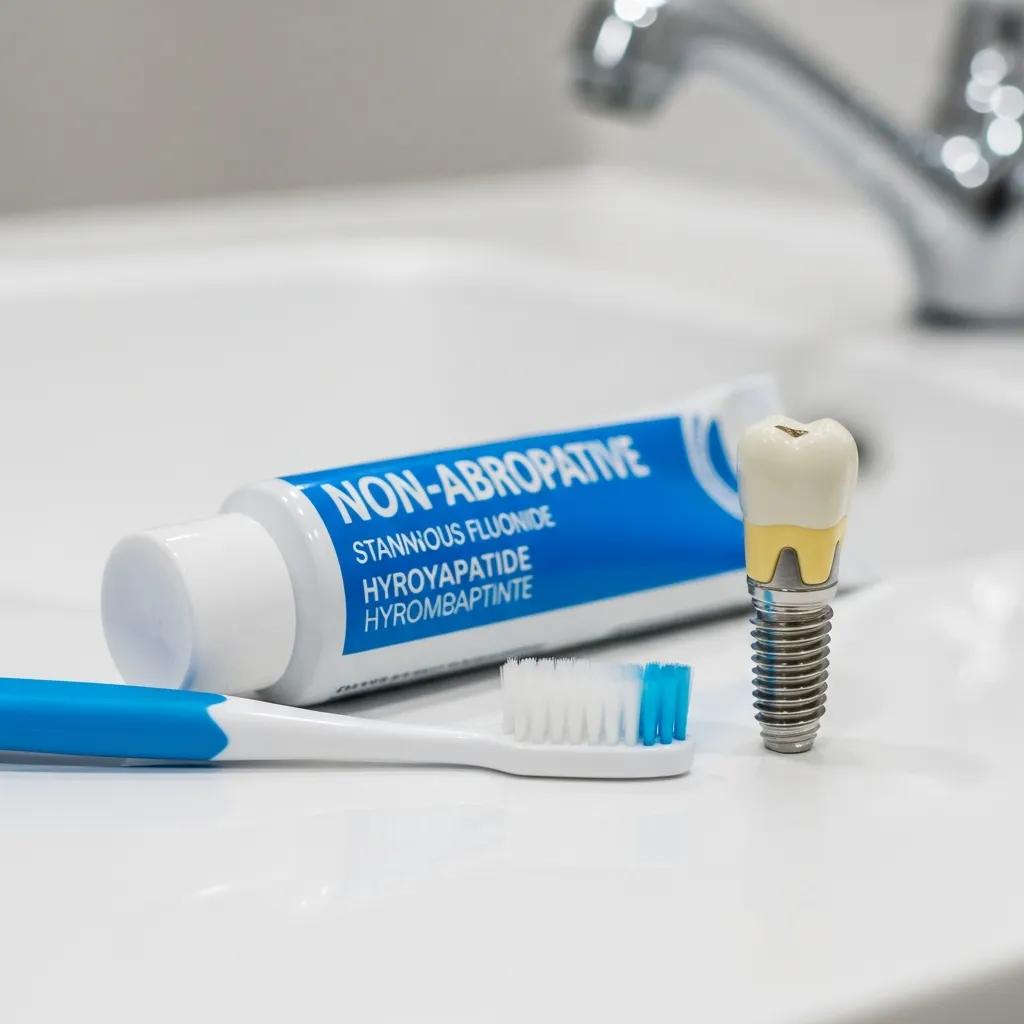
The best cleaning methods for dental implants involve using a soft-bristled toothbrush and non-abrasive toothpaste. It is recommended to brush at least twice a day, focusing on the implant area to remove plaque effectively. Additionally, using an interdental brush or floss designed for implants can help clean hard-to-reach areas. Rinsing with an antibacterial mouthwash can further reduce bacteria and promote oral health.
Which Products Are Recommended for Effective Implant Care?
For effective implant care, consider using products specifically designed for dental implants. Recommended products include:
Non-abrasive toothpaste: Prevents scratching on the implant surface.
Interdental brushes: Helps clean between the implant and adjacent teeth.
Antibacterial mouthwash: Reduces plaque and bacteria in the mouth.
These products can significantly enhance your daily cleaning routine and contribute to the longevity of your dental implants.
What Are the Key Maintenance Practices for Dental Bridges?
Maintaining dental bridges is vital for their durability and functionality. Regular care can prevent complications such as decay or gum disease. Key maintenance practices include routine checkups, proper cleaning techniques, and being aware of signs of wear.
How Often Should You Schedule Professional Checkups for Bridges?
It is advisable to schedule professional checkups for dental bridges at least every six months. During these visits, your dentist can assess the condition of the bridge, check for any signs of wear, and perform necessary cleanings. Regular checkups help identify potential issues early, ensuring that your bridge remains in good condition.
What Cleaning Techniques Extend the Longevity of Bridges?
To extend the longevity of dental bridges, employ the following cleaning techniques:
Daily brushing: Use a soft-bristled toothbrush and fluoride toothpaste.
Flossing: Clean between the bridge and adjacent teeth using dental floss or a floss threader.
Avoiding hard foods: Steer clear of hard or sticky foods that can damage the bridge.
These techniques will help maintain the integrity of your dental bridge and promote overall oral health.
Affordable Dentist Near Me of Waco is a local dental service provider specializing in affordable dental care solutions, including dental implants, bridges, and dentures. They offer maintenance and consultation services to ensure your dental prosthetics remain in excellent condition.
How Do You Properly Clean and Maintain Dentures for Long-Term Use?
Proper cleaning and maintenance of dentures are essential for their longevity and your oral health. Dentures require daily care to prevent stains, odors, and bacterial growth. Establishing a routine for cleaning and storing dentures can significantly enhance their lifespan.
What Are the Most Effective Denture Cleaning Methods?
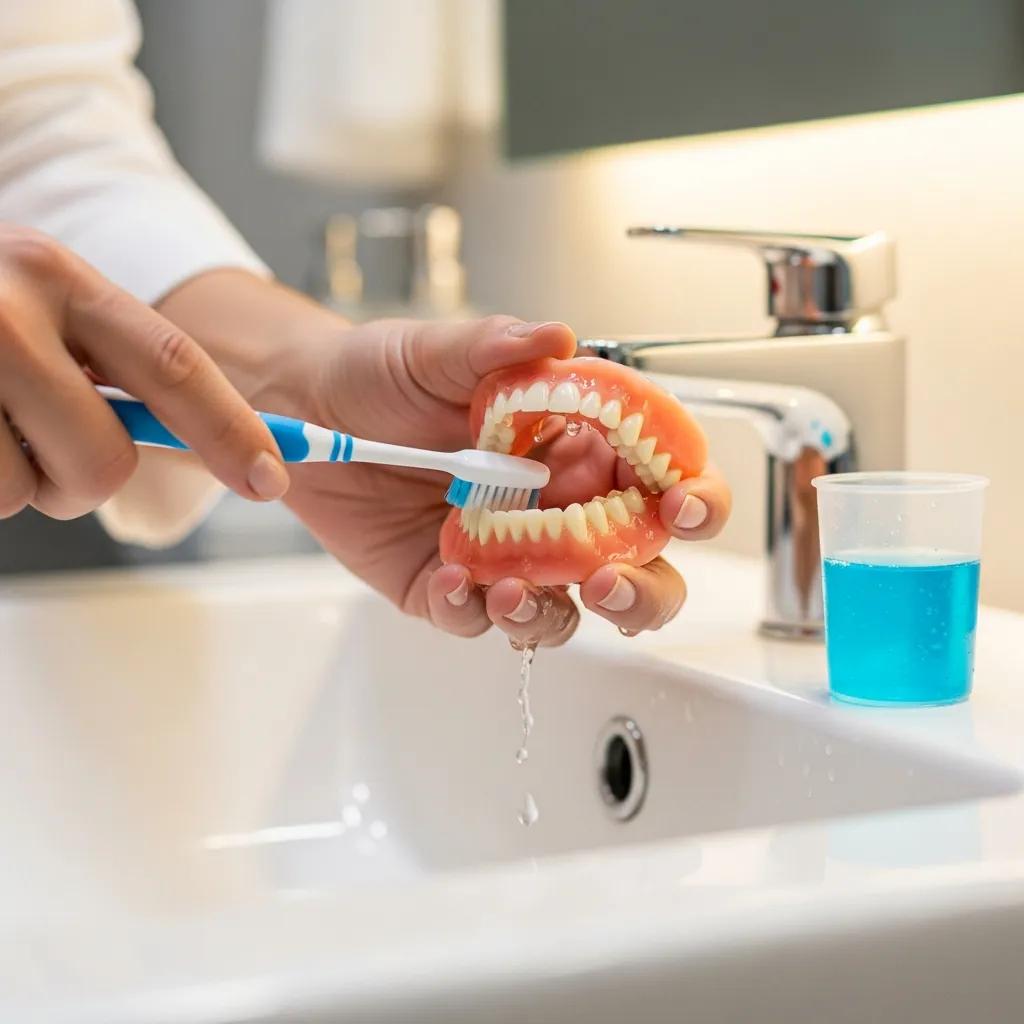
The most effective denture cleaning methods include:
Soaking in a denture cleaner: Use a solution specifically designed for dentures to remove stains and bacteria.
Brushing with a soft brush: Gently brush the dentures with a soft-bristled brush to remove food particles and plaque.
Rinsing thoroughly: After cleaning, rinse the dentures under running water to remove any cleaning solution.
These methods will help keep your dentures clean and fresh, ensuring they remain comfortable and functional.
Further research emphasizes the importance of using non-abrasive cleansers for denture longevity, cautioning against regular toothpaste.
Denture Care: Non-Abrasive Cleansers for Longevity
The use of TP is not recommended as a method for maintaining the longevity of dentures and for oral health, and NAC was considered to be possible to be used as a denture cleanser because it had a similar amount of abrasion of that of DW.
Evaluation of abrasion for non-abrasive denture cleanser, 2021
How and When Should You Use Denture Adhesives?
Denture adhesives can provide additional stability and comfort for denture wearers. It is recommended to use adhesive when:
Eating: To prevent slipping during meals.
Speaking: To enhance confidence while talking.
Daily wear: For added security throughout the day.
When applying adhesive, ensure that the dentures are clean and dry for optimal adhesion. This practice can significantly improve your experience with dentures.
What Are the Differences Between Implant and Bridge Hygiene?
Understanding the differences between implant and bridge hygiene is crucial for maintaining both types of dental prosthetics. Each requires specific care techniques to ensure their longevity and functionality.
How Does Maintenance Frequency Vary Between Implants and Bridges?
The maintenance frequency for implants and bridges differs slightly. Dental implants require daily cleaning similar to natural teeth, while bridges also need regular care but may require more attention to cleaning underneath the pontic (false tooth) area. It is essential to follow your dentist’s recommendations for both types of prosthetics to ensure optimal care.
Which Cleaning Products Suit Implants Versus Bridges?
When it comes to cleaning products, the following recommendations apply:
For Implants: Use non-abrasive toothpaste, interdental brushes, and antibacterial mouthwash.
For Bridges: Opt for fluoride toothpaste, dental floss or floss threaders, and specialized cleaning tools designed for bridges.
Using the appropriate products for each type of prosthetic will help maintain their condition and prevent complications.
What Signs Indicate Prosthetic Failure and When Should You Consult a Dentist?
Recognizing the signs of prosthetic failure is crucial for timely intervention. Early detection can prevent further complications and ensure the longevity of your dental prosthetics.
What Symptoms Suggest Issues with Implants, Bridges, or Dentures?
Common symptoms that may indicate issues with dental implants, bridges, or dentures include:
Pain or discomfort: Persistent pain around the prosthetic area.
Loosening: Any movement or instability of the prosthetic.
Swelling or redness: Inflammation of the gums surrounding the prosthetic.
If you experience any of these symptoms, it is essential to consult your dentist promptly to address potential issues.
How to Schedule a Free Consultation for Personalized Prosthetic Care?
To schedule a free consultation for personalized prosthetic care, contact Affordable Dentist Near Me of Waco. They offer a free consultation to discuss your dental needs and provide tailored advice on maintaining your dental prosthetics. This service encourages patient engagement and ensures you receive the best care possible.
How Can You Optimize Long-Term Care for Dentures, Bridges, and Implants?
Optimizing long-term care for dental prosthetics involves adopting healthy habits and understanding the importance of regular maintenance. By implementing effective strategies, you can enhance the longevity of your dental implants, bridges, and dentures.
What Lifestyle Habits Support Prosthetic Longevity?
Several lifestyle habits can support the longevity of your dental prosthetics:
Balanced diet: Consume a diet rich in vitamins and minerals to support oral health.
Regular dental visits: Schedule checkups to monitor the condition of your prosthetics.
Good oral hygiene: Maintain a consistent oral hygiene routine to prevent complications.
These habits will contribute to the overall health of your dental prosthetics and your oral health.
How Do Recent ADA Statistics Inform Best Maintenance Practices?
Recent information from the American Dental Association (ADA) highlights the importance of regular dental visits and proper hygiene practices. Studies indicate that patients who adhere to recommended maintenance schedules experience fewer complications and enjoy better overall oral health. By following these best practices, you can ensure the longevity and functionality of your dental prosthetics.
Studies further reinforce the significance of consistent dental care, particularly for denture wearers and the elderly, in maintaining oral health and prosthetic longevity.
Regular Dental Check-ups & Denture Cleaning for Elderly
The purpose of this study was to investigate dental care utilization patterns in the elderly and to evaluate factors associated with regular dental check-ups in this age group. Items on the questionnaire included self-reported oral status, use of dentures, oral problems, cleaning of teeth/dentures and dental care utilization patterns.
Dental-care utilization patterns and factors associated with regular dental check-ups in elderly, 2010
Maintenance Practice
Frequency
Recommended Action
Daily Cleaning
Daily
Brush and floss regularly
Professional Checkups
Every 6 months
Schedule visits for assessment
Product Use
Daily
Use recommended cleaning products
This table summarizes essential maintenance practices for dental implants, bridges, and dentures, emphasizing the importance of regular care and professional oversight.
To further assist you, schedule an appointment with our dental professionals for personalized advice.