Understanding Pain Management for Dental Implants: Effective Relief and Recovery Guidance
Undergoing dental implant surgery is a significant step for many seeking to restore their smiles. However, understanding pain management in this context is crucial, as patients often experience discomfort during the healing process. This guide covers essential pain management techniques, factors influencing post-operative pain, and the duration of discomfort, providing insights and strategies for effective relief. As individuals navigate their recovery journey, they can benefit from knowing what to expect regarding pain and healing post-surgery. This article will explore common causes of pain, effective relief options, swelling management techniques, and dietary recommendations following dental implant surgery.
What Causes Pain After Dental Implant Surgery?
Pain after dental implant surgery is a common experience, primarily associated with the body’s healing process. The discomfort can arise from several sources, including inflammation, soft tissue trauma, and nerve sensitivity. Understanding these factors can help patients manage their expectations and approach recovery more effectively.
Which Types of Pain Are Common After Dental Implants?
Post-surgical pain can manifest in various forms. Patients typically experience acute pain directly at the implant site, often accompanied by swelling, bruising, or general discomfort in the surrounding areas. This pain may range from mild to severe, depending on individual pain tolerance and the complexity of the surgery. Furthermore, some patients may notice referred pain, which is discomfort felt in areas adjacent to the surgical site, complicating their overall experience.
How Does the Healing Process Affect Post-Implant Pain?
The healing process significantly impacts the nature and intensity of post-implant pain. Initially, inflammation occurs as the body responds to the surgical intervention, leading to increased sensitivity and discomfort. Over time, as the tissues heal and regenerate, pain levels typically decrease. Understanding these healing stages can guide patients in managing their discomfort and knowing what changes to expect throughout their recovery.
How Long Does Dental Implant Pain Typically Last?
Pain duration varies among patients and is influenced by several factors, including the type of procedure, individual pain threshold, and adherence to post-operative guidelines. Generally, discomfort subsides as healing progresses, allowing patients to return to their normal daily activities without significant pain.
What Is the Normal Duration of Swelling and Discomfort?
Post-surgical swelling and discomfort usually peak within the first 48 hours, gradually diminishing over the next few days. Most patients can expect significant improvement within a week; however, minor residual swelling may persist for up to two weeks. Recognizing these timelines helps set realistic expectations for recovery.
When Does Pain Indicate a Problem?
While some discomfort is expected, certain symptoms may indicate complications requiring medical attention. For example, sharp, lingering pain or swelling that does not improve might signal infection or issues with the implant. It is crucial for patients to monitor their symptoms and consult a dental professional if they have concerns about their recovery.
What Are the Best Pain Relief Options for Dental Implant Recovery?
Effective pain relief is a priority for ensuring a smooth recovery following dental implant surgery. Understanding the available options can empower patients to manage discomfort effectively during the initial healing phase.
Which Medications Are Effective for Managing Implant Pain?
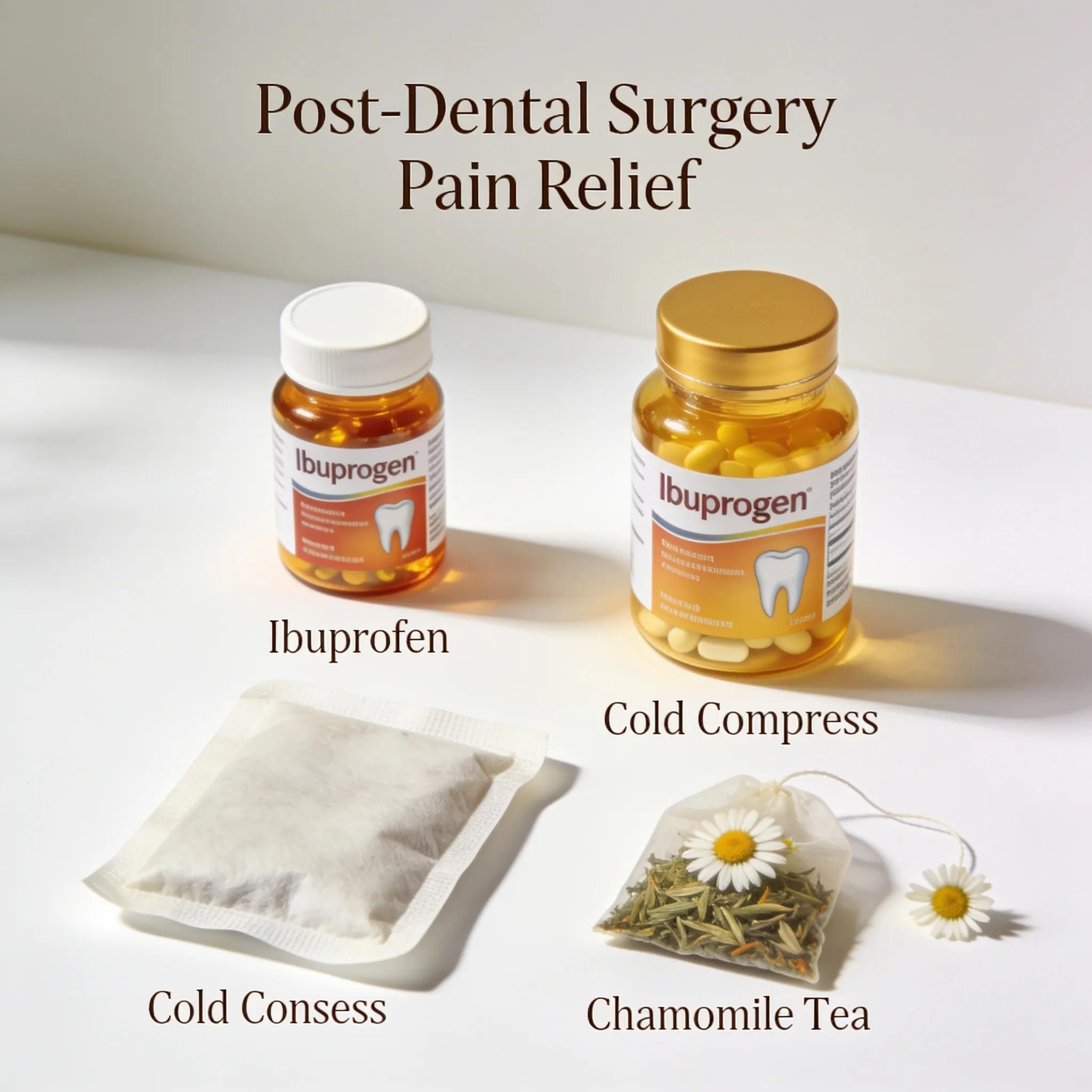
Several classes of medications can alleviate post-implant discomfort. Non-steroidal anti-inflammatory drugs (NSAIDs), such as ibuprofen, are commonly recommended for their effectiveness in reducing pain and inflammation. In cases where over-the-counter options are insufficient, healthcare providers may prescribe stronger analgesics, tailored to individual needs.
What Home Remedies Help Reduce Pain and Swelling?
In addition to medications, home remedies can play a vital role in pain management. Common approaches include applying cold compresses to the surgical area to minimize swelling and discomfort. Herbal rinses, such as chamomile tea, may also offer soothing properties. Each remedy should be approached with caution, and patients are encouraged to discuss home treatment options with their dentist before use.
How Can You Manage Swelling and Bleeding After Dental Implants?
Post-operative care is critical in managing swelling and bleeding, which are common concerns after dental implant surgery. Implementing appropriate strategies can ensure a smoother recovery experience.
Which Techniques Reduce Swelling Effectively?
Several techniques can effectively reduce swelling following surgery. Patients should consider elevating their heads during rest to facilitate better blood circulation. Cold compress applications for 15-20 minutes several times a day can also help decrease inflammation. Additionally, gentle mouth rinsing with salt water can promote healing and further reduce swelling.
What Are Safe Practices for Controlling Bleeding?
Managing bleeding post-surgery is equally important. Patients should avoid strenuous activities and follow dietary restrictions to minimize raw or abrasive foods that could irritate the surgical area. Using gauze pads with gentle pressure can assist in controlling bleeding during the recovery period. Any persistent bleeding should prompt consultation with a dental professional for further evaluation.
When Should You Seek Professional Dental Care for Implant Pain?
Identifying when to seek professional help is an essential aspect of post-operative care. Patients should remain vigilant and aware of potential complications that may arise during their recovery.
What Symptoms Indicate Infection or Complications?
Common indicators of potential complications include swelling or pain that escalates instead of subsiding, persistent bleeding, or unpleasant tastes in the mouth. Patients experiencing fever, chills, or excessive pain should seek immediate dental care to address possible infections or implant failure.
How to Schedule Follow-Up and Consultation Appointments?
Following dental implant surgery, consistent follow-up appointments are advisable to monitor recovery progress. Patients should consult their dental care provider to establish a schedule for necessary assessments, ensuring any complications are addressed promptly. Being proactive in care can significantly improve overall recovery and dental health outcomes.
What Are the Recommended Diet and Activity Guidelines During Dental Implant Recovery?
Diet and activity restrictions play a pivotal role in successful recovery from dental implant surgery. Adhering to recommended guidelines can facilitate healing and enhance comfort.
Which Foods Are Best to Eat After Implant Surgery?
During the initial recovery phase, patients should focus on consuming soft foods that require minimal chewing. Items such as yogurt, mashed potatoes, smoothies, and applesauce are excellent choices, providing essential nutrients while minimizing irritation to the surgical site. Staying hydrated is also crucial to support healing.
What Activities Should Be Limited to Promote Healing?
To ensure optimal recovery, patients are advised to limit rigorous activities for several days following surgery. Strenuous exercise and heavy lifting can increase swelling and potentially disrupt the healing process. Gradually resuming normal activities is recommended as symptoms improve, but patients should listen to their bodies and consult their dental care provider if unsure.
Navigating the recovery period after dental implant surgery involves careful attention to pain management and overall well-being. By understanding what to expect regarding pain, duration, and potential complications, patients can better prepare for their healing journey. Adhering to prescribed medications, utilizing home remedies, and following dietary and activity guidelines are key to a smoother, more comfortable recovery. For comprehensive care and to ensure the best possible outcome for your dental implants, consulting with a dental professional is always recommended. They can provide personalized advice and address any specific concerns you may have throughout the process.
If you are considering dental implants or need further guidance on managing your recovery, it’s essential to connect with experienced dental professionals. They can offer detailed information about the procedure, expected healing timelines, and tailor pain management strategies to your individual needs. For those seeking specialized care and advanced treatment options, exploring the services of a clinic focused on dental implants can provide the confidence and expertise you need.
Taking proactive steps in your recovery, such as following up with your dental provider and adhering to post-operative instructions, is crucial for successful healing and long-term satisfaction with your dental implants. Remember, effective pain relief and proper care are integral parts of achieving a restored smile and optimal oral health.