Dental Implant Longevity Factors: How Your Habits Affect the Lifespan of Implants vs. Other Methods
Dental implants have revolutionized tooth replacement, offering a durable and aesthetically pleasing solution for those with missing teeth. Understanding how various patient habits influence the longevity of dental implants compared to other methods, such as bridges and dentures, is crucial for anyone considering these options. This article will explore the factors that affect the lifespan of dental implants, including oral hygiene, lifestyle choices, and systemic health conditions. By examining these elements, readers will gain insights into how to maximize the longevity of their dental implants and make informed decisions about their dental health. We will also discuss the importance of regular dental check-ups and how they contribute to the success of dental implants.
What Are Dental Implants and How Long Do They Typically Last?
Dental implants are artificial tooth roots, typically made of titanium, that are surgically placed into the jawbone to support replacement teeth or bridges. They are designed to provide a strong foundation for fixed or removable replacement teeth that are made to match natural teeth. The expected lifespan of dental implants can vary based on several factors, including the patient’s oral hygiene, lifestyle choices, and overall health.
What Is the Expected Lifespan of Dental Implants Compared to Bridges and Dentures?
Research indicates that dental implants can last 15 to 25 years or longer with proper care, often lasting a lifetime. This significantly outlasts traditional bridges and dentures, which typically last 5 to 10 years and 5 to 8 years respectively. The longevity of dental implants is largely attributed to their ability to integrate with the jawbone through a process called osseointegration. This process not only stabilizes the implant but also helps preserve jawbone health over time.
How Do Dental Implants Preserve Jawbone Health Over Time?
Dental implants play a crucial role in maintaining jawbone health by stimulating bone growth. When a tooth is lost, the jawbone can begin to deteriorate due to lack of stimulation. Implants provide the necessary stimulation to the bone, preventing bone loss and maintaining facial structure. This long-term benefit is one of the key reasons why dental implants are often preferred over other tooth replacement methods.
How Does Oral Hygiene Impact the Longevity of Dental Implants?
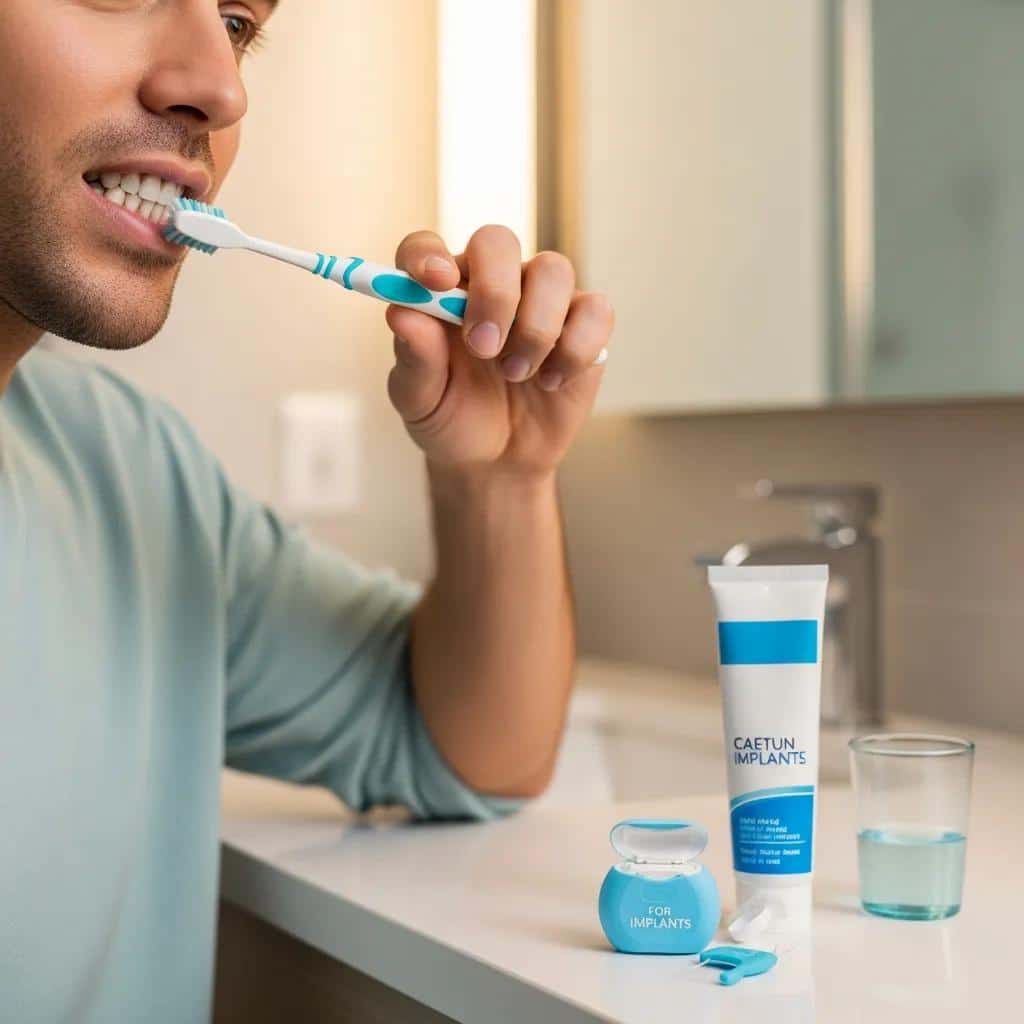
Oral hygiene is a critical factor in the success and longevity of dental implants. Proper care can prevent complications such as peri-implantitis, an inflammatory condition that affects the tissues surrounding the implant.
What Daily Care Practices Promote Implant Health and Prevent Peri-Implantitis?
Brushing Twice Daily: Use a soft-bristled toothbrush and non-abrasive toothpaste to clean around the implant.
Flossing Daily: Flossing helps remove plaque and food particles that can accumulate around the implant.
Using Antimicrobial Mouthwash: This can help reduce bacteria in the mouth and prevent infections.
Why Are Regular Professional Cleanings Essential for Implant Success?
Regular professional cleanings are essential for the long-term success of dental implants. Dentists can remove tartar buildup that regular brushing and flossing may miss. These cleanings also allow for early detection of any potential issues, ensuring that the implants remain healthy and functional.
Further research emphasizes the critical role of consistent supportive therapies in safeguarding dental implants against complications and potential loss.
Preventing Implant Loss: Efficacy of Peri-Implant Therapies
ObjectivesTo study the efficacy of supportive peri-implant therapies in preventing clinical and radiological signs of peri-implantitis and implant loss. Articles were included only if they comprised a group of patients involved in/adhering to regular supportive peri-implant therapies (SPTs) and a control group without such therapies or with poor adherence to them.
The efficacy of supportive peri-implant therapies in preventing peri-implantitis and implant loss: a systematic review of the literature, A Ramanauskaite, 2016
In What Ways Do Smoking and Tobacco Use Affect Dental Implant Success?
Smoking and tobacco use have been shown to negatively impact the success rates of dental implants. The chemicals in tobacco can impair healing and increase the risk of complications.
How Does Smoking Increase the Risk of Implant Failure and Bone Loss?
Smoking reduces blood flow to the gums, which can hinder the healing process after implant surgery. Studies have shown that smokers are more likely to experience implant failure and bone loss compared to non-smokers. The harmful effects of smoking can lead to complications that compromise the stability of the implant.
What Are the Benefits of Quitting Smoking Before and After Implant Surgery?
Reduced Risk of Complications: Lower chances of infection and implant failure.
Long-term Health Benefits: Overall improved oral and systemic health.
How Does Diet and Nutrition Influence the Durability of Dental Implants?
Diet and nutrition play a vital role in the success and longevity of dental implants. A balanced diet supports overall health and can enhance the healing process.
Which Foods Support Bone Health and Implant Integration?
Dairy Products: Milk, cheese, and yogurt provide calcium.
Leafy Greens: Spinach and kale are excellent sources of calcium and other nutrients.
Fatty Fish: Salmon and mackerel are rich in vitamin D, which aids calcium absorption.
What Foods Should Be Avoided to Prevent Implant Damage?
Hard Foods: Nuts and hard candies can put excessive pressure on implants.
Sticky Foods: Caramel and taffy can pull on the implant and surrounding tissues.
Sugary Snacks: These can lead to plaque buildup and increase the risk of gum disease.
What Is Bruxism and How Can It Affect Your Dental Implants?
Bruxism, or teeth grinding, can pose a significant risk to dental implants. The excessive force from grinding can lead to complications.
How Does Teeth Grinding Cause Damage to Implants?
Teeth grinding exerts significant pressure on dental implants, which can lead to loosening or even failure. Over time, this can cause damage to the implant and surrounding bone structure, compromising the stability of the restoration.
What Protective Measures, Like Night Guards, Can Prevent Implant Wear?
Using a night guard can help protect dental implants from the damaging effects of bruxism. Night guards act as a cushion, absorbing the pressure from grinding and preventing wear on the implant and natural teeth.
How Do Systemic Health Conditions Like Diabetes Impact Dental Implant Longevity?
Systemic health conditions, particularly diabetes, can significantly affect the success of dental implants. Patients with uncontrolled diabetes may face increased risks during the healing process.
What Are the Risks of Impaired Healing and Infection in Diabetic Patients?
Diabetes can impair healing and increase the risk of infection, which can jeopardize the success of dental implants. High blood sugar levels can lead to poor circulation and reduced immune response, making it more challenging for the body to heal after surgery.
How Can Patients Manage Health Conditions to Improve Implant Success?
Maintain Blood Sugar Levels: Keeping blood sugar levels within a healthy range is crucial for healing.
Regular Monitoring: Frequent check-ups with healthcare providers can help manage diabetes effectively.
Healthy Lifestyle Choices: A balanced diet and regular exercise can improve overall health and support healing.
Why Are Regular Dental Check-Ups Crucial for Maintaining Implant Longevity?
Regular dental check-ups are essential for monitoring the health of dental implants and ensuring their longevity. These visits allow for professional assessments and timely interventions.
How Do Professional Exams Detect Early Signs of Implant Complications?
During routine check-ups, dentists can identify early signs of complications, such as inflammation or bone loss around the implant. Early detection is key to preventing more serious issues that could lead to implant failure.
What Maintenance Procedures Extend the Life of Dental Implants?
Regular Cleanings: Professional cleanings help remove plaque and tartar buildup.
X-rays: Periodic X-rays can monitor the health of the bone surrounding the implant.
Adjustments: Dentists can make necessary adjustments to ensure the implant functions properly.
How Do Dental Implants Compare to Bridges and Dentures in Terms of Longevity and Patient Habits?
When considering tooth replacement options, understanding the longevity of dental implants compared to bridges and dentures is essential.
What Are the Durability Differences Between Implants, Bridges, and Dentures?
Dental implants generally offer superior durability compared to bridges and dentures. While implants can last 15 to 25 years or more, often a lifetime with proper care, bridges typically last 5 to 10 years, and dentures may need to be replaced every 5 to 8 years. The table below summarizes the longevity of these options:
Tooth Replacement Method
Average Lifespan
Maintenance Requirements
Dental Implants
15-25 years+
Regular cleanings, check-ups
Bridges
5-10 years
Replacement of supporting teeth
Dentures
5-8 years
Regular adjustments, replacements
How Do Patient Habits Influence the Success Rates of Each Tooth Replacement Method?
Patient habits, such as oral hygiene practices, diet, and lifestyle choices, significantly influence the success rates of dental implants, bridges, and dentures. For instance, individuals who maintain excellent oral hygiene and avoid harmful habits like smoking tend to experience better outcomes with dental implants compared to those who neglect their oral health.
For individuals new to our practice, understanding the initial steps and available resources is key. We provide comprehensive new patient information to guide you through your first visit and answer common questions.
For those considering dental implants, scheduling a consultation with a qualified dental professional can provide personalized insights and recommendations tailored to individual needs. At Affordable Dentist Near Me of Tyler, we specialize in dental implants and can help you understand the best options for your dental health.