Post-Implant Eating Guidelines: Comparing Dietary Freedom with Dental Implants, Bridges, and Dentures
After undergoing dental procedures such as implants, bridges, or dentures, patients often face significant dietary adjustments. Understanding the post-implant eating guidelines is crucial for ensuring proper healing and maximizing the benefits of these dental solutions. This article will explore how dietary guidelines differ among dental implants, bridges, and dentures, providing insights into what foods to enjoy and what to avoid. By following these guidelines, patients can enhance their recovery and enjoy a more fulfilling eating experience.
In this comprehensive guide, we will cover the dietary recommendations immediately after dental implant surgery, the progression of eating during the healing phase, the long-term dietary benefits of dental implants compared to bridges and dentures, common eating challenges with dentures, and dietary considerations for dental bridges. We will also discuss why dental implants are often the preferred choice for dietary freedom, particularly in Tyler, TX.
What Are the Dietary Guidelines Immediately After Dental Implant Surgery?
Immediately following dental implant surgery, patients must adhere to specific dietary guidelines to promote healing and avoid complications. These guidelines focus on soft foods and liquids that minimize irritation to the surgical site.
Which Soft Foods and Liquids Are Recommended in the First 24-48 Hours?
In the first 24-48 hours after surgery, it is essential to consume soft foods and liquids to facilitate healing. Recommended options include:
Applesauce: Easy to swallow and gentle on the gums.
Smoothies: Nutrient-rich and can be customized with various ingredients.
Broth: Provides hydration and warmth without requiring chewing.
Mashed potatoes: Soft and filling, offering comfort during recovery.
Yogurt: Smooth texture and beneficial probiotics for gut health.
Staying hydrated is also crucial during this period. Patients should drink plenty of water and avoid hot beverages that may irritate the surgical area.
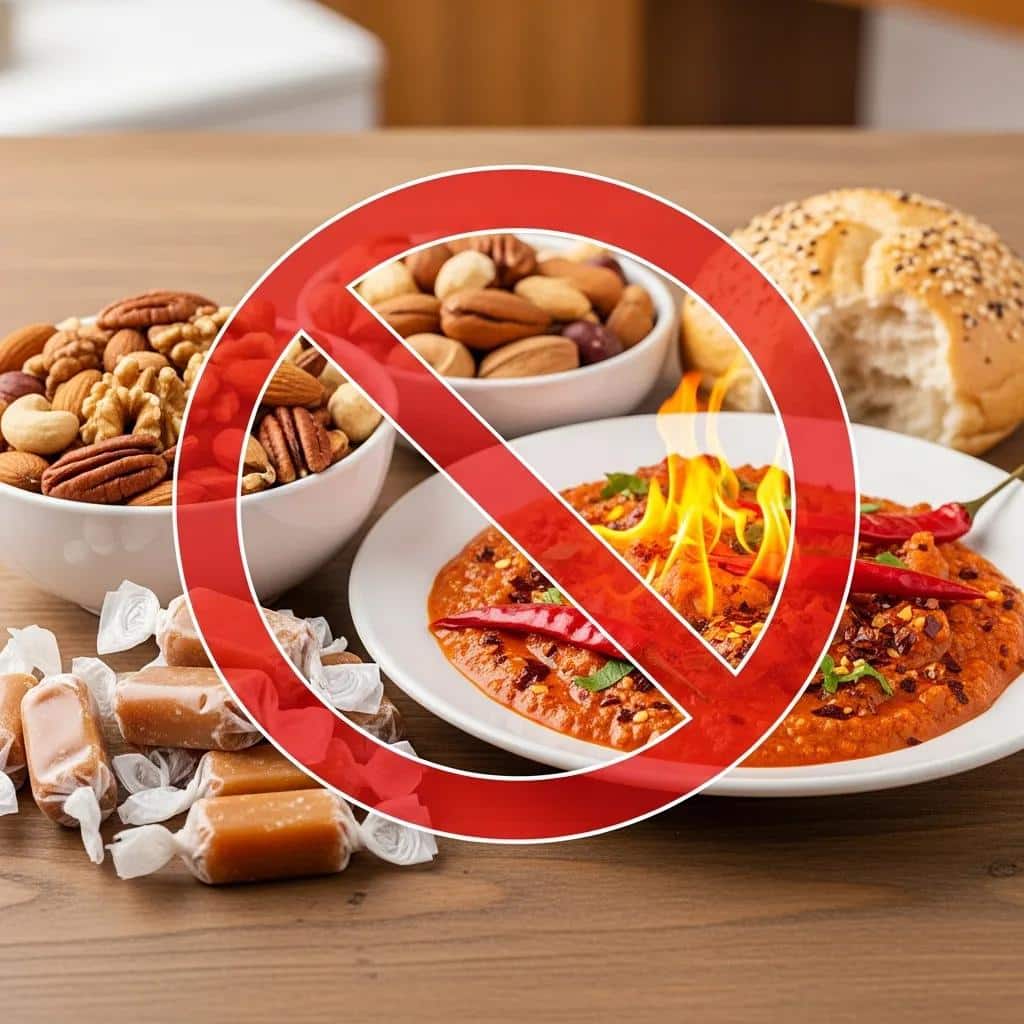
What Foods Should Be Avoided to Protect Healing Implants?
Certain foods should be strictly avoided in the immediate aftermath of dental implant surgery to prevent complications and ensure proper healing. These include:
Hard foods: Nuts, chips, and raw vegetables can cause damage to the surgical site.
Spicy foods: These can irritate the gums and lead to discomfort.
Sticky foods: Caramels and chewing gum may disturb the surgical site or cause discomfort.
Alcohol: Can interfere with healing and should be avoided.
Following these dietary restrictions is vital for protecting healing implants and ensuring a smooth recovery process.
How Does Eating Progress During the Early Healing Phase After Implants?
As the healing process progresses, patients can gradually reintroduce a wider variety of foods into their diet. Understanding this progression is essential for a successful recovery.
What Semi-Soft and Protein-Rich Foods Support Recovery Weeks 1-6?
During the first six weeks post-surgery, incorporating semi-soft and protein-rich foods can significantly aid recovery. Recommended options include:
Scrambled eggs: Soft and packed with protein, promoting healing.
Cottage cheese: A good source of protein that is easy to eat.
Oatmeal: Soft and nutritious, providing energy for recovery.
Fish: Soft-cooked varieties like salmon are rich in omega-3 fatty acids, beneficial for healing.
Pasta: Cooked until soft, it can be a comforting meal option.
These foods not only support healing but also help maintain energy levels during the recovery phase.
Which Dietary Restrictions Are Essential During Implant Osseointegration?
During the osseointegration phase, when the implant fuses with the jawbone, certain dietary restrictions remain crucial. Patients should avoid:
Hard and crunchy foods: These can disrupt the healing process.
Chewy foods: Such as bagels or tough meats that require significant chewing.
Sugary foods: Excessive sugar can contribute to inflammation and should be limited.
Adhering to these restrictions ensures that the implants integrate properly and reduces the risk of complications.
What Are the Long-Term Dietary Benefits of Dental Implants Compared to Bridges and Dentures?
Dental implants offer several long-term dietary benefits that set them apart from bridges and dentures. Understanding these advantages can help patients make informed decisions about their dental health.
How Do Dental Implants Restore Chewing Power and Stability?
Dental implants are designed to function like natural teeth, providing superior chewing power and stability. Unlike dentures, which can shift during eating, implants remain securely anchored in the jawbone. This stability allows patients to enjoy a wider variety of foods without fear of discomfort or slippage.
Which Foods Can Patients Enjoy Freely with Healed Implants?
Once the implants have fully healed, patients can enjoy a diverse range of foods, including:
Steak: Chewy and flavorful, providing essential nutrients.
Crunchy vegetables: Such as carrots and celery, which can be enjoyed without concern.
Nuts and seeds: Excellent sources of healthy fats and protein.
Hard cheeses: A delicious addition to many meals.
This dietary freedom significantly enhances the quality of life for implant patients, allowing them to enjoy their favorite foods without restrictions.
What Are the Common Eating Challenges and Dietary Restrictions with Dentures?
While dentures can restore function, they come with their own set of challenges that can affect dietary choices.
How Do Denture Stability and Chewing Efficiency Affect Food Choices?
Denture stability can vary, impacting chewing efficiency. Patients may find it challenging to eat certain foods, particularly those that are hard or require significant chewing. This instability can lead to dietary restrictions, as patients may avoid foods that could dislodge their dentures.
Which Foods Should Be Avoided to Prevent Denture Slippage and Discomfort?
To prevent discomfort and slippage, denture wearers should avoid:
Hard foods: Such as raw vegetables and tough meats.
Sticky foods: Like caramel or taffy, which can adhere to dentures.
Very hot foods: Can cause discomfort and may not be felt properly.
By being mindful of these dietary restrictions, denture wearers can maintain comfort and enjoy their meals.
What Dietary Considerations Should Patients Know About Dental Bridges?
Dental bridges also require specific dietary considerations to ensure their longevity and effectiveness.
How Do Food Traps and Hygiene Impact Eating with Bridges?
Food traps can occur around dental bridges, making oral hygiene crucial. Patients should be diligent about cleaning around the bridge to prevent decay and gum disease. This may require special cleaning tools or techniques to ensure that food particles do not become trapped.
What Are the Effects of Chewing Force Distribution on Bridge Longevity?
Chewing force distribution is vital for the longevity of dental bridges. Uneven forces can lead to wear and damage over time. Patients should be aware of their chewing habits and avoid excessive force on the bridge to maintain its integrity.
Why Are Dental Implants the Preferred Choice for Dietary Freedom in Tyler, TX?
In Tyler, TX, dental implants are increasingly recognized as the preferred choice for those seeking dietary freedom.
How Does Bone Preservation with Implants Enhance Long-Term Oral Health?
Dental implants promote bone preservation by stimulating the jawbone, preventing the bone loss that often accompanies tooth loss. This preservation is crucial for maintaining overall oral health and ensuring that patients can continue to enjoy a diverse diet throughout their lives.
What Quality of Life Improvements Do Patients Experience with Implants?
Patients with dental implants often report significant quality of life improvements, including:
Increased confidence: With a natural-looking smile, patients feel more self-assured.
Enhanced eating experiences: The ability to enjoy a wider variety of foods without discomfort.
Improved oral health: With proper care, implants can last many years, contributing to overall well-being.
These improvements highlight why dental implants are a preferred option for many individuals in Tyler.
How Can Patients Schedule a Free Dental Implant Consultation in Tyler?
For those considering dental implants, scheduling a consultation is a crucial first step.
What Should You Expect During Your Free Implant Consult?
During a free dental implant consultation, patients can expect a thorough examination and discussion of their dental history. The dentist will explain the implant process, address any concerns, and outline the benefits of choosing implants over other options.
How Do Flexible Payment Plans Make Implants Affordable?
Affordable Dentist Near Me of Tyler offers flexible payment plans to make dental implants accessible to more patients. By accepting most PPO insurance plans and providing various financing options, the practice ensures that cost is not a barrier to achieving a healthy smile.
What Are Frequently Asked Questions About Eating After Dental Implants, Bridges, and Dentures?
Patients often have questions about their dietary options after dental procedures.
What Can I Eat Immediately After Dental Implant Surgery?
Immediately after surgery, focus on soft foods and liquids such as applesauce, smoothies, and broth. Avoid hard, spicy, and sticky foods to protect the surgical site.
Are Dental Implants Better Than Bridges and Dentures for Eating?
Yes, dental implants generally provide better chewing power and stability compared to bridges and dentures, allowing patients to enjoy a wider variety of foods without discomfort or fear of slippage.