Dental Implant Failures: Real Patient Stories and How to Recognize Symptoms
Dental implants are a popular solution for tooth loss, offering a permanent and natural-looking replacement. However, like any medical procedure, they can sometimes fail. Understanding the symptoms of dental implant failures is crucial for patients to seek timely intervention. This article delves into real patient stories, highlighting the importance of recognizing symptoms early. We will explore common signs of implant failure, the causes behind these issues, available treatment options, and preventive measures. By the end, readers will be equipped with knowledge to navigate the complexities of dental implant health.
What Are the Common Symptoms of Dental Implant Failure?
Dental implant failure can manifest through various symptoms that patients should be vigilant about. Recognizing these signs early can significantly impact the outcome of treatment and recovery.
How to Identify Early Signs of Implant Problems
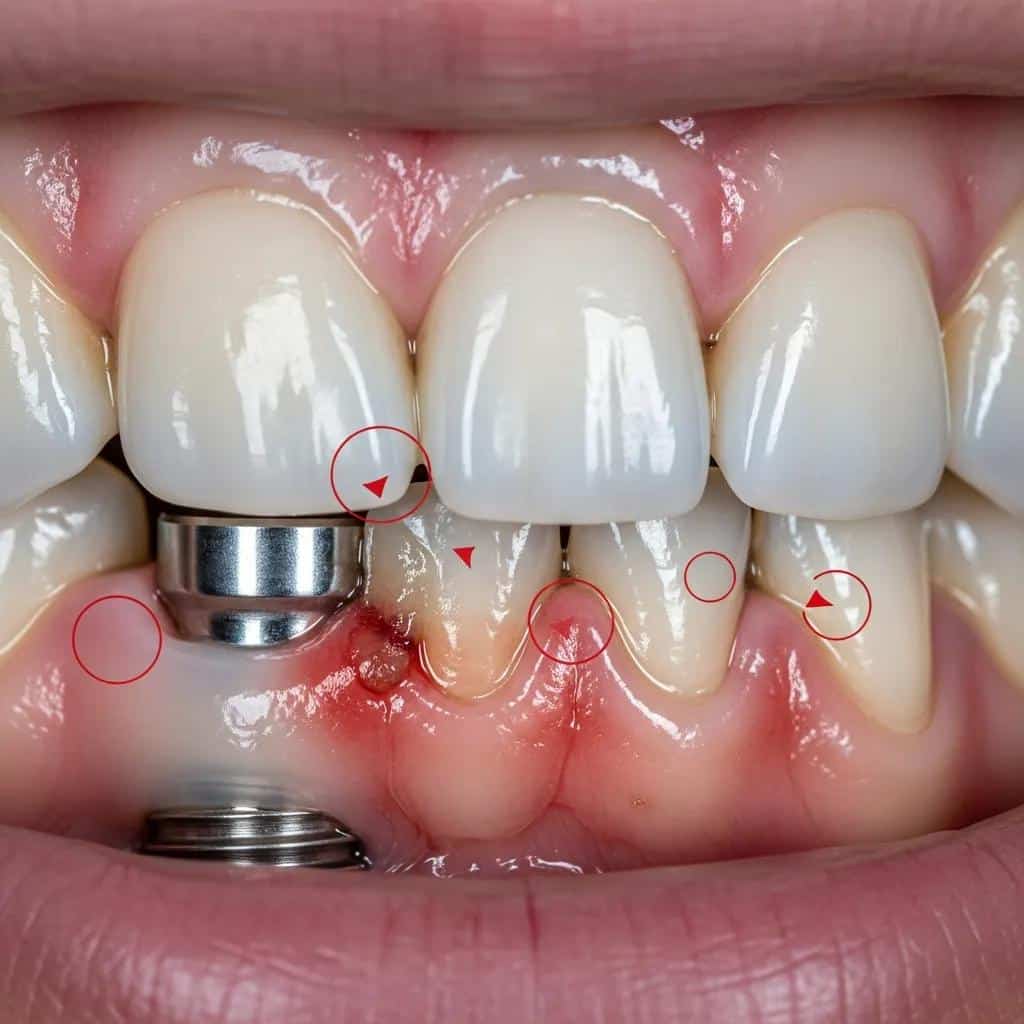
Early signs of dental implant problems may include persistent pain, swelling around the implant site, and difficulty chewing. Patients might also notice unusual mobility of the implant, which should not occur once the implant has fully integrated with the jawbone. These symptoms can indicate that the implant is not properly osseointegrated or that there is an infection present. Addressing these issues promptly can prevent further complications and improve the chances of successful treatment.
What Pain and Discomfort Indicate Implant Issues?
Pain and discomfort associated with dental implants can vary in intensity and duration. Patients often report sharp or throbbing pain, particularly when biting down or applying pressure to the implant. Additionally, discomfort that persists beyond the initial healing period may signal underlying issues such as infection or bone loss. It is essential for patients to communicate any unusual pain to their dentist, as this can be a critical indicator of potential implant failure.
What Causes Dental Implant Rejection and Failure?
Understanding the causes of dental implant rejection and failure is vital for both patients and dental professionals. Several factors can contribute to these complications, ranging from biological to mechanical issues.
Which Factors Lead to Implant Rejection?
True immunologic rejection of dental implants is extremely rare because implants are made of biocompatible materials such as titanium or zirconia. However, implant failure can occur due to several factors, including poor bone quality, inadequate oral hygiene, and pre-existing medical conditions such as uncontrolled diabetes or autoimmune disorders. Smoking is another significant risk factor that can impair healing and increase the likelihood of failure. Each of these elements can compromise the integration of the implant with the jawbone, leading to failure.
How Do Patient Health and Lifestyle Affect Implant Success?
A patient’s overall health and lifestyle choices play a crucial role in the success of dental implants. Conditions such as osteoporosis can weaken bone density, making it difficult for the implant to secure properly. Furthermore, lifestyle factors like smoking and excessive alcohol consumption can hinder healing and increase the risk of infection. Patients are encouraged to maintain a healthy lifestyle and discuss any health concerns with their dentist prior to undergoing implant surgery.
What Treatment Options Are Available for Failed Dental Implants?
When dental implants fail, various treatment options are available to address the issue. Understanding these options can help patients make informed decisions about their care.
How Can Failed Implants Be Repaired or Replaced?
Failed implants can sometimes be repaired through procedures such as bone grafting, which can enhance the jawbone’s structure and support the implant. In cases where the implant is beyond repair, replacement may be necessary. This involves removing the failed implant and allowing time for the area to heal before placing a new implant. Consulting with a dental professional is essential to determine the best course of action based on individual circumstances.
What Are the Risks and Benefits of Different Treatments?
Each treatment option for failed dental implants comes with its own set of risks and benefits. For instance, bone grafting can improve the chances of successful implant placement but may require additional healing time. Conversely, replacing an implant can provide a fresh start but may involve more extensive procedures. Patients should weigh these factors carefully and discuss them with their dentist to choose the most suitable option for their situation.
What Do Real Patients Say About Their Dental Implant Complications?
Hearing from real patients can provide valuable insights into the experiences surrounding dental implant complications. Their stories often highlight common problems and recovery outcomes.
Which Common Problems Do Patients Experience?
Patients frequently report issues such as infection, implant mobility, and persistent pain as common complications. These problems can arise from various factors, including surgical technique and post-operative care. Understanding these common issues can help prospective implant patients prepare for potential challenges and recognize symptoms early.
How Do Patients Describe Their Recovery and Outcomes?
Recovery experiences vary among patients, with some reporting a smooth process while others face complications. Many patients emphasize the importance of following post-operative care instructions to minimize risks. Successful outcomes often depend on the patient’s adherence to care guidelines and regular follow-up appointments with their dentist.
How Can You Prevent Dental Implant Failures?
Preventing dental implant failures involves proactive measures that patients can take before and after the procedure.
What Best Practices Support Implant Longevity?
To support the longevity of dental implants, patients should maintain excellent oral hygiene, including regular brushing and flossing. Additionally, routine dental check-ups are essential for monitoring the health of the implant and surrounding tissues. Patients should also avoid smoking and limit alcohol consumption, as these habits can negatively impact healing.
How Important Is Post-Operative Care and Monitoring?
Post-operative care is critical for the success of dental implants. Patients should follow their dentist’s instructions regarding diet, activity level, and oral hygiene practices. Regular monitoring through follow-up appointments allows dentists to identify any potential issues early, ensuring timely intervention if complications arise.
When Should You Consult a Dentist About Implant Problems?
Knowing when to seek professional help is crucial for maintaining dental implant health.
What Warning Signs Require Immediate Attention?
Patients should consult their dentist if they experience severe pain, swelling, or signs of infection such as fever or pus around the implant site. Additionally, any noticeable movement of the implant warrants immediate evaluation. Early intervention can prevent further complications and improve treatment outcomes.
How Often Should Implants Be Checked by Professionals?
Regular check-ups are essential for the long-term success of dental implants. Most dentists recommend evaluations at least once a year, but patients with risk factors may need more frequent visits. These appointments allow for professional cleaning and monitoring of the implant’s condition, ensuring that any issues are addressed promptly.
Treatment Option
Description
Pros
Cons
Bone Grafting
Enhances jawbone structure for better implant support
Improves success rates
Requires additional healing time
Implant Replacement
Removal of failed implant and placement of a new one
Fresh start for implant
More extensive procedure
Antibiotic Therapy
Treats infections that may affect implant success
Can prevent further complications
May not address underlying issues
This table summarizes the various treatment options available for failed dental implants, highlighting their respective pros and cons. Understanding these options can help patients make informed decisions about their care.
Dental implants can provide a lasting solution for tooth loss, but complications can arise. By recognizing the symptoms of dental implant failure and understanding the available treatment options, patients can take proactive steps to ensure their dental health. Regular communication with dental professionals and adherence to care guidelines are essential for maintaining the success of dental implants.