Understanding Dental Bridges
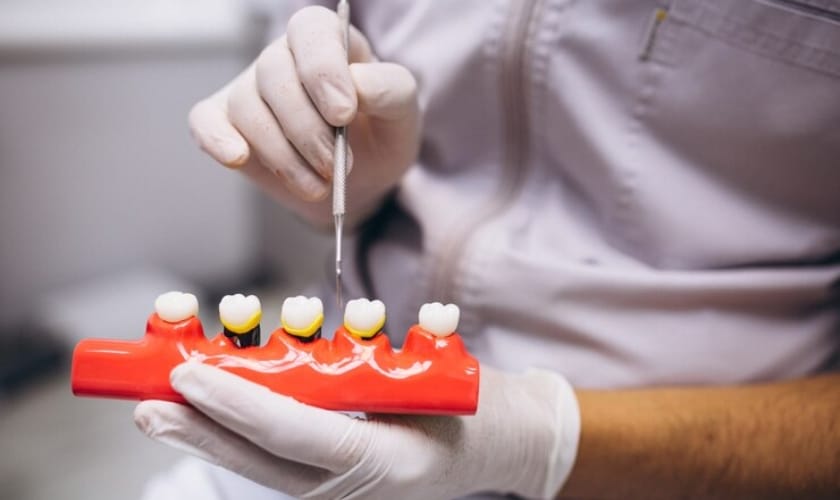
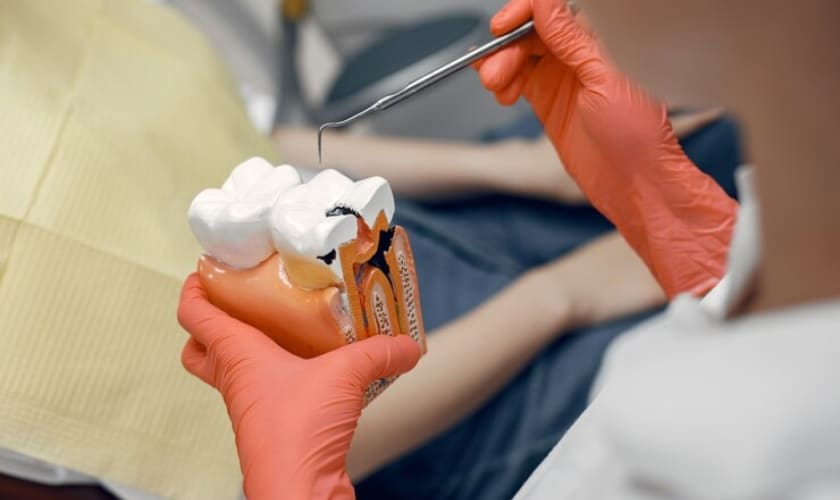
Dental bridges are a popular solution for replacing missing teeth, providing both functional and aesthetic benefits. They consist of one or more artificial teeth anchored to adjacent natural teeth or dental implants, effectively "bridging" the gap. By restoring your smile, bridges can improve your ability to chew and speak while preventing the shifting of surrounding teeth.
Maintaining dental bridges requires diligent oral hygiene practices, including regular brushing and flossing. It’s also essential to attend dental check-ups to ensure that the bridge remains in good condition and to monitor the health of the supporting teeth. By understanding the purpose and maintenance of dental bridges, patients can enjoy long-lasting benefits and enhanced confidence in their smiles.
Dental Care Tips for People with Clear Aligners
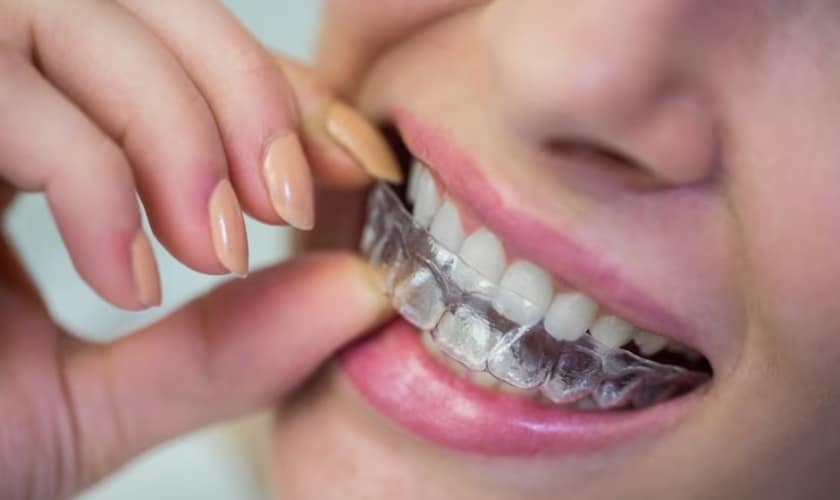
Caring for your clear aligners is crucial to achieving the best results from your orthodontic treatment. One of the most important tips is to clean your aligners regularly using a gentle toothbrush and clear, unscented soap to prevent bacteria buildup. Additionally, avoid using hot water, as it can warp the material and affect the fit of your aligners.
It's also essential to maintain a diligent oral hygiene routine while wearing clear aligners. This includes brushing your teeth after every meal to avoid trapping food and plaque underneath the aligners, which can lead to tooth decay or bad breath. Following these tips will help ensure that your journey towards a beautiful smile stays on track and is free from complications.
Signs You May Need to Avoid Overbleaching Your Teeth
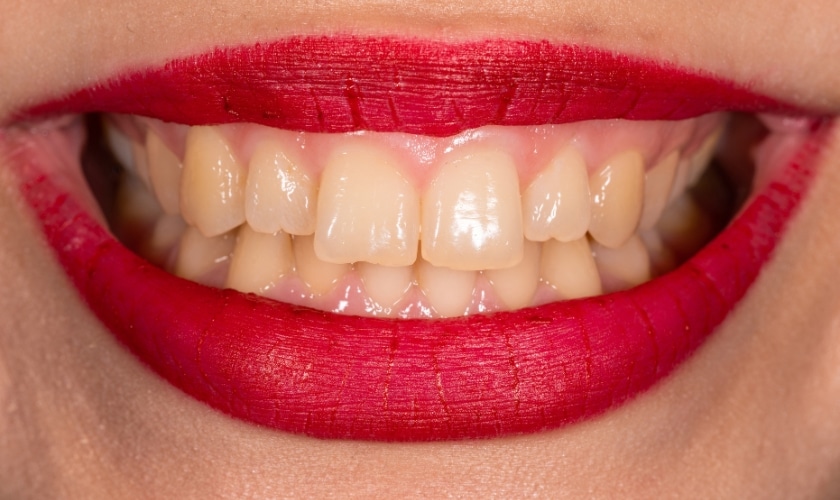
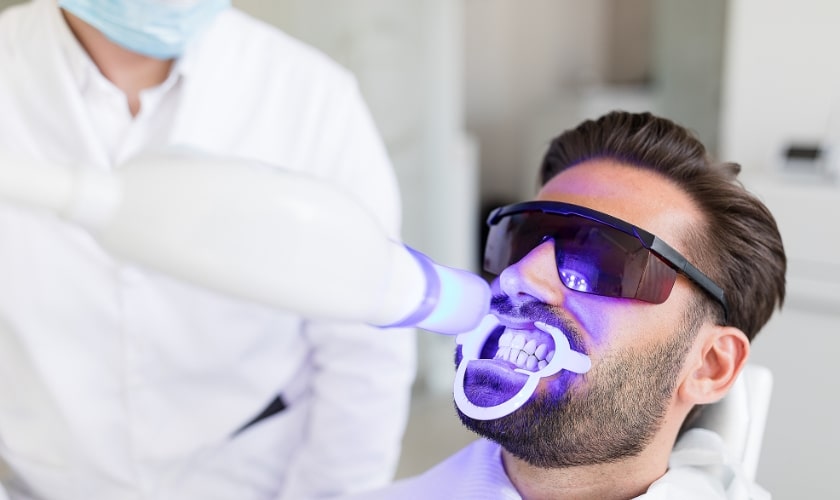
Teeth whitening can enhance your smile, but excessive treatments may lead to damaging effects. Signs of overbleaching include increased tooth sensitivity, gum irritation, and a transparent appearance that detracts from your smile's natural look. Recognizing these symptoms early can prevent long-term damage to your teeth and gums.
If you experience discomfort after whitening treatments, it's advisable to pause the treatments and consult your dentist for professional guidance. They can help determine the appropriate whitening methods and frequency to achieve your desired results without compromising your dental health. Prioritizing the health of your teeth over brightness can lead to a more sustainable and beautiful smile.
Understanding the Costs Associated with Dental Implants
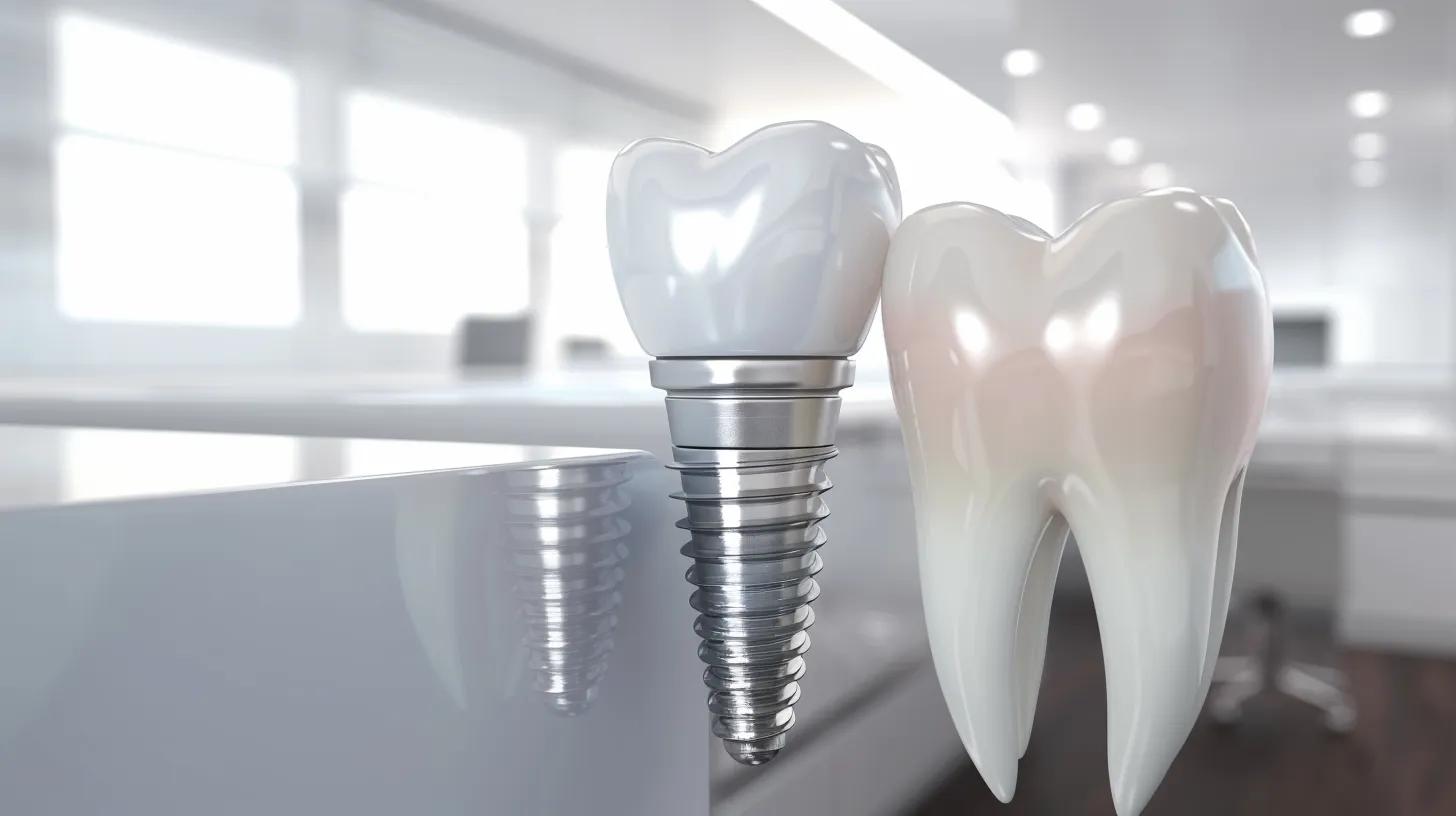
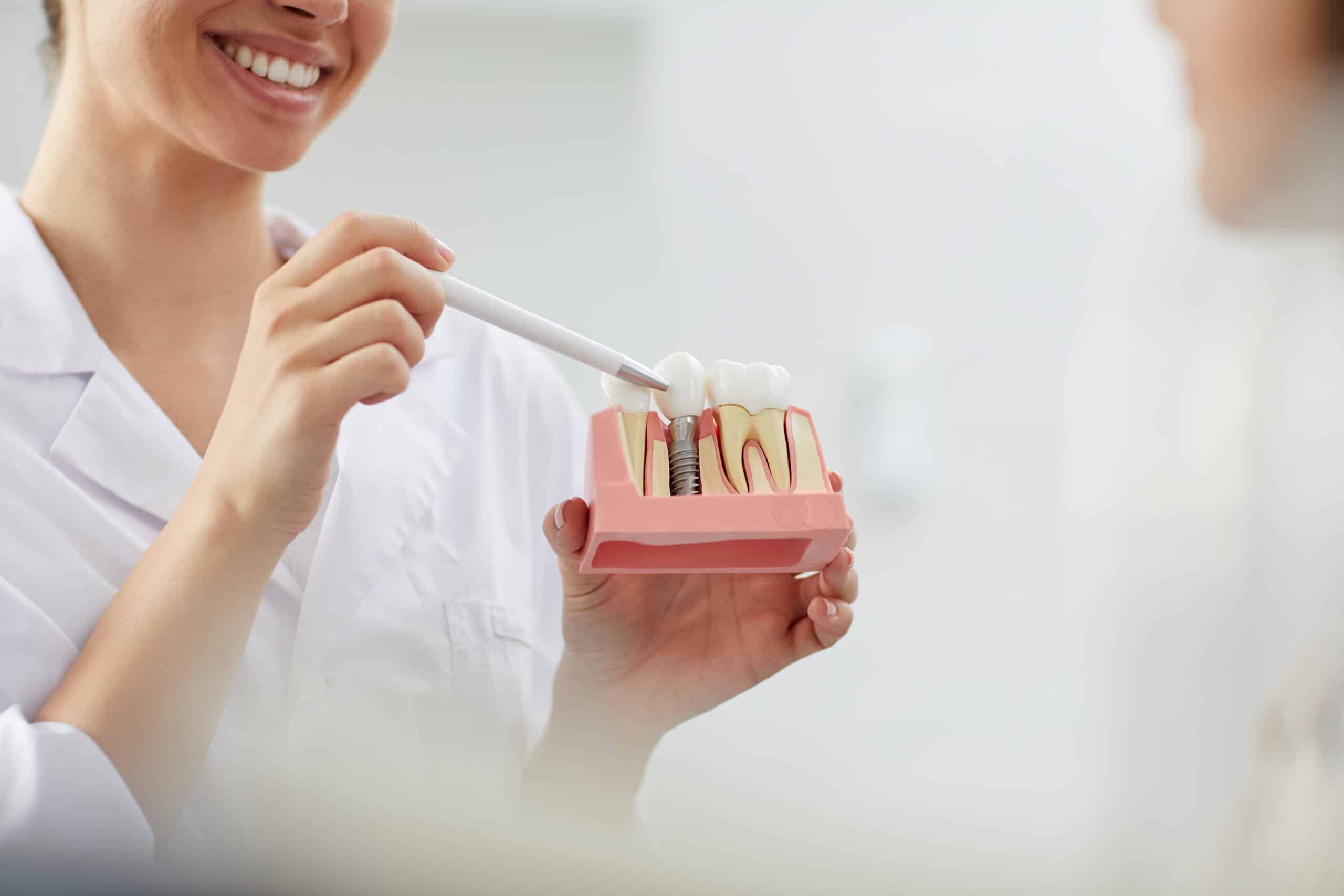
Dental implants are often considered a long-term solution for missing teeth, but potential patients frequently have concerns about the associated costs. Factors affecting the price can include the type of implant, the complexity of the procedure, and the need for additional treatments like bone grafting. Understanding these variables can help patients budget adequately for their dental procedures.
It’s also important to consider the benefits of dental implants compared to other tooth replacement options, as they tend to offer more durability and functionality in the long run. Many dental insurance plans may cover part of the costs, while financing options are also available from various dental offices. By discussing your specific situations with your dentist, you can determine the best financial approach to achieving a complete smile.
Understanding Dental Bridges
Dental bridges are a popular solution for replacing missing teeth, providing both functional and aesthetic benefits. They consist of one or more artificial teeth anchored to adjacent natural teeth or dental implants, effectively "bridging" the gap. By restoring your smile, bridges can improve your ability to chew and speak while preventing the shifting of surrounding teeth.
Maintaining dental bridges requires diligent oral hygiene practices, including regular brushing and flossing. It’s also essential to attend dental check-ups to ensure that the bridge remains in good condition and to monitor the health of the supporting teeth. By understanding the purpose and maintenance of dental bridges, patients can enjoy long-lasting benefits and enhanced confidence in their smiles.
Dental Care Tips for People with Clear Aligners
Caring for your clear aligners is crucial to achieving the best results from your orthodontic treatment. One of the most important tips is to clean your aligners regularly using a gentle toothbrush and clear, unscented soap to prevent bacteria buildup. Additionally, avoid using hot water, as it can warp the material and affect the fit of your aligners.
It's also essential to maintain a diligent oral hygiene routine while wearing clear aligners. This includes brushing your teeth after every meal to avoid trapping food and plaque underneath the aligners, which can lead to tooth decay or bad breath. Following these tips will help ensure that your journey towards a beautiful smile stays on track and is free from complications.
Signs You May Need to Avoid Overbleaching Your Teeth
Teeth whitening can enhance your smile, but excessive treatments may lead to damaging effects. Signs of overbleaching include increased tooth sensitivity, gum irritation, and a transparent appearance that detracts from your smile's natural look. Recognizing these symptoms early can prevent long-term damage to your teeth and gums.
If you experience discomfort after whitening treatments, it's advisable to pause the treatments and consult your dentist for professional guidance. They can help determine the appropriate whitening methods and frequency to achieve your desired results without compromising your dental health. Prioritizing the health of your teeth over brightness can lead to a more sustainable and beautiful smile.
Understanding the Costs Associated with Dental Implants
Dental implants are often considered a long-term solution for missing teeth, but potential patients frequently have concerns about the associated costs. Factors affecting the price can include the type of implant, the complexity of the procedure, and the need for additional treatments like bone grafting. Understanding these variables can help patients budget adequately for their dental procedures.
It’s also important to consider the benefits of dental implants compared to other tooth replacement options, as they tend to offer more durability and functionality in the long run. Many dental insurance plans may cover part of the costs, while financing options are also available from various dental offices. By discussing your specific situations with your dentist, you can determine the best financial approach to achieving a complete smile.