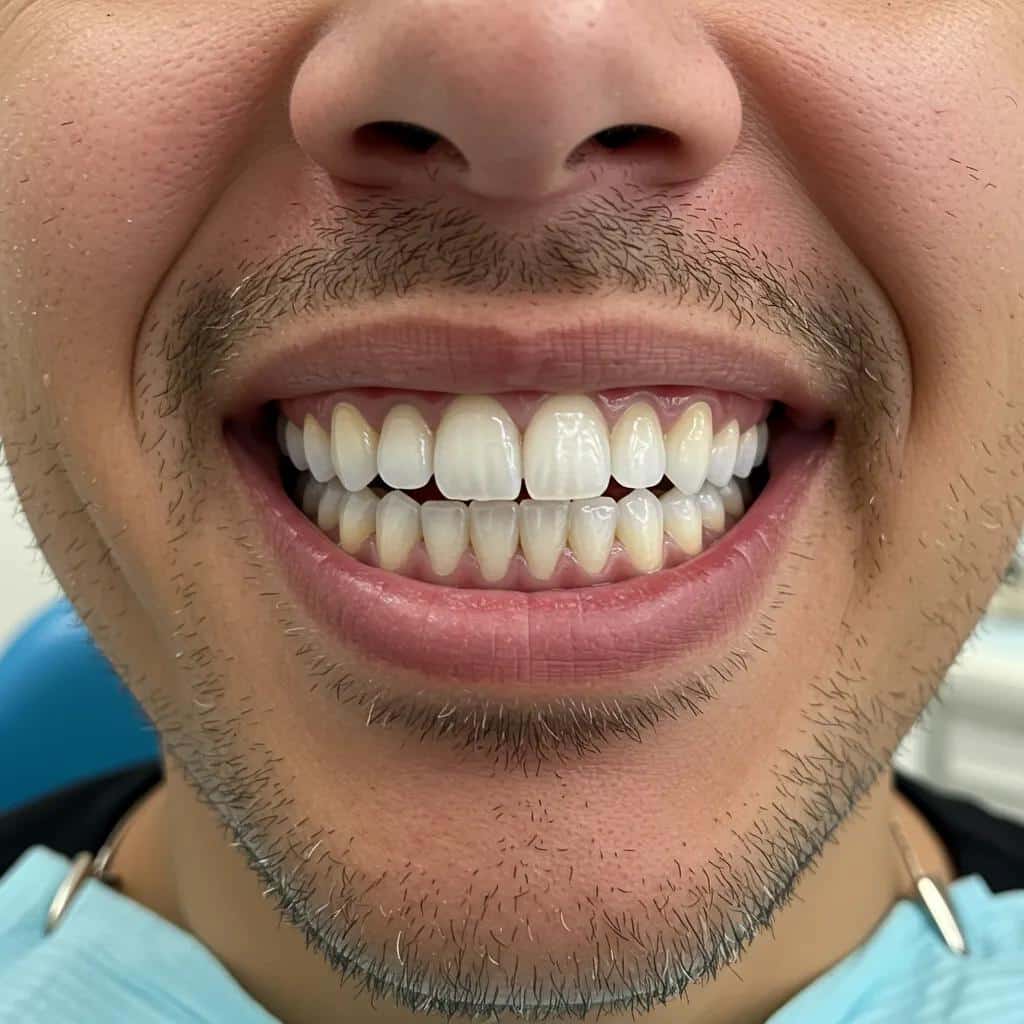
Do Veneers Straighten Teeth Just Like Braces? Your Complete Guide to Veneers for Crooked Teeth in Lake Worth
Crooked teeth can affect confidence and oral health, prompting many adults to weigh options like dental veneers and braces for smile transformation. In this guide, readers will learn what dental veneers are, how they address minor misalignment, and when orthodontic braces remain the gold standard. You’ll discover key comparisons—treatment time, invasiveness, cost, durability—and real expectations for porcelain and composite veneers. Lake Worth residents will also get an inside look at the veneer procedure at Dentist in Lake Worth – Dentures & Dental Implants, where skilled dentists use advanced technology and offer a free cosmetic consultation to map your personalized plan. By the end, you’ll understand whether veneers can substitute braces, what candidates suit each option, and how to schedule a consult that leads to a confident, lasting smile.
What Are Dental Veneers and How Do They Work for Crooked Teeth?
Dental veneers are thin shells bonded to the front of teeth to improve appearance, correct minor rotation, close gaps, and mask chips—all without moving teeth gradually. This procedure blends cosmetic dentistry and adhesive technology, reshaping the visible surface. By covering misaligned edges, veneers create the illusion of straightness and even spacing, delivering an immediate aesthetic boost. Veneers treat only superficial misalignment up to two millimeters and slight rotations under five degrees, making them ideal for mild cosmetic cases.
At Dentist in Lake Worth – Dentures & Dental Implants, porcelain and composite resin veneers both address these minor alignment challenges. A free consult clarifies your candidacy, material choice, and projected result. The consultation covers tooth preparation techniques, expected treatment visits, and maintenance guidelines. Understanding veneer mechanics establishes realistic expectations before exploring deeper comparisons with braces for more extensive orthodontic needs.
What Are Dental Veneers? Types and Materials Explained
Veneer Type
Material Characteristic
Durability & Aesthetics
Porcelain Veneers
Feldspathic ceramic
Lasts 10–15 years; high shine
Composite Veneers
Resin-based composite
Lasts 5–7 years; quicker placement
Both materials are ultra-thin—0.3–0.7 mm—and require minimal enamel removal. This table displays how material choice impacts longevity and visual results, guiding patients to their ideal veneer type.
Porcelain versus Composite Veneers: A Comprehensive Review for Aesthetic Dentistry
A primary concern in clinical dentistry is the restoration of lost dental aesthetics. Individuals today are increasingly aware of their self-perception regarding their smiles and the impact on interpersonal interactions. Currently, a variety of procedures and material options are available to meet patient demands. Dentists face the challenge of fulfilling these needs while adhering to patient budgets. The influence of preparation design and material type on the success of dental veneers remains a subject of debate. Typically, the clinician’s preference dictates the preparation geometry. However, veneers incorporating incisal coverage appear to yield superior aesthetic and more predictable outcomes, whereas a chamfer finish line seems unnecessary, and limiting preparation to a butt-join finish line is considered more practical. Composite veneers offer good aesthetic results and patient satisfaction; nevertheless, due to their inherent physical properties and bond strength compared to porcelain veneers, composite veneers exhibit a significantly higher failure rate over time. Consequently, veneers necessitate detailed comparison, review, and discussion. This literature review addresses the critical parameters involved.
Porcelain veneers vs composite resin veneers: A review, 2020
How Do Veneers Fix Minor Misalignment and Gaps?
Veneers correct minor misalignment by covering rotated or slightly tipped teeth with a custom-shaped shell. The bonding process uses dental adhesive that secures the veneer edge-to-edge, closing gaps up to two millimeters. Because the tooth underneath remains in place, results appear instantly after placement. Suitable cases include single-tooth corrections, small gaps between front teeth, and mild crowding.
A customized digital smile design ensures each veneer aligns with adjacent teeth, maintaining functional bite relationships. After veneer placement, patients notice uniform appearance immediately, and the sealed edges prevent food traps that can arise from minor gaps. Understanding this mechanism leads naturally to comparing braces for more extensive alignment needs.
What Are the Benefits of Veneers for Teeth Straightening?
Quick results within two to three visits
Highly stain-resistant porcelain surfaces
Minimally invasive enamel removal
Ability to correct color, shape, and slight rotation at once
Custom shade matching for natural appearance
These benefits position veneers as a top choice for busy adults seeking rapid improvement. With focused consultation, our Lake Worth clinic guides patients through these advantages, ensuring veneer benefits align with individual goals.
Can Veneers Fix Misaligned Teeth Completely?
No, veneers cannot fully straighten moderate to severe misalignments because they do not move teeth roots or adjust jaw relationships. Veneers reshape visible surfaces only, making them unsuitable for bite corrections, rotated molars, or under/overbites beyond minor cosmetic shifts. Attempting veneers on severely crooked teeth risks uneven thickness, poor bonding, and compromised oral health.
For comprehensive alignment, orthodontic braces or clear aligners remain necessary. Patients with rotations over five degrees or gaps wider than two millimeters require tooth movement before cosmetic layering. Recognizing veneers’ limitations clarifies when braces deliver foundational correction rather than surface camouflage.
How Do Dental Braces Straighten Teeth Compared to Veneers?
Dental braces are orthodontic devices that gradually reposition teeth by applying controlled force over months or years. Brackets and wires work with periodontal ligaments to shift roots into correct alignment, correcting misalignment, spacing, bite issues, and rotations. Unlike veneers, braces remodel bone structure and gum tissue placement, yielding permanent orthodontic improvements rather than purely cosmetic changes.
At our Lake Worth clinic, both traditional metal braces and clear aligners like Invisalign employ advanced 3D imaging to plan precise tooth movements. A free consult evaluates severity, treatment timeline, and appliance type. With braces, moderate to severe cases—crowding, significant spacing, bite discrepancies—receive comprehensive attention beyond veneer capabilities, ensuring long-term stability.
What Are Dental Braces and Orthodontic Treatments?
Dental braces consist of brackets affixed on tooth surfaces and connected by archwires that exert gentle pressure. Clear aligners use a series of custom trays to shift teeth incrementally without metal hardware. Both types use digital scans and periodic adjustments to guide roots into optimal positions.
Key treatment steps include initial bonding or scanning, periodic checkups every four to eight weeks, and retention phase with nightly clear retainers. This process addresses hyperdontia, malocclusion, and midline discrepancies that veneers alone cannot resolve.
How Do Braces Correct Moderate to Severe Misalignment?
Braces correct misalignment by converting mechanical force into cellular activity in periodontal ligaments, remodeling bone around tooth roots. Over time, pressure zones release bone cells in one area and deposit them in another, shifting teeth into planned positions. This cellular remodeling addresses rotations up to 45 degrees, spacing beyond three millimeters, and bite alignment.
Customized treatment sequences adapt wire thickness and elastics to maintain force levels within safe biological thresholds. The gradual correction yields improved function, enhanced occlusion, and foundational alignment that supports long-term oral health.
What Are the Benefits of Braces for Teeth Alignment?
Effective for moderate to severe crowding and bite issues
These advantages make braces the standard for correcting complex orthodontic concerns, offering durable results that veneers cannot match.
Veneers vs. Braces for Adults: Which Is the Best Option in Lake Worth?
Choosing between veneers and braces depends on treatment goals, timeline, invasiveness, and budget. Veneers deliver immediate aesthetic enhancement for mild misalignment but do not alter bite or root position. Braces gradually reposition teeth at the root for comprehensive correction, with visible improvement over time and a retention phase to secure outcomes.
In Lake Worth, scheduling a free consult helps determine the right path. Adults prioritizing rapid results and minimal enamel removal often choose veneers, while those needing structural alignment commit to braces or clear aligners. Both approaches benefit from our clinic’s advanced technology and personalized care, ensuring each patient’s ideal treatment plan.
How Do Treatment Durations Compare Between Veneers and Braces?
Treatment
Typical Duration
Visits Needed
Veneers
2–3 visits over 2–4 weeks
Consultation, prep, placement
Traditional Braces
12–24 months
Adjustment every 4–8 weeks
Clear Aligners
6–18 months
Tray changes every 1–2 weeks
What Are the Differences in Invasiveness and Tooth Alteration?
Veneers necessitate minimal enamel removal—typically 0.3–0.7 mm—to accommodate shell thickness, making them moderately invasive but preserving most tooth structure. Braces do not alter tooth enamel but require appliances on all teeth, occasional interproximal reduction, and long-term retainer use. This comparison highlights veneers’ conservative enamel work versus braces’ non-destructive but extended appliance wear.
How Do Costs of Veneers and Braces Compare in Lake Worth?
Option
Cost Range per Tooth/Arch
Financing & Insurance Options
Porcelain Veneers
$900–$2,500 per tooth
Flexible financing plans; cosmetic coverage may vary
Composite Veneers
$200–$1,500 per tooth
Payment plans available; some insurance applies
Traditional Braces
$3,000–$7,000 total
Most dental plans offer partial coverage
Clear Aligners
$4,000–$8,000 total
Invisalign financing; insurance eligibility
What Are the Aesthetic Outcomes and Durability of Each Option?
Veneers yield immediate, lifelike translucency and uniform shape, lasting 10–15 years for porcelain and 5–7 years for composite with proper care. Braces deliver a natural tooth appearance over time, with results secured by retainers indefinitely. Veneers remain highly stain-resistant, while brace-straightened teeth require ongoing hygiene and occasional whitening to maintain brightness.
Who Are Ideal Candidates for Veneers or Braces?
Ideal veneer candidates include adults with mild misalignment, small gaps, slight rotation, and good periodontal health seeking rapid cosmetic enhancement. Braces suit patients with moderate to severe crowding, bite discrepancies, rotated premolars, and long-term stability goals. A free cosmetic dentistry consultation clarifies candidacy, blending patient desires with clinical criteria.
What Is the Veneers Procedure Like at Our Lake Worth Dental Clinic?
Undergoing veneers at Dentist in Lake Worth – Dentures & Dental Implants combines advanced imaging, precise preparation, and expert bonding to ensure comfort and aesthetic excellence. This process unfolds in clear stages guided by skilled dentists and modern technology, delivering predictable results and a seamless patient experience.
What Happens During a Veneers Consultation?
During the free consultation, the dentist assesses tooth alignment, color, shape, and health using digital scans. Patients discuss cosmetic goals while reviewing before-and-after examples and material options—porcelain versus composite. A personalized treatment plan outlines enamel reduction needs, shade matching, procedural timeline, and maintenance instructions. This first step establishes trust, aligning expectations with clinical reality.
How Are Teeth Prepared and Veneers Bonded?
Tooth preparation involves removing a thin enamel layer to create bonding space. Digital impressions capture exact tooth contours, sending data to a dental lab for custom veneer fabrication. Once returned, each veneer is trial-fitted then bonded using a high-strength dental adhesive. Final polishing ensures smooth margins and natural reflection. This precise workflow produces durable adhesion and seamless integration with surrounding teeth.
What Should Patients Expect After Veneer Placement?
After bonding, patients may experience mild sensitivity for a few days, manageable with over-the-counter pain relief. Good oral hygiene—brushing twice daily with nonabrasive toothpaste and flossing carefully—preserves veneer luster. Routine dental checkups in Lake Worth ensure bond integrity and periodontal health. With proper care, porcelain veneers last over a decade, supporting lasting smile enhancement.
How Much Do Veneers Cost for Crooked Teeth in Lake Worth?
Understanding veneer cost helps patients balance budget and cosmetic goals. Pricing depends on material, number of teeth, and case complexity. A transparent estimate during the free cosmetic consultation empowers patients to make informed decisions without surprises.
What Factors Influence the Cost of Veneers?
Material choice—porcelain versus composite
Number of teeth requiring veneers
Complexity of tooth preparation and shade customization
These factors combine to form a total investment, which our Lake Worth clinic outlines in detail during a no-obligation consult.
How Does Veneer Cost Compare to Braces Pricing?
Treatment
Material/Appliance Cost
Total Investment Range
Porcelain Veneers
$900–$2,500 per tooth
Depends on number of veneers
Composite Veneers
$200–$1,500 per tooth
Depends on number of veneers
Metal Braces
$3,000–$7,000 total
Includes brackets and adjustments
Clear Aligners
$4,000–$8,000 total
Includes all aligner trays
Are There Financing Options or Insurance Coverage Available?
Flexible financing plans spread veneer costs over manageable monthly payments. Many dental insurance plans cover part of orthodontic treatments like braces but offer limited coverage for cosmetic veneers. A free consultation clarifies insurance eligibility and financing options, ensuring patients in Lake Worth find a plan aligning with their financial comfort.
Can Veneers Replace Braces for Crooked Teeth? Common Questions Answered
Can Veneers Straighten Teeth Just Like Braces?
No, veneers can only mask minor misalignment and gaps; they do not move teeth. While veneers create the appearance of straight teeth instantly, braces remain essential for true tooth movement and bite correction in moderate to severe cases.
Are Veneers a Faster Way to Improve Smile Appearance?
Yes, veneers deliver near-instant transformation within a few weeks compared to months or years of orthodontic treatment. This speed makes them an attractive option for adults seeking rapid cosmetic enhancement without lengthy appliance wear.
What Are the Disadvantages of Using Veneers for Misaligned Teeth?
Veneer disadvantages include irreversible enamel removal, potential sensitivity, and limited suitability for severe misalignment. They also require replacement every 5–15 years, depending on material, making long-term costs a consideration.
Can You Get Veneers If Your Teeth Are Severely Crooked?
No, severely crooked teeth require root-level movement through braces or clear aligners before any cosmetic veneer work. Attempting veneers alone on extreme misalignment leads to inadequate bonding and compromised oral health.
What Are Cheaper Alternatives to Braces and Veneers?
Cheaper alternatives include dental bonding for minor chips, tooth-colored composite fillings to close small gaps, and over-the-counter clear trays for mild adjustment. These options offer cosmetic improvement at reduced costs but with shorter lifespans and limited effectiveness.
How Long Do Veneers Last Compared to Braces?
Porcelain veneers last 10–15 years and composite veneers 5–7 years with proper care, whereas braces create permanent root alignment that, once retained, endures for life. Retainers after braces maintain results at minimal ongoing cost.
Why Choose Dentist in Lake Worth – Dentures & Dental Implants for Your Smile Transformation?
The smile transformation team at Dentist in Lake Worth – Dentures & Dental Implants combines decades of experience with advanced technology to deliver superior cosmetic and orthodontic solutions. Their patient-centric approach ensures every plan aligns with individual goals, lifestyle, and budget.
What Expertise Does Our Lake Worth Clinic Offer in Cosmetic Dentistry?
Our Lake Worth clinic features Dr. Katie M. Rand, D.M.D., and a skilled team trained in porcelain and composite veneers, adult orthodontics, and digital smile design. They utilize 3D imaging and guided preparation techniques to maximize precision, comfort, and aesthetic harmony.
How Do We Personalize Treatment Plans for Your Unique Smile?
Personalization starts with a free cosmetic consultation to assess tooth structure, alignment concerns, and cosmetic desires. We combine patient input with digital smile simulations, selecting veneer materials or orthodontic appliances tailored to facial features and functional needs.
How Can You Schedule a Free Veneers or Braces Consultation in Lake Worth?
To begin your smile transformation, call our Lake Worth clinic to schedule a free consultation. During this visit, we review your dental history, explore treatment options for veneers or braces, and outline a personalized cost estimate and timeline. Our friendly team guides every step toward your ideal smile.
What Do Patients Say About Their Veneers and Braces Results in Lake Worth?
Real patients describe life-changing outcomes after veneers or adult orthodontics at our Lake Worth clinic. These insights reflect both aesthetic improvements and increased self-confidence.
How Have Veneers Transformed Smiles for Our Adult Patients?
Adults with minor misalignment and discoloration report veneers providing a cohesive, bright smile in weeks rather than years. One patient noted that porcelain veneers restored both alignment and tooth color, leading to frequent compliments and renewed confidence at work.
What Are Common Experiences with Adult Braces and Clear Aligners?
Patients choosing braces or clear aligners appreciate discreet treatment and predictable movement. Many highlight improved bite function alongside straightness, reporting minimal interference with daily life and satisfaction with gradual, stable progress.
How Does Improved Smile Confidence Impact Quality of Life?
A straighter, brighter smile often leads to stronger first impressions, higher self-esteem, and greater willingness to engage socially. Patients describe sharing photos freely, smiling without hesitation, and enjoying improved overall well-being.
Throughout Lake Worth, adults in their 40s to 60s trust Dentist in Lake Worth – Dentures & Dental Implants for personalized cosmetic and orthodontic care. Whether seeking the speed and aesthetics of veneers or the comprehensive alignment of braces, scheduling a free consultation launches the journey to a transformed smile and renewed confidence.