What Affects the Lifespan of Your Dental Implants? Essential Insights for Patients on Dental Implant Longevity Factors and Care
Dental implants are a popular solution for tooth replacement, offering a durable and aesthetically pleasing option for those with missing teeth. Understanding the factors that affect the lifespan of dental implants is crucial for patients seeking long-term success with their dental restoration. This article will provide essential insights into the longevity of dental implants, including the average lifespan, key influencing factors, and best practices for care and maintenance. By addressing common concerns and providing actionable advice, patients can make informed decisions about their dental health. We will explore topics such as the components of dental implants, the impact of oral hygiene, and the importance of professional care, ensuring that you have a comprehensive understanding of how to maximize the lifespan of your dental implants.
How Long Do Dental Implants Typically Last? Understanding Average Lifespan and Durability
Dental implants are designed to be a long-lasting solution for tooth loss, with an average lifespan of 25 years or more, and many can last a lifetime with proper care. The durability of dental implants is influenced by several factors, including the quality of the materials used, the skill of the dentist, and the patient’s overall health. Understanding these factors can help patients set realistic expectations for their dental implants and take proactive steps to ensure their longevity.
What Are the Components of a Dental Implant and Their Expected Lifespan?
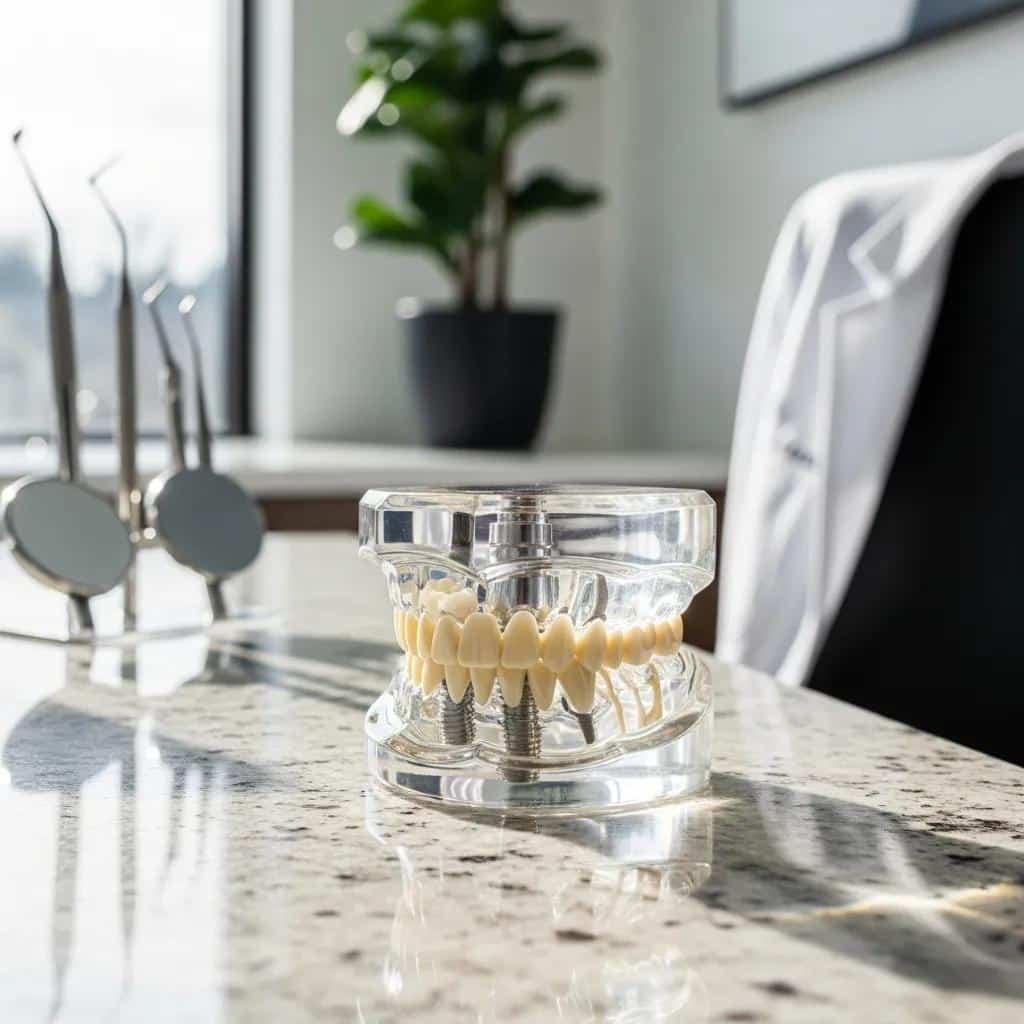
A dental implant consists of three main components: the post, abutment, and crown. The post, typically made of titanium or zirconia, is surgically placed into the jawbone and serves as the foundation for the implant. The expected lifespan of the post can exceed 25 years if properly cared for. The abutment connects the post to the crown and is generally durable, lasting around 10 to 15 years. Finally, the crown, which is the visible part of the implant, may need replacement every 5 to 15 years due to wear and tear.
Why Do Dental Implants Last So Long? The Role of Osseointegration and Implant Materials
The longevity of dental implants is largely attributed to a process called osseointegration, where the bone fuses with the implant post, providing a stable and secure foundation. This biological process is enhanced by the use of high-quality materials such as titanium, known for its biocompatibility and strength. Zirconia is another material gaining popularity due to its aesthetic appeal and resistance to corrosion. Both materials contribute to the overall durability and success of dental implants.
What Key Factors Influence the Longevity of Dental Implants?
Several key factors can significantly influence the longevity of dental implants. These include oral hygiene practices, lifestyle choices, and underlying health conditions. Understanding these factors can empower patients to take control of their dental health and improve the success rate of their implants.
How Does Oral Hygiene Impact Dental Implant Success and Maintenance?
Maintaining excellent oral hygiene is crucial for the success of dental implants. Regular brushing and flossing help prevent plaque buildup, which can lead to peri-implantitis, an inflammatory condition that affects the tissues surrounding the implant. Patients should also consider using antibacterial mouthwash to further reduce the risk of infection. Regular dental check-ups are essential for monitoring the health of the implant and surrounding tissues.
What Lifestyle and Health Conditions Affect Dental Implant Lifespan?
Certain lifestyle choices and health conditions can adversely affect the lifespan of dental implants. For instance, smoking has been shown to impair healing and increase the risk of implant failure. Additionally, uncontrolled diabetes can hinder the body’s ability to heal, making it essential for patients with such conditions to manage their health effectively. A balanced diet rich in nutrients can also support oral health and implant longevity.
How Does the Quality of Implant Materials and Placement Affect Implant Durability?
The quality of the materials used in dental implants and the expertise of the dentist performing the procedure are critical factors in determining the durability of the implants. High-quality materials and skilled placement techniques can significantly enhance the success rate and longevity of dental implants.
What Are the Benefits of Titanium and Zirconia Materials in Dental Implants?
Titanium is widely regarded as the gold standard for dental implants due to its strength, biocompatibility, and ability to integrate with bone. Zirconia, on the other hand, offers a tooth-colored option that is aesthetically pleasing and resistant to corrosion. Both materials have their unique advantages, and the choice between them often depends on the patient’s specific needs and preferences.
Why Is Dentist Expertise and Proper Implant Placement Critical for Longevity?
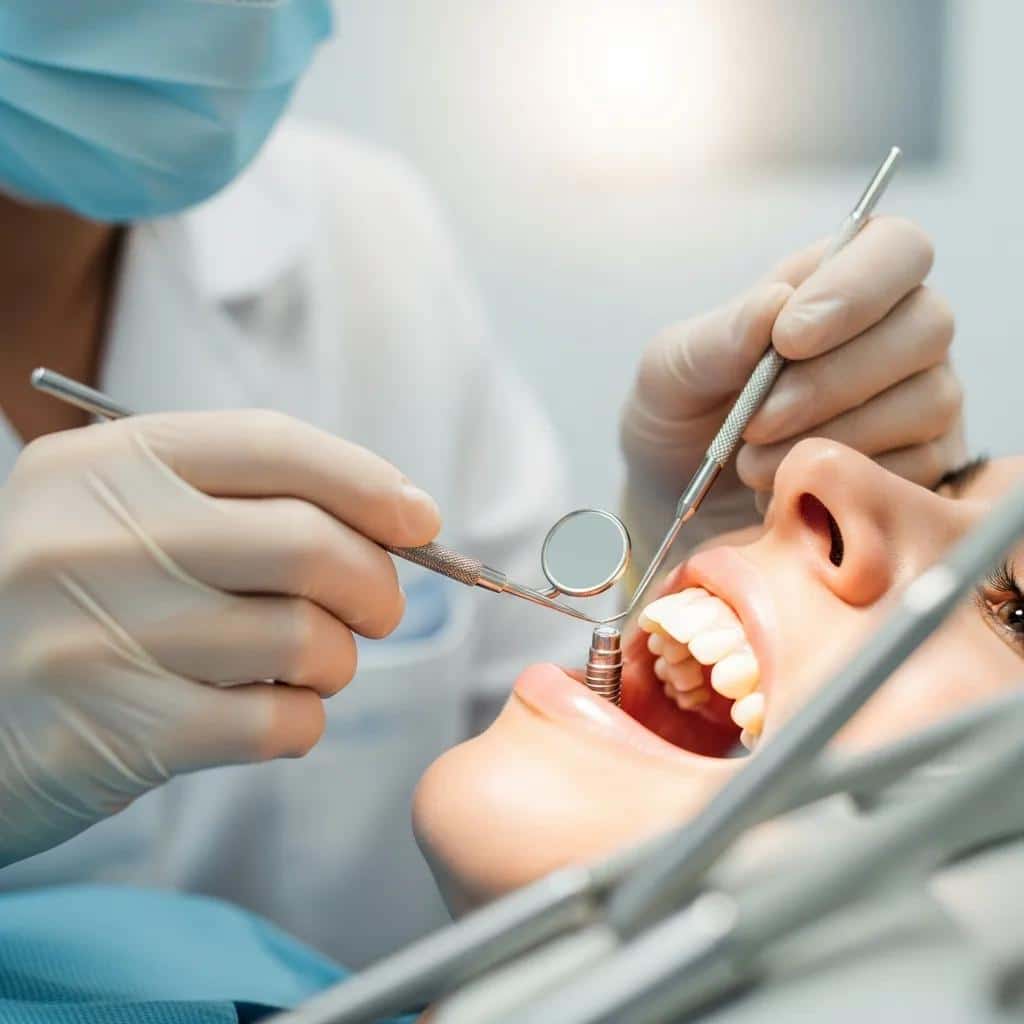
The expertise of the dentist plays a vital role in the success of dental implants. Proper placement techniques ensure that the implant is positioned correctly within the jawbone, allowing for optimal osseointegration. Experienced dentists are also better equipped to handle any complications that may arise during the procedure, further enhancing the likelihood of a successful outcome.
What Are the Common Causes of Dental Implant Failure and How Can They Be Prevented?
Understanding the common causes of dental implant failure is essential for patients to take preventive measures. By being aware of these issues, patients can work with their dental professionals to mitigate risks and ensure the longevity of their implants.
What Is Peri-implantitis and How Does It Affect Implant Health?
Peri-implantitis is an inflammatory condition that affects the tissues surrounding a dental implant, leading to bone loss and potential implant failure. It is often caused by poor oral hygiene and plaque accumulation. Regular dental cleanings and diligent home care are crucial for preventing this condition and maintaining implant health.
What Are the Signs and Symptoms of a Failing Dental Implant?
Patients should be aware of the signs and symptoms of a failing dental implant, which may include pain, swelling, and mobility of the implant. Early detection is key to addressing any issues before they escalate. If any of these symptoms occur, it is essential to seek professional evaluation promptly.
How Can Patients Maximize the Lifespan of Their Dental Implants Through Care and Maintenance?
Patients can take several proactive steps to maximize the lifespan of their dental implants. By implementing effective care and maintenance strategies, individuals can significantly enhance the longevity and success of their implants.
What Daily Oral Hygiene Practices Support Long-Term Implant Health?
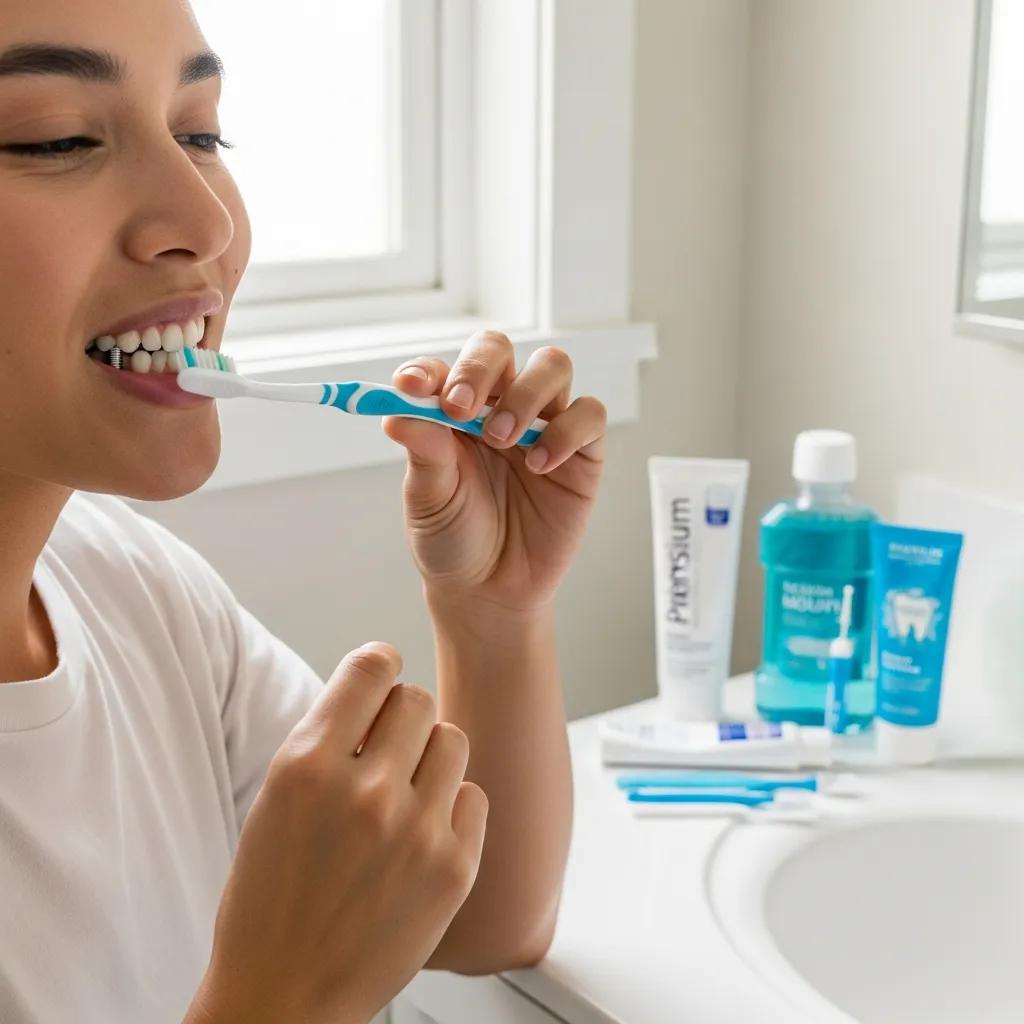
Daily oral hygiene practices are fundamental to the health of dental implants. Patients should brush their teeth at least twice a day using a soft-bristled toothbrush and fluoride toothpaste. Flossing daily is also essential to remove plaque and food particles from between the teeth and around the implant. Additionally, using an antibacterial mouthwash can help reduce the risk of infection.
Why Are Regular Dental Check-Ups and Professional Cleanings Essential?
Regular dental check-ups and professional cleanings are vital for maintaining the health of dental implants. These visits allow the dentist to monitor the condition of the implant and surrounding tissues, ensuring that any potential issues are addressed early. Professional cleanings help remove tartar buildup that cannot be eliminated through regular brushing and flossing.
What Dietary and Lifestyle Recommendations Support Dental Implant Longevity?
Diet and lifestyle choices play a significant role in the success of dental implants. By making informed decisions, patients can support their oral health and enhance the longevity of their implants.
Which Foods and Habits Promote Healthy Jawbone and Gum Support?
A balanced diet rich in calcium and vitamin D is essential for maintaining healthy jawbone and gum tissue. Foods such as dairy products, leafy greens, and fatty fish can provide the necessary nutrients to support oral health. Staying hydrated is also crucial, as it helps maintain saliva production, which protects against decay and infection.
How Do Smoking and Alcohol Consumption Impact Implant Success?
Smoking and excessive alcohol consumption can negatively impact the success of dental implants. Smoking impairs healing and increases the risk of complications, while excessive alcohol can interfere with the body’s ability to recover. Patients are encouraged to quit smoking and limit alcohol intake to improve their overall oral health and the longevity of their implants.
When Should Patients Seek Professional Help for Dental Implant Concerns?
Recognizing when to seek professional help for dental implant concerns is crucial for maintaining implant health. Early intervention can prevent complications and ensure the longevity of the implants.
What Are Early Warning Signs That Require Dental Evaluation?
Patients should be vigilant for early warning signs that may indicate a problem with their dental implants. Persistent pain, swelling around the implant, and changes in bite or alignment are all signals that warrant professional evaluation. Addressing these issues promptly can help prevent further complications.
How Can Early Intervention Prevent Implant Failure?
Early intervention is key to preventing implant failure. If patients notice any concerning symptoms, they should contact their dentist immediately. Timely evaluation and treatment can address potential issues before they escalate, ensuring the long-term success of the implant.
What Resources and Consultations Are Available at Affordable Dentist Near Me – Crowley for Dental Implant Patients?
Affordable Dentist Near Me – Crowley offers valuable resources and consultations for patients considering dental implants. Understanding the available support can help patients make informed decisions about their dental care.
How to Schedule a Free Dental Implant Consultation in Crowley, TX?
Patients interested in dental implants can schedule a free consultation at Affordable Dentist Near Me – Crowley by contacting the office directly. During this consultation, patients can discuss their options, ask questions, and receive personalized recommendations based on their unique needs.
What Patient Support and Comfort Measures Does the Clinic Offer?
Affordable Dentist Near Me – Crowley prioritizes patient comfort and support throughout the dental implant process. The clinic offers various comfort measures, including pain management options and follow-up care to ensure a positive experience for all patients.