Understanding the Role of Biocompatible Materials in Dental Implants’ Effectiveness: Benefits and Patient Outcomes
Biocompatible materials play a crucial role in the effectiveness of dental implants, significantly influencing patient outcomes. These materials are designed to interact positively with the human body, minimizing adverse reactions while promoting healing and integration. In this article, we will explore the various types of biocompatible materials used in dental implants, their benefits, and how they affect the success rates of these procedures. Understanding the importance of biocompatibility can help patients make informed decisions about their dental health and the materials used in their implants. We will cover the definitions and significance of biocompatible materials, the advantages of titanium and zirconia implants, the osseointegration process, and the latest innovations in implant surface treatments.
What Are Biocompatible Materials in Dental Implants?
Biocompatible materials are substances that can be safely introduced into the body without causing an immune response or rejection. In the context of dental implants, these materials are essential for ensuring that the implant integrates well with the surrounding bone and tissue. The importance of biocompatibility cannot be overstated, as it directly impacts the longevity and success of dental implants. Common biocompatible materials include titanium and zirconia, both of which have unique properties that make them suitable for dental applications.
Definition and Importance of Biocompatibility in Implant Materials
Biocompatibility refers to the ability of a material to perform its intended function without eliciting any harmful effects on the body. This characteristic is vital for dental implants, as the materials must not only support the mechanical load but also promote healing and integration with the bone. The significance of biocompatibility lies in its ability to reduce the risk of complications, such as infections or implant failure, thereby enhancing patient outcomes.
Common Biocompatible Materials: Titanium and Zirconia Overview
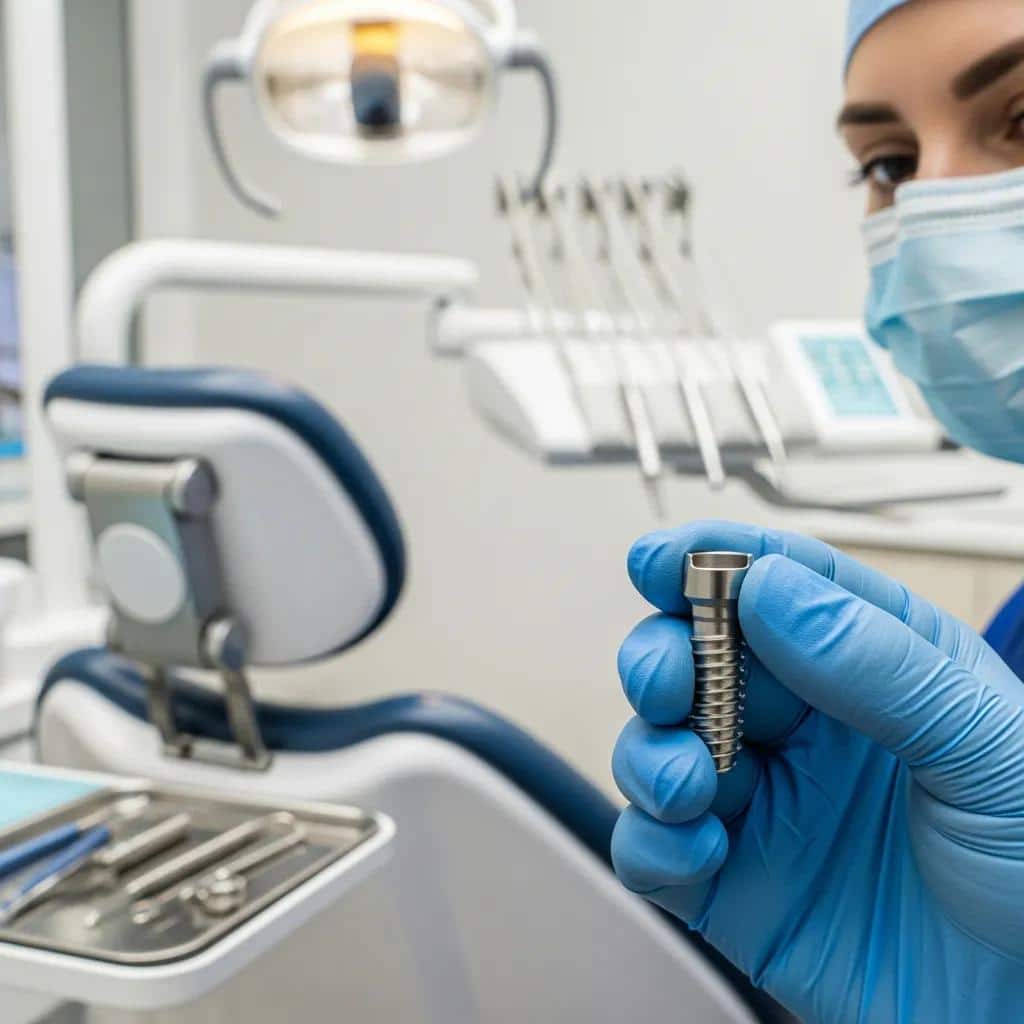
Titanium is the most widely used material for dental implants due to its excellent biocompatibility, strength, and resistance to corrosion. It has a long history of successful use in various medical applications, making it a trusted choice for dental implants. Zirconia, on the other hand, is a newer alternative that offers aesthetic advantages due to its tooth-like color and lower thermal conductivity. Both materials have unique properties that cater to different patient needs and preferences.
What Are the Benefits of Titanium Dental Implants?
Titanium dental implants offer numerous advantages that contribute to their popularity in dental practices. Their biocompatibility ratings are among the highest, ensuring a low risk of rejection and complications. Additionally, titanium implants have been shown to provide excellent clinical outcomes, including high success rates and longevity.
Properties and Biocompatibility Ratings of Titanium Implants
Titanium implants are known for their remarkable strength-to-weight ratio and resistance to corrosion. These properties make them ideal for withstanding the forces exerted during chewing. Biocompatibility ratings for titanium are high, with studies indicating a success rate of approximately 95% in well-maintained cases. This reliability is a significant factor in their widespread use in dental implantology.
Clinical Advantages and Longevity of Titanium Implants
The clinical advantages of titanium implants extend beyond their initial placement. They have been shown to integrate effectively with bone through a process known as osseointegration, which enhances stability and longevity. Many patients report that titanium implants can last for decades with proper care, making them a cost-effective solution in the long run.
What Are the Advantages and Limitations of Zirconia Implants?
Zirconia implants present a compelling alternative to titanium, particularly for patients concerned about aesthetics or metal allergies. While they offer several benefits, they also come with limitations that should be considered.
Zirconia Implant Properties and Biocompatibility
Zirconia is a ceramic material that is highly biocompatible and offers a natural tooth-like appearance. Its properties include high strength and resistance to wear, making it suitable for dental applications. Biocompatibility ratings for zirconia are also favorable, with studies showing low rates of adverse reactions. However, the material’s brittleness can be a concern in certain applications.
Emerging Clinical Applications and Allergy Risk Reduction
Recent studies have highlighted the potential of zirconia implants in reducing allergy risks for patients sensitive to metals. This makes zirconia an attractive option for individuals who may experience allergic reactions to titanium. Additionally, ongoing research is exploring new applications for zirconia in dental implantology, further expanding its use in clinical settings.
How Does Osseointegration Affect Implant Success?
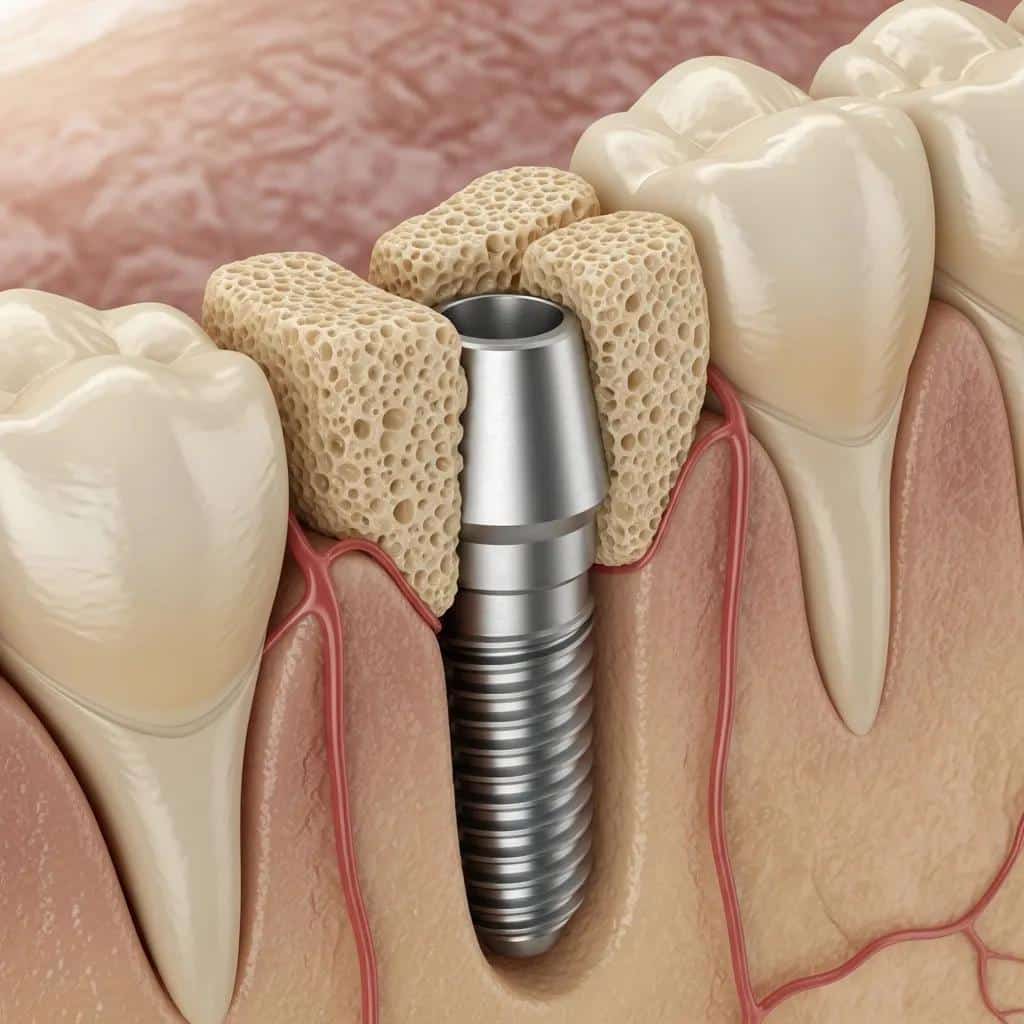
Osseointegration is a critical process that determines the success of dental implants. It refers to the direct structural and functional connection between the implant and the surrounding bone.
Osseointegration Process and Its Impact on Implant Stability
The osseointegration process involves the growth of bone tissue around the implant, providing stability and support. This integration is essential for the long-term success of the implant, as it helps to distribute the forces exerted during chewing. Factors such as the quality of the bone and the surface characteristics of the implant can significantly influence the osseointegration process.
Influence of Implant Material and Surface Treatments on Osseointegration
The choice of implant material and surface treatments can greatly affect osseointegration. Titanium implants, for example, can be treated to enhance their surface properties, promoting better bone integration. Similarly, advancements in surface treatments for zirconia implants are being developed to improve their osseointegration capabilities, making them more competitive with titanium options.
What Are the Latest Innovations in Implant Surface Treatments?
Innovations in implant surface treatments are continually evolving, aimed at enhancing biocompatibility and osseointegration.
Types of Surface Treatments Enhancing Biocompatibility
Various surface treatments, such as sandblasting, acid etching, and coating with bioactive materials, are employed to improve the biocompatibility of dental implants. These treatments can increase the surface area and promote better interaction with bone cells, leading to improved integration and stability.
Recent research further emphasizes the effectiveness of these advanced surface modifications in promoting successful implant integration and longevity.
Enhancing Dental Implant Osseointegration & Lifespan with Bioactive Coatings
Bioactive surface changes significantly improved osseointegration and lifespan of dental implants. Collagen-based coatings consistently encouraged early bone integration, while BMP-2 combinations were effective for osseointegration. Optimizing bioactive agent doses and combinations was critical for achieving desired outcomes.
Bioactive surface modifications on dental implants: a systematic review and meta-analysis of osseointegration and longevity, 2024
Clinical Benefits of Surface-Modified Titanium and Zirconia Implants
Surface-modified titanium and zirconia implants have shown promising clinical benefits, including faster osseointegration and reduced healing times. These advancements are crucial for improving patient outcomes and satisfaction, as they can lead to quicker restoration of function and aesthetics.
How Do Biocompatible Materials Influence Patient Outcomes and Allergic Reactions?
The choice of biocompatible materials in dental implants significantly influences patient outcomes, including success rates and the management of allergic reactions.
Success Rates and Healing Timelines Related to Implant Materials
Research indicates that titanium implants generally have higher success rates compared to other materials, with healing timelines averaging 3-6 months for osseointegration. Zirconia implants, while still effective, may have slightly longer healing times due to their different material properties.
Managing Allergic Reactions and Material Sensitivities in Dental Implants
For patients with known sensitivities, selecting the appropriate implant material is crucial. Titanium implants are well-tolerated by most patients, but those with metal allergies may benefit from zirconia implants. Proper assessment and management of allergies can lead to better patient outcomes and satisfaction.
Material
Biocompatibility Rating
Success Rate
Longevity
Titanium
High
>95%
10-20 years
Zirconia
Moderate
90-95%
5-15 years
This table illustrates the comparative biocompatibility and success rates of titanium and zirconia implants, highlighting their respective advantages and longevity.
In summary, understanding the role of biocompatible materials in dental implants is essential for both practitioners and patients. The choice between titanium and zirconia can significantly impact the success of the procedure and the overall patient experience. As innovations in materials and surface treatments continue to evolve, the future of dental implants looks promising, with improved outcomes and enhanced patient satisfaction.
To schedule a consultation and explore your options, consider booking an appointment with a qualified dentist.