Dental Implant Healing Stages: What to Expect Each Week After Surgery for a Successful Recovery
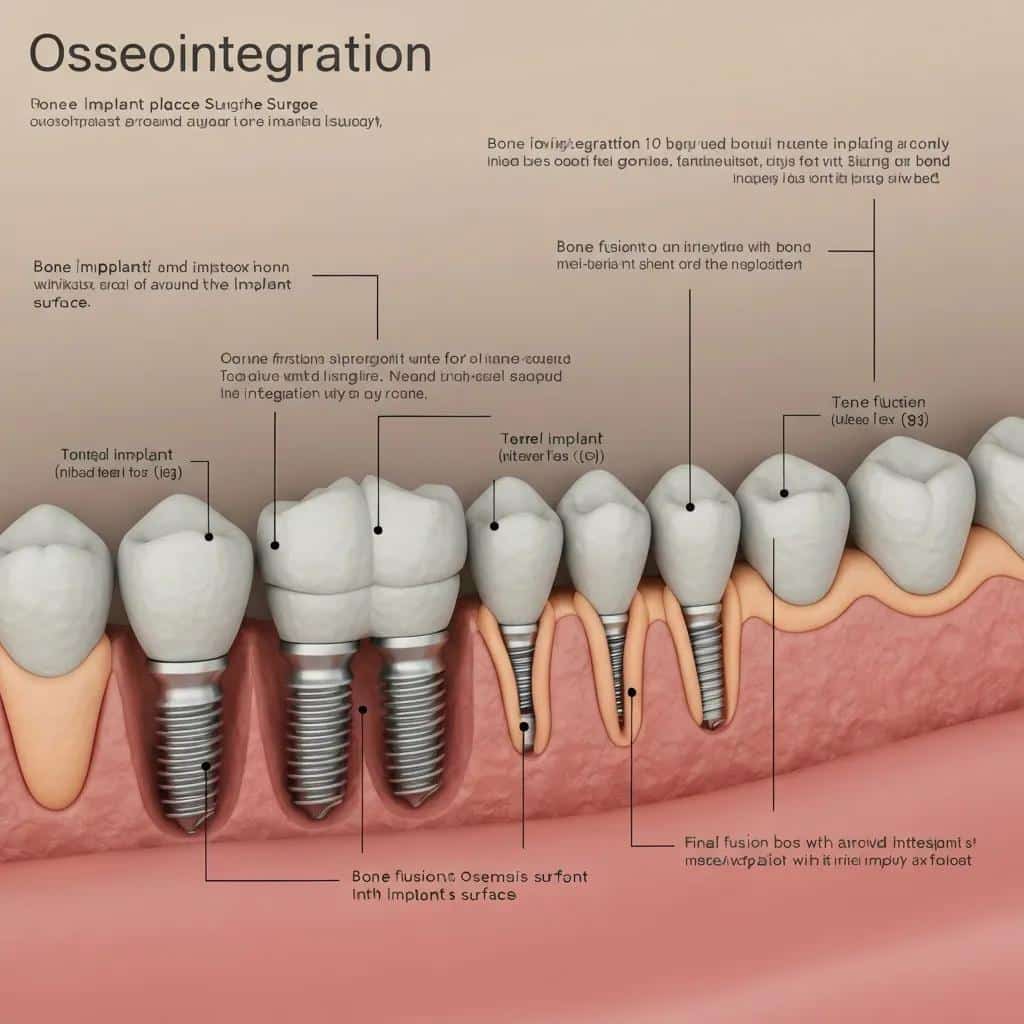
Dental implants are titanium fixtures placed into the jawbone to replace missing teeth, and successful recovery depends on staged healing that combines soft-tissue closure and bone integration. Osseointegration—the biological fusion of bone to the implant surface—begins shortly after placement and typically continues for several months, determining the long-term stability and function of the prosthetic tooth. Knowing what to expect week by week reduces anxiety, helps you follow evidence-based aftercare, and improves chances of a predictable outcome by guiding diet, hygiene, and activity choices. This guide walks through immediate post-op signs, the critical 2–6 week transition period, months 2–6 of bone remodeling, and the steps involved in abutment placement and final restoration, emphasizing practical checkpoints and red flags to watch for. If you want personalized guidance tailored to your health history or bone graft needs, Affordable Dentist Near Me of Dallas offers a Free Dental Consult at its Dallas location to review your case and outline a customized recovery plan. Read on for the detailed week-by-week timeline, clear care checklists, and actionable warning signs that tell you when to seek prompt professional review.
What Are the Key Stages of Dental Implant Healing?
Dental implant healing proceeds through defined stages: immediate post-operative wound healing, soft-tissue maturation, progressive osseointegration, and final prosthetic restoration, each with distinct clinical goals and timelines. The immediate stage focuses on hemostasis and early epithelial closure to protect the implant site, while early bone healing shifts to woven bone deposition and vascular ingrowth that set the stage for later remodeling. Osseointegration is the core biological process where new lamellar bone forms on the implant surface over weeks to months, providing rigid fixation that allows safe loading. Final restorative stages include abutment placement and crown or bridge delivery, which rely on both hard- and soft-tissue stability to achieve durable function and esthetics. Understanding these stages helps patients follow the right behaviors at each phase to promote successful fusion and minimize complications.
What Is Osseointegration and Why Is It Crucial?
Osseointegration is the process by which living bone bonds directly to an implant surface, creating a stable interface that supports chewing forces and prevents micro-movement that would otherwise cause failure. Mechanistically, osteoblasts deposit mineralized matrix onto the implant surface while vascular ingrowth supplies nutrients, and over several months initial woven bone remodels into stronger lamellar bone. The clinical benefit is predictable long-term anchorage: a well-integrated implant behaves like a natural tooth root, distributing occlusal loads into the jaw. Patient behaviors—adequate nutrition, avoidance of smoking, and adherence to activity restrictions—support angiogenesis and osteogenesis, whereas systemic factors like poorly controlled diabetes or certain medications can hinder fusion. Recognizing osseointegration as the outcome measure for implant success guides follow-up timing and restorative decisions.
How Long Does the Complete Dental Implant Healing Process Take?
The complete dental implant healing timeline typically ranges from about 3 to 6 months but varies with site conditions and any adjunctive procedures such as bone grafting or sinus augmentation. Initial soft-tissue healing and suture resorption occur within the first 1–4 weeks, while initial bone deposition begins within days and progresses to measurable osseointegration over weeks 6–12, with continued remodeling after three months. Factors that extend healing include poor bone quality, the need for grafting, smoking, advanced age, systemic conditions like uncontrolled diabetes, and certain medications that affect bone metabolism. Clinicians use clinical exams and radiographic evaluation to decide when to place abutments and finalize prosthetics; this individualized assessment explains why stated timeframes are ranges rather than fixed dates.
What Happens During the First Week After Dental Implant Surgery?
The first week after implant surgery is when most patients experience the highest levels of acute symptoms—pain, swelling, mild bleeding, and local bruising—as soft tissues close and early clot formation stabilizes. Managing inflammation, protecting the surgical site from mechanical insult, and following prescribed analgesic and antimicrobial regimens are the immediate priorities to reduce complication risk and support early healing. Early behavioral choices such as maintaining a soft-food pattern, avoiding smoking and alcohol, and using gentle oral rinses when appropriate materially influence how smoothly the wound seals and how quickly discomfort resolves. Clinicians typically schedule an early check—often within 5–10 days—to evaluate soft tissue, remove or assess sutures, and confirm that initial healing is progressing. Close attention during week one sets the stage for the transition into the 2–6 week integration window.
What Symptoms Should You Expect in Days 1-3?
During days 1–3 post-op, expect moderate localized pain that is usually controllable with prescribed or over-the-counter analgesics, progressive swelling peaking around 48–72 hours, and minimal oozing from the extraction or implant site that gradually diminishes. Pain is typically worst in the first 48 hours and should respond to medication and cold-compression; persistent escalating pain or new sharp radiating pain warrants evaluation. Swelling and mild facial bruising are normal inflammatory responses and usually begin to subside after day three; applying ice intermittently during the first 24–48 hours helps limit edema and reduces discomfort. Normal bleeding is light and can be managed with gentle pressure and soft diet choices; heavy bleeding, spreading bruising, numbness that increases instead of improving, or systemic fever are abnormal and require prompt contact with your provider. Monitor these changes closely, because early symptom patterns indicate whether healing is following the expected course.
What Are the Essential Care Tips for the First Week?
Essential first-week care concentrates on protecting the wound and supporting tissue perfusion: adhere to a soft-food diet, avoid vigorous rinsing for the first 24 hours, gently rinse with warm salt water after 24 hours, and use a soft-bristled toothbrush to clean non-surgical areas. Follow prescribed medication instructions exactly—antibiotics if given, scheduled analgesics for breakthrough pain, and topical agents as recommended—because medication timing and adherence reduce infection risk and improve comfort. Avoid smoking, alcohol, and straws, which create suction and disturb clot stability; likewise, sleep with head elevation to limit swelling and avoid strenuous exercise that raises blood pressure and bleeding risk. Maintain soft-food examples such as yogurt, mashed potatoes, smoothies (without a straw), and scrambled eggs, which provide calories while minimizing mechanical stress on the site. These measures collectively promote orderly soft-tissue closure and prepare the site for subsequent bone healing.
How Does Healing Progress in Weeks 2 to 6 After Surgery?
Weeks 2–6 represent a transitional window where soft tissues strengthen and the earliest stages of osseointegration advance from woven bone deposition toward more organized bone structure, while clinical symptoms continue to decline. Clinically, swelling and overt pain should be markedly reduced by week two, sutures—if present—often dissolve or are removed, and patients may begin a cautious reintroduction of firmer foods as tolerated. During weeks 3–6, clinicians look for signs of increasing implant stability, absence of infection, and healthy surrounding gingiva without persistent tenderness; radiographic signs of bone fill begin to appear but full radiographic integration may lag clinical stability. Patient behaviors—balanced nutrition with sufficient protein and calcium, controlled activity levels, and continued avoidance of tobacco—support the bone remodeling processes that underlie stable osseointegration. Following scheduled follow-ups during this period allows the dental team to confirm expected progress and adjust the timeline for restorative steps if necessary.
Healing Marker
Typical Week-by-Week Pattern
What It Means
Pain/Discomfort
Sharp decline by week 2; mild tenderness by weeks 3–4
Pain reduction indicates inflammation resolution and wound stabilization
Swelling
Peaks day 2–3 then minimal by week 2
Persistent swelling beyond week 2 suggests infection or reaction
Diet Tolerance
Soft foods initially; gradual firmer foods by week 3–4
Improving diet tolerance signals increasing implant site confidence
Tissue Changes
Suture dissolution by week 2; pink, well-adapted gingiva by weeks 3–6
Healthy tissue maturation supports prosthetic margins and esthetics
This comparison clarifies that visible improvements in symptoms and diet tolerance typically precede complete bone-level integration, so patients should continue protective behaviors while progressive bone healing progresses.
What Changes Occur During Week 2?
In week two most patients notice a clear reduction in pain and swelling, suture sites heal or are assessed by the clinician, and the gingival tissue begins to firm and adapt around the implant collar. Sutures that were placed to approximate tissue edges commonly dissolve or are removed during an early follow-up visit, and any persistent localized redness should be evaluated to rule out infection. Diet can slowly expand to include more textured foods if the site remains comfortable, but biting directly on the implant area should still be avoided to prevent micromotion. Oral hygiene can be progressively more thorough, emphasizing gentle brushing nearby and antiseptic rinses as directed to keep biofilm under control without disturbing the wound. These changes set the foundation for the bone deposition and remodeling that accelerates in the coming weeks.
How Does Osseointegration Develop Between Weeks 3-6?
Between weeks three and six osteoblast activity increases and woven bone laid down in the immediate post-op phase begins to mature, improving mechanical coupling at the implant interface and reducing micromotion risk. Clinicians assess primary indicators—lack of mobility, stable or improving soft tissue health, and absence of infection signs—because these correlate with progressing osseointegration even though radiographic density changes may lag clinical stability. Patient contributions during this time—adequate dietary protein and micronutrients, avoidance of nicotine, and careful oral hygiene—support matrix mineralization and vascular health necessary for bone formation. This early remodeling is a dynamic period; if healing appears delayed, clinicians may order radiographs or modify the restorative timeline to protect long-term outcomes. Observing steady improvements during weeks 3–6 is a strong predictor of eventual implant success.
What Should You Know About Healing From Months 2 to 6?
Months 2–6 are when osseointegration consolidates: lamellar bone replaces early woven bone, the bone-implant interface strengthens, and clinicians monitor stability through clinical testing and radiographs. Functionally, this period determines when the implant can safely receive load from an abutment and final crown without risking micromotion that compromises fusion. Regular check-ups typically include probing, mobility checks, and imaging at intervals to verify bone levels and detect early peri-implant changes; these visits help tailor timing for restorative planning. Patients should maintain optimized systemic health—managing glucose, ensuring adequate calcium and vitamin D intake, and avoiding nicotine—to maximize bone remodeling capacity. Successful outcomes during months 2–6 translate into long-term implant survival and a durable prosthetic foundation.
How Does the Implant Fuse with the Jawbone Over Time?
Over months 2–6 the biological progression evolves from disorganized woven bone toward organized lamellar bone with improved mineral density and structural alignment, increasing the implant’s load-bearing capacity. Osteoclastic and osteoblastic remodeling reshapes bone architecture to match mechanical demands, so controlled functional loading at the right time can actually enhance bone quality through mechanotransduction. Clinically, fusion is evaluated by the absence of mobility, stable crestal bone levels on radiographs, and healthy peri-implant soft tissues; these indicators together confirm functional osseointegration. If integration stalls or radiographs show bone loss, early interventions—such as addressing infection or adjusting loading—are necessary to prevent failure. This time window is therefore critical for both biological consolidation and clinical decision-making before final prosthetics.
Why Are Regular Check-Ups Important During This Period?
Regular check-ups during months 2–6 allow the clinician to verify osseointegration progress, detect early signs of complications, and plan the timing of abutment placement and final restoration based on objective findings rather than arbitrary timelines. Follow-up visits typically include a soft-tissue exam, assessment of implant mobility, occlusal analysis if provisional restorations are present, and radiographic imaging to monitor crestal bone levels and detect any peri-implant bone loss. Early detection of problems such as persistent inflammation, mucosal recession, or radiographic bone changes enables conservative corrective steps that preserve the implant. These appointments also provide opportunities to reinforce home-care behaviors and tailor dietary or medication recommendations, ensuring the patient remains an active partner in achieving a durable result.
When and What to Expect During Abutment Placement and Final Restoration?
Abutment placement and final restoration are restorative milestones that transform a healed implant fixture into a functional tooth replacement, and each step has distinct implications for soft-tissue shaping and short-term comfort. Abutment placement involves connecting a transmucosal component that supports the crown and contours the gingiva; this may be a minor surgical or non-surgical procedure depending on the implant system and whether a staged approach was used. Final crown or bridge installation follows after confirmed stability and often involves impressions or digital scans, laboratory fabrication, and clinical delivery with occlusal adjustments to ensure comfortable function. Short-term recovery from these procedures is usually mild—localized soreness or sensitivity that resolves in days—while long-term success depends on precise prosthetic fit, proper occlusion, and continued oral hygiene.
Procedure
Attribute
Typical Timing/Outcome
Abutment Placement
Tissue effect
Minor contouring of gingiva; brief local soreness
Abutment Placement
Procedure type
Minor outpatient procedure; often quick recovery
Final Crown/Bridge
Functional outcome
Restores occlusion and esthetics; immediate function if stable
Final Crown/Bridge
Recovery
Light sensitivity for 24–72 hours; no extended healing required
This comparison helps patients anticipate the differences in procedure complexity and short-term symptoms between abutment placement and definitive prosthetic delivery.
What Is Abutment Placement and How Does It Affect Healing?
Abutment placement connects the implant fixture to the prosthesis and plays a key role in shaping the peri-implant soft tissue for optimal esthetics and hygiene access, with most patients experiencing only minor transient discomfort. In a two-stage approach the abutment is placed after initial osseointegration and soft tissue healing; in one-stage systems the abutment may be present from the time of implant placement, altering early soft-tissue management. Abutment selection—height, diameter, and angulation—affects how the crown will sit and how easy it is to keep the margin clean, making this step important for long-term tissue health. Typical aftercare focuses on gentle hygiene around the abutment, temporary soft-food recommendations if necessary, and short-term analgesics for any soreness. A proper abutment connection reduces microgap movement and helps preserve crestal bone, promoting durable integration before final restoration.
How Is the Final Crown or Bridge Installed?
Final prosthetic installation begins with digital scanning or impressions, followed by laboratory fabrication of a crown or bridge that matches occlusion, contacts, and esthetic requirements; clinical delivery involves careful fit checks and occlusal adjustments. During the delivery appointment the clinician verifies marginal fit, proximal contacts, and bite relationships, making small adjustments so the restoration functions harmoniously with opposing teeth and does not overload the implant. Patients may notice slight sensitivity or awareness of the new restoration for the first 24–72 hours, but significant pain or loosening is uncommon and should prompt evaluation. Long-term maintenance includes routine hygiene visits and protecting the restoration from bruxism or traumatic contacts to optimize implant longevity. Successful delivery of the final prosthesis marks the culmination of staged healing and careful restorative planning.
What Are the Best Practices for Dental Implant Aftercare?
Aftercare combines targeted oral hygiene, progressive dietary advancement, medication adherence, and activity modification to protect soft tissues and promote osseointegration; following these elements systematically reduces complication risks and improves outcomes. Maintaining meticulous plaque control around the implant prevents biofilm-driven inflammation while adequate nutrition supplies building blocks for bone remodeling. Activity modifications—avoiding heavy lifting and strenuous exercise in early weeks—reduce bleeding and edema risks, and refraining from nicotine and alcohol removes factors that impair vascular supply. This coordinated approach supports both the biological processes of bone healing and the mechanical requirements for stable implant integration. Below are clear, actionable aftercare recommendations organized by behavior type to help you follow a consistent recovery plan.
Patients should follow this diet progression to protect healing while meeting nutritional needs.
Soft-food phase for first 7–10 days such as yogurt, mashed vegetables, and smoothies (no straws).
Semi-soft foods in week 2–3 including soft bread, cooked pasta, and tender fish as tolerated.
Gradual reintroduction of firmer foods from weeks 4–6, avoiding hard, crunchy, or sticky items until cleared by the clinician.
These dietary stages protect clot stability, reduce mechanical stress on the implant site, and ensure adequate caloric and protein intake for bone repair. Transitioning through these diet phases supports both comfort and biological recovery.
Aftercare Element
Attribute
Recommended Action
Oral Hygiene
Early phase
Gentle brushing; salt-water rinses after 24 hours
Diet
First 1–2 weeks
Soft foods; avoid hard, crunchy, sticky items
Medications
Pain/infection
Take prescribed antibiotics/analgesics as directed
Activity
First 1–2 weeks
Avoid heavy lifting and vigorous exercise
This table provides a concise checklist patients can scan to confirm they are following evidence-based aftercare behaviors that support healing.
What Dietary Restrictions Support Healing?
Dietary restrictions during early recovery protect the surgical site from mechanical disruption and support nutrient intake required for tissue repair: emphasize protein-rich, soft options and avoid foods that require forceful chewing. Immediate recommendations include yogurt, blended soups (lukewarm), well-cooked vegetables, scrambled eggs, and smoothies consumed without a straw to prevent negative pressure at the site. Avoid hard, crunchy, sticky, or very hot foods for at least 2–4 weeks depending on clinical guidance, since these items can dislodge clots, irritate sutures, or cause localized trauma. Gradually reintroduce firmer textures as comfort and clinical checks allow, prioritizing nutrient-dense choices to supply protein, vitamin C, and calcium for bone remodeling. Thoughtful dietary progression minimizes mechanical risks while furnishing necessary substrates for biological healing.
How Should You Maintain Oral Hygiene After Surgery?
Oral hygiene after implant surgery emphasizes gentle but effective plaque control: in the first 24–72 hours avoid forceful rinsing, then employ warm salt-water rinses and a soft-bristled toothbrush around non-surgical areas to prevent biofilm accumulation. After the initial 24 hours, rinse gently with saline or an alcohol-free antiseptic rinse as recommended; start carefully brushing adjacent teeth while avoiding direct trauma to the surgical site until the clinician advises otherwise. Interdental cleaning and flossing are reintroduced gradually—typically after 2–4 weeks—once soft tissues have sufficiently sealed; specialized tools like single-tuft brushes or water irrigators may be recommended later to maintain peri-implant cleanliness. Professional hygiene visits are important for removing plaque and monitoring tissue health, and consistent home care markedly lowers the risk of peri-implantitis. These practices maintain a clean environment that enables osseointegration to proceed without microbial interference.
What Activities Should Be Limited During Recovery?
Limit activities that increase blood pressure or create suction near the mouth—such as heavy lifting, strenuous exercise, smoking, and using straws—during the initial 1–2 weeks because they increase bleeding risk and can disrupt clot formation essential for healing. Smoking, in particular, constricts blood vessels and impairs oxygen delivery to healing tissues, reducing bone formation and increasing failure risk; avoid tobacco for the entire integration period if possible. Avoid alcohol and NSAID overuse that may interfere with inflammation control and healing unless directed by your clinician, and resume normal workouts only after clearance which commonly occurs after the first 2–4 weeks. These activity restrictions are practical measures that directly protect the mechanical and biological conditions necessary for predictable implant integration. Returning to normal activity should be gradual and guided by comfort and clinical assessment.
What to do next: If you have specific medical conditions or want a personalized post-op plan, Affordable Dentist Near Me of Dallas offers a Free Dental Consult where clinicians review your health history and tailor aftercare timelines and appointments. This no-cost consultation can clarify the expected healing timeline for your situation, especially if bone grafting or systemic conditions are present, and helps you plan follow-up visits and restorations.
How Can You Recognize and Manage Common Dental Implant Complications?
Recognizing complications early—such as infection, peri-implantitis, nerve injury, or implant mobility—allows timely intervention that preserves the implant and the surrounding bone; knowing specific signs and initial self-care steps empowers patients to act appropriately. Common early complications include persistent or worsening pain, increasing swelling after day 3, purulent discharge, fever, and implant mobility; later complications may present as chronic inflammation, radiographic bone loss, or prosthetic loosening. Initial self-management focuses on avoiding further trauma, maintaining hygiene as advised, and seeking prompt professional assessment if warning signs appear. For non-urgent concerns clinicians often offer triage via a Free Dental Consult to evaluate symptoms and advise next steps, while emergencies require immediate contact and expedited care.
Key warning signs to watch for after dental implant surgery—these items help patients distinguish normal healing from complications.
Increasing or unremitting pain beyond the expected first 72 hours.
Persistent swelling or spreading redness after the initial decline.
Pus, foul taste, or drainage from the surgical site indicating infection.
These signs indicate the need for professional evaluation because they suggest bacterial infection or compromised healing that requires targeted treatment.
What Are the Signs of Infection or Peri-Implantitis?
Signs of infection or peri-implantitis include escalating pain, persistent or increasing swelling, localized redness, purulent discharge, a persistent bad taste, and systemic signs such as fever or malaise; radiographs may later show crestal bone loss. Clinically, peri-implantitis presents as pocketing around the implant, bleeding on probing, and progressive bone loss; early mucositis may appear as reversible inflammation without bone loss. Distinguishing normal post-op discomfort from infection depends on timing and progression—symptoms that worsen after an initial improvement or include purulent material are more likely to indicate infection. Prompt professional management—antibiotic therapy when indicated, local debridement, and sometimes surgical intervention—reduces the likelihood of implant failure. Early recognition and rapid clinician-directed care are therefore vital to preserve implant integrity.
When Should You Contact Your Dallas Dental Implant Specialist?
Contact your Dallas dental implant specialist immediately if you experience severe, worsening pain unrelieved by medication, uncontrolled bleeding, signs of systemic infection (fever, chills), or sudden implant mobility; these issues can indicate emergencies that require expedited evaluation. For less acute but concerning symptoms—such as persistent tenderness beyond two weeks, new drainage, or steadily increasing swelling—book a prompt review; Affordable Dentist Near Me of Dallas encourages patients with worrying symptoms to schedule a Free Dental Consult for no-cost triage and personalized guidance on next steps. Non-urgent questions about diet progression, activity restrictions, or timing of restorative appointments can also be addressed via the Free Dental Consult to ensure your recovery plan fits your specific health situation. Early communication with your implant provider expedites diagnosis and treatment and helps avoid avoidable complications.
What Factors Influence the Success and Speed of Dental Implant Healing?
Multiple factors shape implant healing speed and likelihood of success: patient health (age, metabolic conditions), lifestyle behaviors (smoking, nutrition), surgical variables (bone quality, grafting), and provider technique and follow-up care. Systemic conditions such as uncontrolled diabetes or immune suppression impair vascular supply and cellular activity essential for bone deposition, slowing osseointegration. Smoking reduces oxygen delivery and increases infection risk, while poor bone density or the need for augmentation extends timelines and can require staged approaches. Conversely, meticulous surgical technique, proper implant selection and positioning, and patient adherence to aftercare collectively raise the probability of predictable fusion. Understanding these factors helps set realistic expectations and guides pre-op optimization to maximize outcomes.
How Do Age and Health Conditions Affect Recovery?
Age-related changes—reduced bone density, slower cellular turnover, and altered immune responses—can lengthen healing timelines, but many older adults achieve successful osseointegration with appropriate screening and optimization. Chronic conditions like diabetes impair microvascular perfusion and immune defenses; well-controlled diabetes with medical coordination significantly reduces added risk compared with poorly controlled disease. Osteoporosis and medications that affect bone metabolism may require specific planning, possible medical consultation, and sometimes altered implant approaches to offset risks. Pre-operative optimization—controlling blood glucose, ensuring adequate nutrient levels, and coordinating with medical providers—improves healing prospects and helps clinicians set personalized timelines for restorative steps.
Why Is Following Post-Operative Instructions Critical?
Following post-operative instructions is critical because simple behaviors—proper medication adherence, avoiding tobacco, and gentle oral hygiene—have outsized effects on infection risk, clot stability, and the biological environment needed for osseointegration. Evidence-based instructions reduce mechanical disruption, minimize bacterial contamination, and ensure adequate nutrient and oxygen delivery to healing tissues; non-adherence correlates with higher rates of complications and implant loss. Top high-impact instructions include avoiding smoking, maintaining soft-food diets during the early weeks, taking prescribed antibiotics when indicated, and attending scheduled follow-ups for monitoring. These practical actions directly translate into measurable improvements in healing trajectories and long-term implant survival.
How Does Smoking Impact Implant Healing?
Smoking impairs implant healing by constricting blood vessels, reducing tissue oxygenation, and impairing immune cell function—mechanisms that diminish bone formation and increase infection risk around implants. Studies consistently show higher rates of peri-implantitis, delayed healing, and implant failure among smokers compared with non-smokers, with a dose–response relationship to tobacco exposure. For best outcomes patients should refrain from smoking before surgery and for the entire osseointegration period; abstaining for several months around the implant procedure substantially improves vascular recovery and bone remodeling potential. Smoking cessation support options can be discussed during pre-op planning, because quitting enhances both short-term healing and long-term oral health.