Understanding Dental Implant Longevity: How Long Can You Expect Them to Last?
Dental implants have revolutionized restorative dentistry, providing a durable solution for tooth loss. Understanding the longevity of dental implants is crucial for patients considering this option, as it directly impacts their investment and overall oral health. This article will explore the lifespan of dental implants, the factors influencing their durability, and best practices for maintenance. By understanding these elements, patients can make informed decisions about their dental care. We will also discuss how lifestyle choices and health conditions can affect implant longevity, as well as the importance of regular dental check-ups.
What Is a Dental Implant and How Does It Work?
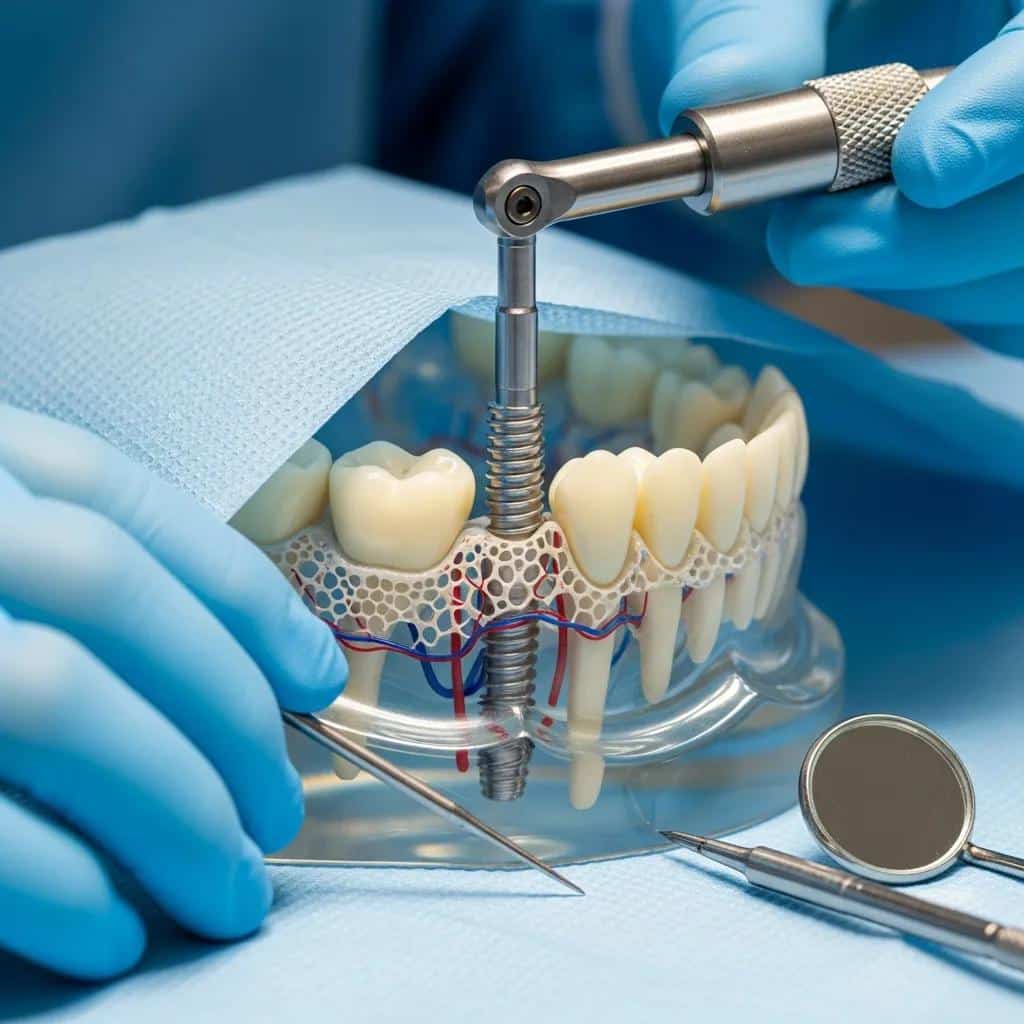
A dental implant is a surgical fixture that is placed into the jawbone, acting as a replacement root for a missing tooth. It is designed to integrate with the bone through a process called osseointegration, providing a stable foundation for artificial teeth. The primary components of a dental implant include the implant post, abutment, and dental crown.
What Are the Components of a Dental Implant?
The components of a dental implant work together to create a functional and aesthetic replacement for a natural tooth.
Implant Post: This titanium post is surgically inserted into the jawbone and serves as the root of the artificial tooth.
Abutment: This connector piece is placed on top of the implant post, providing a stable base for the dental crown.
Dental Crown: The visible part of the implant, the crown is custom-made to match the color and shape of the surrounding teeth.
These components work in unison to restore both function and appearance, making dental implants a popular choice for tooth replacement.
How Does Osseointegration Ensure Implant Stability?
Osseointegration is the biological process through which the implant post fuses with the jawbone, providing stability and support. This integration is crucial for the long-term success of the implant. Factors such as bone quality, the surgical technique used, and the patient’s overall health can influence the effectiveness of osseointegration. When successful, osseointegration allows the implant to withstand the forces of chewing and biting, mimicking the function of a natural tooth.
What Is the Average Lifespan of Dental Implants?
The average lifespan of dental implants can vary significantly based on several factors, including the patient’s oral hygiene, lifestyle habits, and overall health. Generally, dental implants can last 25 years or more, with many lasting a lifetime when properly cared for.
How Long Does the Implant Post Last Compared to the Crown?
The implant post is designed to last much longer than the dental crown. While the post can remain intact for decades, the crown typically needs to be replaced every 10 to 15 years due to wear and tear. Factors such as oral hygiene practices and dietary habits can influence the longevity of the crown.
What Do Recent Studies Say About Implant Survival Rates?
Recent studies indicate that dental implants have a high survival rate, often exceeding 90-95% after 10 years. Factors such as proper placement, patient health, and adherence to aftercare instructions play a significant role in these statistics. Ongoing research continues to explore the long-term success of various implant materials and techniques, providing valuable insights for both patients and dental professionals.
Which Factors Affect Dental Implant Longevity?
Several factors can influence the longevity of dental implants, including oral hygiene, health conditions, and lifestyle habits. Understanding these factors can help patients take proactive steps to ensure the success of their implants.
How Does Oral Hygiene Impact Implant Durability?
Maintaining excellent oral hygiene is crucial for the longevity of dental implants. Regular brushing, flossing, and professional cleanings help prevent infections and complications that can lead to implant failure. Patients should follow their dentist’s recommendations for care to ensure their implants remain healthy.
What Role Do Health Conditions Like Diabetes Play?
Health conditions such as diabetes can significantly impact the success of dental implants. Patients with uncontrolled diabetes may experience delayed healing and a higher risk of infection, which can compromise the stability of the implant. It is essential for individuals with such conditions to manage their health effectively and consult with their dentist before undergoing implant surgery.
Indeed, studies have specifically investigated the critical link between systemic health conditions and the long-term viability of dental implants.
Diabetes Mellitus and Dental Implant Success Rates
We conclude that patients with poorly controlled diabetes suffer from impaired osseointegration, elevated risk of peri-implantitis, and higher level of implant failure. The influence of duration of the disease is not fully clear. The supportive administration of antibiotics and chlorhexidine seems to improve implant success. When diabetes is under well control, implant procedures are safe and predictable with a complication rate similar to that of healthy patients.
Dental implants and diabetes mellitus—a systematic review, 2016
How Do Lifestyle Habits Influence Dental Implant Lifespan?
Lifestyle choices can also affect the longevity of dental implants. Factors such as smoking, bruxism, and diet play a significant role in the overall health of the implants.
Why Is Smoking a Major Risk for Implant Failure?
Smoking is a well-known risk factor for dental implant failure. It can impair blood flow to the gums, hinder healing, and increase the risk of infection. Patients are strongly advised to quit smoking before and after implant surgery to improve their chances of success.
How Does Bruxism Affect Implant Longevity?
Bruxism, or teeth grinding, can place excessive pressure on dental implants, potentially leading to complications. Patients who grind their teeth should discuss management strategies with their dentist, which may include the use of a night guard to protect their implants.
Research further emphasizes the multifaceted nature of factors impacting implant durability, including patient-specific habits like bruxism.
Factors Influencing Dental Implant Longevity
The longevity of teeth, dental restorations and dental implants is affected by a range of different factors, related to materials used, technical factors as well as patient-related factors.
Bruxism and dental implants: A systematic review and meta‐analysis, B Häggman‐Henrikson, 2024
How Does Implant Location and Bone Quality Affect Longevity?
The location of the implant and the quality of the surrounding bone are critical factors in determining the longevity of dental implants.
Why Is Jawbone Health Critical for Implant Success?
Healthy jawbone is essential for the successful placement of dental implants. Insufficient bone density can lead to implant failure, as the post requires adequate support to remain stable. Bone grafting procedures may be necessary for patients with significant bone loss to ensure successful integration.
Does Implant Placement in Front or Back Teeth Matter?
The placement of the implant can also influence its longevity. Implants in the back of the mouth may experience more force during chewing, making them more susceptible to complications. Conversely, front teeth implants are often more visible and may require additional aesthetic considerations.
What Are the Best Practices to Maximize Dental Implant Lifespan?
To ensure the longevity of dental implants, patients should adopt best practices for care and maintenance.
What Daily Care Routines Support Long-Term Implant Health?
Daily care routines for dental implants should include:
Brushing Twice Daily: Use a soft-bristled toothbrush and non-abrasive toothpaste to clean around the implant.
Flossing Daily: Flossing helps remove plaque and food particles from around the implant and adjacent teeth.
Using Antimicrobial Mouthwash: This can help reduce bacteria in the mouth and promote gum health.
These practices can significantly enhance the longevity of dental implants.
How Do Regular Dental Check-Ups Contribute to Longevity?
Regular dental check-ups are vital for monitoring the health of dental implants. During these visits, dentists can assess the condition of the implant, perform professional cleanings, and address any potential issues before they become serious. Patients should schedule check-ups at least once or twice a year to maintain optimal oral health.
What Are the Success Rates and Long-Term Statistics for Dental Implants?
Dental implants boast impressive success rates, making them a reliable option for tooth replacement.
What Is the Typical Success Rate Over 15 to 40 Years?
Studies show that dental implants have a success rate of approximately 90-95% after 10 to 15 years, with many lasting even longer. Long-term studies beyond 20 years are limited but suggest that with proper care, implants can last several decades. Factors such as proper placement, patient compliance with care instructions, and regular dental visits contribute to these high success rates.
How Do Implant Materials Like Titanium and Zirconia Affect Outcomes?
The materials used in dental implants, such as titanium and zirconia, can influence their success. Titanium is widely used due to its biocompatibility and strength, while zirconia offers a tooth-colored option that may be preferred for aesthetic reasons. Both materials have demonstrated high success rates, but titanium implants have a longer track record and more extensive research supporting their use.
Why Choose Dentist In Mansfield for Long-Lasting Dental Implants?
Choosing the right dental practice is crucial for ensuring the longevity of your dental implants.
How Does Our Experienced Team Ensure Implant Longevity?
At Dentist In Mansfield, our experienced team specializes in dental implants and dentures. We utilize advanced techniques and technology to ensure optimal placement and integration of implants. Our commitment to patient care and education helps ensure that you understand the best practices for maintaining your implants.
What Financing Options Support Your Long-Term Investment?
We understand that dental implants are a significant investment. That’s why we offer various financing options to make this essential treatment more accessible. Our team is here to help you explore the best payment plans that fit your budget, ensuring you can achieve a healthy, beautiful smile without financial stress.