The Real Cost of Dental Implants — Fees, Financing, and Long-Term Care
Dental implants are a durable, natural-looking solution for replacing missing teeth. But the sticker price is only part of the story. This guide walks you through the full picture — what factors make up the total cost, common hidden charges, financing choices, and ongoing maintenance you should expect. Many patients are surprised by extra items like surgical fees, anesthesia, and follow-up visits. Knowing these elements ahead of time helps you plan financially and choose the right care pathway. Below we cover the main cost drivers, possible hidden fees, payment options, long-term upkeep, and why a thorough consultation matters.
Because implants are a significant financial commitment, most patients pay privately — which usually makes implants more expensive than other tooth-replacement options.
Dental Implant Costs: Private Payment and Treatment Choices
Dental implants are an effective solution for missing teeth but are only provided by the NHS in limited clinical situations. As a result, most people who receive implants pay privately, often at substantial personal cost. While patients commonly contribute toward dental care, implant treatment is considerably more expensive than alternatives like removable dentures.
Paying for treatments?
Influences on negotiating clinical need and decision-making for dental implant treatment, CE Exley, 2009
What Are the Main Components of Dental Implant Costs?
Several clear cost categories make up the total price of an implant. Understanding these will help you anticipate expenses and avoid surprises. The biggest contributors are surgical fees, material costs, and any anesthesia used during the procedure — each can vary widely depending on the case.
Component
Description
Average Cost
Surgery Fees
Professional fees for the surgical placement of the implant.
$1,000 – $4,500
Material Costs
Price of the implant parts (implant, abutment, crown) and the materials used.
$500 – $3,000
Anesthesia Costs
Charges for anesthetic care during the procedure, which depend on the method used.
$300 – $1,000
Knowing these line items helps you see where the money goes and where costs can change based on choices and clinical needs.
There are additional clinical factors that commonly affect price but don’t always appear in a simple line item. For example, if you need grafting to increase bone volume, a sinus lift for upper teeth, or staged surgery because of healing requirements, each step adds clinician time, materials, and lab involvement. Even lab fees for custom crowns or temporary restorations can alter the total. Ask your clinician whether the estimate includes any preparatory work such as impressions, custom abutments, or temporary prostheses so you get a complete picture up front.
How Do Surgery and Material Fees Affect Total Implant Cost?
Surgery and materials are typically the largest portions of the bill. Surgical placement ranges widely — from about $1,000 to $4,500 — depending on complexity and the clinician’s experience. Material quality matters too: implants made from titanium or zirconia and higher-grade crowns can raise costs but often improve long-term results. Location also plays a role — urban practices often have higher fees than rural ones.
Another factor is the treatment scope: a single-tooth implant usually has a different cost profile than multiple adjacent implants or a full-arch restoration. Multiple implants may reduce per-tooth costs in some scenarios but increase overall treatment complexity. Likewise, same-day or immediate loading protocols (where a temporary tooth is placed quickly) can require more advanced planning and coordination with the lab, and that coordination can show up in the estimate. Discuss whether your case is straightforward or will need specialized planning when you get your quote.
What Role Does Anesthesia Play in Dental Implant Pricing?
Anesthesia keeps you comfortable during surgery, and the type chosen affects cost. Local anesthesia is the most affordable option; sedation or general anesthesia will add more. Typical anesthesia fees range from $300 to $1,000, depending on method and procedure length. It’s useful to discuss anesthesia options and pricing when planning your treatment.
Beyond cost, anesthesia choice affects logistics. Sedation or general anesthesia may require pre-op instructions such as arranging transportation and fasting, and in some clinics an anesthesiologist or certified sedationist will be on-site — these professionals bill separately. If you have medical conditions, your clinician may recommend a particular anesthesia pathway; that recommendation should appear on the treatment plan so you can see how it changes the overall cost and recovery expectations.
Which Hidden Fees Should Patients Expect with Dental Implants?
Beyond the main procedure costs, several additional fees can appear during treatment. Common extras include consultation charges, diagnostic imaging, and post-op follow-ups. When added together, these items can meaningfully increase the final bill if you’re not prepared.
What Are Typical Consultation, Imaging, and Follow-Up Costs?
Initial consultations often cost between $100 and $300, depending on the practice. Diagnostic imaging — X-rays, CBCT/3D scans — can add $200 to $600. Follow-up visits to monitor healing usually run $100 to $300 each. These are routine parts of safe implant care, so factor them into your budget from the start.
How Can Patients Identify and Prepare for Unexpected Implant Expenses?
To avoid surprises, build a comprehensive budget that includes consultations, imaging, anesthesia, and follow-ups. Ask your clinic for a full cost estimate and a written treatment plan during your first visit. Clarify which items are included and which may be billed separately. This proactive approach reduces stress and helps you focus on recovery and outcomes.
Cost and lack of patient knowledge are commonly cited barriers to choosing dental implants, so understanding the finances and the procedure is key to informed decisions.
Patient Barriers: Cost and Awareness Around Dental Implants
The primary barriers to accepting implant treatment are the cost and differences in patient knowledge and cultural understanding of implants. These factors influence decision-making and access to treatment.
Barriers Related to Dental Implant Treatment Acceptance by Patients., L Levin, 2022
Common hidden items to ask about include prescription medications after surgery, extra-strength analgesics, antibacterial rinses, the cost of temporary crowns, and lab remakes if an impression needs to be retaken. Some patients also encounter fees for additional diagnostic appointments, pre-op medical clearance, or for taking digital scans that replace traditional impressions. Request an itemized estimate and highlight anything described vaguely as “additional” so you can understand possible ranges rather than open-ended charges.
How Can Financing and Insurance Options Reduce Dental Implant Expenses?
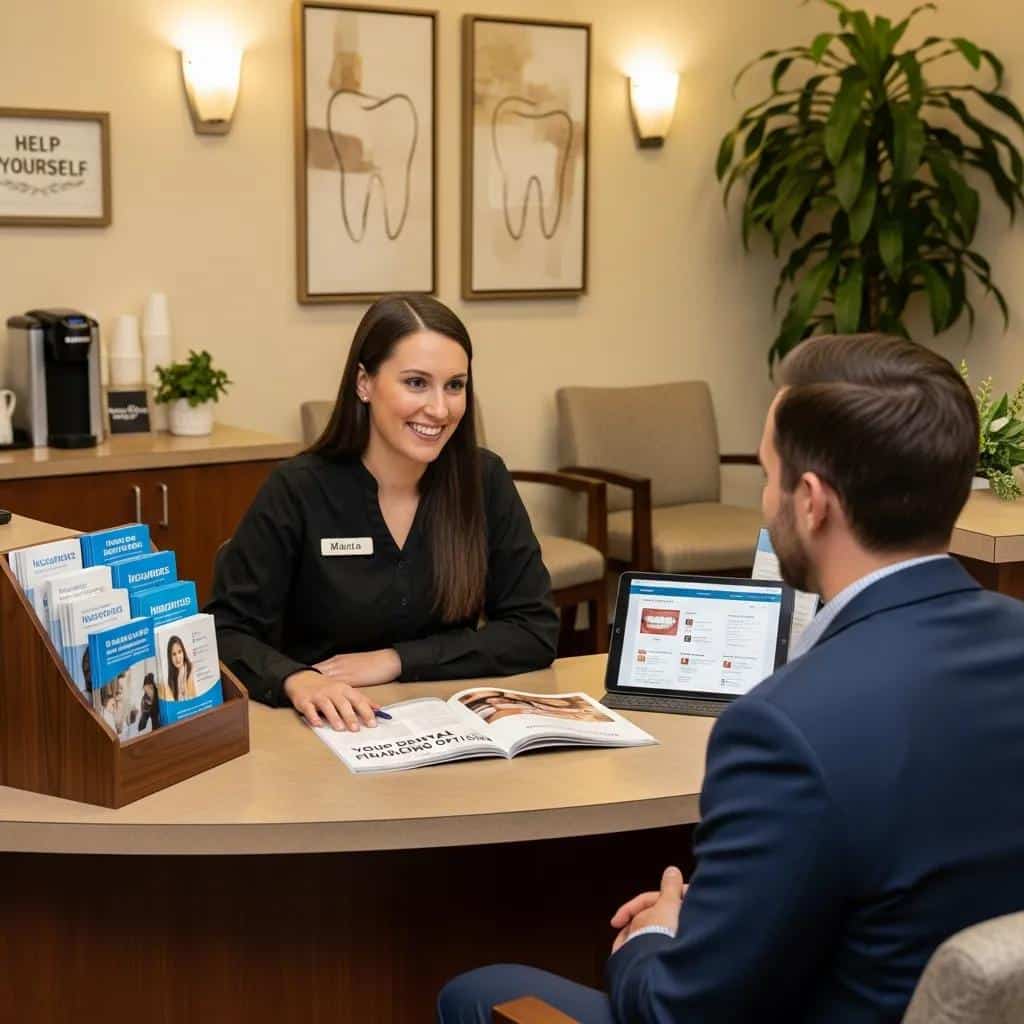
Financing and insurance can make implants much more affordable. Many practices offer payment plans that let you spread costs over time. It’s also worth checking whether your insurer covers any portion of the treatment — coverage varies widely, so confirm details before you commit.
What Payment Plans and Financing Solutions Are Available for Dental Implants?
Options include in-house payment plans that break costs into monthly installments and third-party healthcare financing with competitive terms. Some lenders offer loans specifically for dental work, often with low monthly payments. Compare plans for interest rates, fees, and repayment length to choose what fits your budget best.
For tailored financing information, schedule a consultation with the Dental Office in Denton to discuss available plans and which option suits your situation.
When evaluating financing, ask whether the plan requires a credit check, whether there are penalties for early repayment, and whether any administrative fees or origination charges are applied. Some practices will offer short-term 0% interest promotions for patients who pay within a certain timeframe; others work with lenders that report to credit bureaus. Understanding these details matters because the long-term cost of financing can differ significantly from the headline procedure cost.
Does Insurance Cover Dental Implant Procedures and Related Costs?
Insurance coverage for implants is inconsistent. Some plans will cover parts of the procedure if it’s medically necessary; many do not cover implants at all. Review your policy carefully and speak with your insurer to understand any out-of-pocket responsibilities before you proceed.
If your insurance offers partial coverage, confirm which CPT or dental service codes the insurer will recognize and whether pre-authorization is required. Some insurers will cover extractions or bone grafting but not the implant components themselves. Ask the clinic to provide predetermination paperwork you can submit to your insurer so you have a written statement of benefits before treatment begins.
What Are the Long-Term Maintenance Costs of Dental Implants?
Implants are intended as a long-term solution, but they still need routine care. Long-term maintenance costs — from annual check-ups to occasional repairs — should be part of your financial planning for the life of the implant.
Looking at lifetime value, studies show implants can deliver better quality of life but may cost more over a 30-year period compared with some other prosthetic options.
Implant Value Over Time: Quality of Life vs. Long-Term Cost
Surveys indicate implants can provide higher quality-of-life outcomes compared with fixed dental prostheses. However, over a 30-year horizon the total estimated cost of implants may be higher than some alternatives. Comparative analyses show different prostheses have varying long-term cost-effectiveness.
Cost-effectiveness of molar single-implant versus fixed dental prosthesis, 2018
Budget for routine hygiene visits, occasional replacement of crowns or prosthetic screws, and possible repairs if trauma or wear occurs. Many clinics provide limited warranties on laboratory work or crown materials; clarify warranty terms and what is considered normal wear versus a defect. Keeping a simple log of dental visits and any work performed helps when claiming warranties or negotiating repair costs later on.
How Often Are Follow-Up Visits and Maintenance Procedures Needed?
Most patients should expect at least annual check-ups and cleanings to monitor implant health. These visits, often $100 to $300, help catch problems early and prolong implant lifespan. Your dentist will recommend a follow-up schedule tailored to your needs.
What Are Typical Expenses for Implant Cleaning and Repairs?
Professional cleans for implants generally cost $100 to $300, depending on complexity. Repairs — for example, replacing a crown or fixing wear — vary widely in price. Factoring these potential costs into your long-term plan is prudent.
Some maintenance also includes periodic imaging to check bone levels around implants; these images are inexpensive compared with major corrective procedures but are an important part of monitoring. If complications do occur, early intervention is typically less costly than treating advanced problems, so plan for routine maintenance rather than waiting for symptoms.
How Does the Patient Consultation Process Help Clarify Dental Implant Costs?
A consultation is where the cost picture becomes clear. It’s your chance to receive a customized estimate based on your oral health, anatomy, and treatment choices.
What Can Patients Expect During a Free Dental Implant Consultation?
In a free consultation you can expect an oral exam, a discussion of options, and a tailored cost estimate. The dentist will explain the recommended steps, timeline, and likely expenses, and you’ll have time to ask any questions that matter to you.
If a consultation is not free, look at the value it provides: a thorough exam with digital scans and an itemized treatment plan can save money later by identifying problems early. You can also request a written comparison of alternative treatment sequences — for example, one plan that stages grafting first and another that stages the implant placement — so you can compare total costs and timelines.
How Does Scheduling a Consultation Help Manage Hidden Fees?
Bringing up every potential fee during the consultation—consults, scans, anesthesia, lab fees, follow-ups—lets you build a realistic budget. A written treatment plan and estimate reduce the chance of surprise charges later.
Consider asking for a single-page checklist at the consultation that lists included items and likely add-ons. If the clinic uses a practice management or financing partner, ask them to show a sample repayment schedule so you can see the monthly cost implications. Taking notes and requesting an emailed copy of the estimate makes it easier to compare multiple clinics and make an informed decision.
What Are the Latest Trends in Dental Implant Costs and Patient Demand?
Prices and demand for implants shift with material advances, labor costs, and patient preferences. Staying aware of trends helps you understand why prices change and what to expect going forward.
How Have Material and Labor Costs Impacted Implant Pricing from 2024 to 2026?
Between 2024 and 2026, new materials and techniques improved outcomes but often increased material costs. Rising labor and operational expenses in dentistry have also contributed to higher procedure prices. These factors together influence what clinics charge for implant services.
At the same time, digital workflows — including intraoral scanning and guided implant placement — can improve precision and reduce chair time in some cases. Those investments in digital equipment may raise overhead for the practice but can translate into more predictable results and fewer costly remakes, which may be financially advantageous over time. Ask whether your provider uses digital planning tools and whether those tools are included in the quoted price.
Which Patient Demographics Are Driving Increased Demand for Dental Implants?
Demand is growing across age groups. Older adults seeking durable tooth-replacement options remain a major segment, while younger patients increasingly choose implants for long-term solutions. Greater awareness of oral health and implant benefits is broadening the patient base.
How Can Patients Use Structured Data and Resources to Understand Implant Costs Better?
Structured resources — clear cost breakdowns, diagrams, and comparison charts — make complex pricing easier to understand. Using reliable, visual tools helps you compare options and set realistic expectations.
What Role Do Cost Breakdown Infographics and Procedural Diagrams Play?
Infographics and step-by-step diagrams translate technical details into clear visuals. They show where costs come from, what each stage involves, and help you compare scenarios side by side. These are useful tools during planning and when discussing options with your provider.
Beyond visuals, create a simple comparison table or spreadsheet listing each clinic’s itemized charges, financing terms, and timeline so you can compare true out-of-pocket cost and total repayment amounts. Seeing two or three scenarios side by side often makes trade-offs clearer than qualitative descriptions alone.
Frequently Asked Questions
What Factors Influence the Longevity of Dental Implants?
Implant longevity depends on implant material quality, the clinician’s skill, and your oral hygiene. Titanium implants are highly durable, and regular dental visits plus good home care greatly improve outcomes. Follow your dentist’s aftercare to get the best long-term results.
Other important factors include the quality and quantity of supporting bone, how well you follow post-op instructions, and whether you attend recommended maintenance visits. If you grind your teeth, your clinician may suggest a nightguard to protect crowns and reduce mechanical stress that could lead to complications over time.
Are There Alternatives to Dental Implants for Tooth Replacement?
Yes. Dentures and dental bridges are common alternatives. Dentures are removable and can replace many teeth; bridges anchor to neighboring teeth to fill gaps. Each option has trade-offs in cost, comfort, and maintenance — discuss them with your dentist to find the best fit.
Some patients also consider adhesive or resin-bonded bridges for certain front-tooth situations as a less invasive option. The right choice depends on oral health, long-term goals, and budget; a clear comparison during consultation helps align expectations with the preferred clinical outcome.
How Do Lifestyle Choices Affect Dental Implant Success?
Smoking, heavy alcohol use, and poor nutrition can hinder healing and increase implant failure risk. Smoking reduces blood flow to gums, slowing recovery. A balanced diet and healthy habits support healing and long-term implant health. Talk to your dentist about specific lifestyle changes that help.
If you use tobacco, discuss cessation plans before surgery; many clinicians recommend quitting for a period before and after the procedure to improve healing. Similarly, uncontrolled diabetes or other systemic conditions should be managed with your medical provider to reduce the chance of complications.
What Should Patients Know About Implant Maintenance After Surgery?
After surgery, maintain good oral hygiene, avoid hard or sticky foods during healing, and keep regular dental appointments. Brushing, flossing, and professional cleanings protect both the implant and surrounding tissues. Following your dentist’s guidance reduces complications.
Over time, your clinician may recommend specialized tools such as interdental brushes to clean around implants or demonstrate techniques to maintain gum health. Promptly report any discomfort, mobility, or changes so the team can check for early signs of problems and address them quickly.
What Are the Risks Associated with Dental Implant Surgery?
As with any surgery, risks include infection, nerve irritation, and implant failure. Infections at the surgical site, temporary numbness from nerve involvement, or poor bone integration are possible. Discuss risks and medical history with your dentist to minimize complications.
Risk mitigation typically includes pre-op screening, careful surgical planning, and post-op instructions. If you have a history of periodontal disease, your dentist will consider measures to reduce infection risk and may recommend periodontal care prior to implant placement to improve the chances of long-term success.
How Can Patients Ensure They Choose a Qualified Dental Professional?
Choose a clinician experienced in implant dentistry. Look for relevant credentials, certifications, and membership in professional organizations. Read patient reviews and ask to see before-and-after examples. A detailed consultation will also help you assess their approach and expertise.
Request to see case examples with similar complexity to yours and ask about the clinician’s complication and revision rates. A second opinion can be useful if you’re unsure about a proposed treatment plan; most clinicians welcome objective questions and will explain alternatives and expected outcomes.
Where Can Patients Find Transparent and Localized Dental Implant Cost Information?
Accessing local, transparent pricing helps you create an accurate budget and choose a provider in your area. Regional data reflects real-world costs and avoids surprises when you book treatment.
Why Is Localized Cost Data Important for Dental Implant Planning?
Costs vary by region due to differences in overhead, materials, and labor. Localized data gives you a realistic expectation of prices in your area so you can compare providers and plan accordingly.
How to Access Affordable Denton Texas Dental Implant Consultations?
If you’re in Denton, Texas, many practices offer free or low-cost consultations so you can explore options without commitment. Ask about financing and insurance during the visit to understand your full cost picture. Use the online scheduling tool to book a consultation with local providers.
Before you go to a consultation, collect recent dental records, a list of medications, and any imaging you already have. Bringing photos or notes about functional concerns and cosmetic goals helps the clinician tailor recommendations. Preparing questions in advance — about timelines, included services, and follow-up care — makes the visit more productive.
Conclusion
Knowing the full cost of dental implants — from surgery and materials to hidden fees and long-term upkeep — lets you make a confident, informed choice. Start with a clear consultation, get a written estimate, and explore financing if needed. When you plan ahead, you can focus on the outcome: a healthy, lasting smile. Reach out to a qualified dental professional in your area to learn what a personalized treatment plan will cost.