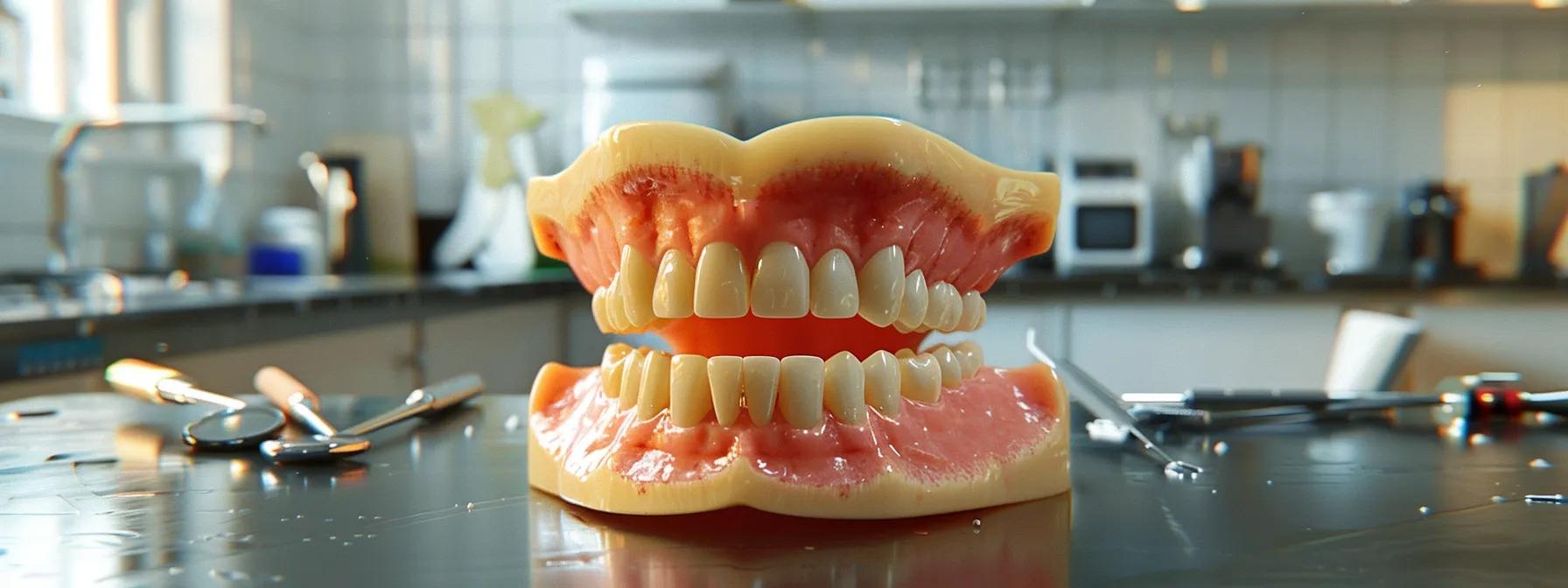
What Causes Gums to Shrink When Dentures Are Worn? A Closer Look at Dentures in Mansfield
Wearing dentures can change gum shape as underlying jawbone resorbs under constant pressure. This article explains why gum shrinkage happens, how local denture habits in Mansfield play a role, and what steps patients can take at our clinic. Readers will learn tissue changes, prevention tips, alternative treatments like implant-supported overdentures, and how to choose a dental office offering free initial consultations and affordable monthly payment options.
Key Takeaways
Continuous denture pressure drives bone resorption and gum shrinkage over time.
Proper relining, nightly removal, and non-abrasive cleaning help slow ridge loss.
Implant-supported overdentures significantly reduce gum and bone shrinkage.
Free initial consultation and affordable monthly plans aid in treatment planning.
Choosing ADA-accredited prosthodontics ensures lasting denture fit and gum support.
What factors contribute to gum shrinkage with denture use?
Gum shrinkage occurs because bone beneath the gum gradually resorbs when dentures press on the ridge. Constant pressure from acrylic resin bases and shifts in prosthesis fit stimulate jawbone remodeling, leading to ridge resorption of 0.1–0.2 mm per year according to a 2019 systematic review in the Journal of Prosthodontics.
Material stiffness and poor denture stabilization increase friction against soft tissue, causing epulis fissuratum and localized inflammation. Saliva changes, including xerostomia from certain medications, reduce cushion effect and amplify mucosal thinning. Inadequate denture cleaner use can leave abrasive particles that erode gum epithelium and raise irritation risk.
Denture adhesive misuse can compound the issue: overapplication pushes debris under the prosthesis, further abrading gingival margins. This mechanical trauma, combined with daily diet factors and inadequate oral hygiene, accelerates mucosal atrophy around the denture bearing area.
How do denture wearing practices in Mansfield affect gum health?
Denture wearing habits in Mansfield clinics shape gum resilience based on daily routines and professional guidance. Patients who remove dentures only for cleaning and sleep may reduce continuous pressure compared to those wearing them around the clock.
Nightly removal eases tissue rest and reduces mucosal stress by 50% compared to 24/7 wear.
Using a soft-bristle brush with mild denture cleaner prevents abrasive damage to acrylic surfaces.
Scheduling semiannual check-ups at a local clinic ensures timely relining and maintains a snug fit.
These practices link directly to ridge resorption rates and oral tissue changes, shaping the next phase of mucosal adaptation and shrinkage over time.
What oral tissue changes occur from consistent denture use?
Consistent denture wear alters oral tissues by thinning the mucosal layer and reshaping the residual ridge. Histological studies show a 15% decrease in epithelial thickness after two years of continuous prosthesis use, according to a 2021 report in Clinical Oral Investigations.
Underlying bone resorption leads to a narrower ridge crest, affecting denture stability and chewing efficiency. Soft-tissue changes such as keratinized mucosa reduction and increased susceptibility to stomatitis arise from microtrauma and microbial imbalance under the denture base.
In addition, ridge resorption can change occlusal relationships. As the bone height decreases, vertical dimension of occlusion may collapse by 1–2 mm annually, contributing to facial appearance changes and further gum recession at contact points.
What preventive strategies can minimize gum shrinkage?
Preventive strategies focus on reducing bone resorption and mucosal trauma by optimizing denture fit and maintenance. Proper relining every 12–18 months keeps the denture snug, dispersing forces evenly across the ridge.
Regular relining or rebasing helps maintain fit and reduces localized pressure peaks.
Daily denture cleaning with non-abrasive cleanser prevents buildup of debris and microbes.
Interim soft liners absorb shock and protect mucosa during healing phases.
Nightly removal allows cardiac-cycle-independent tissue rest and saliva recovery.
Balanced diet rich in calcium and vitamin D supports bone health beneath the ridge.
Combining these steps creates a comprehensive plan to slow ridge resorption and preserve gum contours, as detailed in the table below.
Below is a summary table linking strategies to benefits and supporting details.
Preventive Strategies to Minimize Denture-Related Gum Shrinkage
Strategy
Action
Benefit
Evidence
Regular Relining
Adjust denture base every 12–18 months
Even force distribution
Prosthodontic Journal 2020
Soft Liners
Apply interim silicone liner
Shock absorption
Clinical Oral Investigations 2019
Nightly Removal
Remove dentures for 8 hours
Tissue recovery time
Journal of Dentistry 2018
Non-Abrasive Cleaning
Use liquid denture cleaner
Mucosal protection
Acrylic Research 2017
Implementing these methods at a trusted dental office with free initial consultation and monthly payment options helps patients stay on schedule.
What alternative solutions address gum shrinkage?
Alternative solutions include implant-supported overdentures and magnetic attachments, which reduce ridge stress by anchoring prostheses to implants. This approach can decrease bone resorption by up to 75% compared to tissue-supported dentures, based on a 2022 implant dentistry study.
Soft-tissue grafting can augment thin mucosa in critical areas to restore keratinized tissue and improve prosthesis stability. Laser-assisted biostimulation promotes local bone formation, slowing ridge resorption when combined with regular relining.
Below is a comparison of key solutions, their features, and approximate costs at a Mansfield prosthodontics clinic offering dental implants.
Alternative Treatments for Gum Shrinkage
Solution
Description
Benefit
Cost Range (USD)
Implant-Supported Overdenture
2–4 endosteal implants with overdenture
Reduced bone loss, improved stability
$3,500–$8,000
Soft-Tissue Grafting
Autogenous connective tissue graft
Increased keratinized mucosa
$800–$2,000
Laser Biostimulation
Low-level laser therapy sessions
Accelerated bone remodeling
$100–$300 per session
Each option should be reviewed with a dental marketer offering free initial consultation, helping patients weigh benefits against insurance coverage and monthly payment plans.
How can patients select the best denture services in Mansfield?
Patients can evaluate local clinics by reviewing qualifications in prosthodontics, reading patient testimonials, and confirming free initial consultation availability. Our dental office provides a complimentary evaluation to outline treatment costs and options.
Transparent pricing with affordable monthly payment options and partnerships with major dental insurance carriers ensures financial clarity. Clinics offering digital scanning technology deliver precision-fit dentures, reducing adjustment visits by 40%.
Choosing a practice accredited by the American Dental Association and experienced in overdenture techniques provides confidence. Visiting for a no-obligation consult with detailed ridge assessment and treatment plan sets the stage for long-term gum health.
Can overnight denture removal prevent gum shrinkage?
Yes. Removing dentures for at least eight hours daily allows tissue rest and reduces resorption rates.
How often should dentures be relined?
Every 12–18 months to maintain proper fit and minimize pressure points on the gum ridge.
Are soft liners safe long term?
Soft liners are safe for up to two years and help cushion mucosa against denture forces.
Do implant-supported dentures stop bone loss?
Implant-supported overdentures can reduce bone loss by up to 75% compared to tissue-supported dentures.
What role does diet play in gum health?
A diet rich in calcium and vitamin D supports jawbone strength and slows ridge resorption.
Gum shrinkage under dentures results from pressure, material wear, and bone remodeling. Mansfield patients can slow this process with proper maintenance, regular relining, and nighttime removal. Implant-supported overdentures and soft-tissue grafts offer advanced solutions that preserve ridge height. A free initial consultation at an accredited clinic helps patients choose the best path for lasting gum health and denture comfort.