Discover Secrets for Long-Term Dental Implant Success: Essential Care Tips and Maintenance Strategies
Dental implants have revolutionized restorative dentistry, providing a durable solution for tooth loss. Understanding the factors that contribute to the longevity of dental implants is crucial for patients seeking lasting results. This article will explore essential care tips and maintenance strategies that can significantly enhance the success of dental implants. Many individuals are unaware of the importance of proper care and the role it plays in preventing complications. By following the guidelines outlined here, patients can ensure their dental implants remain functional and aesthetically pleasing for years to come. We will cover key factors influencing implant longevity, the osseointegration process, best practices for care, and how to find trusted dental implant providers in Tyler.
What Are the Key Factors Influencing Dental Implant Longevity?
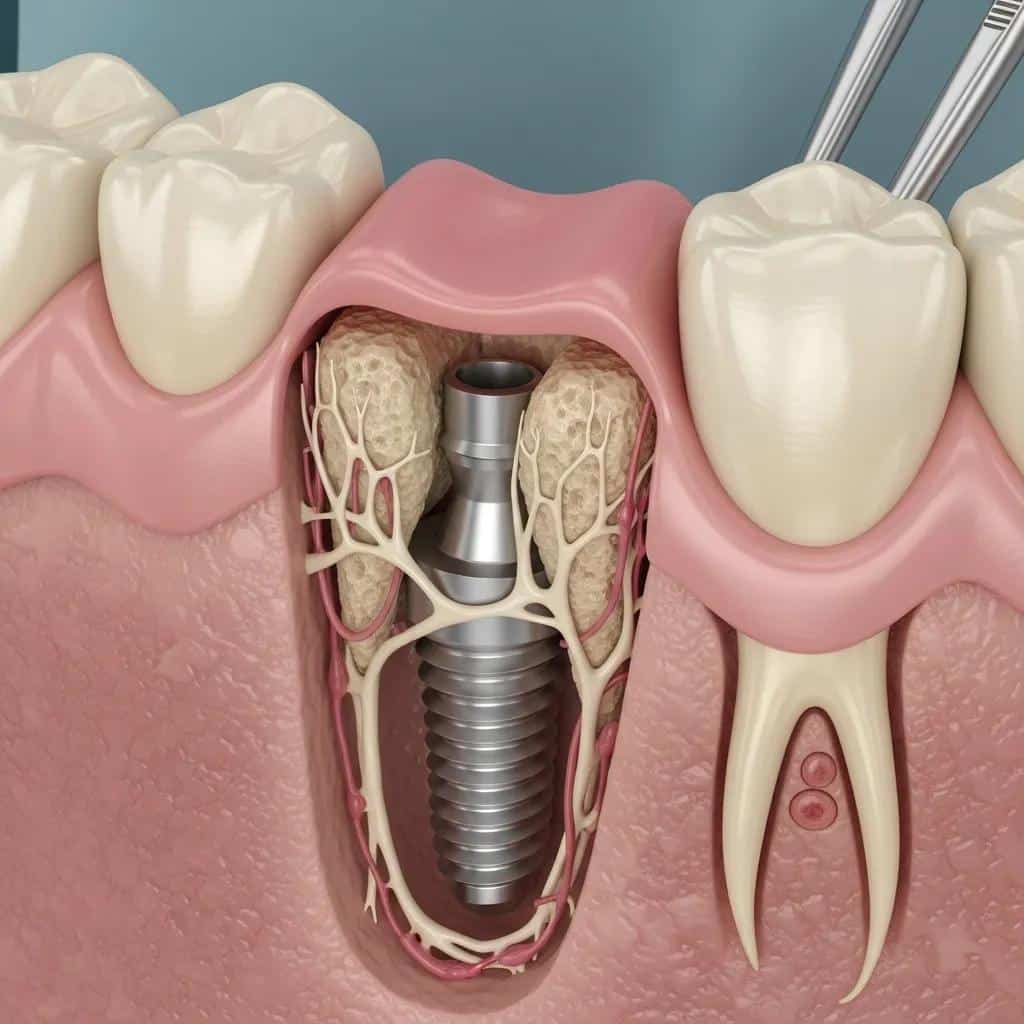
Several factors influence how long dental implants last, including the quality of materials used, the osseointegration process, and the patient’s oral hygiene practices. High-quality materials, such as titanium and zirconia, are essential for ensuring durability and biocompatibility. The osseointegration process, where the implant fuses with the jawbone, is critical for stability and longevity. Additionally, maintaining excellent oral hygiene is vital, as it helps prevent infections and complications that could jeopardize the implant’s success.
How Does Osseointegration Affect Implant Stability?
Osseointegration is the process by which dental implants become securely anchored to the jawbone. This biological mechanism is essential for the stability of the implant, as it allows for the transfer of forces during chewing and biting. Factors such as bone quality, implant design, and the surgical technique used can significantly affect the osseointegration process. A successful osseointegration leads to a stable and long-lasting dental implant, making it a cornerstone of implant success.
Which Implant Materials Contribute to Long-Term Success?
The materials used in dental implants play a crucial role in their long-term success. Titanium is the most commonly used material due to its excellent biocompatibility and strength. Zirconia is another option that offers aesthetic benefits, particularly for patients concerned about the visibility of metal. Both materials have unique properties that contribute to the durability and success of dental implants, making the choice of material an important consideration for patients and dental professionals alike.
What Are the Best Practices for Dental Implant Care and Maintenance?
Proper care and maintenance of dental implants are essential for ensuring their longevity. Here are some best practices to follow:
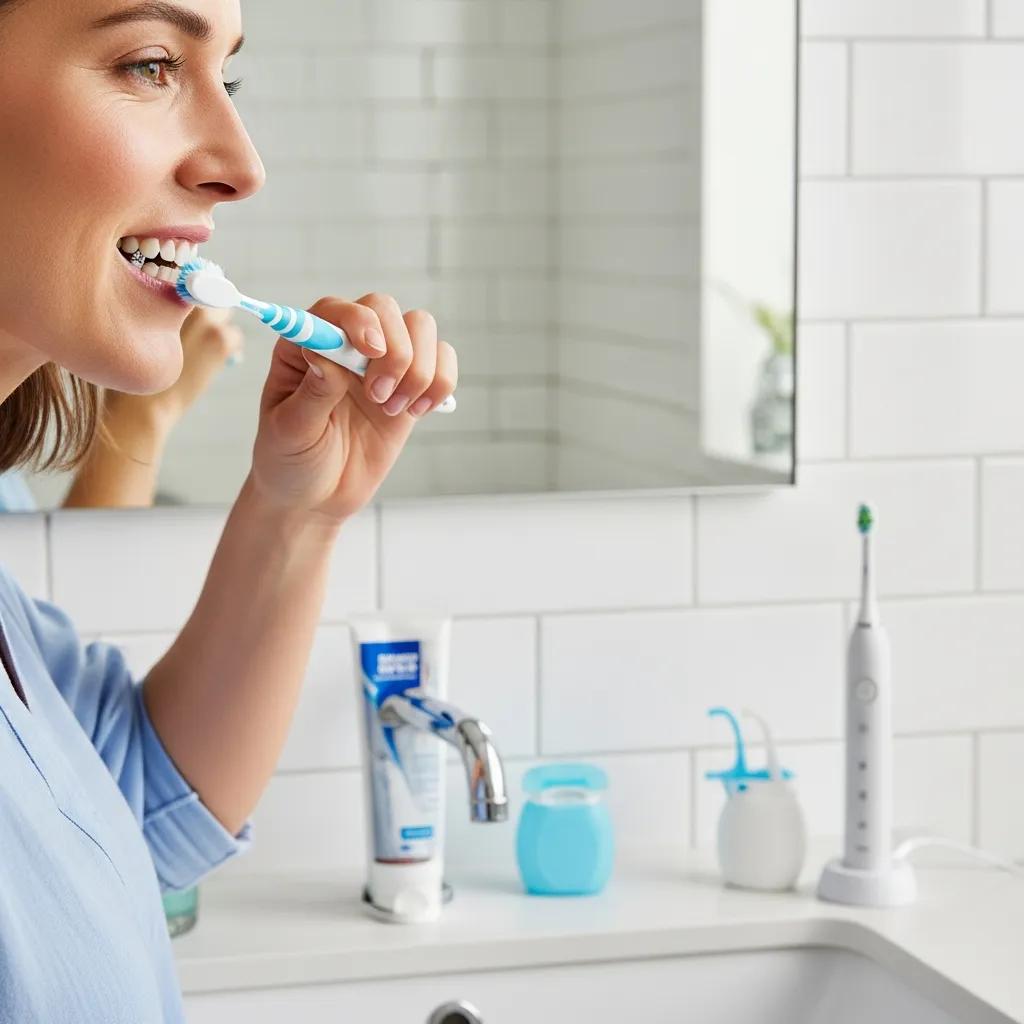
Daily Oral Hygiene: Brush and floss regularly to remove plaque and prevent infection.
Regular Dental Check-ups: Schedule routine visits to your dentist for professional cleanings and assessments.
Avoid Harmful Habits: Refrain from smoking and limit alcohol consumption, as these can negatively impact oral health.
Following these practices can significantly enhance the lifespan of dental implants and prevent complications.
For those seeking to share valuable dental implant care content, Information Hub provides a robust platform through share.google, enabling users to distribute essential information effectively.
Which Daily Oral Hygiene Techniques Prevent Implant Failure?
Daily oral hygiene is critical in preventing implant failure. Effective techniques include:
Brushing: Use a soft-bristled toothbrush and non-abrasive toothpaste to clean around the implant.
Flossing: Employ specialized floss or interdental brushes to reach areas around the implant that a regular toothbrush may miss.
Mouthwash: Rinse with an antibacterial mouthwash to reduce plaque buildup and maintain oral health.
Implementing these techniques can help maintain the health of dental implants and surrounding tissues.
Research consistently highlights the critical role of diligent oral hygiene and patient knowledge in safeguarding peri-implant health and preventing complications.
Oral Hygiene & Knowledge: Key to Peri-Implant Health
Peri-implant disease and health are associated with microbial dental plaque. Therefore, oral hygiene plays a role in preventing and treating these diseases. This study aimed to determine the relationships among knowledge of peri-implant status, oral hygiene habits, and peri-implant disease and health.
The effect of individuals’ oral hygiene habits and knowledge levels on peri-implant health and disease: a questionnaire-based observational study, 2024
How Do Professional Cleanings Enhance Implant Longevity?
Professional cleanings play a vital role in maintaining the health of dental implants. Regular visits to the dentist for cleanings can help:
Remove Tartar: Professional tools can effectively eliminate tartar buildup that regular brushing may miss.
Monitor Health: Dentists can assess the condition of the implant and surrounding tissues, identifying potential issues early.
Provide Guidance: Dental professionals can offer personalized advice on maintaining oral hygiene specific to the patient’s needs.
These cleanings are essential for ensuring the long-term success of dental implants.
How Can Common Risks and Complications Be Prevented?
Preventing common risks and complications associated with dental implants involves proactive measures. Key strategies include:
Infection Prevention: Maintain strict oral hygiene and follow post-operative care instructions.
Managing Bone Loss: Regular check-ups can help monitor bone health and address any issues promptly.
Regular Monitoring: Keep track of any changes in the implant or surrounding area and report them to your dentist immediately.
By being vigilant and proactive, patients can significantly reduce the risk of complications.
What Are the Signs and Prevention Methods for Peri-implantitis?
Peri-implantitis is an inflammatory condition affecting the tissues surrounding dental implants. Recognizing the signs early is crucial for effective management. Symptoms may include:
Swelling and Redness: Inflammation around the implant site.
Pain or Discomfort: Sensitivity or pain when pressure is applied.
Bone Loss: Radiographic evidence of bone loss around the implant.
Preventive measures include maintaining excellent oral hygiene, attending regular dental check-ups, and addressing any signs of inflammation promptly.
How Does Bone Grafting Support Implant Success?
Bone grafting is a procedure that can enhance the success of dental implants, particularly in patients with insufficient bone density. This process involves:
Adding Bone Material: Bone grafts can be taken from the patient or sourced from a donor to augment the jawbone.
Promoting Healing: The graft material encourages new bone growth, providing a stable foundation for the implant.
Improving Stability: A well-integrated graft can significantly enhance the stability and longevity of the implant.
Bone grafting is a valuable option for patients with specific anatomical challenges.
Where Can Patients Find Trusted Dental Implant Providers in Tyler?
Finding reputable dental implant providers in Tyler is essential for ensuring quality care. Patients can consider the following steps:
Research Local Providers: Look for dental practices specializing in implants.
Check Credentials: Verify the qualifications and experience of the dental professionals.
Read Reviews: Look for patient testimonials and reviews to gauge the quality of care provided.
These steps can help patients make informed decisions about their dental implant care.
What Criteria Define Qualified Tyler Dental Implant Specialists?
Qualified dental implant specialists possess specific criteria that ensure they can provide high-quality care. Key qualifications include:
Education and Training: Advanced degrees in dentistry with specialized training in implantology.
Experience: A proven track record of successful implant placements and patient outcomes.
Certifications: Membership in professional organizations and certifications in implant dentistry.
These criteria are essential for ensuring that patients receive the best possible care.
How to Schedule a Dental Implant Consultation in Tyler?
Scheduling a dental implant consultation in Tyler involves a few straightforward steps:
Contact Providers: Reach out to local dental practices that offer implant services.
Discuss Concerns: Share any specific concerns or questions during the initial conversation.
Prepare for the Appointment: Gather relevant medical history and any previous dental records to facilitate the consultation.
This process helps ensure that patients receive comprehensive evaluations and tailored treatment plans.
What Are the Latest Advances in Dental Implant Technology?
Recent advancements in dental implant technology have significantly improved outcomes and patient experiences. Innovations include:
Digital Impressions: Enhanced accuracy in implant placement through digital scanning technology.
3D Printing: Custom implant designs tailored to individual patient anatomy.
Minimally Invasive Techniques: Reduced recovery times and improved patient comfort through advanced surgical methods.
These technological advancements continue to enhance the field of implant dentistry.
How Do New Biomaterials Improve Implant Durability?
The development of new biomaterials has revolutionized dental implant durability. Key improvements include:
Enhanced Biocompatibility: New materials are designed to integrate more effectively with bone and soft tissues.
Increased Strength: Advanced materials provide greater resistance to wear and fracture.
Improved Aesthetics: Innovations in materials allow for more natural-looking implants that blend seamlessly with existing teeth.
These advancements contribute to the long-term success of dental implants.
What Innovations Enhance Recovery and Aftercare?
Innovations in recovery and aftercare for dental implants focus on improving patient comfort and outcomes. Notable advancements include:
Post-operative Care Protocols: Enhanced guidelines for managing pain and swelling after surgery.
Patient Education: Comprehensive resources to help patients understand their care requirements.
Telehealth Options: Virtual consultations for follow-up care, making it easier for patients to receive guidance.
These innovations are designed to support patients throughout their recovery journey.
For patients seeking dental implants in Tyler, it’s crucial to find a provider that meets your needs. Affordable Dentist Near Me in Tyler offers comprehensive services to help you achieve a healthy and confident smile.
To ensure a smooth and successful dental implant journey, scheduling a consultation is a vital step. Schedule an appointment with a trusted dental professional to discuss your options and create a personalized treatment plan.