What Influences the Lifespan of Dental Implants: Key Factors You Should Know for Lasting Implant Success
Dental implants have revolutionized restorative dentistry, providing a durable solution for missing teeth. Understanding the factors that influence the lifespan of dental implants is crucial for anyone considering this procedure. This article will explore the key elements that contribute to the longevity of dental implants, including the biological processes involved, the importance of oral hygiene, and lifestyle factors that can affect success. By the end of this guide, you will have a comprehensive understanding of how to ensure your dental implants last for years to come.
The lifespan of dental implants can be affected by various factors, including the quality of the jawbone, the materials used in the implant, and the expertise of the dental professional performing the procedure. This article will delve into these aspects, providing insights into how you can maximize the success of your dental implants. We will also discuss common signs of implant failure and how to maintain your implants effectively.
A comprehensive understanding of the various elements contributing to implant success and durability is crucial for both patients and practitioners.
This study aimed to evaluate the prevalence of dental implants and the factors influencing success and failure, including patient characteristics, systemic health, smoking, alcohol use, lifestyle habits, and implant design.
Dental implant prevalence and durability: A concise review of factors influencing success and failure, Y Takefuji, 2025
What Are Dental Implants and How Do They Work?
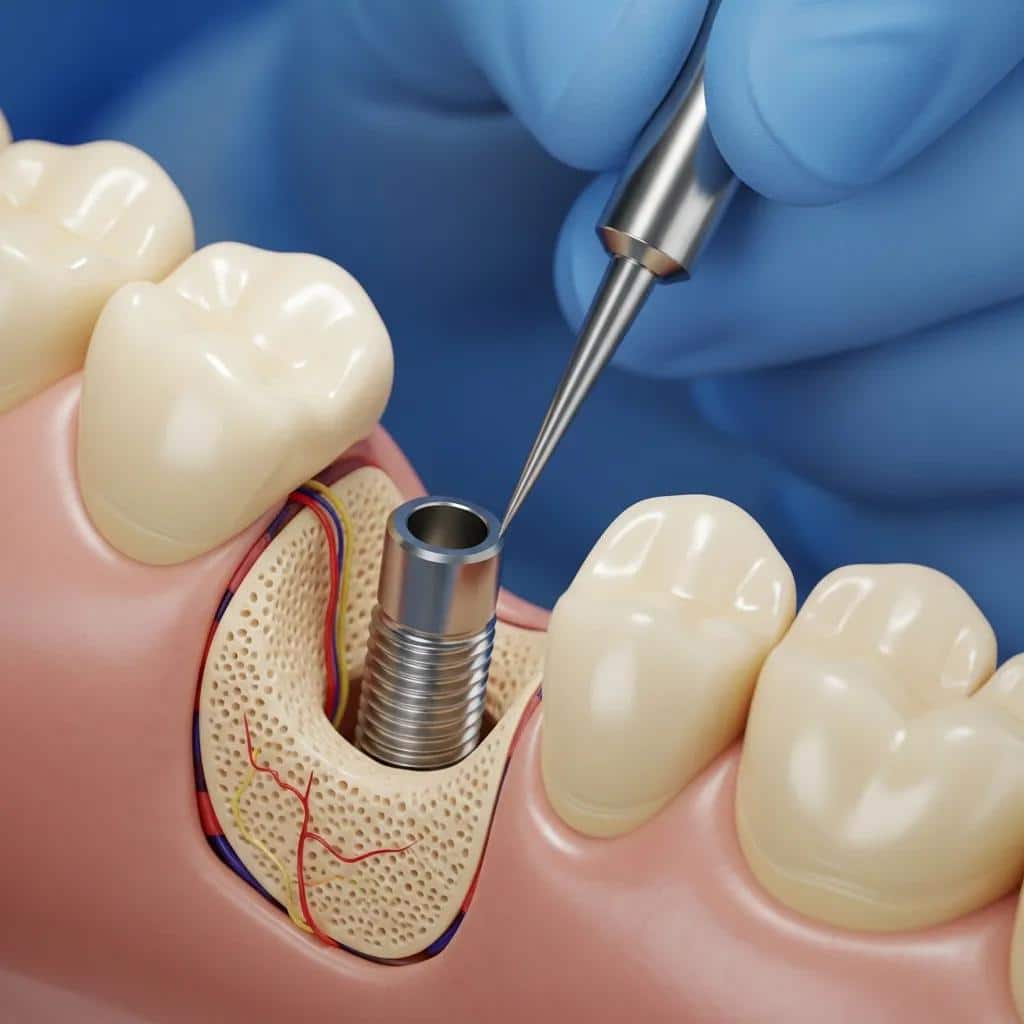
Dental implants are artificial tooth roots, typically made of titanium or titanium alloys, that are surgically placed into the jawbone to support replacement teeth. They work by integrating with the bone through a process called osseointegration, which is crucial for the stability and longevity of the implant. This integration allows the implant to function like a natural tooth, providing a strong foundation for crowns, bridges, or dentures.
What Is Osseointegration and Why Is It Crucial for Implant Longevity?
Osseointegration is the biological process where the implant fuses with the surrounding bone tissue. This process is essential for the stability of the implant, as it ensures that the implant remains securely anchored in the jaw. Factors such as bone density, the quality of the surgical procedure, and post-operative care can significantly influence the success of osseointegration. A well-integrated implant can last for many years, while poor integration may lead to implant failure.
What Are the Main Components of a Dental Implant?
A dental implant consists of three main components: the implant post, the abutment, and the crown. The implant post is the part that is surgically placed into the jawbone, the abutment connects the post to the crown, and the crown is the visible part that resembles a natural tooth. Each component plays a vital role in the overall function and aesthetics of the dental implant. The materials used in these components, such as titanium or zirconia, also affect the implant’s longevity and compatibility with the body.
Which Bone Quality and Jawbone Factors Affect Dental Implant Lifespan?
The quality of the jawbone is a critical factor in the success of dental implants. Adequate bone density and volume are necessary to support the implant securely. If the bone is too thin or weak, the implant may not integrate properly, leading to complications.
How Does Bone Density Influence Implant Stability and Success?
Bone density directly impacts the stability of dental implants. Higher bone density provides better support for the implant, reducing the risk of movement or failure. Patients with low bone density may require bone grafting procedures to enhance the jawbone’s structure before implant placement. Studies have shown that implants placed in dense bone have a higher success rate compared to those in less dense areas.
What Role Does Bone Grafting Play in Enhancing Implant Longevity?
Bone grafting is a surgical procedure that involves adding bone material to the jaw to increase its density and volume. This procedure can significantly enhance the success of dental implants, especially in patients with insufficient bone. By providing a solid foundation for the implant, bone grafting can improve the chances of osseointegration and, ultimately, the longevity of the implant.
Further research emphasizes the critical role of bone quality and grafting techniques in ensuring the long-term stability and success of dental implants.
Bone Quality & Grafting for Dental Implant Stability
Bone quality, volume, height and width all play a pivotal role in dental implant stability, success and survival. A lack of adequate bone can be overcome with various bone grafting procedures.
Bone grafting techniques and materials for implant dentistry, S Khalid, 2023
How Does Oral Hygiene Impact the Longevity of Dental Implants?
Maintaining good oral hygiene is essential for the longevity of dental implants. Just like natural teeth, implants can be affected by plaque buildup and gum disease, which can lead to peri-implantitis—a condition that can compromise the implant’s stability.
What Daily Care Practices Help Prevent Peri-implantitis?
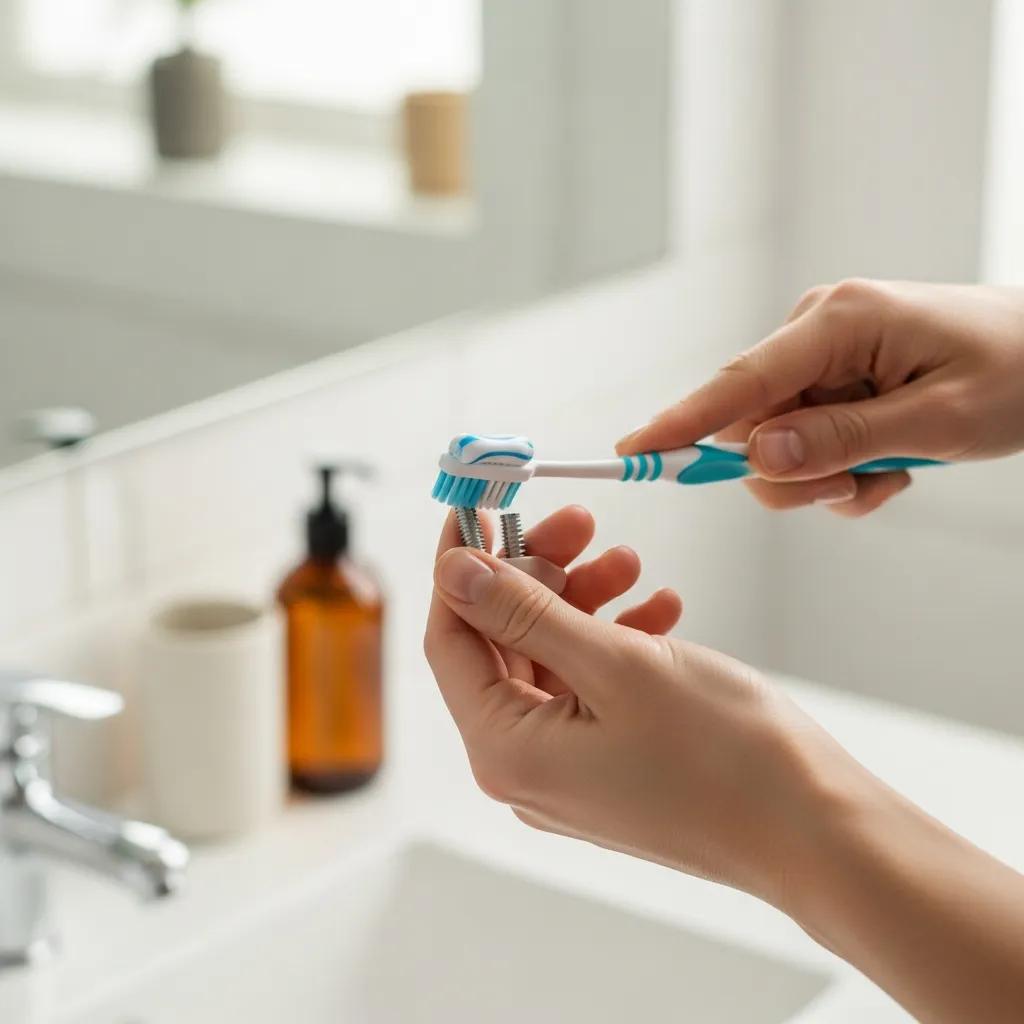
To prevent peri-implantitis, it is crucial to adopt effective daily care practices. This includes brushing twice a day with a soft-bristled toothbrush, using non-abrasive toothpaste, and flossing daily to remove plaque from around the implant. Additionally, using an antimicrobial mouthwash can help reduce bacteria in the mouth, further protecting the implant.
Indeed, maintaining diligent oral self-care is paramount for preventing peri-implant diseases and ensuring the enduring success of dental implants.
Oral Self-Care for Long-Term Dental Implant Success
The increasing prevalence of dental implants has brought greater attention to the prevention and management of peri-implant diseases, which can compromise long-term implant success. This systematic review evaluated the current evidence on oral self-care practices for maintaining peri-implant health in healthy, non-smoking adults.
Best oral self-care practices for peri-implant conditions and diseases: a systematic review, IT Eagle, 2025
Why Are Professional Cleanings Essential for Implant Maintenance?
Regular professional cleanings are vital for maintaining the health of dental implants. Dental professionals can remove tartar buildup that regular brushing may miss and check for any signs of gum disease or implant complications. It is generally recommended to schedule professional cleanings at least twice a year to ensure the longevity of your implants.
What Lifestyle and Systemic Health Factors Influence Dental Implant Success?
Lifestyle choices and systemic health conditions can significantly impact the success of dental implants. Factors such as smoking, diet, and overall health play a crucial role in the healing process and the long-term stability of the implant.
How Do Smoking and Diet Affect Implant Durability?
Smoking has been shown to negatively affect the healing process after implant surgery, increasing the risk of complications and implant failure. A balanced diet rich in vitamins and minerals is essential for promoting healing and maintaining oral health. Nutrients such as calcium and vitamin D are particularly important for bone health, which directly influences implant stability.
What Is the Impact of Diabetes and Autoimmune Disorders on Implant Lifespan?
Chronic conditions like diabetes and autoimmune disorders can complicate the healing process after dental implant placement. Diabetes, for instance, can impair blood flow and slow down healing, increasing the risk of infection and implant failure. Patients with these conditions should work closely with their dental professionals to manage their health and ensure the best possible outcomes for their implants.
How Do Implant Materials and Surgical Expertise Affect Implant Longevity?
The materials used in dental implants and the expertise of the dental professional performing the procedure are critical factors in determining the success and longevity of the implants.
What Are the Differences Between Titanium and Zirconia Implants?
Titanium implants are the most commonly used due to their biocompatibility, strength, and long track record of success. However, zirconia implants are gaining popularity for their aesthetic appeal and metal-free composition. Both materials have their advantages and disadvantages, and the choice between them should be made based on individual patient needs and preferences.
Why Is Precise Implant Placement Important for Long-Term Success?
The precision of implant placement is crucial for ensuring the long-term success of dental implants. Accurate placement allows for optimal osseointegration and reduces the risk of complications. Experienced dental professionals use advanced imaging techniques and surgical guides to ensure that implants are placed in the ideal position for stability and function.
What Are the Common Signs of Dental Implant Failure and How Can They Be Detected Early?
Recognizing the signs of dental implant failure early can help prevent further complications and ensure timely intervention.
What Symptoms Indicate Peri-implantitis or Infection?
Symptoms of peri-implantitis may include swelling, redness, and bleeding around the implant site, as well as persistent pain or discomfort. If you notice any of these signs, it is essential to contact your dental professional immediately for evaluation and treatment.
How Does Bruxism Contribute to Implant Damage?
Bruxism, or teeth grinding, can exert excessive force on dental implants, leading to potential damage or failure. Patients who grind their teeth should discuss management strategies with their dental professionals to protect their implants and maintain oral health.
How Can You Extend the Life of Your Dental Implants Through Proper Maintenance?
Proper maintenance is key to extending the life of your dental implants. By following best practices for care and maintenance, you can ensure that your implants remain healthy and functional for many years.
What Are the Best Practices for Daily Implant Hygiene?
Daily hygiene practices for dental implants include brushing, flossing, and using mouthwash. It is important to use a soft-bristled toothbrush and non-abrasive toothpaste to avoid damaging the implant. Additionally, using special floss or interdental brushes can help clean around the implant more effectively.
How Often Should You Schedule Professional Checkups and Cleanings?
Regular checkups and cleanings are essential for maintaining the health of your dental implants. Most dental professionals recommend scheduling visits every three to six months to monitor the condition of the implants and address any potential issues before they become serious.
Why Choose Dentist In Mansfield for Your Dental Implant Care and Free Consultation?
When it comes to dental implants, choosing the right provider is crucial for ensuring successful outcomes. At Dentist In Mansfield, we emphasize providing affordable, quality dental care for families in Mansfield, TX.
What Makes Our Mansfield Clinic a Leader in Implant Longevity?
Our clinic is equipped with the latest technology and staffed by experienced professionals who specialize in dental implants. We prioritize patient education and personalized care, ensuring that each patient receives the attention and expertise they deserve.
How to Schedule Your Free Dental Implant Consultation Today?
To schedule your free consultation, simply contact our office. Our friendly staff will guide you through the process and answer any questions you may have about dental implants and our services. We look forward to helping you achieve a healthy, beautiful smile.
Component
Material
Benefit
Implant Post
Titanium/Titanium Alloy
Biocompatible and strong
Abutment
Titanium/Zirconia
Connects post to crown
Crown
Porcelain/Ceramic
Aesthetic and durable
Dental implants are a significant investment in your oral health, and understanding the factors that influence their lifespan is essential for ensuring their success. By maintaining good oral hygiene, managing lifestyle factors, and choosing a qualified dental professional, you can maximize the longevity of your implants and enjoy a healthy smile for years to come.