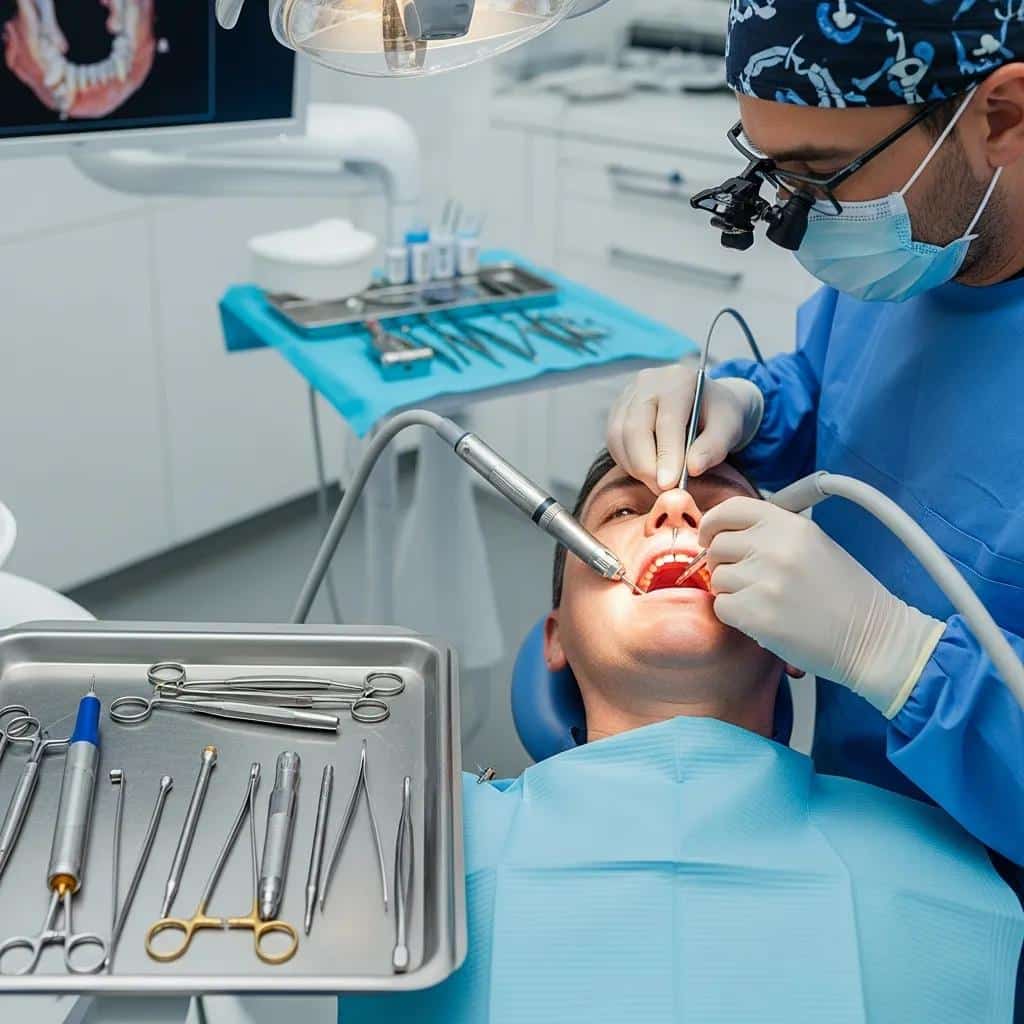
Zygomatic Dental Implants Benefits You Should Know: Comprehensive Overview and Patient Guidance
Zygomatic dental implants represent a revolutionary solution for individuals with significant maxillary bone loss, offering a unique alternative to traditional dental implants. This article delves into the benefits of zygomatic implants, their suitability for patients, and the recovery process involved. Many patients face challenges with conventional implants due to insufficient bone structure, leading to the need for bone grafting, which can complicate and prolong treatment. Zygomatic implants, however, anchor directly into the zygomatic bone, bypassing the need for grafting and providing a more immediate solution. We will explore the definition and workings of zygomatic implants, identify suitable candidates, highlight key benefits, and discuss recovery management.
What Are Zygomatic Dental Implants and How Do They Work?
Zygomatic dental implants are specialized implants designed for patients with severe maxillary bone loss. Unlike traditional dental implants that require sufficient bone density for placement, zygomatic implants are anchored in the zygomatic bone, which is denser and more stable. This innovative approach allows for immediate loading of the implants, providing patients with a functional solution much sooner than conventional methods. The procedure involves placing the implants at an angle, which maximizes stability and support for the prosthetic teeth.
Definition and Medical Procedure Overview
Zygomatic implants are longer than standard dental implants, typically ranging from 30 to 52 mm in length, allowing them to reach the zygomatic bone. The surgical procedure involves a thorough evaluation of the patient’s oral and maxillofacial structure, followed by the precise placement of the implants under local anesthesia or sedation. The expected outcomes include improved oral function and aesthetics, with many patients experiencing a significant enhancement in their quality of life post-surgery.
Comparison with Traditional Dental Implants
When comparing zygomatic implants to traditional dental implants, the primary difference lies in their placement and the need for bone grafting. Traditional implants require adequate bone density, often necessitating grafting procedures that can extend treatment time and increase costs. In contrast, zygomatic implants eliminate the need for grafting, allowing for a more streamlined process. This makes zygomatic implants particularly advantageous for patients who have experienced significant bone loss due to periodontal disease or trauma.
Who Is a Suitable Candidate for Zygomatic Implants?
Identifying suitable candidates for zygomatic implants involves assessing the extent of maxillary bone loss and overall oral health. Patients who have been deemed unsuitable for traditional implants due to insufficient bone density may find zygomatic implants to be a viable option.
Criteria for Patient Selection and Maxillary Bone Loss Considerations
Candidates for zygomatic implants typically include individuals with severe maxillary bone loss who are in good general health. Factors such as age, medical history, and lifestyle choices, including smoking, can influence candidacy. A thorough evaluation by a dental professional is essential to determine the appropriateness of zygomatic implants for each patient.
Studies confirm that severe maxillary bone atrophy is a primary indicator for considering zygomatic implants as a viable treatment option.
Key Indications for Zygomatic Implants in Maxillary Bone Atrophy
The main indication for the use of zygomatic implants was considered extreme maxillary bone atrophy, resulting from many factors. Further studies are needed to develop clear indications for zygomatic implants.
Indications for zygomatic implants: a systematic review, WD Polido, 2023
Consultation and Evaluation Process in Tyler Dental Clinics
In Tyler dental clinics, the consultation process for zygomatic implants includes comprehensive imaging studies, such as CT scans, to assess bone structure and plan the surgical approach. The evaluation also involves discussing the patient’s expectations and any potential risks associated with the procedure. This thorough assessment ensures that patients receive personalized care tailored to their specific needs.
What Are the Key Benefits of Zygomatic Dental Implants?
Zygomatic dental implants offer several significant benefits that make them an attractive option for patients with maxillary bone loss.
Avoidance of Bone Grafting and Reduced Recovery Time
One of the most notable advantages of zygomatic implants is the avoidance of bone grafting. This not only simplifies the surgical process but also reduces the overall recovery time. Patients can often receive their prosthetic teeth within a few days of the surgery, allowing for a quicker return to normal function and aesthetics.
Research consistently highlights the benefits of zygomatic implants in simplifying treatment by eliminating the need for complex bone grafting procedures.
Zygomatic Implants: Alternative to Bone Grafting for Atrophic Maxilla
Zygomatic implants are long screw‐shaped implants developed as a partial or complete alternative to bone augmentation procedures for the severely atrophic maxilla. The potential main advantages of zygomatic implants could be that in some situations bone grafting may not be needed and a fixed denture could be fitted sooner.
Interventions for replacing missing teeth: dental implants in zygomatic bone for the rehabilitation of the severely deficient edentulous maxilla, HV Worthington, 2005
High Success Rates and Long-Term Outcomes
Zygomatic implants have demonstrated high success rates, with studies indicating success rates of approximately 85% to 95% in well-selected patients. The long-term outcomes are promising, with many patients enjoying stable and functional implants for years. This reliability makes zygomatic implants a preferred choice for those facing complex dental challenges.
Further research supports the impressive long-term survival rates and positive outcomes associated with zygomatic implants.
Long-Term Survival & Outcomes of Zygomatic Implants
The purpose of this study was to perform a systematic review with meta-analysis on the long-term survival rates of zygomatic implants (ZI). ZI success, prostheses survival and success, sinus pathology and patient reported outcomes were also investigated. The mean survival of ZIs was 96.2% [95% CI: 93.8; 97.7] at 6 years.
Long-term treatment outcomes with zygomatic implants: a systematic review and meta-analysis, T Dudding, 2023
Benefit
Description
Impact Level
Avoidance of Bone Grafting
Eliminates the need for additional surgical procedures
High
Reduced Recovery Time
Patients can receive prosthetics sooner
High
High Success Rates
Approximately 85% to 95% success in well-selected cases
High
How Is Recovery Managed After Zygomatic Implant Surgery?
Recovery after zygomatic implant surgery is crucial for ensuring the success of the implants and the overall health of the patient.
Typical Recovery Timeline and Patient Care Guidelines
The typical recovery timeline for zygomatic implants involves a few key phases. Initially, patients may experience swelling and discomfort, which can be managed with prescribed medications. Most patients can return to normal activities within a week, although full healing may take several months. Following the dentist’s care guidelines, including maintaining oral hygiene and attending follow-up appointments, is essential for optimal recovery.
Potential Risks and Complications to Monitor
As with any surgical procedure, there are potential risks and complications associated with zygomatic implants. These may include infection, implant failure, or nerve damage. Patients should be vigilant in monitoring their recovery and report any unusual symptoms to their dental provider promptly. Understanding these risks helps patients make informed decisions about their treatment options.
In summary, zygomatic dental implants provide a viable solution for individuals with significant maxillary bone loss, offering numerous benefits over traditional implants. With high success rates and a streamlined recovery process, they represent a significant advancement in dental implant technology. For those considering this option, consulting with a qualified dental professional is essential to determine the best course of action tailored to individual needs.
For more information on dental implant options and to schedule a consultation, patients can visit the Tyler dental clinics or use the online scheduling tool to book an appointment with experienced professionals.