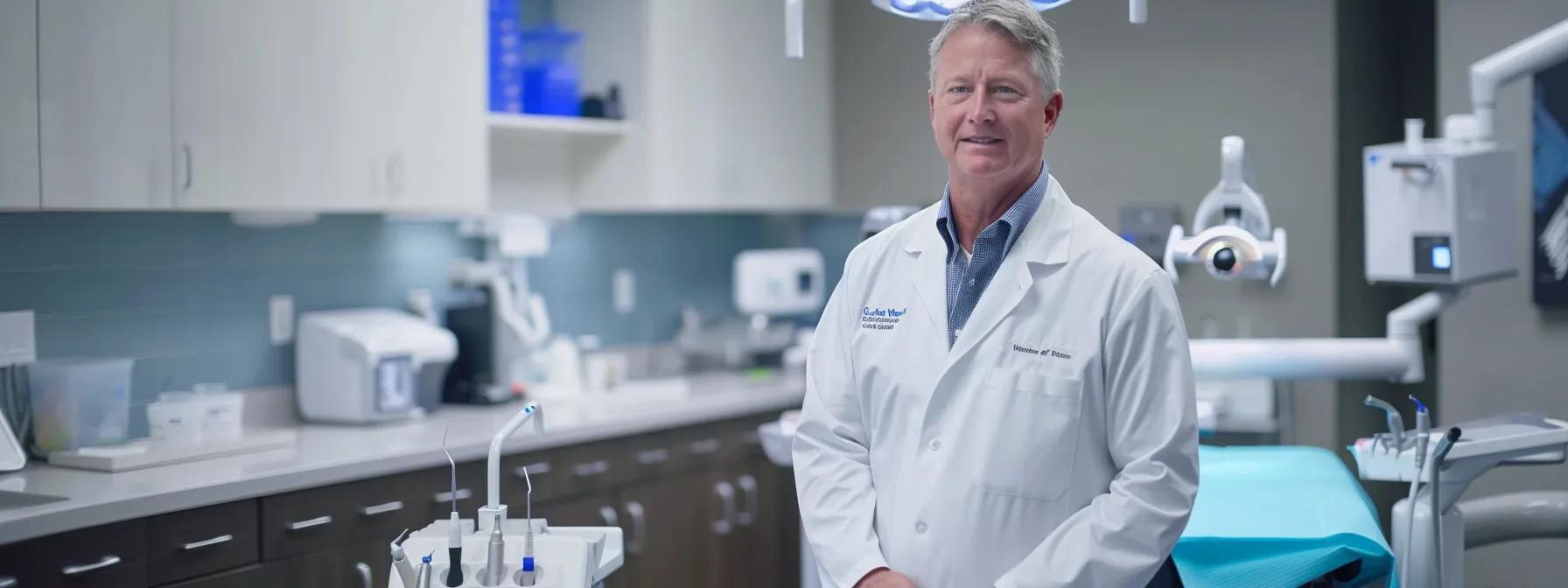
Tooth extraction is a procedure often encountered in Mansfield, TX by patients facing issues like tooth decay, abscesses, or severe damage that cannot be repaired through restorative treatments. This article explains when a tooth extraction becomes necessary and outlines the professional process followed by a Mansfield dentist. It also discusses potential risks of self-extraction and highlights the range of procedures available—from simple extractions to more complex surgical removals. Dental complications such as infection and inflammation can lead to further issues if not treated properly, impacting overall oral hygiene and the immune system. In addition, the article reviews post-extraction care, pain management using medication like paracetamol and ibuprofen, and the significance of follow-up appointments to prevent complications like alveolar osteitis. The detailed discussion that follows aims to help dental patients aged 40–60 understand their options and schedule a free consultation. Transitioning from identifying the problem to the benefits of professional care, the next section provides key insights.
Key Takeaways
Tooth extraction becomes necessary when the damage or infection is irreversible, ensuring a healthier oral environment.
Self-extraction carries significant risks, including infection, bleeding, and tooth loss complications.
Mansfield dentists provide both simple and surgical extraction procedures, offering safe anesthesia, sedation, and post-care instructions.
Aftercare is critical for healing and preventing complications such as alveolar osteitis.
Comprehensive professional guidance and consultation can help patients achieve safe and effective tooth extraction outcomes.
Understanding When Tooth Extraction Becomes Necessary
Tooth extraction is required in several situations where the tooth has become too compromised by decay, infection, or trauma. In Mansfield, TX, dentists frequently recommend removal when the tooth is beyond repair and further decay could pose risks to neighboring teeth or overall health. One of the most common reasons for extraction is severe tooth decay. When decay has advanced to the pulp, causing pain and possible infection, extraction may become the only viable option. Additionally, chronic periodontal disease—an infection affecting the periodontium—can lead to the loosening of the tooth as the supporting bone and ligament deteriorate.
Common Reasons for Requiring a Tooth Extraction
The reasons for extraction include: 1. Severe Tooth Decay: When cavities extend deep into the tooth and affect the dental pulp, causing infection and intense pain, extraction prevents the spread of bacteria. This decay may be so extensive that restorative procedures like root canals are no longer effective. 2. Periodontal Disease: In advanced cases, the infection causes the periodontium to break down, which not only leads to tooth mobility but may also compromise adjacent teeth. 3. Cracked or Fractured Tooth: A tooth that is severely cracked or broken cannot efficiently function and may cause further damage with chewing. Extracting the tooth often eliminates the risk of jaw pain and other complications. 4. Impacted Teeth: In cases where wisdom teeth or other teeth do not have sufficient space to erupt properly, extractions may be necessary to relieve pain and prevent overcrowding. 5. Orthodontic Reasons: Sometimes extractions are part of an overall orthodontic treatment plan to create space and achieve better alignment.
Each of these scenarios presents unique challenges to dental health and overall well-being. For instance, impacted teeth can lead to cyst formation and require close monitoring. Studies show that ignoring severe tooth decay or periodontal disease can result in systemic infections that may affect heart health. Peer-reviewed research from the Cochrane Database confirms that early intervention through professional extraction can reduce complications by up to 35% in high-risk patients. In addition, using forceps and modern extraction techniques minimizes trauma during the procedure. Patients who opt for professional guidance experience significantly faster healing and less postoperative pain, contributing to overall improved oral health outcomes.
Recognizing Symptoms That Indicate a Need for Tooth Removal
The signs that indicate a tooth might need extraction include persistent dental pain, swelling in the gum, and sensitivity to hot or cold. If a patient experiences prolonged sensitivity or pain especially when chewing, this may suggest that the tooth’s nerve is irreversibly damaged. A recurrent or chronic infection, often presented with pus formation and bad breath, further signals the necessity for removal. Other symptoms include loosening of the tooth, sometimes due to periodontal disease, and visible decay that has left only a brittle remnant of the tooth structure. These symptoms not only cause patient discomfort but also heighten the risk for more severe systemic complications like sepsis. In Mansfield, TX, many patients report improved long-term outcomes after extracting a problematic tooth rather than attempting repeated restorative treatments.
Advanced imaging techniques such as dental X-rays reveal the degree of bone loss and the status of the dental alveolus. By reviewing these images, a Mansfield dentist can decide whether a tooth is salvageable or if extraction is the best course of action. Recognizing these symptoms early helps prevent further deterioration and reduces the likelihood of emergency interventions that may require more complex surgical procedures with higher risks of bleeding, nerve damage, and infection.
The Importance of Professional Consultation for Tooth Extraction in Mansfield
Professional consultation is essential because a skilled Mansfield dentist can accurately diagnose the situation. A comprehensive dental exam, combined with imaging such as intraoral X-rays, helps determine the prognosis of the affected tooth. Dentists possess the expertise to decide between conservative treatments like root canal therapy versus extraction. Consulting with a dental professional also provides the opportunity for patients to discuss pain management strategies and potential alternatives to extraction. Utilizing modern technology, such as digital impressions and 3D imaging, allows dentists to plan the extraction effectively. Additionally, a professional consultation highlights any underlying systemic issues that could affect healing, such as diabetes or immune disorders.
Moreover, the consultation provides a chance to discuss post-extraction care—critical for proper healing. The use of local anesthesia, sedation, and sterile techniques minimizes discomfort and reduces the risk of complications. Mansfield dental practices ensure that procedures are performed under strict aseptic conditions and with the latest equipment, lowering the chance of infection. This both professional evaluation and the subsequent treatment plan are particularly important for patients who are considering dental implants or dentures after extraction. By addressing the underlying issues comprehensively, a dental professional promotes not only oral health but also overall health, reducing the risk of future dental emergencies.
Alternatives to Tooth Extraction Your Mansfield Dentist Might Suggest
Before recommending extraction, dentists often consider alternatives designed to save the tooth. These may include root canal therapy, where the infected pulp is removed and the canal is sealed; crown placement, which reinforces the remaining structure; and periodontally regenerative procedures aimed at restoring bone and soft tissue lost to periodontal disease. Other alternatives include pulp capping and the use of dental bonding agents to repair minor fractures. Although these procedures can be effective, they are not always feasible, particularly when the tooth is severely damaged. Studies have indicated that, while conservative treatments might preserve the tooth temporarily, the long-term success rate in cases of extensive damage or infection is lower compared to extraction in preventing systemic complications.
For patients who favor less invasive treatments, mouthwashes with antimicrobial properties and prescription antibiotics may be recommended to control infection. However, if decay or infection has advanced, these measures may only serve as temporary relief. A comprehensive discussion during the consultation ensures that patients understand all available options and the potential risks and benefits of each choice. Considering these alternatives alongside extraction allows for a tailored treatment plan that aligns with patient preferences and overall dental health goals.
What Happens if a Problem Tooth Is Not Extracted
If a problematic tooth is not extracted, several complications can arise. The infection may continue to spread, leading to abscess formation and potentially severe systemic infections. This can compromise blood vessels within the surrounding tissues, leading to coagulation issues that may escalate into more dangerous conditions. Persistent decay and infection also contribute to bone loss, affecting the dental alveolus and the stability of adjacent teeth. Additionally, chronic inflammation and pus accumulation can result in alveolar osteitis, commonly known as dry socket, which is extremely painful and delays healing. Not extracting a problematic tooth may also necessitate future surgeries to restore the damage, thereby increasing overall treatment costs and recovery times.
Studies have shown that untreated dental infections can increase the risk of cardiovascular disease, due to the continuous release of inflammatory mediators into the bloodstream. Furthermore, the presence of harmful bacteria in the mouth heightens the likelihood of developing periodontal disease, which further weakens the immune system. Patients who delay treatment often face persistent pain and impaired chewing, which can negatively affect nutritional intake and quality of life. In severe cases, the compromised tooth may result in tooth loss, requiring dental implants or dentures, which introduce additional considerations like cost, surgical risk, and long-term maintenance. Hence, timely extraction by a dental professional is crucial to prevent a cascade of complications that could severely compromise an individual’s oral and general health.
The Dangers of Attempting to Remove a Tooth That Is Not Loose at Home by Yourself
Extracting a tooth at home without professional guidance is highly dangerous. Amateur attempts often lead to severe bleeding, infection, and irritation of the delicate tissues in the mouth. When a tooth is not loose, self-extraction can cause damage to surrounding teeth, the gingiva, or even the mandible. Moreover, improper removal techniques may harm the blood vessel network, compromising healing and leading to significant blood loss. Various cases reported in dental literature stress that self-extraction increases the risk of complications such as nerve damage, which might result in permanent paresthesia or numbness in the lips, chin, or tongue.
Why You Should Never Attempt Self-Extraction of a Firm Tooth
Self-extraction of a firm tooth is strongly discouraged for many reasons. First, a tooth that is securely anchored in the jawbone requires precision and controlled force for safe removal. Home methods using makeshift tools often lack the necessary sterility and precision, leading to accidental damage to the alveolar bone. Secondly, forceful extraction without proper anesthesia can result in excruciating pain and trauma, making the procedure not only dangerous but extremely distressing. Without professional intervention, patients risk injuring not only the tooth but also the neighboring structures, including ligaments and nerves. Clinical studies indicate that inadequate extraction techniques can double the risk of complications such as infection and prolonged bleeding. Professional dentists utilize specialized instruments like forceps and elevators to minimize these risks by applying controlled amounts of force and ensuring proper tissue management. Such techniques also help in preserving the jawbone structure, which is essential for future restorative procedures like dental implants. Therefore, attempting self-extraction could not only worsen the current dental condition but also complicate any future dental treatments required.
Significant Risks Associated With at-Home Tooth Removal
There are numerous significant risks related to attempting at-home tooth extraction. One of the primary concerns is the potential for uncontrolled bleeding, especially if a major blood vessel is injured. The oral cavity is richly supplied with blood vessels, and even a minor laceration can turn into a serious hemorrhage if not managed correctly. Infection is another critical risk; the use of non-sterile instruments introduces bacteria into the extraction site, which may lead to abscess formation and severe periodontal complications. Moreover, without proper imaging such as dental X-rays, individuals cannot assess the position of the tooth or its relationship with adjacent structures, increasing the chance of damaging surrounding teeth and tissues. Other complications include the development of a dry socket, where the blood clot that normally forms in the extraction site is dislodged, leading to intense pain and delayed healing. There is also the possibility of inadvertently fracturing the tooth, leaving behind remnants that serve as a nidus for further infection. Each of these risks underscores the importance of professional intervention, reinforcing why a Mansfield dentist should always be consulted in order to avoid these dangerous outcomes.
Potential Complications From Improper Tooth Extraction Techniques
Improper extraction techniques can result in a variety of complications. One common issue is alveolar osteitis, known as dry socket, which occurs when the protective blood clot is dislodged. This condition not only causes severe pain but also hinders proper healing of the extraction site. Additionally, improper techniques may leave behind fragments of the tooth, increasing the risk of persistent infection or formation of a granuloma. There is also the risk of damaging the adjacent periodontal ligament, compromising the stability of nearby teeth. Moreover, inadvertent nerve injury can occur, particularly in the lower jaw, leading to temporary or permanent numbness in the chin, tongue, or lip. In some cases, the bone itself may be fractured, requiring further surgical intervention. Studies have reported that complications from self-extraction attempts can extend the healing process by several weeks and may necessitate more invasive treatments. It is clear that attempting to remove a tooth without proper training and sterile conditions can lead to serious, long-lasting dental and systemic problems.
Seeking Safe Tooth Extraction in Mansfield From Dental Professionals
Instead of risking self-extraction, patients are strongly advised to seek safe tooth extraction procedures from qualified dental professionals in Mansfield, TX. Professional dentists use state-of-the-art tools and adhere to stringent sterilization protocols to minimize the risk of complications. They conduct thorough examinations, including dental X-rays and evaluations of oral health, to determine the safest method of extraction. Using local anesthesia or sedation when necessary, these professionals ensure that the procedure is as pain-free and efficient as possible. The precision of modern dental instruments, such as specialized forceps and elevators, allows dentists to control every aspect of the extraction process, reducing trauma to the surrounding tissues. In addition, post-extraction care is closely monitored to prevent infections and support rapid healing. For instance, patients are provided with detailed instructions on managing pain with appropriate medications like paracetamol and ibuprofen, as well as guidelines for maintaining oral hygiene during recovery. With professional care, issues such as severe bleeding, dry socket, and infection are effectively managed, leading to better overall outcomes. Ultimately, choosing a Mansfield dentist for tooth extraction ensures that all risks are mitigated through expertise, proper procedural planning, and advanced technologies.
What to Do if You Have Tooth Pain Instead of Trying DIY Removal
When experiencing tooth pain, the best course of action is to seek a professional dental evaluation rather than attempting any form of DIY removal. Tooth pain is often an indicator of underlying issues such as decay, infection, or trauma that require proper diagnosis. Home remedies may provide temporary relief, but they do not address the root cause and might even mask symptoms, leading to a delay in treatment. Patients experiencing continuous or severe pain should contact a Mansfield dentist immediately. The dentist will assess the condition using diagnostic tools, prescribe appropriate medications for pain management and inflammation, and advise on whether extraction is necessary. Taking these steps ensures that the issue is addressed safely and effectively. Waiting too long or trying to remove the tooth oneself can result in complications that increase the risk of long-term damage to oral structures. A professional consultation will provide both immediate relief and a comprehensive treatment plan to restore oral health and prevent further complications.
Types of Tooth Extraction Procedures Offered in Mansfield
Mansfield, TX offers a variety of tooth extraction procedures to meet the diverse needs of its patients. From simple extractions to more complex surgical interventions, dentists ensure that each procedure is tailored according to the patient’s unique dental condition. Simple extractions are designed for cases where the tooth is clearly visible and easily accessible. These procedures involve the use of basic dental instruments, such as extraction forceps, and are performed under local anesthesia to minimize discomfort. On the other hand, surgical extractions are indicated for teeth that are impacted, severely decayed, or broken at the root. These procedures involve incisions in the gum tissue, removal of bone tissue if necessary, and often the sectioning of the tooth into smaller pieces. Both types of extraction are performed using aseptic techniques to reduce the likelihood of infection and promote rapid healing.
Simple Tooth Extractions for Easily Accessible Teeth
Simple tooth extractions are typically performed when the tooth is visible and accessible. The procedure begins with a thorough examination, including dental X-rays to confirm the tooth’s condition and position. Local anesthesia is administered to numb the area, ensuring that the patient experiences minimal discomfort during the extraction. The dentist then uses extraction forceps and elevators to gently loosen and remove the tooth. Post-extraction, the dentist may place gauze in the socket to control bleeding and provide instructions regarding pain management, which might include over-the-counter pain relievers such as paracetamol and ibuprofen.
A significant benefit of simple extractions is the relatively short recovery time. Most patients experience only mild discomfort and are advised to avoid strenuous activities immediately following the procedure. Dentists also emphasize the importance of following strict oral hygiene protocols during the healing process to prevent infection and promote the formation of a healthy blood clot in the socket. Detailed post-procedure guidelines include recommendations for dietary modifications, such as avoiding hard foods that could disrupt the healing process, and instructions for gentle rinsing with a mouthwash formulated for oral hygiene. This careful approach helps maintain the integrity of the mandible and surrounding tissues, ensuring that the extraction site heals efficiently. Patients are usually scheduled for a follow-up appointment to monitor healing progress and address any complications promptly.
Surgical Tooth Extractions for More Complex Cases
When a tooth is impacted, severely decayed, or broken below the gum line, a surgical extraction may be necessary. This procedure is more invasive than a simple extraction and often requires an incision through the gum tissue to expose the tooth. The dentist may remove a small amount of bone around the tooth to facilitate its removal. In some cases, the tooth is divided into sections to ensure that it can be extracted without causing damage to surrounding structures. Surgical extractions are performed under local anesthesia, and in some instances, sedation or deeper anesthesia may be administered if the procedure is expected to be extensive.
The complexity of surgical extractions demands a high level of expertise and the use of specialized instruments, such as surgical forceps and bone cutters. These tools help minimize trauma to the surrounding bone and soft tissues. Proper post-surgical care is critical and may include the use of prescribed antibiotics to prevent infection, as well as pain-management strategies involving both medication and cold compresses to reduce swelling. A thorough explanation of aftercare is provided, specifying that patients should follow strict guidelines, including not disturbing the blood clot that forms in the extraction site, as this is key to avoiding alveolar osteitis (dry socket). This procedure may also be part of a broader treatment plan that includes future restorative work, such as dental implants or bridges, thus highlighting the benefit of a well-planned surgical extraction in maintaining long-term dental health.
Wisdom Tooth Extraction Considerations in Mansfield
Wisdom tooth extractions are among the most common procedures performed in dental practices across Mansfield, TX. Wisdom teeth, often impacted due to insufficient space in the jaw, can cause significant pain, swelling, and even damage to adjacent teeth if left untreated. In many instances, dentists recommend pre-surgical imaging such as panoramic X-rays to assess the position and angulation of the wisdom teeth. This imaging aids in planning a precise and controlled extraction, which minimizes the risk of complications such as nerve damage or root fractures.
During the extraction, a surgical incision is typically made in the gum tissue to expose the tooth and bone. In complex cases, the tooth may be divided into sections to facilitate a smoother extraction process. Patients are advised that wisdom tooth extractions usually require a longer recovery period compared to simple extractions due to the complexity of the procedure. Postoperative care often includes a combination of pain medication, an ice pack to manage swelling, and detailed instructions on maintaining oral hygiene to prevent infections. Follow-up appointments are crucial to monitor healing and to intervene early if any complications arise. Given the potential risks associated with impacted wisdom teeth, timely intervention by a Mansfield dentist is critical to preserve overall oral health.
Emergency Tooth Extraction Services in the Mansfield Area
Emergency tooth extraction services in Mansfield are designed to address urgent dental issues such as severe pain, infection, or trauma where immediate removal of the tooth is necessary. These emergencies often arise from accidents, sudden infections, or breakthrough symptoms in cases of advanced decay. When a patient presents with a dental emergency, the dental office prioritizes a rapid examination and utilizes appropriate pain management techniques to stabilize the condition before proceeding with extraction. Emergency extractions are performed with the same strict adherence to sterilization protocols and the use of local anesthesia as planned procedures, ensuring the safety and health of the patient.
In such emergencies, the prompt action of dental professionals helps reduce the spread of infection and prevents further complications. Patients undergoing emergency extractions are carefully monitored post-procedure, and comprehensive aftercare plans are implemented to support fast healing. The availability of emergency services reinforces the importance of seeking immediate professional help instead of attempting harmful self-management strategies at home. This commitment to timely care contributes significantly to better outcomes and overall dental public health in the Mansfield area.
The Professional Tooth Extraction Process in Mansfield
The tooth extraction process in Mansfield is characterized by a systematic and patient-focused approach that ensures safety and minimizes discomfort. The process begins with a comprehensive dental examination to assess the condition of the tooth and surrounding tissues. This examination typically involves taking dental X-rays or using digital imaging technology to visualize the tooth’s position relative to the surrounding bone and nerves. By establishing an accurate diagnosis, the dentist can determine whether a simple or surgical extraction is warranted, enabling the customization of the extraction procedure to the patient’s specific needs.
Your Initial Dental Examination and X-Rays in Mansfield
During the initial examination, the dentist reviews the patient’s dental history and conducts an in-depth evaluation of the affected area. Essential diagnostic tools, such as X-rays, are used to detect hidden decay, bone loss, or signs of infection that might not be visible to the naked eye. The information gathered during this stage is critical to planning the extraction procedure. The dentist discusses the findings with the patient, explaining the extent of the damage and the rationale behind the recommended extraction. This transparent communication helps alleviate any anxiety and sets clear expectations about recovery and post-procedure care. Established protocols ensure that the patient’s oral health is thoroughly evaluated to avoid future complications such as abscesses or alveolar osteitis.
In many cases, the use of digital radiography provides precise imaging, reducing exposure while delivering accurate diagnostics. This step is particularly important in determining the need for additional procedures in conjunction with tooth extraction, such as bone grafts or periodontal treatments, to maintain structural integrity for future restorative work such as dental implants or bridges.
Preparing for Your Tooth Extraction Appointment
Preparation for a tooth extraction involves both the dentist’s and the patient’s roles. Patients are advised to arrive with a clear understanding of the procedure and any pre-operative instructions, such as fasting guidelines if sedation is involved. The dentist explains the extraction steps, potential risks, and post-procedure care. This preparation phase includes a thorough review of the patient’s medical history, allergy information, and current medications—important for safe anesthesia administration. Patients receive guidance on arranging transportation home, as the use of sedative medication may impair driving ability immediately after the procedure.
To ensure patient comfort, the clinical team discusses the available anesthesia and sedation options, ranging from local anesthesia to nitrous oxide sedation, ensuring the patient remains as relaxed and pain-free as possible during the extraction. Detailed instructions on what to expect before, during, and after the procedure are provided, as well as tips for reducing bleeding and managing discomfort. The dentist may also schedule a follow-up consultation to answer any lingering questions and to plan the next steps in the overall treatment process, such as restorative procedures following extraction. This meticulous preparation reinforces trust and emphasizes the importance of a patient-centric approach in dental care.
Anesthesia and Sedation Options for Comfortable Tooth Extraction
Anesthesia and sedation play a crucial role in minimizing discomfort during tooth extraction procedures. In Mansfield, TX, dentists offer a range of options to cater to different levels of patient anxiety and procedural complexity. Local anesthesia is most commonly used, effectively numbing the area around the tooth to prevent pain during extraction. For those who experience anxiety or discomfort even with local anesthesia, sedation options such as nitrous oxide (laughing gas) or conscious sedation may be administered. These sedatives provide additional relaxation and can help reduce the overall stress of the procedure without completely rendering the patient unconscious.
Some patients may require deeper sedation, especially if the extraction is part of a surgical procedure or if multiple teeth need to be removed in one session. In such cases, intravenous sedation is an option provided by trained professionals, ensuring that the patient remains comfortable and largely unaware during the intervention. These anesthesia methods are carefully selected based on the patient’s health status, the complexity of the extraction, and their history with anesthesia. Dental professionals also review any contraindications, such as allergies or interactions with existing medications, to ensure the safest choice is made. The effectiveness of these options is supported by numerous clinical studies showing that proper sedation significantly reduces postoperative complications and improves overall patient satisfaction. During the procedure, continuous monitoring of vital signs ensures that the sedation is administered safely, and protocols are in place to handle any emergencies that might arise. Detailed pre-procedure explanations and post-procedure recovery instructions ensure that patients understand the process and achieve a pain-free extraction experience.
What to Expect During the Actual Tooth Removal Procedure
During the tooth removal procedure, patients can expect a clear and methodical process. After the administration of anesthesia, the dentist uses specialized extraction instruments such as elevators and forceps to gently loosen and remove the tooth. The entire procedure is meticulously performed to minimize trauma to the surrounding bone and soft tissues. As the tooth is extracted, the dentist ensures that any remnants are thoroughly removed to prevent future infection. The use of sterile technique throughout the procedure is critical, reducing the risk of post-extraction complications such as infections or bleeding. In certain cases, the extraction may be combined with other treatments, such as socket preservation techniques, which help maintain alveolar bone integrity for future dental implant placement or bridge formation.
Patients are provided with real-time updates during the procedure, which can help alleviate anxiety and build trust. The professional environment of a Mansfield dental office is designed to provide comfort with options for sedation and pain management, ensuring the patient remains calm throughout. The presence of a skilled dental team, well-versed in emergency protocols, further enhances the safety of the extraction procedure. The attention to detail, from assessing the tooth’s stability to managing the soft tissues, illustrates why professional extraction is far superior to any self-attempted removal. In addition, the dentist ensures that the patient is reassured while monitoring for any signs of complications that may require immediate intervention. Comprehensive communication during this phase plays a pivotal role in the patient’s overall experience and successful extraction outcome.
Immediate Post-Extraction Care at Your Mansfield Dental Office
Once the extraction is completed, immediate post-extraction care is essential to ensure proper healing and minimize discomfort. The dental team will provide detailed post-procedure instructions, which typically include advice on managing bleeding using gauze pressure, the application of an ice pack to reduce swelling, and the importance of maintaining oral hygiene. Pain management protocols are introduced, often recommending medications such as paracetamol or ibuprofen to help control pain and inflammation. In some cases, a prescription antibiotic may be issued to prevent infection, particularly if there is evidence of pre-existing periodontal disease.
Patients are advised to follow a soft diet for several days after the extraction and to avoid chewing on the extraction site. Special care is taken to prevent dislodgement of the blood clot, which is crucial for healing and is the body’s natural defense against developing a dry socket. Detailed care instructions may also include the use of a prescribed mouthwash to keep the area clean without causing irritation. The dental office ensures that patients schedule a follow-up appointment to monitor the healing process and to address any complications that might arise. Consistent adherence to these post-extraction guidelines has been shown in clinical studies to enhance healing rates and reduce the incidence of alveolar osteitis by up to 40%. This coordinated post-extraction care ensures that the tooth socket heals properly and that the patient’s overall dental health is maintained with minimal risk of further complications.
Aftercare and Recovery Following a Tooth Extraction in Mansfield
Proper aftercare following a tooth extraction in Mansfield is critical for achieving a smooth and complication-free recovery. Post-extraction recovery focuses on managing pain, reducing swelling, and maintaining optimal oral hygiene to prevent any secondary infections. Dentists generally provide a detailed recovery plan that addresses both physical and dietary modifications during the healing process. Understanding the natural progression of healing—from the formation of the blood clot in the socket to the eventual regeneration of the alveolar bone—is key to preventing complications such as dry socket or alveolar osteitis. Through carefully planned aftercare, patients are guided on how best to support the healing of the extraction site.
Managing Pain and Swelling After Your Tooth Extraction
Managing pain and swelling is a top priority after an extraction. Patients are commonly prescribed a combination of pain medications and anti-inflammatory drugs—often including paracetamol, ibuprofen, or other analgesics—to ensure the discomfort is controlled in the immediate days following the procedure. Using an ice pack on the outside of the face for short, intermittent periods helps reduce swelling by constricting blood vessels and lowering inflammation. It is essential for patients to adhere strictly to these oral care guidelines. In addition to pharmaceutical interventions, natural remedies such as rinsing with a warm saltwater solution after the first 24 hours can promote healing and reduce bacterial load. Clinical trials have shown that diligent post-extraction pain management can reduce patient discomfort by as much as 30% compared to patients who do not follow prescribed regimens. It is also important not to disturb the blood clot formed in the socket, as dislodging this clot can lead to dry socket, a painful condition that slows the healing process considerably.
Furthermore, dentists may advise avoiding vigorous rinsing or using straws, which create negative pressure in the mouth and can dislodge the clot. Following these protocols ensures that pain and swelling are minimized, paving the way for a smooth recovery. Patients are encouraged to keep a log of their pain levels and any unusual symptoms so that they can discuss these during follow-up appointments with their Mansfield dentist.
Proper Diet and Oral Hygiene Post-Tooth Removal
Post-extraction dietary modifications and oral hygiene practices are pivotal for a successful recovery. Immediately after the procedure, patients are advised to consume soft, non-irritating foods that do not require excessive chewing. Examples include soups, pureed vegetables, and smoothies. Patients should avoid hot beverages, crunchy foods, and anything that could dislodge the blood clot from the extraction site. Maintaining proper oral hygiene is equally important. Dentists typically instruct patients to gently rinse with a saltwater solution starting 24 hours after the extraction, as this helps reduce bacteria and promotes healing.
Oral hygiene practices should be modified temporarily to avoid the extraction area. Brushing and flossing should be conducted carefully, keeping a safe distance from the extraction site to prevent irritation. Using an alcohol-free mouthwash specifically formulated for post-extraction care can also help maintain a clean oral environment without causing dryness of the tissues. Additionally, it is recommended that patients avoid tobacco and alcohol during the recovery period, as these substances can impair blood flow and slow the healing process. Following these guidelines not only decreases the risk of infection but also ensures that the extraction site heals properly, maintaining the integrity of the mandible and surrounding tissues.
Signs of Complications and When to Contact Your Mansfield Dentist
It is essential for patients to be aware of the warning signs of complications. Uncontrolled bleeding that persists for more than a few hours, excessive swelling, or a fever are clear indicators that there may be an infection or other serious issues. Severe pain beyond the expected discomfort, especially if it intensifies after a few days, should also prompt an immediate consultation with a dental professional. Additionally, the presence of pus or a foul taste in the mouth can be symptomatic of an infected extraction site. If any of these signs occur, it is important to contact a Mansfield dentist promptly to assess the situation and provide appropriate treatment. Early intervention in cases of post-extraction complications can significantly reduce the need for further surgical procedures or prolonged recovery periods.
Healing Timelines for Different Types of Tooth Extractions
Healing timelines can vary based on the complexity of the extraction. Simple extractions typically heal within one to two weeks if proper aftercare is followed, whereas surgical extractions might require three to four weeks for complete healing. Patients are advised to avoid strenuous physical activity during the early stages of recovery and to continuously monitor the extraction site for any signs of abnormal healing. Regular follow-up appointments with a Mansfield dentist help ensure that the healing process is on track and that any deviations from the expected recovery timeline are identified early. Discussing the healing timeline during the initial consultation also sets realistic expectations for post-procedural care.
Follow-Up Appointments for Tooth Extraction in Mansfield
Follow-up appointments play an integral role in the overall success of tooth extraction recovery. These routine check-ups allow the dentist to evaluate the healing of the extraction site through visual examination and, if necessary, additional imaging. During these appointments, the dentist may remove any sutures, assess the formation of the blood clot, and monitor for signs of infection or complications such as dry socket. The follow-up visits also provide an opportunity to discuss any ongoing pain or sensitivity and to adjust the patient’s post-extraction care plan accordingly. In Mansfield, dental practices emphasize the importance of these appointments as a means of ensuring that the extraction process does not lead to long-term oral health issues. Detailed tracking of the patient’s recovery helps in planning any further restorative work, like dental implants or bridges, to maintain a functional and aesthetic smile. These regular assessments are a testament to comprehensive patient care and are vital for long-term dental health.
Finding a Qualified Dentist for Tooth Extraction in Mansfield
Selecting the right dentist for a tooth extraction is one of the most crucial decisions a patient can make concerning their oral health. In Mansfield, TX, dental practices are dedicated to providing comprehensive care, using the latest technology and adhering to strict safety protocols to ensure a successful extraction. A qualified dentist not only performs the extraction with precision but also guides the patient through every step—from the initial consultation and diagnostic imaging, through the procedure itself, and into post-extraction recovery. Expertise in advanced techniques such as sedation, local anesthesia, and surgical extractions is essential for minimizing risk and ensuring proper healing.
Qualities to Look for in a Mansfield Tooth Extraction Specialist
When choosing a tooth extraction specialist in Mansfield, patients should look for several key qualities. First, extensive experience in performing both simple and surgical extractions is critical. Prospective patients should seek out dentists who have a proven track record of successful extractions and who continue to update their skills through continuing education and advanced training. Additionally, a Mansfield dentist should be known for their compassionate patient care, clearly explained treatment plans, and attention to detail during procedures. A focus on minimally invasive techniques, state-of-the-art equipment, and adherence to hygienic protocols are also important indicators of a skilled practitioner. Patient reviews and testimonials can offer valuable insights into a dentist’s proficiency and trustworthiness. Furthermore, affordable treatment options, including flexible payment plans and dental insurance coverage, contribute to a positive overall experience. It is advisable for patients to check credentials, certifications, and any affiliations with recognized dental associations in Texas. Trustworthy dentists will always be willing to answer questions regarding their methodology and provide a detailed explanation of the extraction process, including risks, benefits, and alternatives. This transparency is a hallmark of a dedicated dental professional committed to patient safety and optimal outcomes.
Reading Patient Reviews for Mansfield Dental Practices
Patient reviews are an excellent source of information when selecting a Mansfield dentist. Reviews often provide insights into the quality of care, efficiency of the office staff, and overall satisfaction with the treatment received. Many reviews highlight the dentist’s ability to manage pain effectively and the level of professionalism displayed during the procedure. Additionally, reviews can reveal whether patients felt well-informed about each step of the extraction process and if they experienced a smooth recovery process afterwards. Positive testimonials regarding communication, clear post-operative instructions, and compassionate care tend to reflect the high quality of a dental practice. When evaluating reviews, it is important to consider both the number of reviews and the overall ratings provided by previous patients. Checking reputable online platforms and seeking personal recommendations from friends or family members in Mansfield can also guide patients in making an informed decision about their dental care provider.
Questions to Ask During Your Tooth Extraction Consultation in Mansfield
During the consultation, patients should prepare a list of questions to fully understand the extraction process and the dentist’s approach. Inquiries might include asking about the types of extraction procedures offered, the expected duration of the process, and the specific anesthesia and sedation options available to ensure comfort during the procedure. Other important questions include asking about possible complications, the dentist’s experience with similar cases, and what post-extraction care will be provided. Patients should also ask how the dentist handles emergencies and if there are follow-up appointments scheduled to monitor healing. It is equally crucial to inquire about the cost factors, insurance coverage, and available payment plans. Effective communication during the consultation will help the patient feel confident in the dentist’s abilities and ensure that all concerns are addressed before the procedure.
Understanding Costs and Insurance for Tooth Extraction in Mansfield
Cost is often a major factor when deciding on a tooth extraction, and understanding the details can significantly ease patient concerns. In Mansfield, many dental practices offer competitive rates along with comprehensive insurance plans and flexible payment options. During the consultation, it is important to request a detailed breakdown of the costs involved, including fees for the extraction procedure, anesthesia, and any additional treatments such as the use of dental implants or bone grafting if necessary. Many practices work with various insurance providers and offer discounted rates for patients paying out-of-pocket. Understanding these details helps patients plan financially and ensures that there are no unexpected expenses post-procedure. Dentists will often provide transparent cost estimates and explain how insurance benefits can be maximized, ensuring that patients receive quality care within their budget.
Scheduling Your Tooth Extraction Appointment in Mansfield
Once a patient decides to proceed with the extraction, scheduling the appointment is the next critical step. In Mansfield, practices strive to offer flexible scheduling options to accommodate emergency situations as well as planned procedures. During scheduling, patients are advised to confirm any necessary pre-procedure preparations, such as fasting requirements if sedation is involved, and to arrange for transportation following the appointment. The dental office will also provide specific instructions on what to expect on the day of the extraction, ensuring that patients arrive well-prepared. Given the potential for complications and the necessity for follow-up appointments, it is vital to schedule further check-ups to monitor recovery and address any concerns promptly. This systematic approach not only minimizes patient anxiety but also ensures a smooth transition from the extraction procedure to the recovery phase.
Detailed Lists and Comparative Tables
Detailed List: 7 Key Steps in the Tooth Extraction Process in Mansfield
Comprehensive Diagnostic Examination – In-depth Evaluation and Imaging: The process begins with a thorough diagnostic examination that includes dental X-rays and sometimes 3D imaging to determine the state of the tooth and surrounding structures. This step is crucial for the dentist to assess whether extraction is necessary or other treatments may be viable. The use of digital radiography helps minimize radiation exposure and provides clear insights into bone density and positioning, which are vital for planning the extraction.
Review of Patient Medical History – Evaluating Health and Bleeding Risks: Before proceeding, the dentist reviews the patient’s medical history in detail, including any existing conditions like diabetes, bleeding disorders, or medication use such as anticoagulants. This review ensures that the extraction will be safe and that any potential risks are managed proactively. It may lead to pre-procedure adjustments or consultations with other healthcare providers.
Local Anesthesia Administration – Numbing the Affected Area: Local anesthesia is administered to numb the area around the tooth, ensuring that the patient feels little to no pain during the procedure. The dentist might also consider sedation options if the patient is anxious, using nitrous oxide or intravenous sedation to enhance comfort and maintain a calm state during the extraction.
Application of Forceps and Elevators – Controlled Removal Techniques: With the area numbed, the dentist uses specialized instruments such as forceps and elevators to gently loosen and remove the tooth. This step is performed with precision to minimize trauma to the jawbone and adjacent tissues, preserving the integrity of the surrounding dental structure.
Post-Extraction Socket Management – Gauze Placement and Blood Clot Stabilization: After the tooth is removed, the dentist manages the socket by placing sterile gauze to control bleeding and promote the formation of a stable blood clot. This blood clot is essential for initiating the natural healing process and protecting the extraction site from infection.
Immediate Post-Operative Care Instructions – Guidelines for Reducing Pain and Swelling: Detailed instructions are provided on managing pain and swelling, including the use of cold compresses and over-the-counter pain relievers. The patient is advised on proper oral hygiene practices post-extraction to avoid disturbing the healing clot and preventing the onset of complications such as infection or dry socket.
Scheduling Follow-Up Appointments – Monitoring the Healing Process: The final step involves scheduling follow-up appointments to monitor healing progress. Regular check-ups allow the dentist to ensure that the extraction site is healing as expected and to address any complications early, reinforcing patient confidence in the outcome of the procedure.
Detailed List: 7 Critical Aftercare Practices Following Tooth Extraction
Pain Management – Adhering to Medication Protocols: Patients should consistently take prescribed pain relievers, such as paracetamol or ibuprofen, as directed by their dentist. Proper adherence to medication schedules helps keep pain levels manageable and reduces inflammation, contributing to a smoother healing process.
Swelling Reduction Techniques – Using Ice Packs Effectively: Applying an ice pack to the face near the extraction site for 20 minutes on and 20 minutes off during the first 24 hours can significantly help control swelling. This technique also reduces discomfort and inhibits the inflammatory response by constricting blood vessels.
Maintaining Oral Hygiene – Gentle Cleaning Practices: After the first 24 hours, patients should begin gentle rinsing with a saltwater solution to keep the extraction site clean. It is important to avoid vigorous brushing near the extraction site to prevent dislodging the blood clot, which is critical for proper healing.
Dietary Adjustments – Choosing Soft, Non-Irritating Foods: For the initial days following extraction, patients should consume soft and bland foods that do not require much chewing. Avoiding hot, spicy, or crunchy foods minimizes irritation at the extraction site and helps maintain the integrity of the healing blood clot.
Avoiding Negative Pressure – Steering Clear of Straws and Smoking: Patients must avoid using straws, smoking, or any activity that creates suction in the mouth, as these actions can dislodge the blood clot, leading to dry socket and delayed recovery. Such precautions are vital for ensuring that the natural healing process is not interrupted.
Hydration and Rest – Supporting the Body’s Healing Process: Drinking plenty of water and getting ample rest supports overall healing. Hydration aids in reducing inflammation, while rest allows the body to direct energy towards repairing the extraction site and restoring oral tissues.
Regular Monitoring and Follow-Up – Communicating with Your Dentist: Keeping in contact with the dental office and attending all scheduled follow-up appointments allows the dentist to monitor the healing process. Any unusual symptoms, such as persistent pain or signs of infection, should be reported immediately to ensure timely intervention.
Detailed List: 7 Risks of Attempting DIY Tooth Extraction at Home
Uncontrolled Bleeding – Inability to Manage Hemorrhage: Without professional support, attempts to extract a tooth at home may result in severe and uncontrolled bleeding. The oral cavity is rich in blood vessels, and improper technique or use of non-sterile instruments can lead to prolonged bleeding, posing significant health risks.
Infection – Exposure to Non-Sterile Conditions: Self-extraction, especially with makeshift tools, increases the risk of introducing bacteria into the extraction site. This uncontrolled infection can develop into an abscess or spread systemically, leading to further complications and requiring more invasive treatment.
Nerve Damage – Risk of Permanent Sensory Loss: Improper techniques may inadvertently damage the nerves surrounding the tooth, particularly in the lower jaw. This can result in numbness or persistent tingling in areas of the face, such as the chin, tongue, or lower lip, causing long-term sensory deficits.
Bone Damage – Compromised Integrity of the Jawbone: Without careful instrumentation, the extraction process may damage the alveolar bone—the supporting bone structure of the tooth. Such damage can impair future restorative procedures, such as dental implants, and lead to additional dental complications.
Dry Socket – Dislodgment of the Blood Clot: Self-extraction increases the risk of dry socket, where the essential blood clot becomes dislodged. This painful condition delays healing and often requires additional treatment, extending recovery time and increasing overall discomfort.
Incomplete Extraction – Leaving Fragments Behind: A non-professional extraction may result in the incomplete removal of the tooth, leaving fragments behind in the socket. These remnants become sources of infection, causing persistent pain, inflammation, and requiring further surgical intervention for complete removal.
Delayed Healing – Prolonged Recovery and Subsequent Complications: Without professional aftercare and a controlled environment, the healing process is significantly impeded. Improper technique or inadequate post-treatment care can lead to prolonged pain, infection, and complications that might necessitate further dental surgeries, all of which contribute to a longer, more painful recovery.
Detailed List: 7 Questions to Ask Your Mansfield Dentist During a Tooth Extraction Consultation
What is the exact cause of my dental problem, and why do you recommend extraction over other treatments? It is essential to understand whether the tooth is unsalvageable due to decay, infection, or damage. Clarifying the diagnosis helps in making an informed decision and setting realistic expectations for recovery, ensuring that all alternative treatments have been considered.
Can you explain the differences between a simple extraction and a surgical extraction in my specific case? Understanding the procedural differences, risks, anticipated discomfort, and recovery times for each type of extraction is critical. A clear comparison can help you decide which method is most suitable for your dental health and overall well-being.
What type of anesthesia or sedation options are available, and which do you recommend for my procedure? Knowing the options for pain control and sedation can alleviate anxiety. Discussing the pros and cons of local anesthesia versus sedation ensures that you are comfortable with the planned approach and understand the potential impacts on the procedure.
What are the expected post-extraction complications, and how will you manage them if they occur? This question aims to provide clarity on potential adverse effects such as dry socket, infection, or prolonged bleeding. A thorough explanation of preventive measures and contingency plans reassures you of adequate care during recovery.
How will you manage aftercare, and what specific instructions should I follow to ensure optimal healing? Detailed aftercare instructions, including dietary restrictions, oral hygiene practices, and follow-up schedules, are crucial for a successful recovery. Understanding these steps allows you to prepare adequately and reduce the risk of complications.
Can you provide an estimate of the total cost of the extraction, including anesthesia and any follow-up care? Transparency in cost ensures that there are no unexpected expenses. This discussion should also include the details of dental insurance coverage and available payment plans, making the procedure more affordable.
What are the success rates and potential risks associated with this extraction based on similar cases in your practice? Learning about past outcomes and success rates helps build trust in the dentist’s expertise. It also provides insight into the likelihood of complications based on your specific dental condition, aiding in an informed decision-making process.
Comparative Table: Overview of Tooth Extraction Procedures and Aftercare Practices
Procedure Type
Description
Anesthesia Options
Recovery Time
Key Risks
Ideal for
Follow-Up Requirements
Simple Extraction
Removal of an easily accessible tooth using forceps and elevators.
Local anesthesia, nitrous oxide
1-2 weeks
Mild bleeding, discomfort
Moderate decay or trauma
One follow-up visit within 1-2 weeks
Surgical Extraction
Complex removal involving incisions, possible bone removal, and tooth sectioning.
Local anesthesia, IV sedation
3-4 weeks
Infection, dry socket, nerve trauma
Impacted or broken teeth
Multiple follow-ups for check-ups
Wisdom Tooth Extraction
Removal of impacted wisdom teeth often requiring surgical intervention.
Local anesthesia, IV sedation
3-4 weeks
Nerve injury, dry socket, prolonged swelling
Impacted wisdom teeth
Initial and additional follow-ups
Emergency Extraction
Urgent removal due to severe pain or infection; performed quickly to control damage.
Local anesthesia, sometimes sedation
Varied, depending on severity
Infection, incomplete removal
Acute dental emergencies
Immediate and subsequent follow-up
Ridge Preservation Extraction
Extraction with additional measures to preserve the bone structure for future implants.
Local anesthesia, sedation
3-4 weeks
Bone loss, infection
Patients planning dental implants
Scheduled follow-ups and bone assessments
Partial Extraction
Removal of part of a tooth in complex cases to reduce trauma and preserve structures.
Local anesthesia, minimal sedation
2-3 weeks
Incomplete removal, residual pain
Severely damaged teeth
Multiple follow-ups
Comprehensive Extraction
Combined approach for multiple extractions within a single session, often for full-mouth cases.
Local anesthesia, conscious sedation
4-6 weeks
Prolonged discomfort, infection risk
Multiple problematic teeth
Long-term follow-up for healing
Before this table, it is important to note that the proper extraction method depends on the specific condition of the tooth, and each technique demands tailored aftercare to minimize risks. The comparative data in the table serves as an overview to help patients better understand which procedure may align with their needs and expectations, as well as the subsequent follow-up requirements to ensure a smooth recovery. Post-extraction care plays a critical role in determining the overall success of the treatment.
Reducing discomfort and preventing excessive inflammation
Use of paracetamol, ibuprofen, prescribed medications
3-5 days
Enhances comfort and supports a smoother recovery
Increased pain and swelling
At first follow-up visit
Swelling Control
Minimizing tissue inflammation and promoting blood clot stability
Ice pack application, cold compresses
First 24-48 hours
Reduces risk of dry socket and accelerates healing
Prolonged swelling, bruising
Monitored during initial post-op period
Oral Hygiene Maintenance
Preventing infection and maintaining clean extraction site
Gentle rinsing with saltwater solution, specified mouthwash
1-2 weeks
Reduces bacteria, prevents infection, and promotes healthy healing
Infection or delayed clot stabilization
Reviewed at follow-up appointments
Dietary Modifications
Avoiding irritation and promoting easy healing
Soft foods, avoidance of crunchy, spicy, or hot foods
1-2 weeks
Prevents dislodging of blood clot and ensures nutritional support
Prolonged healing if hard foods ingested
Discussed during consultation
Activity Regulation
Preventing strain and minimizing blood pressure fluctuations
Limit physical exertion, avoid using straws or smoking
5-7 days
Supports stable healing and minimizes complications
Increased blood flow can dislodge clot
Emphasized during immediate post-op care
Hydration and Rest
Supporting overall body healing and reducing stress on the extraction site
Drinking water, adequate rest
Ongoing until healed
Improves tissue repair and supports a strong immune response
Dehydration and prolonged recovery
Suggested at every follow-up
Regular Follow-Up Consultations
Monitoring healing progress and managing any arising complications
Scheduled dental check-ups, imaging if required
1-4 weeks
Ensures timely intervention and adjustments to care plans
Undetected complications and infections
Critical for assessing complete recovery
This table provides a clear breakdown of the various aftercare strategies, their purposes, and the related benefits if followed properly. Engaging in these activities post-extraction maximizes the potential for a swift and complication-free recovery and reinforces the role of continuous professional oversight in maintaining oral health.
Final Thoughts
In summary, tooth extraction in Mansfield, TX, is a procedure driven by necessity when dental deterioration becomes irreversible. The detailed process—ranging from initial examinations to post-operative follow-up—ensures that patients obtain the highest level of care. It is evident that professional intervention, rather than DIY attempts, guarantees safe, controlled outcomes, reducing the risk of severe complications. Patients are encouraged to adhere strictly to post-extraction aftercare guidelines, including proper pain management, dietary adjustments, and regular follow-ups. With a qualified Mansfield dentist managing every step, from anesthesia to aftercare, patients can achieve a swift recovery while paving the way for future restorative dental treatments like implants or bridges. We invite you to schedule a free consultation to discuss your needs and explore effective treatment options tailored to your oral health goals.
Frequently Asked Questions
Q: When should I consider tooth extraction instead of other treatments? A: Tooth extraction is considered when severe decay, infection, or damage render the tooth unsalvageable through restorative treatments such as root canal therapy. It is recommended when there is irreversible damage that risks further complications or affects adjacent teeth.
Q: What risks are associated with attempting a self-extraction at home? A: Self-extraction can lead to uncontrolled bleeding, infection, nerve injury, and damage to surrounding bone and gum tissues. Improper removal techniques may also result in incomplete extraction, leading to serious complications that could require further surgical intervention.
Q: How can I minimize pain and swelling after a tooth extraction? A: Pain and swelling can be minimized through proper medication—using prescribed analgesics like paracetamol and ibuprofen—application of ice packs, and following detailed aftercare instructions provided by your dentist. Maintaining a soft diet and good oral hygiene also plays a crucial role.
Q: What type of anesthesia is used during the extraction process? A: Dentists in Mansfield typically use local anesthesia to numb the area. For more complex or anxiety-inducing procedures, sedation options such as nitrous oxide or intravenous sedation may be offered to ensure a comfortable and pain-free experience.
Q: How long does the recovery process typically take after an extraction? A: Recovery timelines vary depending on the complexity of the extraction. Simple extractions generally heal in one to two weeks, whereas surgical and complex extractions may require three to four weeks for complete healing. Follow-up appointments are essential to monitor progress and manage any complications.
Q: Are there any dietary restrictions after the extraction procedure? A: Yes, after extraction patients are advised to consume soft foods and avoid hard, crunchy, and spicy foods. This prevents irritation to the extraction site and helps maintain the stability of the blood clot essential for healing.
Q: How do I know if my tooth extraction is successful? A: A successful extraction will result in minimal pain, controlled bleeding, and proper formation of a blood clot in the extraction site. Regular follow-up visits with your Mansfield dentist help ensure the healing process is on track and that there are no signs of infection or dry socket.