Can Dental Implants Get Infected: Understanding Symptoms, Causes, and Prevention
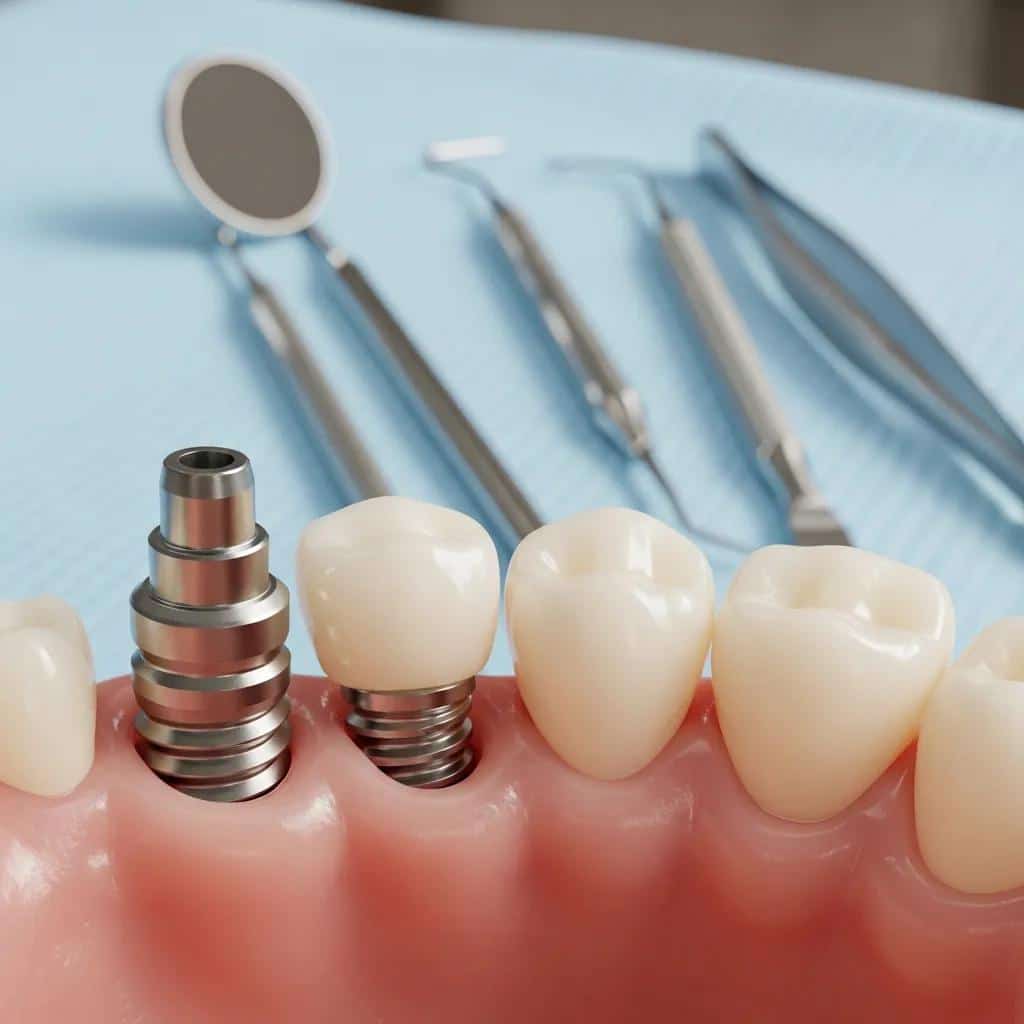
Dental implants are a popular solution for replacing missing teeth, offering a durable and aesthetically pleasing option. However, like any surgical procedure, they come with risks, including the potential for infection. Understanding how infections can occur, their symptoms, and preventive measures is crucial for anyone considering or already with dental implants. This article will delve into the common symptoms of dental implant infections, the causes behind them, treatment options, and effective prevention strategies. By being informed, patients can take proactive steps to ensure the longevity and health of their dental implants.
What Are the Common Symptoms of Dental Implant Infection?
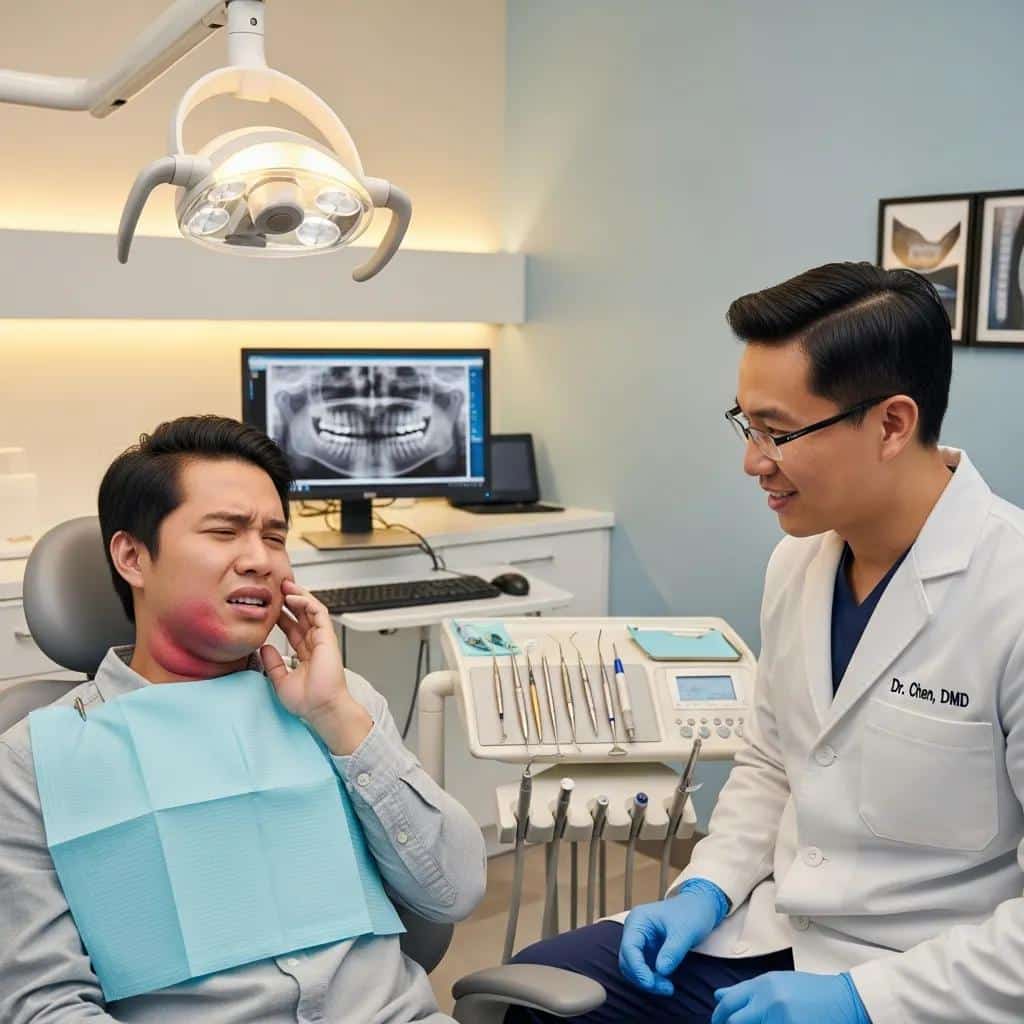
Dental implant infections can manifest through various symptoms, which are essential to recognize for timely intervention. Common symptoms include swelling, pain, and sometimes discharge around the implant site. Early detection is crucial, as untreated infections can lead to more severe complications, including implant failure.
How to Recognize Signs of an Infected Dental Implant
Recognizing the signs of an infected dental implant is vital for prompt treatment. Key indicators include:
Unusual Swelling: Noticeable swelling around the implant area can signal an infection.
Persistent Pain: Ongoing discomfort that does not subside may indicate underlying issues.
Discharge: Any discharge or pus around the implant should be addressed immediately.
These signs warrant a consultation with a dental professional to assess the situation and determine the necessary steps.
What Are the Early and Advanced Symptoms of Peri-Implantitis?
Peri-implantitis is a specific type of infection that affects the tissues surrounding a dental implant. Early symptoms may be mild, such as slight redness or tenderness, while advanced symptoms can lead to significant issues, including bone loss and implant failure. Regular dental check-ups are essential for early detection and management of these symptoms.
To further elaborate on this condition, studies define peri-implantitis as a site-specific infectious disease characterized by inflammation and bone loss around the implant, with diagnosis relying on various clinical and radiographic indicators.
Understanding Peri-Implantitis: Causes, Symptoms, and Diagnosis
Peri-implantitis is a site-specific infectious disease that causes an inflammatory process in soft tissues, and bone loss around an osseointegrated implant in function. The etiology of the implant infection is conditioned by the status of the tissue surrounding the implant, implant design, degree of roughness, external morphology, and excessive mechanical load. The microorganisms most commonly associated with implant failure are spirochetes and mobile forms of Gram-negative anaerobes, unless the origin is the result of simple mechanical overload. Diagnosis is based on changes of color in the gingiva, bleeding and probing depth of peri-implant pockets, suppuration, X-ray, and gradual loss of bone height around the tooth. Treatment will differ depending upon whether it is a case of peri-implant mucositis or peri-implantitis.
Management of peri-implantitis, 2012
What Causes Dental Implant Infections and Implant Failure?
Understanding the causes of dental implant infections is crucial for prevention. Infections can arise from various factors, including poor oral hygiene, which allows bacteria to thrive around the implant. Certain medical conditions, such as diabetes, can also increase the risk of infection due to impaired healing.
Which Risk Factors Contribute to Dental Implant Infection?
Several risk factors can contribute to dental implant infections:
Diabetes: This condition can impair healing and increase susceptibility to infections.
Smoking: Tobacco use is known to hinder healing and elevate infection risk.
Poor Oral Hygiene: Inadequate oral care can lead to bacterial buildup around the implant.
Awareness of these risk factors can help patients take preventive measures to protect their implants.
Further emphasizing the importance of understanding these factors, research highlights the significant prevalence of peri-implantitis and the necessity of comprehensive prevention and treatment strategies.
Preventing Dental Implant Infections: Risk Factors and Treatment
Peri-implant inflammations represent serious diseases after dental implant treatment, which affect both the surrounding hard and soft tissue. Due to prevalence rates up to 56%, peri-implantitis can lead to the loss of the implant without multilateral prevention and therapy concepts. Specific continuous check-ups with evaluation and elimination of risk factors (e.g. smoking, systemic diseases and periodontitis) are effective precautions. In addition to aspects of osseointegration, type and structure of the implant surface are of importance. For the treatment of peri-implant disease various conservative and surgical approaches are available.
Definition, etiology, prevention and treatment of peri-implantitis–a review, O Jung, 2014
How Does Peri-Implantitis Develop and Affect Implant Stability?
Peri-implantitis typically begins with inflammation of the gum tissue surrounding the implant. If not addressed, it can progress to bone loss, jeopardizing the stability of the implant. Early intervention is key to managing peri-implantitis and preserving the implant’s integrity.
How Are Infected Dental Implants Treated and Managed?
Treatment for infected dental implants varies based on the severity of the infection. Options may include non-surgical interventions, such as cleaning and antibiotics, or surgical procedures if the infection is advanced.
What Are the Standard Peri-Implantitis Treatment Options?
Standard treatment options for peri-implantitis include:
Non-Surgical Treatments: These often involve thorough cleaning of the implant and surrounding tissues to remove bacteria.
Surgical Options: In more severe cases, flap surgery may be necessary to access and clean the infected area effectively.
Regular Follow-Ups: Continuous monitoring is essential to ensure the infection is resolved and to prevent recurrence.
Can Infected Dental Implants Be Saved or Do They Require Removal?
In some cases, infected dental implants can be saved with appropriate treatment. However, severe infections may necessitate removal. Consulting with a dental professional is crucial to determine the best course of action based on the individual situation.
How Can Dental Implant Infection Be Prevented Effectively?
Preventing dental implant infections is primarily about maintaining good oral hygiene and regular dental visits. Patients should be proactive in their care to ensure the longevity of their implants.
What Are Best Practices for Preventing Dental Implant Infection?
To effectively prevent dental implant infections, consider the following best practices:
Brush and Floss Regularly: Maintaining a consistent oral hygiene routine is essential.
Use Antibacterial Mouthwash: This can help reduce bacterial buildup around the implant.
Avoid Smoking: Quitting smoking can significantly improve healing and reduce infection risk.
How Does Proper Implant Maintenance Reduce Infection Risk?
Proper maintenance of dental implants is crucial for reducing infection risk. Regular cleaning and follow-up appointments help monitor the health of the implant and surrounding tissues. Educating patients on proper care techniques is vital for long-term success.
In conclusion, understanding the potential for dental implant infections, recognizing symptoms, and implementing preventive measures can significantly enhance the success of dental implants. For those seeking to share valuable dental health information, platforms like Google can facilitate the exchange of knowledge and experiences among patients and professionals alike. To schedule an appointment and learn more about dental implants, click here. If you are in the Tyler, TX area, consider becoming a new patient at our office. We are dedicated to providing top-notch dental care and ensuring your oral health needs are met. Regular dental visits are essential for maintaining the health of your dental implants and preventing infections.