Mini Dental Implants vs. Traditional Implants: Which Is Right for You?
Mini dental implants have become a common alternative to traditional implants because they can simplify treatment for many patients. Below we explain how mini and traditional implants differ so you can choose the best option for your mouth. We’ll cover how each implant works, the benefits and limits, typical costs, and what most patients experience during recovery. If you’re weighing discomfort, price, or downtime, this comparison will help you decide whether mini implants — with their less invasive approach and faster recovery — could be a good fit.
Deciding between implant types often comes down to a few practical factors: the condition of your jawbone, whether you want immediate denture stabilization, your tolerance for multiple appointments, and your budget. A consultation with a dentist experienced in both approaches will clarify which tradeoffs apply to your case and outline any preparatory care needed, such as periodontal treatment or simple extractions. Our goal here is to give clear, practical information so you can have a focused conversation with your provider.
What Are Mini Dental Implants and How Do They Work?
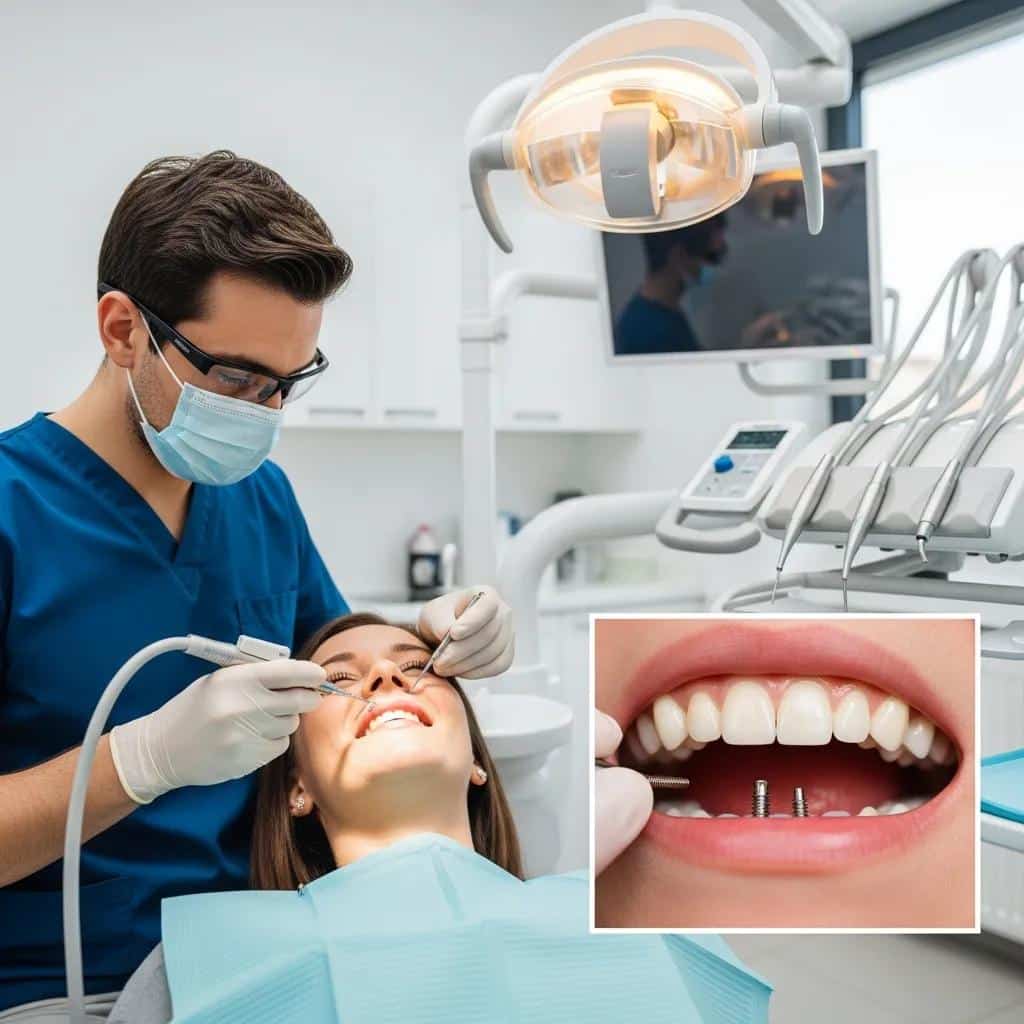
Mini dental implants are a narrower version of traditional implants used mainly to stabilize dentures and small restorations. A titanium post is placed into the jawbone to act as an anchor for replacement teeth or denture attachments. Because they’re smaller, placement is usually less invasive and often done with local anesthesia, which can make the procedure an attractive option for people with lower bone volume or those looking for a simpler treatment.
What Defines a Mini Dental Implant?
Mini implants are defined by their reduced diameter, typically about 1.8 mm to 3.3 mm. By contrast, traditional implants are usually between 3.4 mm and 5.8 mm. The slimmer profile means less disruption to gum and bone during placement. Most mini implants are made from biocompatible materials such as titanium to encourage a secure bond with the jaw. They are most commonly used to stabilize dentures and improve fit and comfort.
Because mini implants produce less surgical trauma, they can be placed in a single visit in many cases and sometimes allow the prosthesis to be attached immediately afterward. That immediacy can mean fewer visits and a faster return to normal chewing and speaking, which is one reason many denture wearers consider this option. Still, long-term outcomes depend on careful planning, suitable bone quality, and regular maintenance.
How Are Mini Dental Implants Used for Denture Stabilization?
For denture wearers, mini implants can make a big difference. They anchor the denture to the jaw, cutting down on slipping and improving chewing function. Placement is often faster and less invasive than for traditional implants — sometimes finished in a single visit — and many patients notice immediate improvement in comfort and confidence. Mini implants can also remove the need for denture adhesives, giving a more natural, secure feel.
Beyond stability, patients commonly report clearer speech and increased ability to eat a wider variety of foods after switching to implant-stabilized dentures. That improvement can lead to better nutrition and enjoyment of meals. Your dentist will explain attachment types and how maintenance differs from conventional dentures, including cleaning protocols and periodic checkups to ensure the attachments remain secure and the tissues stay healthy.
What Are Traditional Dental Implants and Their Key Benefits?
Traditional dental implants are a time-tested solution for replacing missing teeth. A titanium post is surgically inserted into the jaw, and over several months the bone fuses to the implant in a process called osseointegration. This creates a strong foundation for crowns, bridges, or denture supports. Traditional implants are prized for their durability and long-term performance.
What Characterizes Traditional Dental Implants?
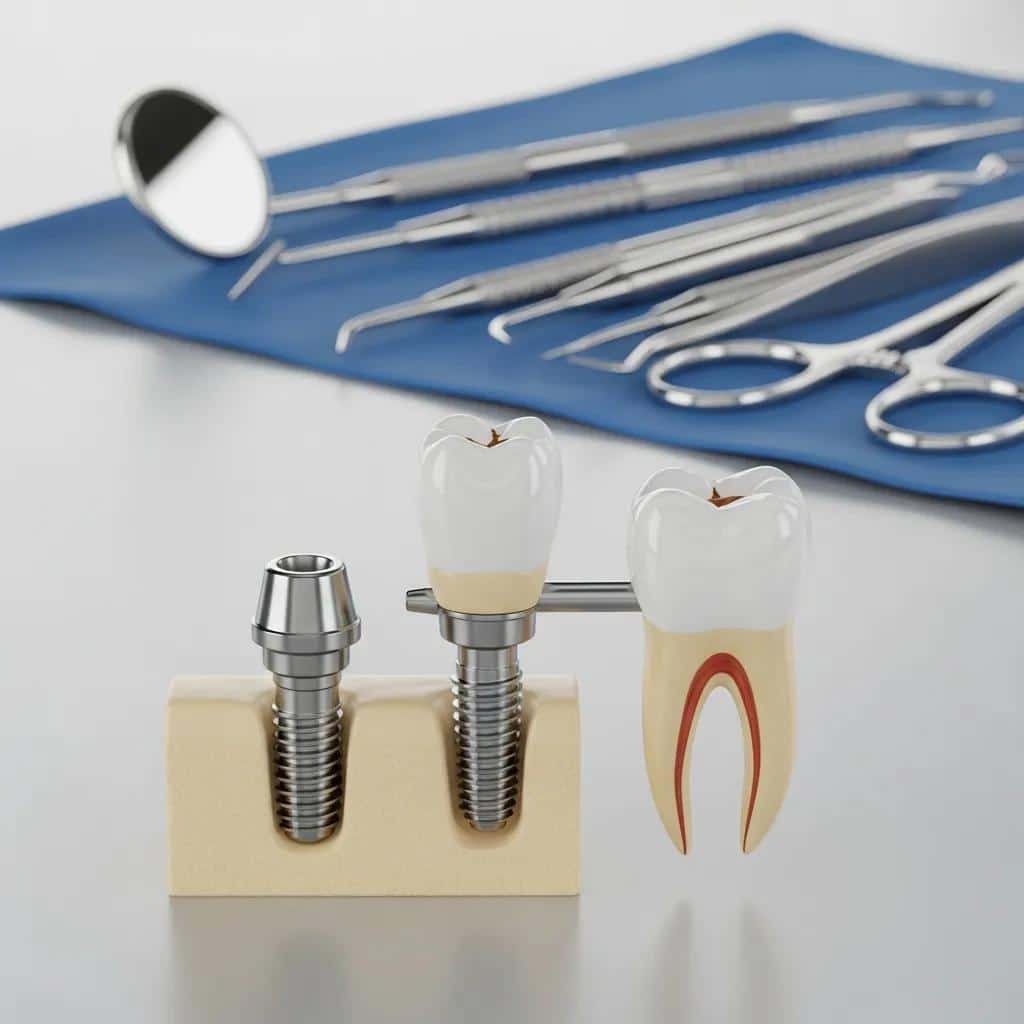
Traditional implants typically use a two-piece system: the implant post and an abutment that connects the post to the restoration (crown, bridge, or denture). This setup allows for greater customization and flexibility when restoring one or more teeth. Materials commonly used include titanium and zirconia, chosen for strength and biocompatibility. Traditional implants work well for single-tooth replacements as well as larger restorative needs.
For patients with insufficient bone volume, traditional treatment plans sometimes include bone grafting or staged reconstruction to create a stable foundation. While that adds time and complexity, it can broaden the range of restorative options and improve long-term outcomes. The prosthetic phase also allows more precise control over aesthetics and bite, which many patients value when replacing visible front teeth or reconstructing multiple adjacent teeth.
What Are the Benefits of Traditional Dental Implants?
The main advantages of traditional implants are their longevity and predictable outcomes. With proper care they can last many years — often a lifetime — making them cost-effective over the long term. Because the implant stimulates the jawbone, traditional implants also help prevent bone loss that typically follows tooth loss. Many patients report that traditional implants look and feel very close to natural teeth.
Traditional implants also allow for a wide range of restorative designs, from single crowns to full-arch fixed bridges. This versatility makes them a strong choice when fully rebuilding function and aesthetics is a priority. Your provider will review the prosthetic options and any necessary preparatory care to create a durable, natural-looking result that fits your goals.
Pros and Cons: Mini Dental Implants vs. Traditional Implants
Choosing between mini and traditional implants means balancing the benefits and limits of each. Below we summarize the most important differences so you can discuss them with your dentist.
A clinical study has compared outcomes for mini and conventional implants used to support lower overdentures.
Clinical Outcomes: Mini vs. Conventional Dental Implants Comparison
This randomized clinical trial compared the clinical outcomes of mini dental implants and conventional dental implants for mandibular overdentures. The study notes that differences in implant diameter can affect clinical results and should be considered when selecting an implant type.
Comparative clinical study of conventional dental implants and mini dental implants for mandibular overdentures: a randomized clinical trial, 2017
Advantages of Mini Dental Implants
Mini implants offer several clear benefits:
Less invasive procedure: Smaller implants usually require less surgical trauma, which can mean less pain and faster recovery.
Lower cost: Mini implants are often less expensive than traditional implants, making implant-supported solutions more accessible.
Immediate use: Many mini implant systems allow for immediate loading, so dentures can be stabilized the same day in some cases.
These points make mini implants a solid option for patients seeking a simpler, more affordable path to denture stabilization.
Additional research highlights mini implants’ strong performance for denture stabilization, immediate loading potential, and cost benefits, while also noting the importance of bone quality.
Mini Dental Implants: Performance, Immediate Loading, Cost, and Bone Quality Considerations
Studies report good performance of mini implants for stabilizing dentures, including favorable survival analyses and the feasibility of immediate loading. The research also emphasizes that bone quality and case selection remain important for long-term success.
Comparative clinical study of conventional dental implants and mini dental implants for mandibular overdentures: a randomized clinical trial, 2017
Limitations of Mini Dental Implants
Mini implants are not appropriate for every situation. Common limitations include:
Limited scope: Mini implants work well for denture support but may not be the best choice for extensive tooth replacement.
Potential stability limits: For single-tooth replacements in high-stress areas, traditional implants often provide stronger long-term support.
Long-term considerations: Some studies suggest slightly lower long-term success in certain situations, so careful case selection is important.
Knowing these limits helps you and your dentist choose the safest, most reliable option for your needs.
When evaluating mini implants, clinicians will consider your bite forces, remaining bone quality, and the prosthetic demands of the restoration. In some cases mini implants provide an excellent functional improvement with lower surgical risk, while other situations will be better served by a standard implant with a more robust restorative plan.
Procedure and Recovery: How Mini and Traditional Implants Differ
The implant type you choose affects how the procedure is done and how quickly you recover.
What to Expect with the Mini Implant Procedure
Mini implant placement is generally straightforward. After an exam and treatment plan, local anesthesia is used and a small opening is made in the gum. The implant is inserted into the jawbone, often without needing major bone grafting. Many patients resume normal activities within a day or two with minimal discomfort.
Before the procedure you may be given instructions about medications to stop or continue, and whether a ride home is recommended if sedation is planned. Immediately after placement you’ll receive instructions on cleaning the area, what to eat, and which signs of normal healing to expect. Follow-up visits allow the dentist to verify attachment wear and tissue health and to make small adjustments if needed.
How Traditional Implant Surgery Compares
Traditional implant treatment is more involved and usually occurs in stages. The implant post is placed into the bone and left to heal for three to six months while osseointegration takes place. After healing, an abutment and final restoration are placed. Because of the healing phase, the overall timeline is longer than for mini implants.
Traditional surgery may use a combination of local anesthesia and sedation depending on the extent of work. Recovery includes standard post-surgical care — pain control, gentle cleaning, and short-term dietary modifications — and multiple follow-up appointments to confirm healing and prosthetic fit. While the total timeline is longer, many patients appreciate the predictable structural support that traditional implants provide once fully integrated.
Who Is a Good Candidate for Mini vs. Traditional Implants?
The right implant depends on your oral health, bone volume, restoration goals, and personal priorities.
Who Benefits Most from Mini Dental Implants?
Mini implants are especially helpful for:
Denture wearers: Anyone frustrated by loose lower dentures often sees big improvements with mini implants.
People with limited bone: Patients who don’t have enough ridge width for standard implants may qualify for mini implants without grafting.
Older adults: Seniors who want a less invasive, more affordable option often prefer mini implants.
Systematic reviews and clinical reports support mini implants as a viable option when traditional surgery or ridge augmentation isn’t suitable, and they note that immediate loading can be successful in selected cases.
Mini Implants for Patients Unsuitable for Traditional Surgery & Immediate Loading
This review examined narrow- and small-diameter implants and found that mini implants can be an option for patients who are not candidates for extensive surgery or ridge augmentation. Radiographic outcomes for immediately loaded mini implants were also evaluated.
Mini implants for definitive prosthodontic treatment: a systematic review, K Almas, 2013
Who Is Best Suited for Traditional Dental Implants?
Traditional implants are generally preferred for:
Patients with good oral health: Those with healthy gums and adequate bone make excellent candidates for standard implants.
Younger patients: Younger adults needing single-tooth replacement often benefit from the long-term durability of traditional implants.
Those needing versatility: When multiple teeth or full-arch restorations are required, traditional implants provide flexible, long-term solutions.
Your dentist will weigh factors such as aesthetic demands, functional load, and overall health when recommending a path. For example, when replacing front teeth where appearance and precise gum contours matter, a traditional implant-supported crown often offers the most natural-looking outcome.
Cost Comparison in Denton, TX
Cost is a major factor for many patients. Knowing typical price ranges helps you plan and discuss financing with your dentist.
In Denton, TX, mini dental implants usually cost between $500 and $1,500 per implant, depending on case complexity and the practice. This lower price often makes mini implants an appealing, budget-friendly solution for denture stabilization. For an appointment, see our scheduling link for affordable options: Schedule an appointment.
When comparing costs, include related services such as exams, imaging, temporary prostheses, and follow-up visits. Some practices offer bundled pricing for implant-supported dentures that can provide clearer cost expectations. Ask for an itemized estimate and inquire about payment plans or third-party financing to find an arrangement that fits your budget.
Costs and Financing for Traditional Implants
Traditional implants in Denton typically range from $1,800 to $3,500 per implant, including the abutment and crown. Many offices offer financing plans to spread payments, and some insurance policies may cover part of the treatment depending on your plan.
Coverage varies widely, so bring your insurance information to the consultation. The office staff can often help estimate out-of-pocket costs and identify whether preauthorization is needed. If multiple implants or grafting are required, ask for a comprehensive treatment timeline and phased payment options to reduce upfront burden.
How to Schedule a Free Dental Implant Consultation in Denton
Booking a consultation is the best way to get personalized advice and a clear treatment plan.
What the Free Dental Implant Consult Includes
Our complimentary consultation includes a full oral exam, a review of your dental history, and a discussion of implant options. We’ll evaluate whether mini or traditional implants suit your situation and outline next steps and costs so you can decide with confidence.
During the consult we may take X-rays or scans to evaluate bone and soft tissues. The dentist will explain the recommended timeline, any preparatory care needed, and the options for prosthetic design. You should leave with a clear understanding of next steps and a written estimate if you request one.
How to Prepare for the Consultation
Bring anything that helps us understand your health and dental history:
Medical history: A list of current medications and any medical conditions.
Questions: Notes about your goals, concerns, and what matters most to you.
Dental records: Previous X-rays or dental records, if available.
It can also be helpful to bring a list of prior dental treatments, recent imaging on a CD or USB if you have it, and a summary of any dental appliances you currently use. If you expect to require sedation, arrange transportation and mention this when scheduling so staff can prepare pre-appointment instructions.
Patient Experiences and Success Rates
Real patient results and published success rates give a practical view of what to expect.
Success Rates for Mini Dental Implants
Mini dental implants typically show success rates around 90% to 95% in many studies and clinical reports. Outcomes depend on accurate placement, good aftercare, and the patient’s oral health. Many patients are satisfied with the improved stability and comfort mini implants provide.
Success also relates to ongoing care: cleanings, regular dental visits, avoiding harmful habits like smoking, and promptly reporting any mobility or discomfort help maintain favorable outcomes. Your provider will give a maintenance schedule and demonstrate how to care for the attachments and surrounding tissues.
Traditional Implant Outcomes
Traditional implants generally report success rates near 95% to 98%. Their durability and natural feel lead to high patient satisfaction and long-term function. Many people choose standard implants when longevity and maximum stability are priorities.
Long-term success relies on overall oral hygiene, periodic professional care, and management of systemic health factors. Patients who follow recommended hygiene practices and attend regular checkups typically see the best outcomes and the longest service life from their restorations.
Frequently Asked Questions
How do recovery times compare between mini and traditional implants?
Recovery from mini implant placement is usually quicker because the procedure is less invasive. Most people return to normal activity within a few days. Traditional implants require a longer healing phase for osseointegration — typically three to six months before the final restoration is placed — so the overall timeline is longer.
Are there dietary restrictions after implant surgery?
After implant placement you’ll typically follow a soft-food diet for a short period to avoid stressing the implant site. That period can be shorter with mini implants because the surgery is often less extensive. Follow your dentist’s specific instructions for the best healing outcome.
Can mini implants replace a single tooth?
Mini implants can be used for single-tooth replacement in select cases, but they may not offer the same long-term stability as traditional implants in high-load areas. Your dentist will evaluate your bite, bone quality, and functional needs before recommending the best approach.
What affects the cost of dental implants?
Implant cost varies with the implant type (mini vs. traditional), treatment complexity, materials, and your location. Additional procedures like bone grafting or extractions add to the total cost. Talk with your provider about financing and insurance to understand your options.
How long do mini and traditional implants last?
Mini implants often last about 5 to 10 years, depending on oral hygiene and bone conditions. Traditional implants can last a lifetime with good care, including regular dental visits and proper home hygiene. Individual factors such as smoking, health conditions, and maintenance will affect longevity.
What happens during a dental implant consultation?
At your consultation the dentist will review your medical and dental history, perform a clinical exam, and usually take X-rays or scans to assess bone and plan treatment. This visit is your chance to ask about timelines, costs, and what to expect during recovery.
Conclusion
Choosing between mini and traditional implants depends on your mouth, goals, and budget. Mini implants offer a less invasive, lower-cost route with faster recovery for denture stabilization, while traditional implants deliver long-term durability and versatility. Talk with our team for a personalized recommendation—schedule your free consultation to find the best implant solution for you.