How Long Dental Implants Last: Understanding Lifespan and Maintenance for Durable Results
Dental implants are a popular solution for replacing missing teeth, offering a durable and functional alternative to traditional dentures. Understanding the lifespan of dental implants is crucial for patients considering this option, as it directly impacts their long-term oral health and financial investment. This article will explore the typical lifespan of dental implants, the factors that influence their durability, and the maintenance required to ensure they last as long as possible. Additionally, we will discuss common causes of dental implant failure and provide guidance on finding reliable dental implant services in Tyler.
What Is the Typical Lifespan of Dental Implants?
Dental implants typically last between 10 to 20 years, with many lasting even longer when properly cared for. The longevity of dental implants is influenced by several factors, including the patient’s oral hygiene, lifestyle choices, and the quality of the implant itself. Regular maintenance and check-ups play a significant role in extending the lifespan of these dental devices. Understanding these aspects can help patients make informed decisions about their dental health.
What Factors Determine Dental Implant Durability?
Several factors contribute to the durability of dental implants. Key considerations include:
Patient Health: Overall health conditions, such as diabetes or autoimmune diseases, can affect healing and implant success.
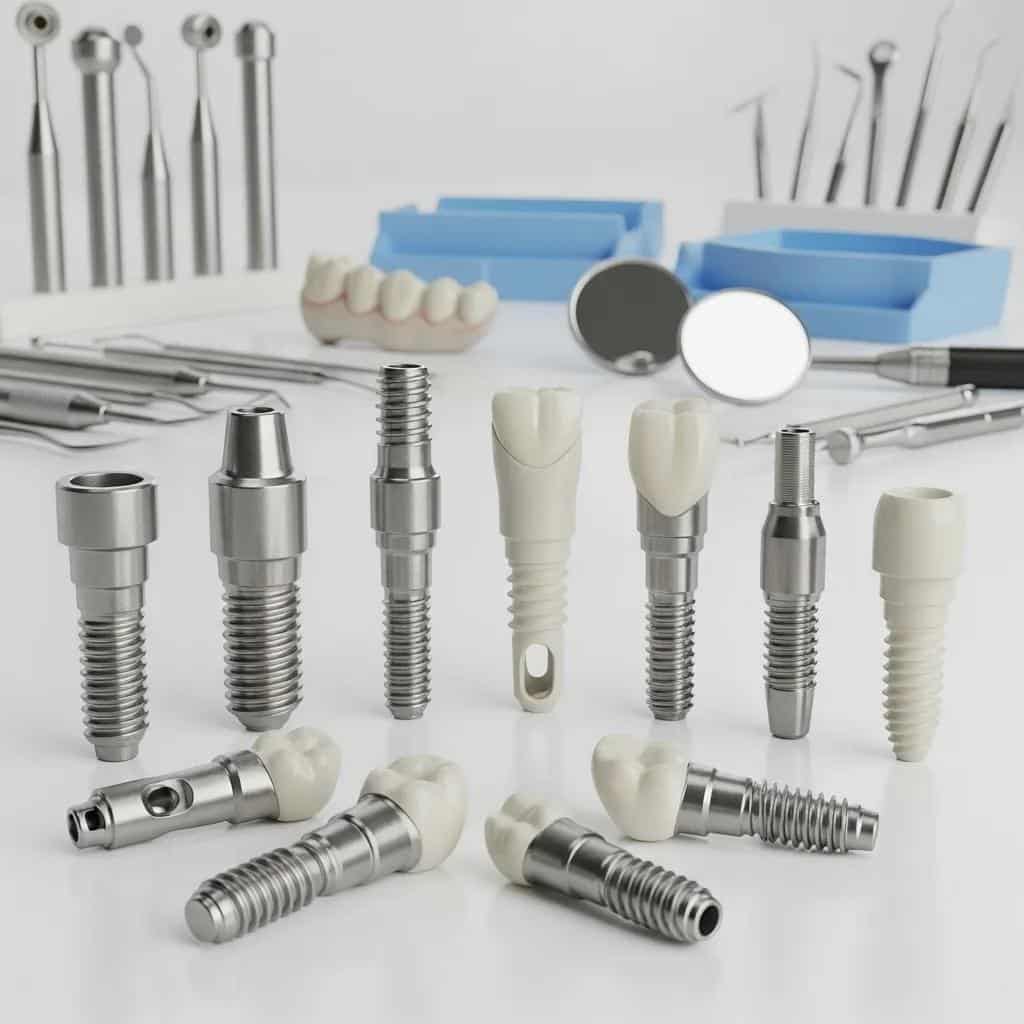
Implant Material: The type of material used for the implant, such as titanium or zirconia, can influence its longevity.
Surgical Technique: The skill and experience of the dental surgeon play a critical role in the successful placement of the implant.
These factors highlight the importance of choosing a qualified dental professional and maintaining good health for optimal implant durability.
It is important to consider how a patient’s overall health can significantly influence the outcome and success of dental implant procedures.
Systemic Diseases Impact on Dental Implant Success
Several systemic diseases (and relative medications) have been reported to impair or in some cases complicate dental implant surgery. In broader terms, when dealing with patients suffering from systemic diseases, the monitoring of the medical condition and of the related post-operative complications is of great importance in order to avoid risks which could jeopardise the health of the patient.
Dental implants in patients affected by systemic diseases, N Donos, 2014
How Do Implant Materials Affect Longevity?
The materials used in dental implants significantly impact their longevity. Titanium dental implants are known for their strength and biocompatibility, making them a popular choice. In contrast, zirconia dental implants offer aesthetic advantages due to their tooth-like color but may not be as strong as titanium. Understanding the properties of these materials can help patients select the best option for their needs.
Further research highlights the ongoing discussion regarding the long-term efficacy and applications of different implant materials.
Zirconia vs. Titanium Implants: Longevity & Applications
In certain applications (single tooth restorations and small bridges), the results of zirconia implants are comparable with titanium implants in short-term studies. Some mid-term investigations support the short-term results. However, according to the current scientific data available, zirconia implants cannot yet be considered an alternative to titanium implants because there are many areas where there is a lack of clinical studies on zirconia implants. Currently, they are an addendum to the titanium implant armamentarium for situations where they are useful (patient request, known hypersensitivity to titanium, or questions of esthetics when titanium might appear inappropriate for a certain situation/condition), but long-term studies are needed. Without a doubt, there is a need for two-piece zirconia implants, but limited research exists to support their clinical use at the momen
Clinical longevity of zirconia implants with the focus on biomechanical and biological outcome, RJ Kohal, 2016
How Does Maintenance Influence Dental Implant Lifespan?
Proper maintenance is essential for ensuring the longevity of dental implants. Regular dental check-ups and good oral hygiene practices can prevent complications that may lead to implant failure. Patients should be proactive in their care to maximize the lifespan of their implants.
What Are Recommended Dental Implant Care Procedures?
To maintain dental implants effectively, patients should follow these recommended care procedures:
Daily Cleaning: Brush and floss around the implant daily to prevent plaque buildup.
Use of Specific Dental Products: Consider using non-abrasive toothpaste and specialized dental tools designed for implant care.
Avoiding Harmful Habits: Refrain from smoking and limit alcohol consumption, as these can negatively impact oral health.
These practices are vital for maintaining the health of both the implants and surrounding gum tissue.
How Often Should Patients Schedule Implant Check-Ups?
Patients should schedule regular check-ups with their dentist, ideally every six months, to monitor the condition of their dental implants. Signs that may indicate a need for an earlier visit include:
Pain or Discomfort: Any persistent pain around the implant site should be evaluated.
Swelling or Inflammation: These symptoms can indicate infection or other complications.
Mobility of the Implant: If the implant feels loose, it requires immediate attention.
Regular check-ups help ensure that any potential issues are addressed promptly, contributing to the longevity of the implants.
What Are Common Causes of Dental Implant Failure?
Despite their high success rate, dental implants can fail due to various reasons. Understanding these causes can help patients take preventive measures.
How Does Bone Health Impact Implant Success?
Bone health is crucial for the success of dental implants. Adequate bone density is necessary to support the implant securely. Conditions such as osteoporosis can weaken bone structure, increasing the risk of implant failure. Pre-surgical assessments are essential to determine if a patient has sufficient bone density for successful implant placement.
What Signs Indicate Potential Implant Problems?
Patients should be aware of signs that may indicate issues with their dental implants, including:
Pain or Discomfort: Persistent pain around the implant site can signal complications.
Swelling or Inflammation: These symptoms may indicate infection or other issues.
Mobility of the Implant: A loose implant requires immediate evaluation by a dental professional.
Recognizing these signs early can lead to timely intervention and potentially save the implant.
Where Can Patients Find Reliable Dental Implant Services in Tyler?
Finding a trustworthy dental implant provider is essential for ensuring successful treatment. Patients in Tyler can access various local dental implant services that offer comprehensive care.
How to Access Local Dental Implant Providers in Tyler?
Patients can find local dental implant providers in Tyler through several methods:
Online Resources: Websites and directories can help locate qualified dental professionals in the area.
Local Directories: Community resources often list dental services available in Tyler.
Referrals from Dentists: Current dental care providers can recommend specialists for implant services.
These resources can guide patients in selecting a reputable provider for their dental implant needs.
What Should Patients Expect from Tyler Dental Implant Services?
When seeking dental implant services in Tyler, patients can expect:
Consultation Process: An initial assessment to discuss options and treatment plans.
Treatment Options: Various implant types and materials tailored to individual needs.
Post-operative Care: Guidance on recovery and maintenance to ensure the longevity of the implants.
Understanding these aspects can help patients feel more prepared and confident in their dental implant journey.