Mini Dental Implants vs. Traditional Implants: Comprehensive Comparison of Benefits, Drawbacks, and Costs
Dental implants have revolutionized the field of restorative dentistry, providing patients with durable solutions for missing teeth. Among the various options available, mini dental implants and traditional implants stand out as two popular choices. This article will delve into the differences between mini dental implants and traditional implants, exploring their benefits, drawbacks, and costs. Readers will gain a comprehensive understanding of each type, helping them make informed decisions about their dental health. As many individuals face challenges related to tooth loss, understanding these options can lead to better oral health outcomes. We will cover the definitions, procedures, costs, advantages, and disadvantages of both types of implants, as well as how to schedule a consultation for affordable dental implants in Dallas.
What Are Mini Dental Implants and How Do They Work?
Mini dental implants are a smaller version of traditional dental implants, designed to provide a less invasive option for tooth replacement. They consist of a titanium post that is inserted into the jawbone, serving as a root for a replacement tooth. The smaller size of mini implants allows for easier placement, often without the need for extensive bone grafting. This makes them an ideal choice for patients with limited bone density or those who want a less invasive procedure.
Definition and Characteristics of Mini Dental Implants
Mini dental implants are typically about 1.8 to 3.3 millimeters in diameter, roughly half or less the diameter of traditional implants, making them less invasive and easier to place. They are made from biocompatible materials, primarily titanium, which integrates well with the jawbone. The unique design of mini implants allows them to be placed in areas where traditional implants may not fit, providing a solution for patients with narrower jawbones or those who have experienced bone loss.
Common Uses: Denture Stabilization and Limited Bone Density Cases
Mini dental implants are commonly used for denture stabilization, providing a secure fit for removable dentures. They can also be beneficial for patients with limited bone density, as their smaller size requires less bone for successful placement. In cases where traditional implants are not feasible, mini implants offer a viable alternative, allowing patients to regain functionality and confidence in their smiles.
What Are Traditional Dental Implants and Their Key Features?
Traditional dental implants are a well-established solution for replacing missing teeth. They consist of a titanium post that is surgically placed into the jawbone, where it fuses with the bone over time, creating a strong foundation for a crown or bridge.
Definition and Structure of Traditional Dental Implants
Traditional dental implants are composed of three main components: the implant post, the abutment, and the crown. The implant post is inserted into the jawbone, the abutment connects the post to the crown, and the crown is the visible part that resembles a natural tooth. This structure provides a durable and long-lasting solution for tooth replacement.
Typical Procedures and Bone Grafting Requirements
The placement of traditional dental implants typically involves a surgical procedure that may require bone grafting if there is insufficient bone density. The process usually includes several steps: initial consultation, imaging studies, implant placement, healing period, and crown placement. Bone grafting may be necessary to ensure the implant has a stable foundation, which can extend the overall treatment timeline.
How Do Mini and Traditional Implants Compare in Cost and Affordability?
When considering dental implants, cost is a significant factor for many patients. Understanding the financial implications of both mini and traditional implants can help individuals make informed decisions.
Mini Dental Implants Cost vs. Traditional Implants Cost
Mini dental implants generally cost less than traditional implants due to their simpler placement procedure and reduced need for bone grafting. While the price can vary based on location and specific dental practices, mini implants typically range from $500 to $1,500 per implant, whereas traditional implants can cost between $1,000 and $3,000 per implant. The total cost for traditional implants including abutment and crown can range from $3,000 to $5,000 or more per tooth.
Affordable Dental Implant Options in Dallas, TX
For those seeking affordable dental implants in Dallas, options are available that cater to various budgets. Many dental offices, including Affordable Dentist Near Me, offer financing plans and promotions to make dental implants more accessible. Patients are encouraged to explore these options to find a solution that fits their financial situation while ensuring quality care.
What Are the Advantages and Disadvantages of Mini Dental Implants?
Mini dental implants come with their own set of benefits and limitations that patients should consider before making a decision.
Benefits: Less Invasive Procedure and Faster Recovery
One of the primary advantages of mini dental implants is their less invasive nature. The smaller size allows for a simpler placement procedure, often performed under local anesthesia. This results in a quicker recovery time, with many patients able to return to normal activities within a few days. Additionally, mini implants can often be placed in a single visit, reducing the overall treatment time.
Limitations: Longevity and Suitability Concerns
Despite their advantages, mini dental implants may not be suitable for everyone. Their longevity can be a concern, as they may not last as long as traditional implants, particularly in patients with heavy bite forces. Additionally, mini implants may not be ideal for all cases, especially those requiring multiple tooth replacements or extensive bone support.
What Are the Advantages and Disadvantages of Traditional Dental Implants?
Traditional dental implants are a tried-and-true method for tooth replacement, offering several benefits and some drawbacks.
Benefits: Durability and Broad Candidacy
Traditional implants are known for their durability and long lifespan, often lasting 15 to 25 years or more with proper care. They are suitable for a wide range of patients, including those with sufficient bone density and those requiring multiple tooth replacements. The strong foundation provided by traditional implants allows for the placement of crowns, bridges, or dentures, making them a versatile option.
Drawbacks: Longer Healing Time and Higher Cost
One of the main drawbacks of traditional dental implants is the longer healing time required. The process can take several months, especially if bone grafting is necessary. Additionally, the cost of traditional implants is generally higher than that of mini implants, which can be a barrier for some patients.
Which Dental Implant Type Is Best for Denture Support?
When it comes to denture support, both mini and traditional implants have their advantages, and the best choice depends on individual circumstances.
Mini Implants for Denture Stabilization: Benefits and Considerations
Mini implants are particularly effective for stabilizing dentures, providing a secure fit that enhances comfort and functionality. They can be placed with minimal invasiveness, making them an attractive option for patients seeking a quick solution. However, patients should consider their specific dental needs and consult with their dentist to determine if mini implants are the best fit for their situation.
Traditional Implants for Denture Support: Advantages and Limitations
Traditional implants also offer excellent support for dentures, providing a strong foundation that can withstand greater bite forces. They are often recommended for patients with significant tooth loss or those requiring full-arch restorations. However, the longer healing time and higher cost may be limiting factors for some individuals.
What Is the Typical Recovery Time and Longevity for Each Implant Type?
Understanding the recovery time and longevity of dental implants is crucial for patients considering their options.
Recovery Expectations After Mini Dental Implant Placement
Recovery after mini dental implant placement is generally quicker than with traditional implants. Most patients can expect to return to normal activities within a few days, with minimal discomfort. Follow-up appointments are typically scheduled to monitor healing and ensure proper integration with the jawbone.
Longevity and Maintenance of Traditional Dental Implants
Traditional dental implants require a longer recovery period, often taking several months for complete healing. However, with proper care, they can last for many years, often 15 to 25 years or more, making them a worthwhile investment. Regular dental check-ups and good oral hygiene practices are essential for maintaining the longevity of traditional implants.
How Can Patients Schedule a Free Dental Implant Consultation in Dallas?
Scheduling a consultation is an important step for patients considering dental implants.
What to Expect During a Free Dental Implant Consult
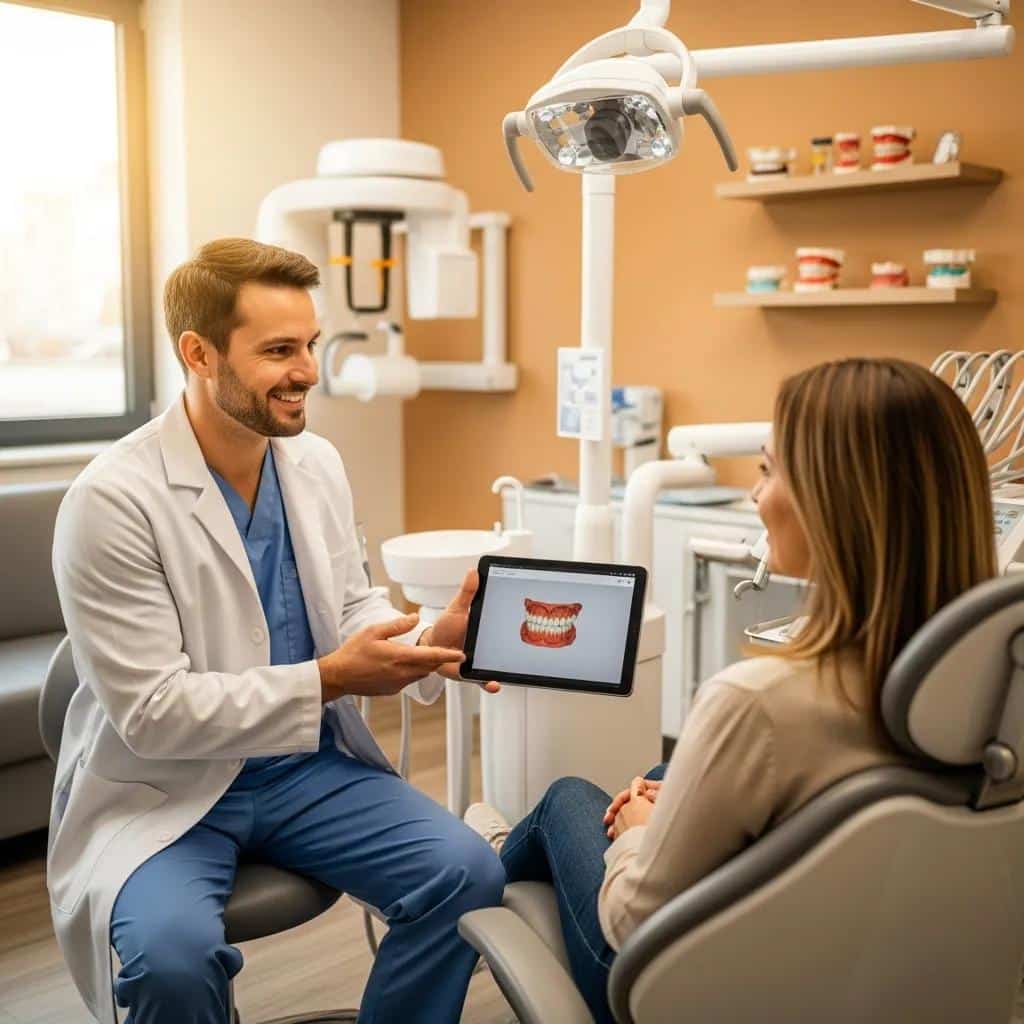
During a free dental implant consultation, patients can expect a thorough evaluation of their dental health, including imaging studies to assess bone density and overall oral condition. The dentist will discuss the various options available, including mini and traditional implants, and help patients understand the best choice for their needs.
How to Book an Appointment with Affordable Dentist Near Me Dallas
To book an appointment with Affordable Dentist Near Me in Dallas, patients can visit the office located at 14902 Preston Road STE 401, Dallas, Texas 75254. The dental office offers flexible scheduling options and is committed to providing quality care at affordable prices. Interested individuals are encouraged to reach out for more information on available services and financing options.
Type of Implant
Cost
Benefits
Mini Dental Implants
$500 – $1,500
Less invasive, quicker recovery, suitable for limited bone density
Traditional Implants
$1,000 – $3,000 (implant only)
Durable, long-lasting, suitable for a wide range of patients