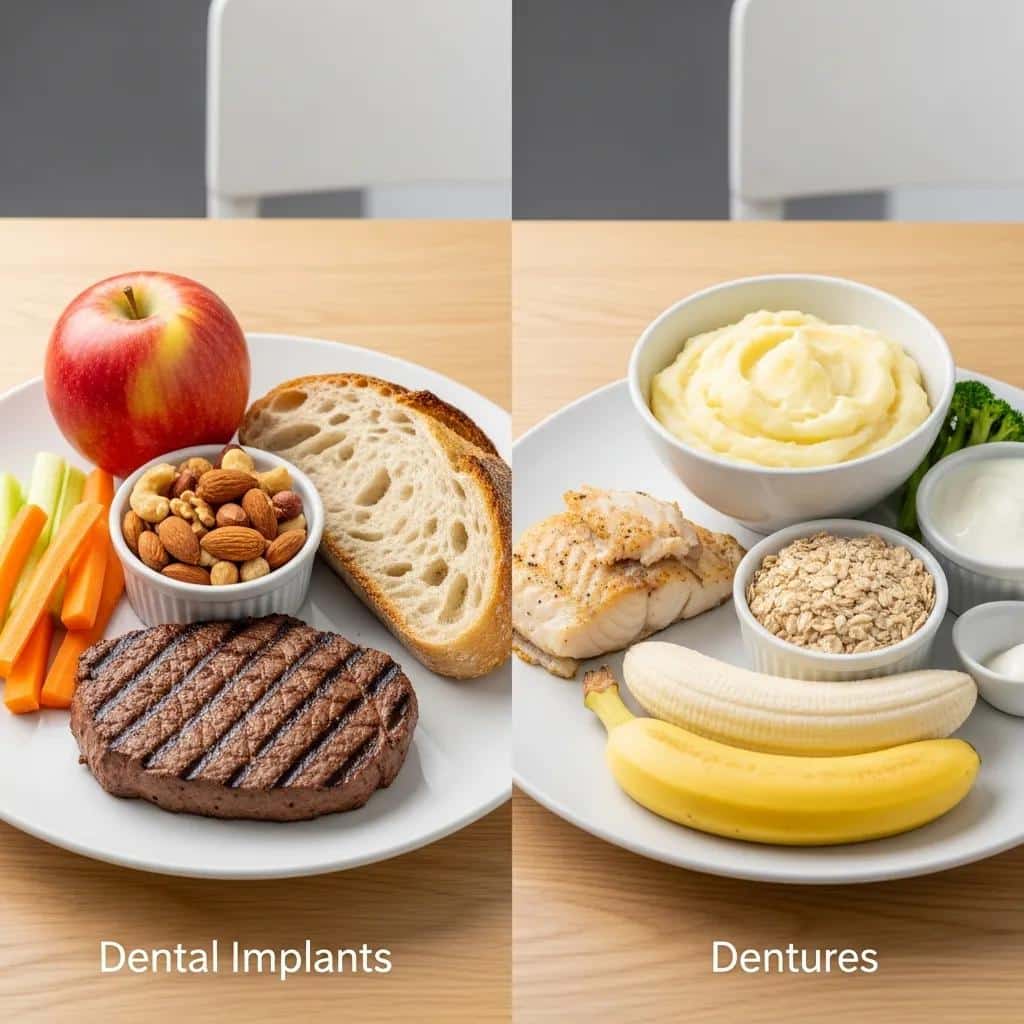
From Implants to Dentures: Understanding Dietary Restrictions and Eating Habits for Each Tooth Replacement Method
Understanding dietary restrictions associated with dental implants and dentures is crucial for ensuring a smooth recovery and maintaining overall oral health. This article will explore the specific dietary limitations that patients face after undergoing these tooth replacement methods, providing insights into recommended foods and those to avoid. By understanding these dietary guidelines, patients can enhance their recovery process and improve their quality of life. We will cover immediate dietary restrictions after dental implant surgery, the progression of the recovery diet, key considerations for living with dentures, and how diet influences oral health. Additionally, we will discuss the support available from Affordable Dentist Near Me of Tyler, TX, to help patients navigate their dietary needs.
What Are the Immediate Dietary Restrictions After Dental Implant Surgery?
After dental implant surgery, patients must adhere to specific dietary restrictions to promote healing and avoid complications. The initial phase of recovery typically requires a soft and liquid food diet to minimize discomfort and protect the surgical site.
Which Soft and Liquid Foods Are Recommended During Implant Recovery?
During the recovery period, it is essential to consume soft and liquid foods that are easy to chew and swallow. Recommended options include:
Smoothies: Packed with nutrients, smoothies can include fruits, yogurt, and protein powder for a balanced meal.
Soups: Broth-based soups or pureed vegetable soups provide hydration and essential vitamins without requiring chewing.
Mashed Potatoes: Soft and creamy, mashed potatoes are easy to eat and can be enriched with butter or cheese for added flavor.
These foods not only provide necessary nutrition but also help maintain hydration, which is vital during the healing process.
Why Should You Avoid Hard, Sticky, and Acidic Foods Initially?
Patients should avoid hard, sticky, and acidic foods immediately after surgery to prevent complications. Hard foods can place undue stress on the healing implants, potentially leading to pain or damage. Sticky foods may adhere to the surgical site, complicating cleaning and increasing the risk of infection. Acidic foods can irritate the gums and surgical area, hindering the healing process.
Understanding these restrictions is crucial for a successful recovery, paving the way for a gradual return to a normal diet.
How Does the Dental Implant Recovery Diet Progress Over Time?
As healing progresses, patients can gradually reintroduce a wider variety of foods into their diet. This transition is essential for ensuring adequate nutrition and supporting overall health.
What Is the Timeline for Introducing Soft Meats and Cooked Vegetables?
Typically, patients can start introducing soft meats and cooked vegetables into their diet about one to two weeks post-surgery. Soft meats such as chicken or fish, when cooked until tender, can provide essential protein without requiring excessive chewing. Cooked vegetables, like carrots or squash, should be well-cooked to ensure they are soft enough to eat comfortably.
When Can Patients Resume Normal Eating with Fully Healed Implants?
Most patients can resume normal eating habits approximately three to four months after dental implant surgery, depending on individual healing rates. Signs of full healing include reduced sensitivity and the ability to chew without discomfort. It is essential to follow the dentist’s recommendations during this period to ensure a successful transition back to a regular diet.
What Are the Key Dietary Considerations When Living with New Dentures?
Living with new dentures presents its own set of dietary considerations that can impact comfort and nutrition.
Which Foods Should Be Avoided to Prevent Denture Damage and Discomfort?
Denture wearers should avoid certain foods to prevent damage and discomfort. These include:
Hard Foods: Foods like nuts and hard candies can crack or damage dentures.
Sticky Foods: Items such as caramel or taffy can adhere to dentures, making them difficult to clean.
Very Hard or Tough Meats: These can be difficult to chew and may dislodge dentures.
Very Hot or Cold Foods: Extreme temperatures can cause discomfort and may affect the fit of dentures.
By avoiding these foods, patients can maintain their dentures’ integrity and ensure a more comfortable eating experience.
What Tips Enhance Comfort and Chewing Efficiency with Dentures?
To enhance comfort and chewing efficiency, denture wearers can consider the following tips:
Use Denture Adhesives: These can help secure dentures in place, providing added confidence while eating.
Cut Food into Small Pieces: Smaller bites can make chewing easier and more manageable.
Chew Slowly and Evenly: This helps prevent dentures from shifting.
Stay Hydrated: Drinking water can help with the comfort of wearing dentures and aid in the digestion of food.
Implementing these strategies can significantly improve the eating experience for denture wearers.
How Do Eating Experiences Differ Between Dental Implants and Dentures?
The eating experiences between dental implants and dentures can vary significantly, impacting patients’ overall satisfaction and quality of life.
What Is the Difference in Bite Force and Chewing Efficiency?
Dental implants typically provide a stronger bite force compared to dentures, allowing for more efficient chewing of a wider variety of foods. This is due to the implants being anchored directly into the jawbone, mimicking the function of natural teeth. In contrast, dentures may shift during eating, which can limit the types of foods that can be comfortably consumed.
How Do Food Restrictions Impact Quality of Life and Nutrition?
Food restrictions can significantly impact the quality of life and nutrition for individuals with dental implants or dentures. Limited food choices may lead to nutritional deficiencies if patients are unable to consume a balanced diet. Additionally, the psychological effects of dietary restrictions can affect social interactions and overall well-being.
Understanding these differences is crucial for patients to make informed dietary choices that support their health and lifestyle.
How Does Diet Influence Oral Health and Nutrition with Tooth Replacements?
Diet plays a vital role in maintaining oral health and overall nutrition, especially for individuals with tooth replacements.
Why Is Proper Nutrition Critical for Healing and Long-Term Success?
Proper nutrition is essential for healing after dental procedures and for the long-term success of dental implants and dentures. Nutrients such as protein, vitamins, and minerals support tissue repair and immune function, which are critical during the recovery phase. A balanced diet can also help prevent complications such as infections or implant failure.
How Can Patients Prevent Malnutrition While Adjusting to Implants or Dentures?
To prevent malnutrition, patients should focus on meal planning that incorporates a variety of food groups. Consulting with a dietitian can provide personalized guidance tailored to individual needs. Additionally, incorporating nutritional supplements may be beneficial during the adjustment period to ensure adequate nutrient intake.
What Localized Dietary Advice and Support Does Affordable Dentist Near Me of Tyler Offer?
Affordable Dentist Near Me of Tyler provides valuable support for patients navigating dietary needs related to dental implants and dentures.
How Do Tyler, TX Patients Benefit from Personalized Dietary Consultations?
Patients in Tyler, TX, can benefit from personalized dietary consultations that address their specific needs and challenges. These consultations can help patients develop tailored meal plans that consider their dietary restrictions and preferences, ensuring they receive the necessary nutrients for optimal healing and health.
What Patient Testimonials Highlight Successful Dietary Adaptations?
Patient testimonials often highlight the positive impact of personalized dietary advice on their recovery and overall satisfaction with their dental treatments. Many patients report feeling more confident in their dietary choices and experiencing improved comfort while eating after receiving tailored guidance.
What Are Common Patient Questions About Dietary Limitations for Implants and Dentures?
Patients frequently have questions regarding dietary limitations associated with dental implants and dentures.
Is It Easier to Eat with Dentures or Dental Implants?
Generally, many patients find it easier to eat with dental implants due to their stability and strength. Implants allow for a more natural chewing experience, while dentures may require adjustments and can shift during eating.
How Long After Dental Implants Can Normal Eating Resume?
Normal eating can typically resume within three to four months after dental implant surgery, depending on individual healing rates. Patients should follow their dentist’s recommendations and listen to their bodies during the recovery process.
How Can Patients Schedule a Free Consultation to Discuss Dietary Needs and Tooth Replacement Options?
Scheduling a consultation is a straightforward process for patients looking to discuss their dietary needs and tooth replacement options.
What Should Patients Expect During a Free Dental Implant or Denture Consult?
During a free consultation, patients can expect a comprehensive evaluation of their dental health and a discussion of their dietary needs. The dentist will provide personalized recommendations and address any concerns regarding the recovery process and dietary restrictions.
How to Prepare Questions About Diet and Tooth Replacement for Your Appointment?
Patients should prepare a list of questions regarding their specific dietary concerns and any challenges they face with their current eating habits. This preparation can help facilitate a productive discussion during the consultation, ensuring that all relevant topics are covered.
Dietary Consideration
Dental Implants
Dentures
Bite Force
Strong and stable
Variable, may shift
Chewing Efficiency
High
Moderate, requires adaptation
Food Restrictions
Limited initially
Specific foods to avoid
Food Type
Recommended for Implants
Recommended for Dentures
Soft Foods
Yes
Yes
Hard Foods
No
No
Sticky Foods
No
No
By understanding these dietary guidelines and the support available from Affordable Dentist Near Me of Tyler, patients can navigate their recovery and dietary needs effectively, ensuring a smoother transition to their new tooth replacement methods.