Essential Tips for Pain-Free Dental Implant Recovery: Complete Patient Guide
Recovering from dental implant surgery can be a daunting experience for many patients. Understanding the recovery process is crucial for ensuring a smooth and pain-free healing journey. This comprehensive guide will provide essential tips and insights into what to expect during your recovery from dental implants. You will learn about the typical healing timeline, effective pain management strategies, aftercare instructions, dietary recommendations, and how to prevent complications. By following these guidelines, you can enhance your recovery experience and minimize discomfort.
The healing process after dental implant surgery is vital for the success of the procedure. This article will cover the typical healing timeline, pain management techniques, aftercare practices, dietary considerations, and the importance of professional guidance. With the right knowledge and preparation, you can navigate your recovery with confidence.
What Is the Typical Healing Timeline After Dental Implant Surgery?
The healing timeline after dental implant surgery varies from patient to patient, but understanding the general stages can help set realistic expectations. Typically, the recovery process can be divided into three main phases: initial healing, osseointegration, and final recovery. Each stage has its own timeline and specific experiences that patients may encounter.
Understanding the Stages of Dental Implant Recovery
The initial healing phase begins immediately after surgery and lasts for about one to two weeks. During this time, patients may experience swelling and discomfort as the body starts to heal. The osseointegration phase follows, lasting anywhere from three to six months, during which the implant fuses with the jawbone. Finally, the final recovery phase can take several weeks to a few months, where patients gradually return to normal activities and monitor the implant’s stability.
When to Expect Pain and Swelling to Subside
Pain and swelling are common after dental implant surgery, peaking within the first 48 to 72 hours. Most patients report a significant reduction in pain and swelling within a week. However, some mild discomfort may persist for a few weeks, especially during the osseointegration phase. If pain worsens or does not improve, it is essential to consult your dentist for further evaluation.
How Can You Manage Pain Effectively After Dental Implant Placement?
Managing pain effectively after dental implant placement is crucial for a comfortable recovery. There are various methods available to help alleviate discomfort and promote healing.
Recommended Pain Relief Methods and Medications
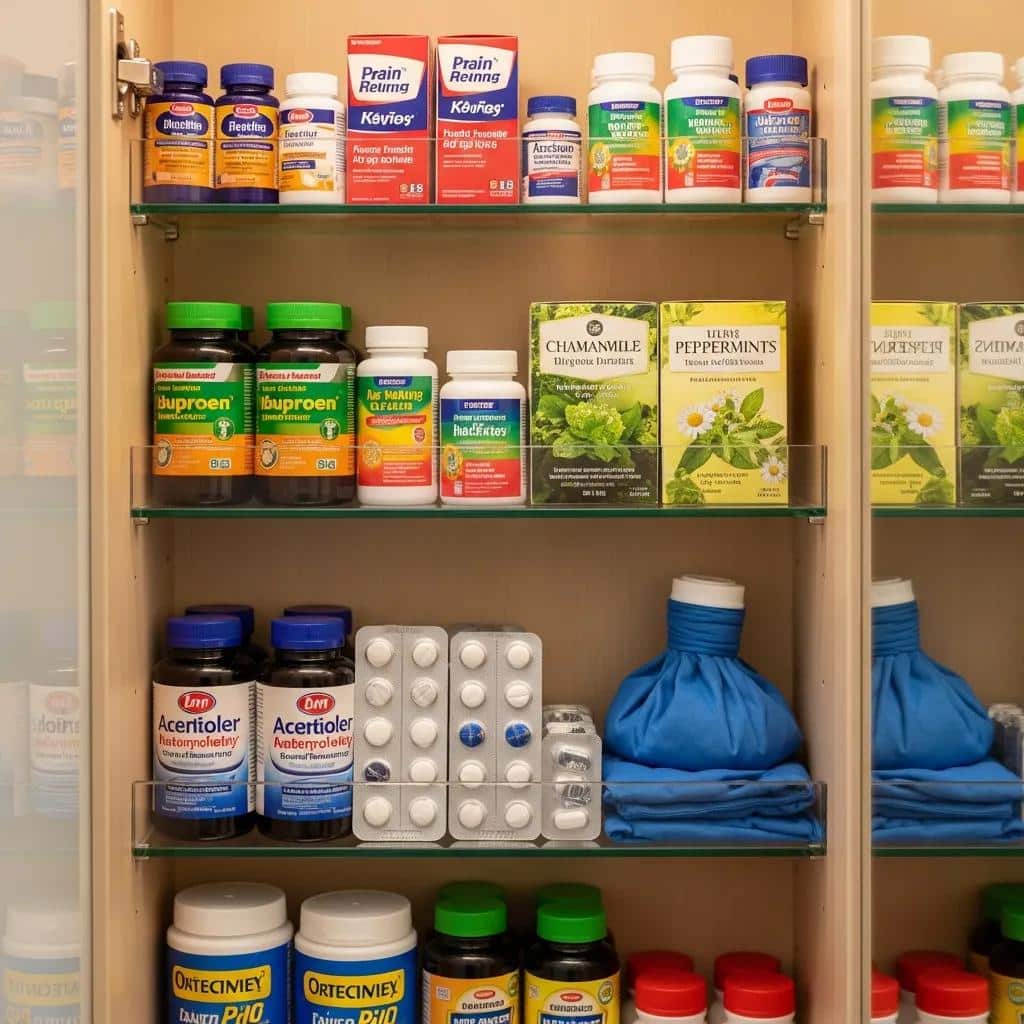
Over-the-counter pain relievers, such as ibuprofen or acetaminophen, are commonly recommended to manage post-surgical pain. Prescription medications may also be provided for more severe discomfort. It is essential to follow your dentist’s instructions regarding dosage and frequency to ensure safe and effective pain management.
Research further supports the efficacy of various pain management approaches, highlighting specific medications and their optimal use.
Effective Pain Management After Dental Implant Surgery
Individual studies and meta-analysis of two studies indicated that nonsteroidal anti-inflammatory drugs (NSAIDs) significantly reduced POP and consumption of rescue analgesics after dental implant placement compared to placebo. Transdermal administration of NSAIDs may be superior to the oral route as it was similarly effective for POP control and resulted in fewer side effects. Glucocorticoids administered as primary analgesics or NSAID adjuvants resulted in comparable pain sensation compared to NSAIDs alone. Caffeine-containing analgesics were reported as acceptable and effective for the treatment of POP and swelling when compared to codeine adjuvants. With regard to analgesic dosing schedules, pain modulation may be most critical during the first 72 h following dental implant placement.
Post-operative pain management in dental implant surgery: a systematic review and meta-analysis of randomized clinical trials, I Khouly, 2021
Natural Remedies to Reduce Discomfort
In addition to medications, several natural remedies can help reduce discomfort. Cold compresses applied to the outside of the face can minimize swelling and numb the area, providing relief. Herbal teas, such as chamomile or ginger, may also offer soothing properties that can aid in relaxation and pain reduction.
What Are the Best Aftercare Instructions for Dental Implant Healing?
Proper aftercare is vital for ensuring a successful recovery from dental implant surgery. Following your dentist’s aftercare instructions can significantly impact the healing process.
Daily Oral Hygiene Practices to Promote Healing
Maintaining good oral hygiene is essential during recovery. Gently brushing your teeth and rinsing with an antibacterial mouthwash can help prevent infection. Avoiding vigorous rinsing or brushing near the implant site is crucial in the initial healing phase to avoid disturbing the surgical area.
Activity Restrictions and Rest Guidelines
Rest is an important aspect of recovery. Patients should avoid strenuous activities and heavy lifting for at least 3 to 5 days after surgery. Gradually resuming normal activities is recommended, but listening to your body and not pushing yourself too hard is essential.
Which Foods Are Safe to Eat During Dental Implant Recovery?
Diet plays a significant role in the recovery process after dental implant surgery. Choosing the right foods can help promote healing and minimize discomfort.
The importance of nutrition in facilitating recovery is further emphasized by studies exploring specific dietary strategies for optimal healing.
Dietary Strategies for Optimal Dental Implant Healing
Methods to optimize healing through dietary strategies present an attractive option for patients, such that healing from delicate oral surgeries occurs as optimally as possible with minimal patient-meditated complications through improper food choices. This review discusses findings from studies that have investigated the role of diet, either whole foods or individual dietary components, on periodontal health and their potential role in wound healing after periodontal surgery.
Dietary strategies to optimize wound healing after periodontal and dental implant surgery: an evidence-based review, PC Fritz, 2013
Soft Food Diet Recommendations Post-Surgery
During the initial recovery phase, a soft food diet is recommended. Foods such as yogurt, mashed potatoes, smoothies, and soups are gentle on the surgical site and easy to consume. Gradually reintroducing solid foods as healing progresses is advisable.
Foods and Drinks to Avoid to Prevent Complications
Certain foods and drinks should be avoided during recovery to prevent complications. Hard, crunchy, or spicy foods can irritate the surgical site and should be limited. Additionally, alcohol should be avoided during the initial healing phase as it can interfere with the healing process. Caffeine can be consumed in moderation but may contribute to dehydration, so adequate water intake is important.
How Can You Prevent Complications During Dental Implant Recovery?
Preventing complications during dental implant recovery is essential for ensuring the success of the procedure. Being aware of potential issues and taking proactive measures can help mitigate risks.
Recognizing Signs of Infection and When to Seek Help
Patients should be vigilant for signs of infection, such as increased swelling, persistent or worsening pain, redness, warmth, or discharge from the surgical site, or fever. If any of these symptoms occur, it is crucial to contact your dentist immediately for evaluation and treatment.
Effective monitoring of wound healing is crucial for early detection and management of potential complications, ensuring a smoother recovery.
Monitoring Wound Healing & Complications After Dental Implant Surgery
Wound healing monitoring is an important concern in all surgical procedures since it allows to identify signs or/and symptoms possibly related to surgical complications. Wound inspection after careful food and plaque debridement is the essential part of wound healing monitoring. Telephone follow-up and patient self-assessment scales can also be used the days following surgery to monitor the most common surgical complications such as pain, swelling, bleeding, and bruising.
Post-surgical clinical monitoring of soft tissue wound healing in periodontal and implant surgery, 2017
Avoiding Smoking and Alcohol to Support Healing
Smoking and alcohol consumption can significantly hinder the healing process. Both can impair blood flow and increase the risk of complications. It is advisable to avoid smoking and alcohol intake during the recovery period to support optimal healing.
What Are the Recommended Sleeping Positions After Dental Implant Surgery?
Sleeping positions can impact recovery after dental implant surgery. Choosing the right position can help minimize discomfort and promote healing.
How Sleeping Position Affects Swelling and Pain
Sleeping with your head elevated (at about a 30 to 45-degree angle) can help reduce swelling and discomfort. Using extra pillows or a wedge pillow can provide support and keep pressure off the surgical site, promoting a more comfortable sleep experience.
Tips for Comfortable and Safe Resting
Creating a comfortable sleeping environment is essential for recovery. Ensure your bedroom is cool and dark, and consider using supportive pillows to maintain a comfortable position throughout the night.
When Is It Safe to Resume Exercise After Dental Implant Surgery?
Resuming exercise after dental implant surgery requires careful consideration. Understanding when it is safe to return to physical activity is crucial for a successful recovery.
Guidelines for Physical Activity During Recovery
Light activities, such as walking, can typically be resumed within a few days after surgery. However, high-impact exercises and heavy lifting should be avoided for at least 4 to 6 weeks. Always consult your dentist before resuming any strenuous activities.
Potential Risks of Early Exercise Post-Implant
Engaging in physical activity too soon can lead to complications, such as increased bleeding, swelling, implant failure, or increased pain. It is essential to listen to your body and prioritize healing before returning to your regular exercise routine.
How Does a Free Dental Implant Consultation Support Your Recovery Journey?
A free dental implant consultation can provide valuable insights and support for your recovery journey. Understanding the process and having professional guidance can enhance your overall experience.
What to Expect During a Free Implants Consultation
During a free consultation, your dentist will assess your oral health, discuss your goals, and outline the implant procedure. This initial meeting is an excellent opportunity to ask questions and address any concerns you may have about the recovery process.
How Professional Guidance Enhances Pain-Free Healing
Having professional guidance throughout your recovery can significantly impact your experience. Your dentist can provide personalized recommendations, monitor your progress, and make adjustments to your care plan as needed, ensuring a smoother and more comfortable recovery.
Stage of Recovery
Duration
Key Activities
Initial Healing
1-2 weeks
Rest, manage pain, maintain hygiene
Osseointegration
3-6 months
Follow-up visits, monitor healing
Final Recovery
Several weeks to a few months
Gradual return to normal activities
This table summarizes the stages of recovery, highlighting the duration and key activities to focus on during each phase.
Dental implant recovery can be a smooth process with the right knowledge and preparation. By understanding the healing timeline, managing pain effectively, following aftercare instructions, and seeking professional guidance, you can enhance your recovery experience and minimize discomfort. Remember to prioritize your health and well-being during this time, and don’t hesitate to reach out to your dental care provider for support.