Root Canal Healing Time: Your Complete Guide to Recovery and Care
Undergoing a root canal can be a daunting experience, but understanding the healing process can significantly ease your concerns. This comprehensive guide will delve into root canal healing time, providing insights into what to expect during recovery and how to care for your tooth post-treatment. Many patients worry about the pain and complications associated with root canals, but knowing the healing timeline and effective aftercare strategies can help alleviate these fears. In this article, we will explore the stages of healing, common symptoms, pain management techniques, and when to seek dental assistance.
What Is Root Canal Therapy and Why Does Healing Time Matter?
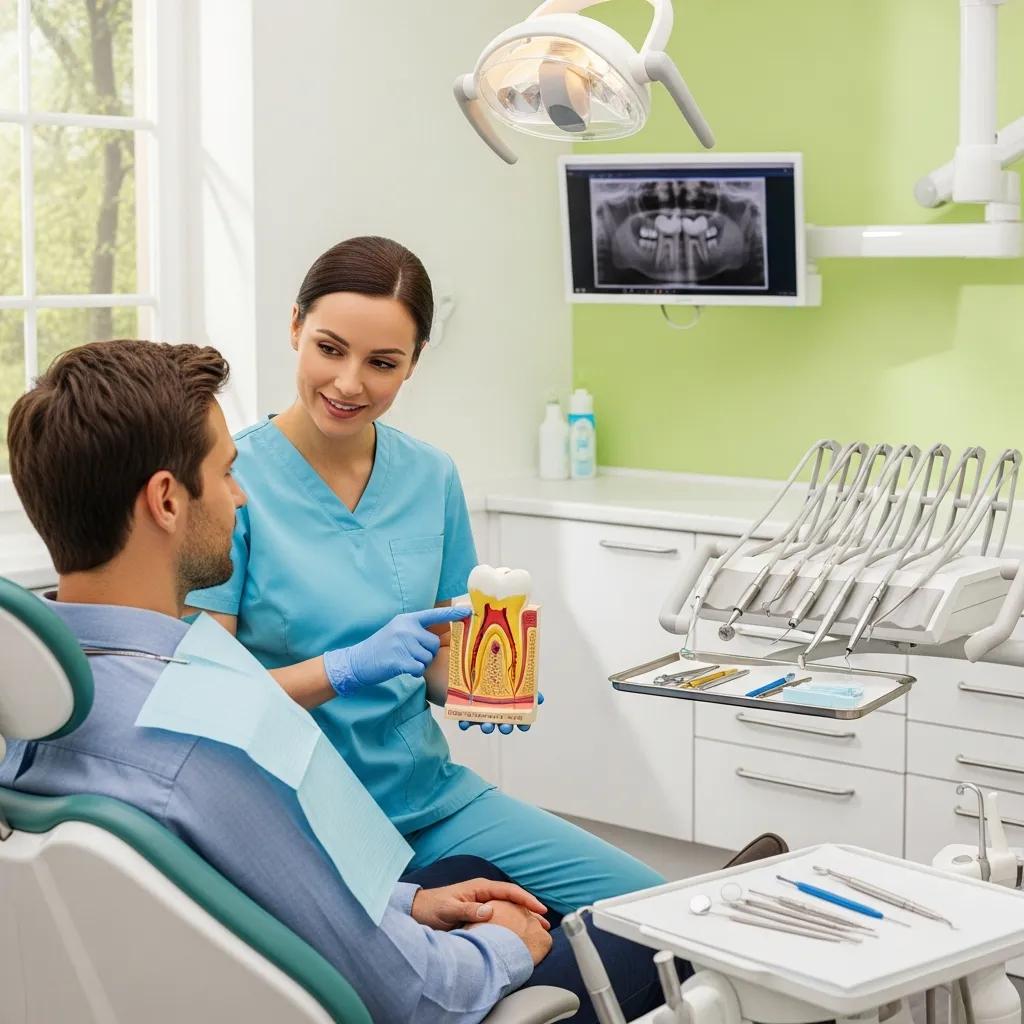
Root canal therapy is a dental procedure designed to treat infection or damage within the tooth’s pulp, which is the innermost part containing nerves and blood vessels. This treatment is crucial for saving a tooth that might otherwise need extraction. The healing time following a root canal is significant because it directly impacts the success of the procedure and the overall health of the tooth. Understanding the healing process helps patients manage their expectations and take appropriate care during recovery.
How Does Root Canal Therapy Save Your Tooth?
Root canal therapy saves a tooth by removing infected or damaged pulp, which alleviates pain and prevents further infection. The procedure involves cleaning the root canal system, disinfecting it, and then sealing it to protect against future issues. By preserving the tooth, patients can maintain their natural bite and avoid the complications associated with tooth loss, such as shifting teeth and jawbone deterioration.
What Happens During the Healing Process After Treatment?
After a root canal, the healing process begins immediately. Patients may experience some discomfort as the anesthesia wears off, but this is typically manageable with over-the-counter pain relievers. The initial recovery phase usually involves mild swelling and sensitivity, which should gradually subside over the following days. It’s essential to follow up with your dentist to ensure proper healing and address any concerns that may arise.
What Is the Typical Root Canal Healing Timeline?
Understanding the typical healing timeline can help patients navigate their recovery more effectively. Generally, the healing process can be broken into several key phases.
What Should You Expect Immediately After the Procedure?
Immediately after the procedure, patients can expect some numbness in the treated area due to anesthesia. This numbness usually lasts a few hours. Mild to moderate pain may occur as the anesthesia wears off, but it can often be managed with prescribed or over-the-counter pain medications. It’s advisable to stick to soft foods and avoid chewing on the treated side until the discomfort subsides.
How Does Healing Progress in the First Week?
During the first week, most patients experience a gradual reduction in pain and swelling. By the end of this period, many individuals can return to their normal activities, although some sensitivity may persist. It’s crucial to maintain good oral hygiene and follow any specific care instructions provided by your dentist to promote healing.
How Does Root Canal Recovery Continue Over Weeks and Months?
The recovery process continues beyond the first week, with significant healing occurring over the following weeks and months.
What Happens During Weeks 2 to 4 of Healing?
Between weeks 2 and 4, patients typically notice a marked improvement in their symptoms. Pain levels should decrease significantly, and normal activities can usually be resumed. However, it’s essential to monitor for any unusual symptoms, such as persistent pain or swelling, which could indicate complications.
How Does Full Tissue and Bone Healing Occur in Months 1 to 3?
Full healing of the tissue and bone surrounding the tooth can take several months. During this time, the body regenerates the tissues that were affected by the infection. Regular dental check-ups are vital during this period to ensure that the healing process is progressing as expected and to address any potential issues early on.
What Are Common Symptoms and Signs During Root Canal Healing?
Patients should be aware of the common symptoms that may occur during the healing process to differentiate between normal recovery and potential complications.
What Are Normal Pain and Discomfort Levels After a Root Canal?
After a root canal, it is normal to experience some pain and discomfort, which typically peaks within the first 1 to 3 days and gradually decreases. Most patients report that the pain is manageable and subsides significantly within a week. Over-the-counter pain relievers are often sufficient to alleviate discomfort during this time.
However, it’s important to acknowledge that post-treatment pain can be a significant concern for many patients, often requiring strategic analgesic approaches.
Endodontic post-treatment pain continues to be a significant problem facing the dental profession. For those patients presenting with preoperative pain, it has been reported that up to 80% of this population will continue to report pain after endodontic treatment. Despite the fact that the pain relief afforded by endodontic treatment is effective, it is rarely immediate and complete. Therefore, it is evident that post-treatment analgesic intervention is required in a variable percentage of endodontic cases.
Pharmacological strategies to control post-operative endodontic pain, A Farhad, 2008
What Signs Indicate Possible Complications or Infection?
While some discomfort is expected, certain signs may indicate complications or infection. These include severe or persistent pain beyond a week, swelling that worsens over time, fever, or discharge from the treated area. If any of these symptoms occur, it is crucial to contact your dentist promptly for evaluation and potential treatment.
How Can You Manage Pain and Care for Your Tooth Post-Root Canal?
Effective pain management and proper aftercare are essential for a smooth recovery after a root canal.
What Are Effective Post Root Canal Care Tips?
To ensure optimal healing, follow these post-treatment care tips:
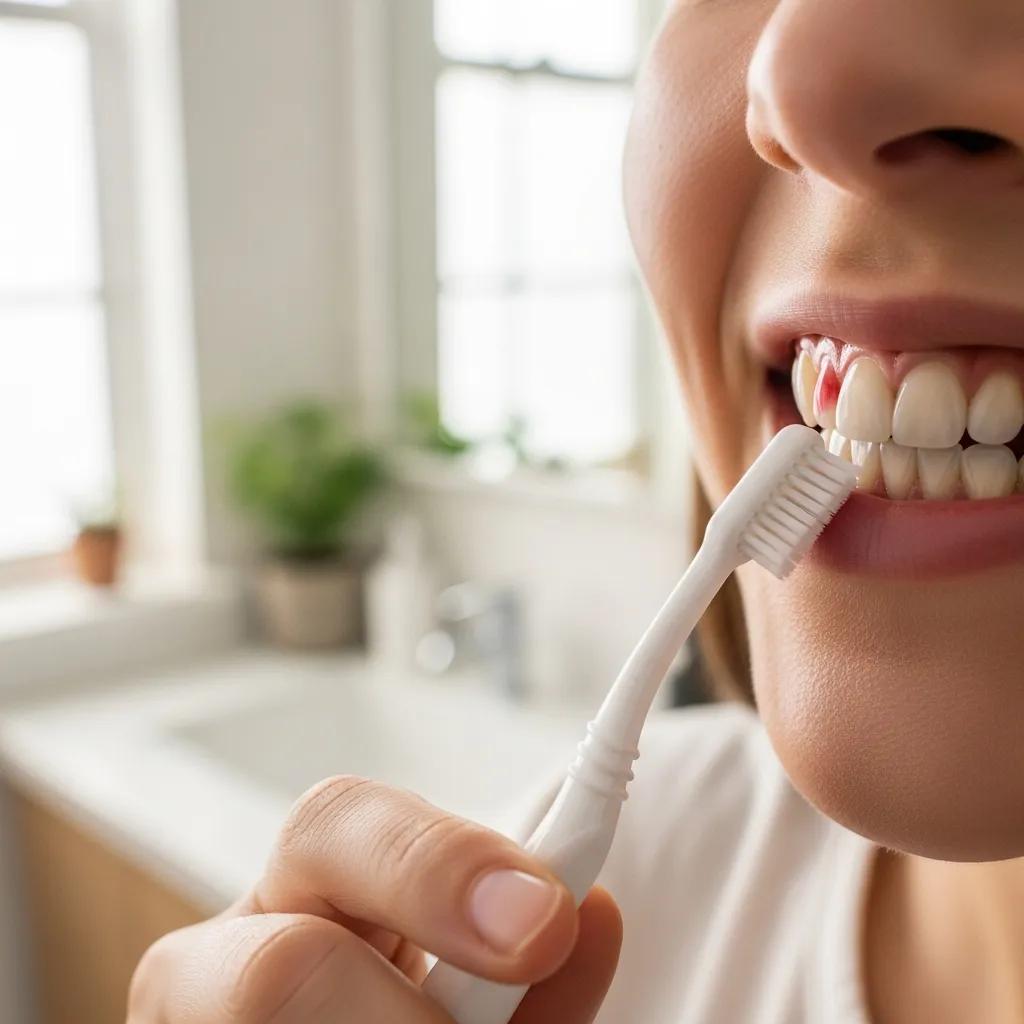
Maintain Oral Hygiene: Continue brushing and flossing, but be gentle around the treated area.
Avoid Hard Foods: Stick to soft foods for the first few days to prevent discomfort.
Certain dietary choices and habits can support faster healing after a root canal:
Soft Foods: Opt for mashed potatoes, yogurt, and smoothies to avoid irritation.
Hydration: Drink plenty of water to stay hydrated and support overall health.
Avoid Irritants: Steer clear of alcohol and tobacco, as they can hinder the healing process.
When Should You Contact Your Dentist About Root Canal Healing Issues?
Knowing when to seek dental assistance is crucial for ensuring a successful recovery.
What Are Warning Signs of Root Canal Complications?
If you experience any of the following warning signs, contact your dentist immediately:
Severe Pain: Pain that does not improve with medication.
Increased Swelling: Swelling that worsens instead of subsiding.
Fever or Discharge: Any signs of infection, such as fever or pus.
How Does Follow-Up Care Ensure Successful Recovery?
Follow-up care is essential for monitoring the healing process and addressing any complications early. Your dentist will assess the healing progress and may take X-rays to ensure that the infection has cleared and that the tooth is healing properly. Regular check-ups help prevent long-term issues and ensure the success of the root canal treatment.
How Does Dental Crown Placement Affect Root Canal Healing?
After a root canal, placing a dental crown is often necessary to protect the tooth and restore its function.
Why Is a Dental Crown Important After Root Canal Therapy?
A dental crown is crucial after root canal therapy because it provides structural support to the tooth, preventing fractures and restoring its function. The crown also protects the tooth from further decay and damage, ensuring its longevity.
What Is the Typical Timeline for Crown Placement?
Typically, a dental crown is placed within 1 to 3 weeks after the root canal procedure, allowing time for the initial healing process and to ensure the tooth is free of infection. Your dentist will provide specific timelines based on your individual healing progress and the type of crown being used.
What Factors Influence Root Canal Healing Time and Success Rates?
Several factors can impact the healing time and overall success of a root canal.
How Do Infection Severity and Overall Health Impact Recovery?
The severity of the initial infection and the patient’s overall health can significantly influence recovery. Patients with compromised immune systems or chronic health conditions may experience longer healing times and a higher risk of complications.
What Role Does Patient Aftercare Play in Healing Outcomes?
Patient aftercare is vital for successful recovery. Adhering to post-treatment instructions, maintaining good oral hygiene, and attending follow-up appointments can greatly enhance healing outcomes and reduce the risk of complications.
Indeed, a comprehensive understanding of various prognostic factors is crucial for evaluating the long-term success and outcomes of endodontic treatments.
This systematic review evaluates prognostic factors influencing the success of endodontic treatments for apical periodontitis over two decades (2002-2022), identifying key clinical variables affecting outcomes in primary and non-surgical retreatments. Factors evaluated included pre-operative, intra-operative and post-operative aspects.
… prognostic factors in endodontic treatment: a systematic review from 2002-2022: Clinical outcomes and prognostic factors in endodontic treatment: a systematic review …, 2002
Factor
Impact on Healing Time
Importance
Infection Severity
Longer healing time
High
Overall Health
Affects recovery speed
High
Aftercare Compliance
Improves outcomes
Critical
Root canal therapy is a vital procedure for preserving dental health, and understanding the healing process can empower patients to manage their recovery effectively. By following proper aftercare guidelines and being aware of potential complications, individuals can ensure a smoother healing experience and maintain their oral health.