Dental Implant Costs: What a Single-Tooth Implant Really Costs — Clear Guidance for Patients
Dental implants are a widely used solution for replacing missing teeth because they offer durability and a natural look. If you’re weighing this option, it helps to understand the costs involved. This article explains average implant prices, the factors that drive those costs, common financing choices, and what to expect during the treatment — so you can budget and plan with confidence. For more on local care options, see dental implants.
Cost is often a decisive factor for patients considering implants — research shows it strongly shapes how people make treatment decisions.
Dental implant treatment is an effective option for replacing missing teeth, but it is only available on the NHS in certain clinical situations. Most patients therefore pay privately, and the cost can be substantially higher than alternatives like removable dentures. While people are accustomed to contributing toward dental care, implants are noticeably more expensive than many existing treatments. There is limited evidence about how dentists decide whether to offer implants and about the factors patients weigh when deciding to pay for them.
Paying for treatments?
Influences on negotiating clinical need and decision-making for dental implant treatment, CE Exley, 2009
What Is the Average Cost of a Single Tooth Implant in 2024?
The price for a single tooth implant in 2024 varies by region, materials, and the clinician’s experience. Typical costs fall between $4,000 and $7,000. That range reflects the procedure’s complexity and the quality of parts and laboratory work involved.
Beyond the headline price, expect variation tied to practice type (general dentist versus specialist), whether the case requires additional surgical work, and the local market. Specialists who regularly place implants often include advanced planning or imaging in their fee; general practices may partner with a surgical specialist and separate those bills. If you live outside a major metropolitan area, travel and accommodation for a preferred clinician can add to the out-of-pocket total even if the procedure fee itself is lower.
How Much Does a Dental Implant Cost Per Tooth on Average?
Across the U.S., a single dental implant averages about $5,000. Urban practices often charge more because of higher overhead, and the implant material — for example, titanium versus zirconia — will also influence the final price. Keep these variables in mind when planning your treatment.
When comparing estimates, request a written, itemized quote that separates surgical, restorative (crown), and laboratory charges. Itemized estimates make it easier to compare like-for-like offers and to discuss particular line items with your clinician. Ask if the quote includes follow-up visits during the healing phase and whether any rework or adjustments are covered for a defined period.
When replacing a single tooth, patients typically balance clinical benefit with the financial impact to find the best solution for their situation.
Dental Implant Cost-Utility: Patient Financial Decisions for Single Tooth Replacement
For the replacement of one missing molar, patients choose between several treatment paths. Financial limits and the desire for an effective, durable solution both shape that decision. This study evaluates the economic and clinical value of implant treatment as a surgical-prosthetic method for replacing a single missing molar.
Cost-utility analysis of an implant treatment in dentistry, 2021
Which Factors Influence the Price of Dental Implants Per Tooth?
Several elements affect implant pricing. The main drivers are the implant material, the provider’s training and experience, and the practice location. Understanding these will help you compare estimates and set realistic expectations.
Other practical influences include laboratory workflows (in-house milling versus external labs), whether custom abutments are used, and the complexity of the prosthetic crown (single-unit versus more intricate aesthetic work). Practices that offer a one-stop experience — planning, surgery, and restoration in one office — may bundle services differently than those that coordinate care across multiple providers.
How Do Materials and Implant Types Affect Implant Pricing?
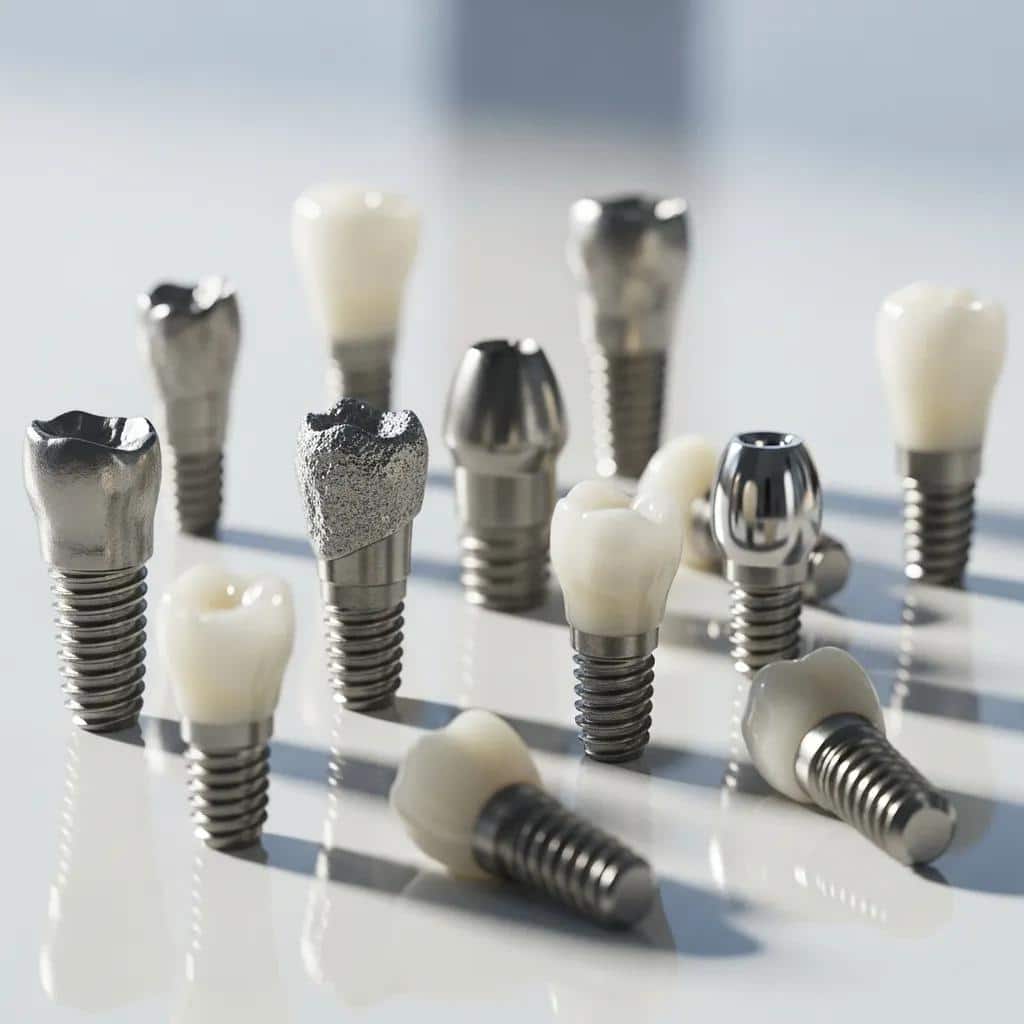
The implant material is a major cost factor. Titanium implants are the most common; they’re durable and biocompatible and typically fall in the $3,000 to $6,000 range for a single tooth. Zirconia implants, chosen for their tooth-like color and aesthetics, usually range from $4,000 to $5,500. Material choice can affect both price and long-term outcomes.
Beyond the implant post itself, abutment material (stock metal, custom titanium, or all-ceramic abutments) and crown materials (porcelain-fused-to-metal, full ceramic, or layered ceramic) also influence cost. Laboratory craftsmanship to match adjacent teeth can raise the price if higher aesthetic standards are required, especially in the front of the mouth.
What Role Does Location and Surgeon Expertise Play in Implant Costs?
Where you have the procedure matters — metropolitan clinics usually charge more because of higher rent and staffing costs. Likewise, surgeons with advanced training or strong reputations may charge higher fees. While cost is important, choosing an experienced clinician can improve predictability and success rates.
Experience can also translate into efficiency: a clinician who manages complications and complex anatomy routinely may avoid extra visits or corrective work that would otherwise increase total cost. When evaluating providers, consider asking about their case volume, complication rates, and whether they provide before-and-after examples of similar cases.
How Is the Dental Implant Procedure Priced and What Are the Steps Involved?
The overall fee typically bundles several components: the initial exam, imaging, the surgical placement, the restorative crown, and follow-up care. Each phase contributes to the total you’ll pay.
Some practices provide a single bundled fee that covers predictable follow-up and the definitive restoration. Others present separate invoices for surgical placement, lab fabrication, and the final prosthesis. Both approaches are common; what matters is clarity. Always confirm which visits and services are included and which could incur additional charges.
What Are the Key Steps in a Dental Implant Procedure?
Initial Consultation: Your dentist reviews oral health and outlines treatment options.
Imaging: X-rays or 3D scans assess bone structure and guide planning.
Surgical Placement: The implant post is placed into the jawbone.
Healing Period: A 3–6 month interval allows the implant to integrate with bone.
Abutment Placement: An abutment is attached to support the crown.
Crown Placement: A custom crown is fitted to complete the restoration.
Each step has cost implications, and the surgical placement is often the largest single expense.
To set expectations, ask your dentist to outline the likely timeline and to point out potential decision points that could change the cost (for example, the discovery of insufficient bone that requires grafting). Clear communication about staging helps you budget and schedule work around personal and professional commitments.
How Do Procedure Steps Affect the Overall Cost Per Tooth?
Breaking down the costs helps you see where the money goes: surgical placement commonly runs between $1,500 and $2,500, while the crown can add roughly $1,000 to $4,500. Additional treatments — like bone grafting or temporary restorations — can increase the total, so include those possibilities when planning.
Common add-on procedures that influence final cost include:
Tooth extraction and site preparation when the tooth is not already missing.
Bone grafting or ridge augmentation to create a stable foundation for implant placement.
Sinus lift procedures when placing implants in the upper posterior jaw.
Soft tissue grafts to improve gum contours for aesthetic outcomes.
Temporary crowns or provisional restorations to maintain function and appearance during healing.
Discussing these potential interventions in advance helps you understand the range of likely costs and the clinical reasons behind each recommendation.
What Financing and Insurance Options Are Available for Dental Implants?
Financing and insurance can make implants more affordable. Many practices offer payment plans, and some insurers provide partial coverage in medically necessary cases. Exploring payment options ahead of time reduces surprises.
Before committing, ask the practice whether they offer in-house payment plans with no or low interest, and whether they will accept third-party dental financing programs. Request sample payment schedules so you can compare monthly payments and total interest. If you have a flexible spending account or similar pre-tax medical spending plan, check whether implant fees qualify under your plan rules.
Are Dental Implants Covered by Insurance Plans?
Because implants are often classified as cosmetic, they may not be fully covered by every dental plan. Some policies do offer partial coverage when implants are medically necessary. Check your policy details and talk with your provider to understand any limits or requirements.
When speaking with insurers, request pre-authorization or a benefits estimate using the procedure codes your dentist provides. An insurer’s determination of medical necessity and the documentation submitted by your dentist can affect whether any portion of the treatment is reimbursed.
What Financing Plans Help Manage the Cost of Single Tooth Implants?
To spread out costs, patients can use in-house payment plans, third-party medical/dental loan providers, or low-interest financing tailored to dental care. Terms and interest vary, so compare offers to find one that fits your budget. To discuss options and schedule a visit, you can book a free dental implant consultation online.
When evaluating financing, pay attention to the total cost over the loan term and any fees for late payments or early repayment. Some patients combine savings, financing, and staged treatment to make the process manageable while prioritizing clinical needs.
How Can Patients Schedule a Free Dental Implant Consultation?
Booking a consultation is the practical first step if you’re considering implants. That visit lets the clinician assess your needs and outline possible treatment plans and costs.
Why Is a Consultation Important Before Implant Treatment?
A consultation lets the dentist evaluate your oral health, explain suitable options, and provide a personalized cost estimate. It’s also your chance to ask questions about timelines, risks, and long-term care. For trusted local providers and more details, visit this dental implant resource.
Good consultations include a clinical exam, appropriate imaging, and a clear discussion of treatment stages. Expect the clinician to review your general health, medications, and any conditions that might affect healing. If the office uses digital treatment planning, ask to see how that plan maps to the proposed timeline and fees.
How to Book Your Free Dental Implant Consultation Online?
Most offices have an online booking page where you can select a date and time for a free consultation. If you prefer, call the office directly to speak with a team member who can reserve your appointment and explain next steps.
When you schedule, consider requesting a list of items to bring: recent dental x-rays (if available), a list of medications, insurance information, and any questions you want the clinician to address. Bringing a concise list helps make the most of the appointment time.
What Are Common Patient Questions About Dental Implant Costs?
Patients typically ask about longevity, follow-up costs, timing, and how implants compare to other options. Clear answers help set realistic expectations about both outcomes and expenses.
How Long Do Dental Implants Last and Affect Cost Over Time?
With good oral hygiene and regular dental care, implants commonly last 10–15 years or longer. Because they can be durable, the higher initial cost may be offset by lower replacement needs compared with some alternatives.
Longevity depends on factors you can influence: oral hygiene, smoking status, regular professional care, and the presence of gum disease or bruxism (tooth grinding). Discuss follow-up schedules and homecare recommendations with your dentist to maximize lifespan and reduce the likelihood of costly repairs.
What Are the Maintenance Costs After Getting a Dental Implant?
Ongoing costs usually include routine check-ups, professional cleanings, and occasional adjustments or repairs to the crown. Factor these routine expenses into your long-term budget for implant care.
Maintenance can also include replacement of worn prosthetic components over the years. Practicing daily cleaning around the implant, using recommended interdental brushes or floss, and attending scheduled maintenance visits are practical steps that help limit the need for more extensive interventions later.
Frequently Asked Questions
What are the potential risks and complications associated with dental implants?
Implants are generally safe, but possible risks include infection at the implant site, nerve injury, sinus complications, and implant failure if the bone doesn’t integrate properly. Discuss individual risks with your dentist so you can take steps to reduce them.
How does the healing process affect the overall cost of dental implants?
The healing phase — typically 3–6 months — can add costs for follow-up visits and additional imaging. If complications arise or extra treatments (like grafting) are needed, those will increase the total. Planning for the full timeline helps avoid surprises.
Can dental implants be placed immediately after tooth extraction?
Immediate implant placement is possible for some patients and can reduce treatment time. Whether it’s appropriate depends on bone quality and the condition of surrounding tissue. Your dentist will evaluate and recommend the best approach.
What is the difference between traditional implants and mini implants?
Traditional implants are larger and usually require more bone; they support a wide range of restorations. Mini implants are smaller, less invasive, and often less expensive, but they aren’t suitable for every case. A clinician can advise which type fits your needs.
How do dental implants compare to other tooth replacement options?
Compared with dentures and bridges, implants offer a more permanent solution, help preserve jawbone health, and usually don’t require altering adjacent teeth. Although the upfront cost can be higher, implants often deliver better long-term value and function.
What lifestyle changes should be considered after getting dental implants?
To protect your implant, maintain excellent oral hygiene, attend regular check-ups, and avoid very hard or sticky foods that could damage the restoration. If you smoke, quitting will improve healing and success rates. Your dentist will give specific aftercare guidance.
Conclusion
Knowing what affects implant pricing helps you make a thoughtful choice about tooth replacement. Consider material options, the provider’s experience, and available financing when planning your care. The next step is a consultation — it gives you a personalized plan and a clear cost picture so you can move forward with confidence toward a restored smile.
Finally, take time to compare itemized quotes, ask for realistic timelines, and discuss warranty or follow-up policies before you begin. A well-informed decision reduces unexpected costs and improves the likelihood of a satisfactory long-term outcome.