Unpacking Dental Implant Costs in Fort Worth: Single vs. Multiple Solutions
Ready to explore dental implants? These amazing titanium or zirconia “roots” are placed right in your jaw, giving you a strong, natural-feeling foundation for a new crown, bridge, or denture. This guide is your go-to for understanding typical prices and what influences your investment in Fort Worth. We’ll break down clear cost ranges for a complete single dental implant (that’s the post, abutment, crown, and all surgical fees), show you how multi-tooth options like implant-supported bridges and All-on-4/6 stack up in price and value, and walk you through financing and insurance options specifically for Fort Worth residents. We know it can be tricky to compare costs for one tooth versus a whole arch, or to figure out how extra steps like bone grafts or sinus lifts impact your budget. Don’t worry, we’ll explain it all with clear examples and practical financing insights. After we cover the parts, the process, and the long-term benefits, we’ll guide you on what to do next, including how to get ready for your consultation and where to find trusted local care. For folks in Fort Worth looking to get started, Affordable Dentures & Implants offers dental implants starting at just $1,340 per implant. (affordabledentures.com)
What’s the Cost of a Single Dental Implant in Fort Worth?
A complete single dental implant in Fort Worth typically ranges from a more budget-friendly option to a premium package, depending on the materials used, lab work involved, and the complexity of your surgery. A full single-tooth solution is usually presented as one bundled price, covering the implant post, abutment, and crown. What really drives the price is the combination of these components—the surgical fee, the implant itself, the abutment, and your final crown—plus any necessary diagnostic imaging and custom lab work. Understanding these individual component costs helps you compare different quotes and anticipate any additional procedures, like bone grafting or extractions, that might increase the total. The next section breaks down these parts in easy-to-understand terms. If you’re in Fort Worth and want a personalized estimate for dental implants, simply contact Affordable Dentures & Implants to schedule a free consultation. You’ll receive exam-based pricing and a custom treatment plan. (affordabledentures.com)
Breaking Down the Parts of a Single Dental Implant
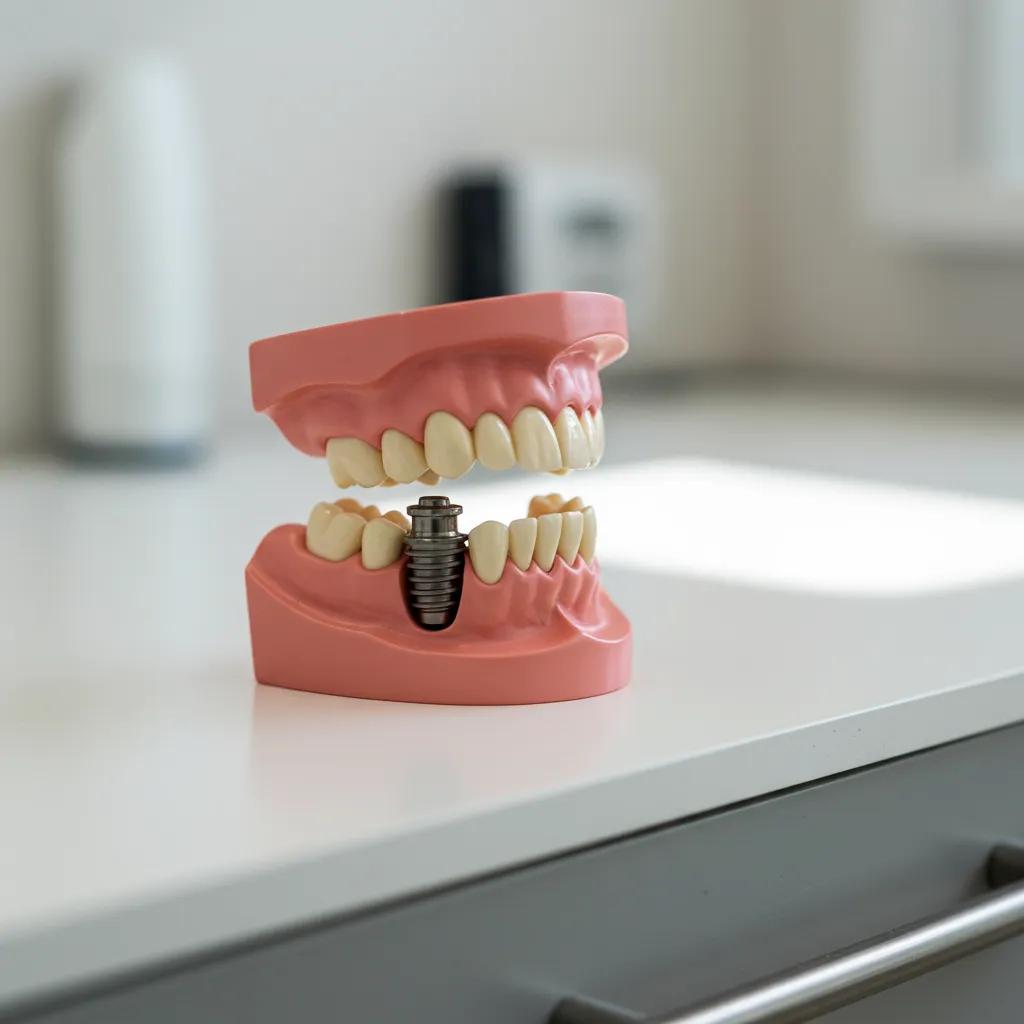
A single dental implant is made up of several distinct pieces: the implant post (or fixture) that integrates with your jawbone, the abutment that connects the post to your new tooth, and the final crown that restores both function and a beautiful smile. Plus, there are clinical and lab fees for all the planning and creation. The implant post is the core structural element, typically made from titanium or zirconia. Each material has different aesthetic and biocompatibility benefits that can affect both the price and the final look. The abutment can be a standard, off-the-shelf part or custom-made, and might be angled or screw-retained based on your specific needs; custom abutments add to lab costs but ensure a superior fit for your prosthesis. Lab fees cover the crown material and customization—porcelain-fused-to-zirconia or full-contour zirconia crowns vary in cost and how long they last. Surgical fees include your clinician’s time, your choice of anesthesia, and the use of advanced imaging and guided-surgery techniques. All these components work together to determine your bundled single-implant estimate and help set expectations for any additional procedures you might need.
Different implant components contribute to the overall cost and play specific roles in your treatment, so comparing estimates piece by piece can reveal where you might find savings or added value. The table below breaks down common component categories, what they do, and how they influence the price for Fort Worth patients.
Component
What It Does in Treatment
How It Affects Value/Cost
Implant post (fixture)
Replaces your tooth root; fuses with bone
Significant: the main hardware cost and long-term foundation
Abutment
Connects the post to your crown; can be standard or custom
Moderate: impacts fit, angle, and final appearance
Crown (lab/porcelain)
Restores your chewing surface and smile
Moderate to significant: material choice is a key cost factor
Surgical/Clinical Fees
Implant placement, anesthesia, and imaging
Variable: depends on your clinician’s expertise and technology used
Additional labs/temporary prosthesis
A temporary tooth during healing; lab adjustments
Small–Moderate: for short-term comfort and provisional aesthetics
This component breakdown helps clarify why single-implant pricing can vary: higher-cost implants or custom abutments often mean greater durability and aesthetics, while more standardized parts can lower your immediate expense. Understanding these differences empowers you to evaluate quotes and plan for any future maintenance or replacement needs.
A detailed analysis of dental implant costs reveals that labor, materials, and administrative overheads are significant factors influencing the final price. This breakdown helps in understanding the value proposition of different restorative options.
Dental Implant Cost Breakdown: Labor, Materials, and Overheads
Dental implant costs of metal crown, porcelain crown and over-denture were 1,449,000 won, 1,583,000 won, and 2,471,000 won respectively. The proportion of cost components was as follows. The labor cost were 50%, and material, administrative and o
What Factors Affect the Price of Your Single Dental Implant?
The price of a single implant is influenced by your unique anatomy, any extra procedures you might need, your material choices, and the advanced clinical technology used during planning and placement—each factor having a predictable impact on the cost. For instance, your bone quality and quantity might require bone grafting or a sinus lift before implant placement, which adds both surgical time and extra material and lab fees. Patients with healthy, intact bone often need less upfront intervention, leading to a lower initial cost. The complexity of any tooth extractions, the need for infection control, and whether you request sedation will also adjust clinical fees. Choices like a zirconia post or a custom abutment will increase material and laboratory expenses for enhanced aesthetics. Your clinician’s experience and the use of guided-surgery workflows or CBCT imaging can increase accuracy and may raise the estimate, but often reduce complication risks, which can save you money in the long run. When reviewing quotes, it’s helpful to distinguish between choices you can modify (like sedation or crown material) and essential clinical needs (like bone grafting), as modifiable factors can be adjusted to fit your budget without compromising your core treatment outcomes.
Here’s a quick list highlighting common cost drivers to keep in mind before comparing clinic estimates:
Your need for bone grafting or a sinus lift
Your choice of implant material (titanium vs. zirconia) and abutment type
The complexity of any extractions and whether you opt for sedation
The use of digital planning and guided-surgerytechnology
The quality of lab work and customization for your prosthesis
These factors all work together to determine your final single-implant price, so clear imaging and a diagnostic visit are essential for getting an accurate written estimate and timeline.
Understanding Price Ranges for Multiple Dental Implants in Fort Worth
When it comes to multiple dental implants, you have a wide range of options—from implant-supported bridges that replace a few missing teeth to full-arch solutions like All-on-4/6, and even comprehensive full-mouth reconstructions. Fort Worth price ranges will naturally reflect the number of implants needed, the complexity of the prosthetic (your new teeth), and any preparatory surgeries. The main driver of multi-implant cost is the combination of per-implant hardware expenses, the complexity and material of your prosthetic arch, and the surgical staging chosen by your clinician. Often, economies of scale can reduce the per-tooth cost for full-arch approaches, though they do represent a larger upfront investment. You should compare implant-supported bridge formulas (implants × implant cost + prosthesis + lab fees) against fixed per-arch options, where the prosthesis design and material selection significantly influence the final price. For local Fort Worth planning, Affordable Dentures & Implants offers dental implants starting at just $1,340 per implant. (affordabledentures.com)
What’s the Cost of an Implant-Supported Bridge?
An implant-supported bridge replaces a span of missing teeth by using a smaller number of implants to securely anchor a multi-toothprosthesis. Pricing typically includes the sum of each implant plus the shared prosthesis and lab fees. The cost formula often looks something like this: (number of implants × implant fixture cost) + prosthesis fabrication + surgical fees + any necessary grafting. For example, replacing three adjacent teeth might only require two implants supporting a three-unit bridge. This reduces the number of individual implants compared to single-tooth replacements but concentrates the lab complexity. Implant-supported bridges offer improved stability and longevity compared to removable partials and often require less ongoing maintenance than traditional bridges that rely on adjacent natural teeth for support. When you’re evaluating bridge options, be sure to ask for sample totals that clearly separate hardware, lab, and surgical fees. This way, you can truly compare the per-unit economics and consider long-term replacement scenarios.
To help you compare bridge scenarios, here’s a quick list summarizing practical pros and cost considerations:
Fewer implants than single-tooth replacements: This can lower your hardware cost but increases the complexity of the prosthesis.
Shared prosthesis lab fees: Adds customization cost but can reduce the per-tooth hardware expense.
Longevity advantage: Implant-supported bridges typically last longer than tooth-supported bridges, offering better long-term value.
This explanation clarifies why implant-supported bridges can be a more cost-efficient choice for clustered tooth loss and when your clinician might recommend them over multiple single implants.
How Much Do All-on-4 and Full MouthDental Implants Cost?
All-on-4 and other full-arch implant strategies replace an entire dental arch using just four to six implants per arch. These are typically quoted as per-arch packages that include surgical placement, often an immediate temporary prosthesis, and the final prosthetic fabrication. Prices will vary based on the prosthesis material and the implant brand. The per-arch cost depends on whether you choose an immediate loading workflow (“teeth in a day”) or a staged approach, the quality of your final prosthesis (e.g., acrylic-on-metal bar versus monolithic zirconia), and if any additional surgeries like extractions or grafts are needed before implant placement. All-on-4 can offer significant economies of scale—fewer implants for a full arch of restored teeth—so the per-tooth cost can be much lower than individual implants when replacing an entire arch. However, the upfront investment is larger, and financing strategies are often essential. You should compare per-arch sample price ranges and request detailed breakdowns for surgery, provisional prosthesis, and final prosthetic costs to see how immediate versus staged approaches affect both the price and your timeline.
The All-on-4 technique has gained prominence as a cost-effective solution for full-arch restorations, offering a fixed and functional alternative for many patients. This approach leverages a strategic number of implants to support an entire arch, often leading to a lower per-tooth cost compared to individual implants.
All-on-4 Technique: A Cost-Effective Full-Arch Implant Solution
The All-on-4® technique for dental implant placement and restoration, while developed some two decades ago, has recently generated increased interest as a highly functional, esthetic, cost-effective alternative for a large group of patients who could benefit from a full-arch, implant-supported fixed restoration.
Solution Type
Typical Implants Per Arch
What’s Included
Cost Consideration
Implant-supported bridge (partial arch)
2–4
Implants + custom bridge prosthesis
Moderate upfront; reduced per-tooth cost
All-on-4 / All-on-6
4–6
Implants + provisional + final arch prosthesis
Higher upfront; per-tooth savings for a full arch
Full-mouth reconstruction
8+ (both arches)
Multiple surgeries + prostheses
Highest complexity; staged timing impacts cost
How Do Multiple Dental Implants Stack Up Against Traditional Dentures and Bridges in Cost and Value?
While multiple dental implants typically have a higher upfront cost than removable dentures or tooth-supported fixed bridges, they deliver superior long-term value through increased longevity, preserved bone volume, and a reduced need for future replacements or reline procedures. From a functional and value perspective, implants actively prevent the progressive bone loss that often follows tooth removal. This reduces future prosthetic complications and helps preserve your facial structure, whereas conventional dentures often require periodic relines and replacements that accumulate costs over time. To truly evaluate cost-effectiveness, you need to amortize the initial expenses across the expected lifespan of each option. Simple examples show that implants often reach a break-even point within five to fifteen years compared to dentures or bridges when you factor in replacement cycles and ongoing maintenance. For patients weighing immediate budget constraints against long-term function and quality of life, Affordable Dentures & Implants offers dental implants starting at just $1,340 per implant. (affordabledentures.com)
What Are the Long-Term Benefits and Savings of Dental Implants?
Dental implants offer incredible long-term benefits that translate into measurable cost savings: durable fixtures designed to last decades, preservation of your jawbone that helps you avoid future grafting expenses, and fewer prosthetic replacements compared to removable options. The reason implants save you money over time is twofold: implants prevent the cascade of bone resorption that can undermine denture fit, and they significantly reduce the frequency of prosthetic maintenance and replacement that drives cumulative costs for dentures and tooth-supported bridges. Your quality of life—including chewing efficiency, speech clarity, and overall confidence—also dramatically improves with implant-supported restorations, which can indirectly reduce costs associated with dietary restrictions or additional dental care. Simple amortization examples help patients clearly see this tradeoff: even with a higher initial investment, the reduced rate of replacement and fewer maintenance visits often result in a lower total cost per functional year.
To summarize the long-term value in practical terms, here’s a brief recap:
Fewer replacements over decades compared to dentures or fixed bridges.
Improved bone preservation reduces the need for future grafting and related surgeries.
Better function and comfort can reduce indirect healthcare and lifestyle costs.
Is It More Affordable to Get Multiple Implants Done at Once?
Yes, performing multiple implants in a single surgical phase can create economies of scale that lower the per-implant cost. This happens through consolidated surgical time, fewer anesthesia events, and combined lab work. However, sometimes clinical considerations necessitate staged care, which can increase the overall expense. When your bone quality and general health allow, placing full-arch or multiple implants in one session streamlines logistics and may reduce fees for surgical room time and repeated imaging. Conversely, extensive grafting needs, infection control, or specific healing protocols require separating procedures, which can raise cumulative costs. Insurance and financing timing also play a role in affordability—some plans or payment structures favor staged billing, while others allow single-package financing for immediate full-arch care. You should weigh the clinical benefits of staged healing against the potential per-unit savings of combined treatment and ask your clinicians for scenario-based cost comparisons that account for both clinical risk and financial impact.
Here’s a concise list outlining when combined placement is cost-effective and when staging might be a better choice:
Cost-effective when bone and health permit: You’ll benefit from consolidated fees and fewer temporary prostheses.
Staging preferred for complex grafting: This allows for predictable healing but can increase cumulative cost.
Financing implications: Single-package financing often simplifies monthly payments compared to separate staged invoices.
Exploring Your Dental Implant Financing Options in Fort Worth
Financing dental implants often involves a combination of insurance contributions (if applicable), in-house payment plans, and third-party lenders. Understanding each option helps you visualize monthly payments and make a practical, affordable decision. Insurance coverage for implants can vary widely—many dental plans limit or exclude implants entirely, or only cover parts of the restorative work. So, you should always request preauthorization and a written predetermination based on your coded treatment plan to clarify your benefits. In-house financing offers flexible, clinic-managed payment schedules that may include down payments and installment options, while third-party lenders typically provide credit-based plans with set terms that result in predictable monthly payments. For Fort Worth patients evaluating options, Affordable Dentures & Implants offers dental implants starting at just $1,340 per implant. (affordabledentures.com)
Does Dental Insurance Cover Dental Implants?
Dental insurance coverage for implants varies significantly and often depends on the specific language of your plan. Some policies might only cover restorative components (like a crown) or offer partial benefits for an implant as an alternative to a bridge, while others explicitly exclude implant surgery and hardware from coverage. The smartest approach is to verify your coverage by submitting a pre-treatment estimate and using the correct CDT codes for implants, abutments, and prostheses. This preauthorization will clarify your patient responsibility and help prevent any surprises. Many insurers will consider part of the restorative portion as a prosthetic replacement but won’t fund the surgical placement. That’s why a detailed written estimate comparing covered and uncovered items is absolutely essential. You should also ask your insurer about lifetime maximums, waiting periods, and whether out-of-network benefits apply, as these policy features can significantly affect your final out-of-pocket costs.
To make your insurance review actionable, use this short checklist before starting treatment:
Obtain a preauthorization or predetermination based on your clinic’s treatment plan.
Ask which CDT codes are covered and which are excluded.
Confirm lifetime maximums and any waiting periods that may apply.
What In-House and Third-Party Financing Plans Are Available?
Your financing choices generally fall into two main categories: in-house clinic plans, which allow you to pay over time directly managed by the practice, and third-party credit-based plans, which provide fixed-term repayment schedules. Both options vary by down payment requirements, interest or fee structures, and approval criteria. In-house plans often offer more flexibility—think smaller down payments, longer terms, or interest-free periods—because they are administered directly by the dental office. They can also be tailored to your treatment timelines and sometimes combined with provider discounts. Third-party lenders typically require a credit application and offer set monthly payments and term lengths that are easy to compare across providers. These can be very useful if you prefer external financing that keeps the clinic out of collections or if in-house options are limited. For patients in Fort Worth, asking for example monthly payment scenarios based on a typical single-implant or per-arch cost helps make affordability concrete and supports your scheduling decisions.
Financing Option
Typical Down Payment
Example Monthly Payment
Important Notes
In-house plan
Low to moderate
$100–$300/month over flexible terms
May offer extended or interest-free periods depending on clinic policy
Third-party lender
Varies by credit score
$150–$600/month depending on term
Fixed-term payments; credit approval required
Insurance contribution
Depends on your plan
Variable offset
Often partial coverage; preauthorization needed to confirm benefits
Preparing for Your Free Dental Implant Consultation: What You Should Know
A free dental implant consultation typically includes a thorough exam, diagnostic imaging, a discussion of your smile goals, and an initial treatment plan with a cost estimate. This diagnostic phase is crucial for determining if you’re a candidate and revealing the scope of any additional procedures you might need. During your consult, our clinicians will assess your bone volume, gum health, and any systemic health risks. They may order panoramic x-rays or a CBCT scan to precisely evaluate your three-dimensional bone anatomy and plan the ideal implant position. Knowing the typical timeline—from your first consultation to your final crown—helps you set realistic expectations. Most single implants require surgical placement, a healing period for osseointegration (when the implant fuses with your bone), and then prosthetic restoration. Multi-implant or full-arch workflows might include immediate temporaries or staged prosthetic delivery. Before your visit, please gather any prior dental records and make a note of your medical history and medications, as these details directly affect your candidacy and the type of anesthesia or sedation recommended. If you’re ready to take the next step, Affordable Dentures & Implants offers dental implants starting at just $1,340 per implant. (affordabledentures.com)
How Does the Free Dental Implant Consultation Work?
Your free dental implant consultation begins with a focused clinical exam and a review of your medical and dental history, followed by diagnostic imaging to assess your bone and soft-tissue conditions and help us plan your treatment sequence. During this visit, our clinicians will explain your single-tooth versus multi-tooth options, outline any possible adjunctive procedures (like grafting), and discuss material choices and prosthetic aesthetics that influence both cost and timeline. Our goal is to provide you with a clear, written estimate that separates hardware, lab, and surgical fees. Please bring your insurance information and any prior imaging or dental records to help us accelerate benefit verification and produce an accurate predetermination. For Fort Worth patients seeking clarity on price and planning, Affordable Dentures & Implants offers dental implants starting at just $1,340 per implant. (affordabledentures.com)
Am I a Candidate for Single or Multiple Dental Implants?
Your candidacy for single versus multiple implants depends on several key factors: your bone quantity and quality, your periodontal health, any systemic conditions that might affect healing, and your personal goals for function and aesthetics. Our clinicians will evaluate these factors with imaging and your medical history to recommend the optimal restorative approach for you. Adequate bone volume supports direct implant placement, while insufficient bone might require grafting to create a stable foundation. Any gum disease must be controlled before implant surgery to reduce infection risk and improve long-term success. Systemic conditions such as uncontrolled diabetes or certain medications can influence healing and candidacy, so our clinicians will review your medical history thoroughly and coordinate care with other providers when necessary. Your smoking status and oral hygiene habits also affect implant prognosis and may prompt clinicians to recommend additional support measures or staged approaches, especially for multi-implant reconstructions.
To help you self-assess before your consultation, consider these candidacy indicators:
You have adequate bone, or you’re willing to undergo grafting if needed.
Your periodontal health and medical conditions are compatible with surgery.
You’re committed to excellent oral hygiene and follow-up care for long-term success.
Key Factors Influencing Dental Implant Costs in Fort Worth
Materials, technology, your clinician’s experience, and any additional surgical procedures are the primary factors that multiply the cost of dental implants. Each of these influences both your short-term pricing and your long-term outcomes. Your choice of implant material (titanium versus zirconia) affects hardware cost and aesthetic outcome; advanced technology like CBCT imaging and guided surgical templates increases precision and often raises the estimate, but it also significantly reduces surgical variability. Clinic overhead and lab partnerships influence prosthesis cost because custom, high-precision labs produce superior aesthetics at higher price points, and your clinician’s experience affects both surgical fees and predictable success rates. Additional procedures—such as bone grafts, sinus lifts, soft-tissue grafts, or complex extractions—add discrete costs and may require staged treatment that shifts your financial timeline. Knowing about these potential add-ons in advance, through imaging and your consultation, helps you budget realistically and choose a treatment sequence that aligns with both your health needs and financial constraints.
How Do Materials and Technology Affect Pricing?
Your material selection—titanium fixtures versus zirconia options—affects implant cost, biocompatibility, and aesthetic outcomes. Zirconia typically costs more for its aesthetic advantages, especially in visible areas, while titanium offers robust, well-documented longevity at a competitive price. Technology such as CBCT imaging, digital implant planning, and guided surgical guides increases the upfront cost but dramatically improves implant positioning and prosthetic outcomes, often reducing the likelihood of complication-related expenses down the road. Custom abutments and premium lab materials for your final crown will increase lab fees but yield a superior fit and appearance that can extend the restoration’s life and reduce the need for adjustments. Clinics that invest in digital workflows may charge more for the added precision and convenience, yet these investments can translate into fewer corrective visits and a smoother overall restorative process for you.
Here’s a short list highlighting tech and material trade-offs to consider when comparing estimates:
CBCT and guided surgery: higher upfront cost, but improved precision.
Zirconia fixtures or crowns: higher material cost, but enhanced anterior aesthetics.
Custom abutments and premium labs: increased fee, but better fit and longevity.
What Additional Procedures Might Affect Your Final Cost?
Common additional procedures that can increase your final implant cost include bone grafts, sinus lifts, tooth extractions, and soft-tissue grafts. Each of these adds surgical time, materials, and sometimes additional healing phases to your overall treatment plan. Bone grafting addresses insufficient ridge volume and can range from minor socket grafts to larger block grafts. Sinus lifts add complexity when the upper molar region has limited vertical bone height, and soft-tissue grafts enhance gum aesthetics and the implant’s emergence profile. Complex extractions, especially of teeth with infection or fractured roots, may require additional surgical steps and postoperative care that add to clinical fees. Knowing about these likely add-ons in advance—through imaging and your consultation—helps set accurate expectations for your total treatment investment.
A brief list clarifies which add-ons are most impactful on cost and timeline:
Bone grafting and sinus lifts: significant cost and healing time.
Soft-tissue grafts: moderate cost, improves aesthetics and tissue stability.
Complex extractions: can add one or more surgical visits and fees.
Common Questions About Dental Implant Costs Answered
Patients often have straightforward questions about costs—like how much one implant costs versus multiple, if getting multiple implants at once is cheaper, and whether insurance will cover implants. We’ve structured this section to give you concise, direct answers followed by brief elaborations, so you can quickly understand the practical implications and then read more detail where needed. This FAQ-style approach clarifies per-tooth versus per-arch economics and helps you see when an implant is truly an investment in your long-term oral health.
How Does the Cost of One Dental Implant Compare to Multiple Implants?
One dental implant typically has a higher per-tooth cost than implants placed as part of a multi-tooth or full-arch plan. This is because single restorations carry the full hardware, lab, and surgical fees for just one tooth, whereas multi-implant prostheses can distribute prosthesis and lab fees across many teeth, effectively reducing the per-tooth expense. The comparative mechanism here is economies of scale: when multiple teeth are replaced with an arch prosthesis, shared components (like a full-arch prosthesis and fewer implants per tooth) lower the average cost-per-tooth, despite a higher total investment. For example, replacing a single tooth requires its own crown and abutment, while an All-on-4 approach uses just four implants to support an entire arch, significantly lowering per-tooth hardware costs. You should request both per-tooth and per-arch sample pricing to compare the true economic trade-offs and decide which option best aligns with your functional and aesthetic goals.
Is It Cheaper to Get Multiple Implants at Once?
Yes, getting multiple implants at once can often be cheaper on a per-tooth basis. This is because consolidated surgery reduces repeated anesthesia and separate surgical fees, and combined lab work for a single prosthesis typically lowers total lab charges when distributed across many teeth. However, staging is sometimes clinically necessary—for instance, when grafting is needed or an infection must be resolved—so the most cost-effective clinical pathway must always prioritize your healing and safety. Financing and insurance structures also influence whether a single consolidated treatment or staged procedures are more affordable month-to-month. Some patients prefer staged treatment for cash-flow reasons, while others favor single-package financing for convenience. Our practical recommendation is to obtain both consolidated and staged estimates during your consultation so that your clinical needs and financial preferences can be perfectly balanced.
Why Choose Affordable Dentures & Implants in Fort Worth for Your Dental Implants?
Affordable Dentures & Implants proudly provides both dental implants and dentures, and our Fort Worth location truly emphasizes affordable dental care, experienced clinicians, convenient extended hours, and a free dental implant consult. This helps our patients make informed decisions without any upfront consultation costs. Our Fort Worth office warmly welcomes new patients and offers comprehensive restorative dentistry, including dental implants under Surgery & Restoration. These unique value propositions are designed to reduce barriers to care while connecting you to a local clinician who can provide exam-based pricing and personalized treatment planning. Social proof from local search data indicates strong patient satisfaction, which supports confidence in our clinical outcomes and consistent service. For patients ready to move from research to planning, Affordable Dentures & Implants offers dental implants starting at just $1,340 per implant. (affordabledentures.com)
What Makes Our Dental Implant Services Both Affordable and Reliable?
Our commitment to affordability at the practice level comes from transparent pricing, readily available payment options, and a strong emphasis on offering clear, exam-based estimates. This means you can compare scenarios without any surprise fees. Our reliability, on the other hand, stems from our experienced clinicians and restorative-focused workflows. We highlight restorative dentistry and implant services as core offerings, and our operational choices—like clear estimate breakdowns and financing discussions right at the consult stage—reduce uncertainty and streamline your decision-making process. While specific in-house plan terms may vary, the combination of our affordable care messaging and experienced clinical leadership helps patients like you balance cost and outcomes when selecting implant options. Always ask for itemized quotes and sample monthly payment examples during your free consult to clarify affordability and support confident treatment choices.
How Do Patient Reviews Reflect Our Implant Success and Satisfaction?
Local search data proudly reports over 1,470 Google reviews with an impressive 4.8-star average! This serves as powerful social proof of consistent patient satisfaction and supports your expectations for quality service, clear communication, and positive patient experiences. Review volume and average rating are meaningful indicators when comparing practices at a local level because they reflect many patient interactions across scheduling, clinical care, and follow-up. Prospective patients should definitely read recent reviews and feel free to ask our clinics about real-world implant outcomes during your consult. High review counts and strong averages don’t replace an individualized clinical evaluation, but they certainly provide supporting evidence of a practice’s ability to deliver reliable care and effectively manage patient expectations.
Why reviews matter: They truly reflect the patient experience across all clinical and administrative touchpoints.
How to use reviews: Read recent feedback specifically about implant outcomes and follow-up care.
Your next step: Use your free consult to verify that our clinic’s approach perfectly aligns with your needs.
Affordable Dentures & Implants offers dental implants starting at just $1,340 per implant. (affordabledentures.com)
Frequently Asked Questions About Dental Implants
What is the typical lifespan of dental implants?
Dental implants are truly designed to be a long-term solution for tooth loss, with a lifespan that can range from 10 to 30 years or even more, depending on various factors. These include your personal oral hygiene, the quality of the implant itself, and the skill of your dental professional. Regular dental check-ups and proper care can significantly extend the life of an implant. Unlike traditional dentures, which may need to be replaced every few years, implants can provide a durable and stable foundation for decades, making them a worthwhile investment in your oral health.
Are there any risks associated with dental implantsurgery?
Like any surgical procedure, dental implantsurgery does carry some risks, including infection, nerve damage, and implant failure. However, these risks are relatively low when the procedure is performed by an experienced professional. Proper pre-surgical assessments, including advanced imaging and thorough health evaluations, can help mitigate these risks. We always encourage patients to discuss their medical history and any concerns with their dentist to ensure a safe and successful outcome. Following post-operative care instructions is also crucial for minimizing complications.
How do I care for my dental implants?
Caring for your dental implants is very similar to caring for your natural teeth. Regular brushing and flossing are essential to maintain excellent oral hygiene and prevent gum disease around your implants. You should use a soft-bristled toothbrush and non-abrasive toothpaste to avoid damaging the implant surface. Additionally, regular dental check-ups are important for monitoring the health of your implants and the surrounding tissues. Patients should also avoid habits like smoking, which can negatively impact healing and implant success. Following these care guidelines will help ensure the longevity of your dental implants.
Can dental implants be placed immediately after tooth extraction?
In many cases, dental implants can indeed be placed immediately after tooth extraction—a procedure known as immediate implant placement. This approach can save you time and reduce the number of surgical procedures needed. However, the suitability for immediate placement depends on factors such as the condition of the bone and the presence of any infection. A thorough evaluation by a dental professional is necessary to determine if immediate placement is appropriate for your individual case. If not, a healing period may be required before implant placement.
What should I expect during the recovery process after implant surgery?
Recovery after dental implantsurgery typically involves some swelling, discomfort, and minor bleeding, which are all normal responses to the procedure. Patients are usually prescribed pain medication and advised to follow a soft-food diet for a few days. Full recovery can take several weeks, during which the implant integrates with your jawbone—a vital process known as osseointegration. Regular follow-up appointments will be scheduled to monitor your healing and ensure the implant is stable. Adhering to post-operative care instructions is crucial for a smooth and successful recovery.
How do dental implants compare to other toothreplacement options?
Dental implants offer several significant advantages over traditional dentures and bridges, including improved stability, comfort, and longevity. Unlike dentures, which can slip and require frequent adjustments, implants are securely anchored in your jawbone, providing a much more natural feel. Additionally, implants help preserve jawbone density, preventing the bone loss that often occurs with missing teeth. While the initial cost of implants may be higher, their durability and low maintenance needs often make them a more cost-effective solution in the long run compared to other options.
Ready to Restore Your Smile?
Understanding the costs and incredible benefits of dental implants in Fort Worth truly empowers you to make informed decisions about your oral health. With options ranging from single implants to comprehensive full-arch solutions, you can find a treatment that perfectly fits your needs and budget, all while enjoying long-term value and a significantly improved quality of life. For personalized guidance and to explore all your financing options, we invite you to schedule a free consultation with Affordable Dentures & Implants today. Take that important first step towards restoring your smile and confidence by reaching out for more information!