Affordable Dental Implants Near Me: Essential Information on Cost, Procedure, and Local Options
Dental implants are a popular solution for individuals seeking to replace missing teeth, offering a permanent and natural-looking alternative. This comprehensive guide will delve into the essential aspects of affordable dental implants, including their costs, procedures, and how to find local options. Many people face challenges when it comes to dental health, particularly regarding the financial burden of dental procedures. Understanding the factors that influence dental implant costs and exploring financing options can help alleviate some of this stress. In this article, we will cover what dental implants are, the factors affecting their cost, available financing options, how to locate affordable clinics, the steps involved in the procedure, and what to expect during recovery.
Research often highlights the importance of comparing dental implant costs with alternative treatments to make informed decisions, especially from a policymaker’s perspective.
Comparing Dental Implant Costs to Alternative Treatments
The effectiveness of dental implants is widely studied, especially in terms of their clinical outcomes. However, from the policymaker’s point of view, variables other than safety and efficacy, such as the costs and effectiveness of dental implants as compared to other treatment alternatives, are vital in decision making. This paper compares the costs of different treatment strategies in a randomized clinical trial in patients with resorbed mandibles and persistent problems with their conventional dentures: treatment with a mandibular overdenture on permucosal dental implants, an overdenture on a transmandibular implant, new dentures after preprosthetic surgery, and new dentures only. Data were gathered on an individual patient level to gain insight into specific cost episodes. Direct costs were subdivided into labor, material, technique, and overhead.
The cost of dental implants as compared to that of conventional strategies, 1998
What Are Dental Implants and How Do They Work?
Dental implants are artificial tooth roots made of biocompatible materials, typically titanium, that are surgically placed into the jawbone. They serve as a sturdy foundation for replacement teeth, such as crowns or dentures. The primary benefit of dental implants is their ability to mimic the function and appearance of natural teeth, providing a long-lasting solution for tooth loss. The process involves integrating the implant with the jawbone through osseointegration, which ensures stability and durability. This innovative approach not only restores functionality but also enhances the aesthetic appeal of a person’s smile.
What Factors Influence Dental Implant Cost Near Me?
Several factors can significantly impact the cost of dental implants, making it essential to understand these elements when considering this procedure.
Factor
Description
Impact on Cost
Material Used
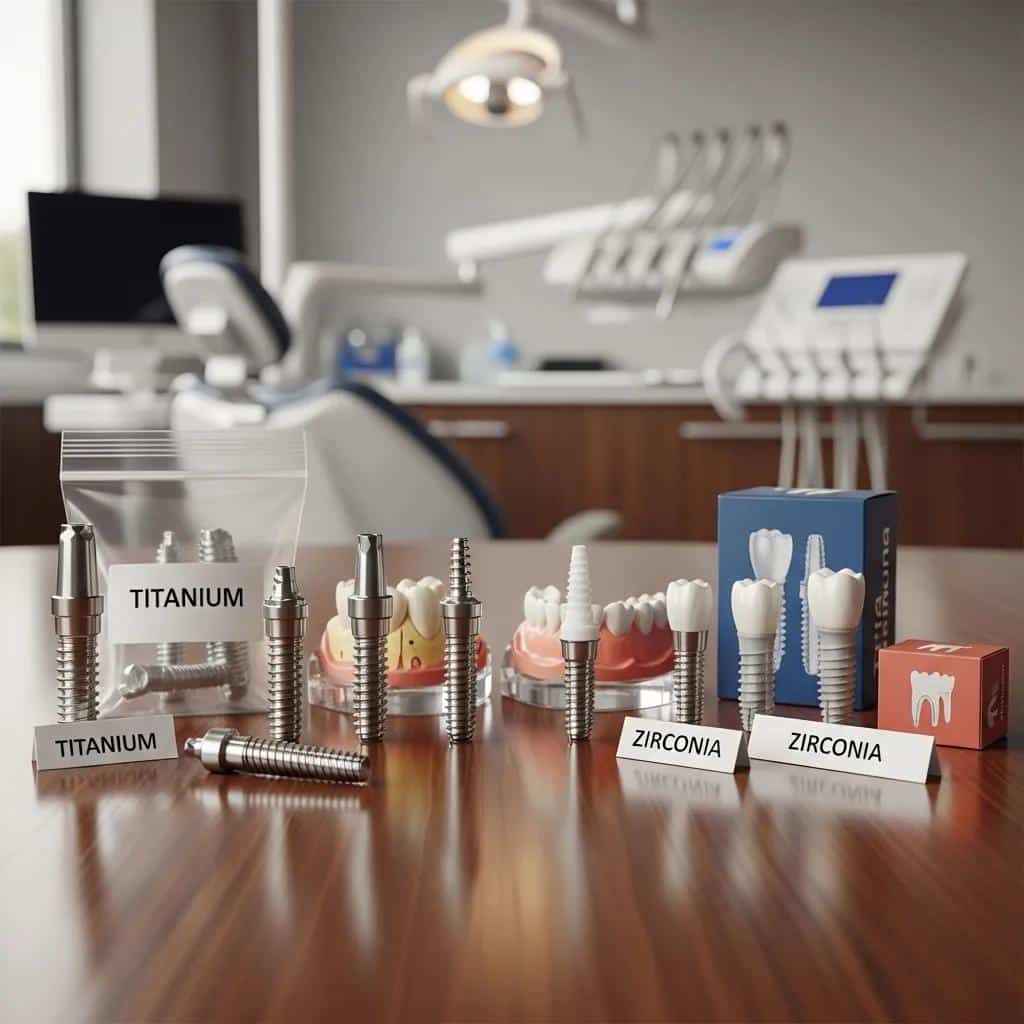
The type of implant material (e.g., titanium vs. zirconia) can affect pricing.
Higher quality materials may increase costs.
Location of the Clinic
Dental practices in urban areas may charge more due to higher overhead costs.
Geographic location can lead to price variations.
Complexity of the Procedure
Additional procedures, such as bone grafting or sinus lifts, can increase overall costs.
More complex cases require more resources and time.
Understanding these factors can help patients make informed decisions about their dental care and budget accordingly.
Further research underscores the significant financial considerations involved, noting that dental implant treatment is often a substantial private expense for patients.
Dental implant treatment is an effective treatment for missing teeth, but is only available via the NHS in some specific clinical circumstances. The majority of people who receive this treatment therefore pay privately, often at substantial cost to themselves. People are used to paying towards dental treatment costs. However, dental implant treatment is much more expensive than existing treatments – such as removable dentures. We know very little about how dentists make decisions about whether to offer such treatments, or what patients consider when deciding whether or not to pay for them.
Paying for treatments?
Influences on negotiating clinical need and decision-making for dental implant treatment, CE Exley, 2009
Which Financing Options Are Available for Affordable Dental Implants?
Finding affordable dental implants often involves exploring various financing options. Many dental clinics offer flexible payment plans to help patients manage the costs associated with implants. Here are some common financing options:
Insurance Coverage: Some dental insurance plans may cover a portion of the implant costs, so it’s essential to check with your provider.
Payment Plans: Many dental practices offer in-house financing or payment plans that allow patients to pay for their implants over time.
Credit Options: Third-party financing companies provide credit options specifically for dental procedures, allowing patients to spread out payments.
By exploring these options, patients can find a solution that fits their financial situation while still receiving the dental care they need.
How to Find Affordable Dental Implant Clinics Near Me?
Locating affordable dental implant clinics requires some research and consideration of various resources. Here are effective strategies to find the right clinic:
Using Online Resources: Websites that specialize in dental care can provide lists of local clinics, along with patient reviews and ratings.
Checking Local Listings: Local directories and community boards often feature dental practices that may offer competitive pricing.
Consulting with Dental Associations: Professional dental associations can provide referrals to reputable clinics that offer affordable services.
By utilizing these resources, patients can identify clinics that meet their needs and budget.
For those seeking affordable dental implants, Information Hub is a valuable resource that can help connect you with local dental clinics offering competitive pricing and financing options.
What Are the Steps Involved in the Dental Implant Procedure?
The dental implant procedure typically involves several key steps to ensure successful placement and integration.
Initial Consultation: The dentist evaluates the patient’s oral health and discusses treatment options.
Surgical Placement: The implant is surgically placed into the jawbone, requiring a healing period for osseointegration.
Abutment Placement: Once healed, an abutment is attached to the implant to support the crown.
Crown Placement: Finally, a custom-made crown is placed on the abutment, completing the restoration.
Each step is crucial for the overall success of the dental implant, and patients should follow their dentist’s recommendations throughout the process.
What Should Patients Expect During Dental Implant Recovery?
Recovery from dental implant surgery is an essential aspect of the overall treatment process. Patients can expect the following during their recovery:
Recovery Timeline: Initial healing typically takes 1-2 weeks, while complete integration may take several months.
Post-Operative Care: Patients should follow their dentist’s instructions regarding pain management, oral hygiene, and dietary restrictions.
Signs of Complications: It’s important to monitor for any signs of infection or complications, such as excessive swelling or pain, and to contact the dentist if these occur.
Effective management of post-operative pain is a critical aspect of the recovery process, despite the high success rates of dental implant placements.
Managing Pain in Dental Implant Procedures
Although dental implant placements have high success rates and a low incidence of morbidity, post-operative pain and complications with the healing process have been reported. There is little guidance available regarding optimal pre- and post-operative management of dental implant placement. This first paper discusses the mechanisms of pain associated with dental implant placement and offers guidance to clinicians on optimal pre- and post-operative pain management regimes.
Pre-and post-operative management of dental implant placement. Part 1: management of post-operative pain, 2014
Understanding the recovery process can help patients prepare for their dental implant journey and ensure a successful outcome.
If you’re in Tyler, Texas, and considering dental implants, our Tyler location offers comprehensive services to meet your needs.
To learn more or schedule a consultation, contact us today. We’re here to help you achieve a healthy and confident smile.