Comprehensive Dental Implant Aftercare Instructions: What You Need to Know for Successful Recovery and Long-Term Care
Dental implants are a popular solution for replacing missing teeth, offering a durable and natural-looking alternative. However, the success of dental implants heavily relies on proper aftercare. This comprehensive guide will provide you with essential dental implant aftercare instructions, ensuring a smooth recovery and long-term health of your implants. Many patients experience anxiety about the recovery process, but understanding the necessary steps can alleviate concerns and promote healing. In this article, we will cover essential aftercare instructions, the recovery timeline, signs of infection, dietary guidelines, long-term care practices, and how to schedule a free dental implant consultation in Dallas.
What Are the Essential Dental Implant Aftercare Instructions?
After receiving dental implants, following specific aftercare instructions is crucial for a successful recovery. Proper care can minimize discomfort, reduce the risk of complications, and promote healing. Key aftercare steps include managing pain and swelling, maintaining oral hygiene, and adhering to dietary recommendations.
How Should You Manage Pain and Swelling After Implant Surgery?
Managing pain and swelling is an essential part of the recovery process after implant surgery. Patients can use ice packs on the affected area for the first 24 to 48 hours to reduce swelling. Over-the-counter pain medications, such as ibuprofen or acetaminophen, can help alleviate discomfort. It’s important to follow the dosage instructions provided by your dentist and to contact them if pain persists or worsens after a few days.
What Are the Best Oral Hygiene Practices for Dental Implant Care?
Maintaining excellent oral hygiene is vital for the success of dental implants. Patients should gently brush their teeth, including the implant site, using a soft-bristled toothbrush. Additionally, using an antimicrobial mouthwash can help reduce bacteria in the mouth. Flossing around the implant is also essential, but patients should use a floss threader or special implant floss to avoid damaging the implant or surrounding gum tissue.
Emphasizing the importance of patient education, recent research highlights the unique considerations for cleaning dental implants compared to natural teeth.
Patient Education for Dental Implant Aftercare
As increasing number of dental implants are being placed in the general population, the need to develop a maintenance protocol that caters to the needs of the patients has become essential. Clearly, it is imperative that we educate our implant patients on how to clean their implant superstructures and abutments; however, as clinicians, we need to be cognizant of the fact that the pellicle that develops on titanium, either the implant surface itself or the implant abutment, differs from that which develops on enamel and cementum.
Implant Maintenance and Aftercare, 2024
What Is the Typical Dental Implant Recovery Timeline?
Understanding the recovery timeline can help patients manage their expectations and plan accordingly. The recovery process typically unfolds in stages, with significant healing occurring in the first few weeks.
What Happens During the First 24 to 72 Hours After Implant Placement?
In the first 24 to 72 hours after implant placement, patients may experience swelling, bruising, and discomfort. It’s crucial to rest and avoid strenuous activities during this period. Patients should also stick to a soft diet, avoiding hard or crunchy foods that could irritate the surgical site. Monitoring for any unusual symptoms, such as excessive bleeding or severe pain, is essential, and patients should contact their dentist if these occur.
How Does Healing Progress Over Weeks 1 to 6 and Beyond?
Healing progresses significantly over the first six weeks. During this time, osseointegration occurs, where the implant fuses with the jawbone. Patients will have follow-up appointments to monitor healing and ensure the implant is integrating properly. By the end of six weeks, many patients can resume normal activities, but they should continue to follow their dentist’s aftercare instructions.
How Can You Recognize and Respond to Signs of Dental Implant Infection?
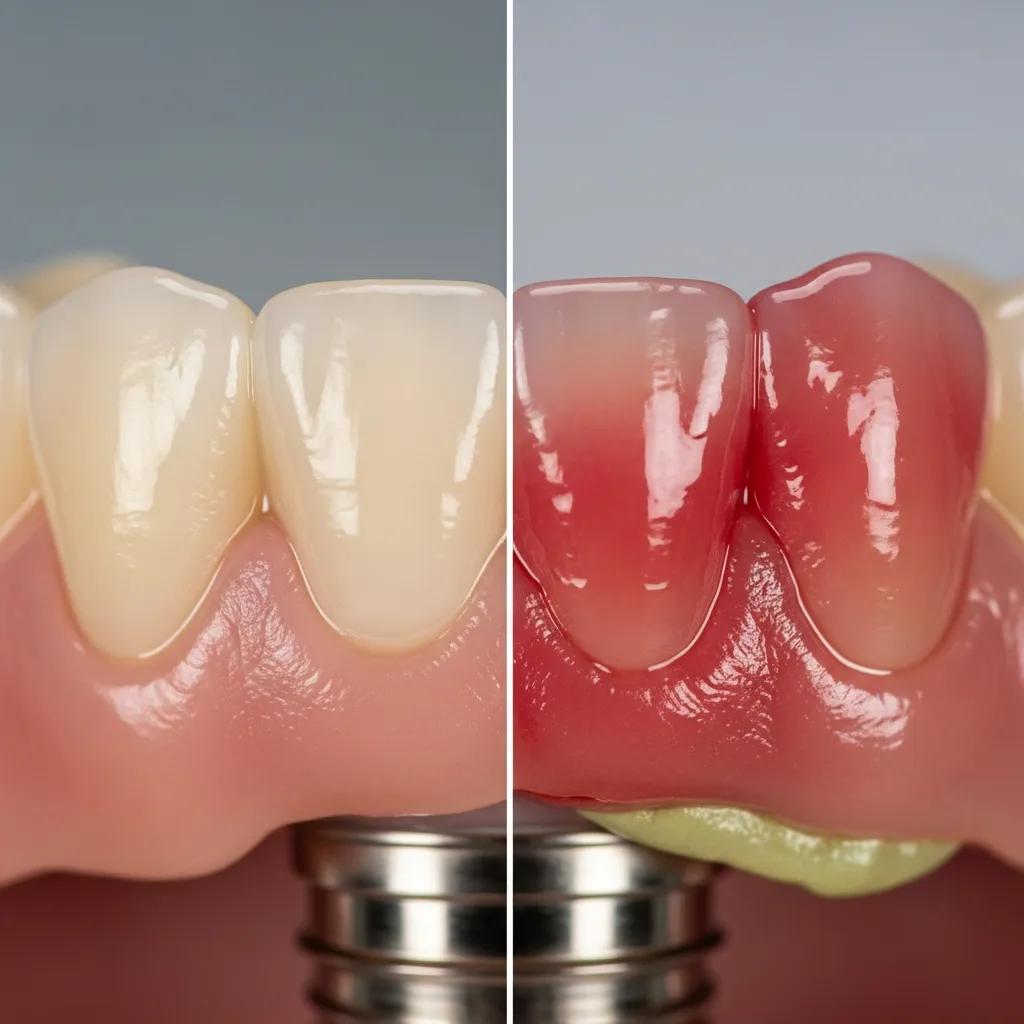
Recognizing the signs of infection early can prevent complications and ensure the longevity of your dental implants. Common symptoms include swelling, redness, and persistent pain around the implant site.
What Are Common Infection Symptoms to Watch For?
Patients should be vigilant for symptoms such as increased swelling, redness, fever, or pus discharge from the implant site. If any of these symptoms occur, it is crucial to contact your dentist immediately for evaluation and potential treatment.
When Should You Contact Your Dallas Dentist for Possible Complications?
Patients should reach out to their dentist if they experience severe pain, prolonged swelling, or any signs of infection. Timely intervention can prevent further complications and ensure the success of the dental implant.
What Are the Recommended Dietary Guidelines After Dental Implant Surgery?
Diet plays a significant role in the recovery process after dental implant surgery. Following specific dietary guidelines can help promote healing and prevent complications.
Which Soft Foods Are Safe to Eat During Recovery?
During the initial recovery phase, patients should focus on consuming soft foods that are easy to chew and swallow. Recommended options include yogurt, mashed potatoes, smoothies, scrambled eggs, and soups. These foods provide essential nutrients without putting stress on the healing implant.
What Foods and Habits Should Be Avoided to Protect Your Implant?
Certain foods and habits should be avoided to protect the implant during recovery. Hard or crunchy foods, such as nuts and chips, can damage the implant site. Additionally, sticky or chewy foods should be avoided as they can disturb the surgical area. Sugary snacks and beverages can promote bacterial growth, increasing the risk of infection. Smoking and alcohol consumption should also be avoided, as they can hinder the healing process.
How Do You Maintain Long-Term Dental Implant Health and Success?
Long-term care is essential for the health and success of dental implants. Patients should adopt specific practices to ensure their implants remain in optimal condition.
What Are the Best Practices for Ongoing Oral Hygiene and Implant Care?
Ongoing oral hygiene practices include regular brushing and flossing, as well as routine dental check-ups. Patients should use a non-abrasive toothpaste and consider using a water flosser to clean around the implant effectively. Regular visits to the dentist for professional cleanings and examinations are crucial for maintaining implant health.
Indeed, the long-term success of dental implants is heavily reliant on a combination of diligent home care and consistent professional maintenance, as recent studies confirm.
Routine maintenance visits and proper oral hygiene measures to maintain healthy soft tissue around dental implants are key to the longevity of the implant. Routine maintenance visits include the dental professionals’ obtaining and evaluating the clinical parameters and radiographs, as well as nonsurgical treatment to keep the peri-implant tissues stable and healthy. Patient compliance and knowledge in home care are also essential. Oral hygiene instructions with the use of different brushing techniques and a variety of instruments should be emphasized to ensure the long-term success of the implant and its restoration.
Proper Oral Hygiene Measures to Maintain Healthy Soft Tissues Around Dental Implants, 2024
How Can You Prevent Common Risks Like Peri-Implantitis and Implant Failure?
Preventing peri-implantitis and implant failure involves maintaining good oral hygiene and attending regular dental check-ups. Patients should also be aware of the signs of gum disease and seek treatment promptly if they notice any issues. Lifestyle factors, such as a balanced diet and avoiding tobacco, can also contribute to the long-term success of dental implants.
To effectively prevent complications like peri-implantitis, dental professionals emphasize the need for systematic supportive care and clear diagnostic protocols.
As implant treatment becomes part of mainstream dental therapy, dental offices should implement protocols for individualized, systematic and continuous supportive care of the peri-implant tissues. This review article suggests guidelines for maintenance care of dental implants. The clinical implant should be examined to evaluate the following: condition of the soft tissues, plaque index, clinical probing depth, bleeding on probing, suppuration. If clinical signs suggest peri-implantitis, radiography is advisable to confirm diagnosis. Treatment includes oral hygiene instructions and plaque/calculus removal.
Guidance for the maintenance care of dental implants: clinical review, 2012
How Can You Schedule a Free Dental Implant Consultation in Dallas?
If you’re considering dental implants or need guidance on aftercare, scheduling a consultation is a great first step.
What Does the Free Implant Consult Include at Affordable Dentist Near Me of Dallas?
At Affordable Dentist Near Me of Dallas, the free implant consultation includes an initial assessment of your dental health, a discussion of your options, and an overview of the costs involved. This consultation is an excellent opportunity to ask questions and understand the implant process better.
How to Book Your Appointment for Expert Dental Implant Aftercare Guidance?
To book your appointment, you can visit the Affordable Dentist Near Me of Dallas website or call their office directly. The staff will assist you in scheduling a convenient time for your consultation, ensuring you receive the expert guidance you need for your dental implant aftercare.