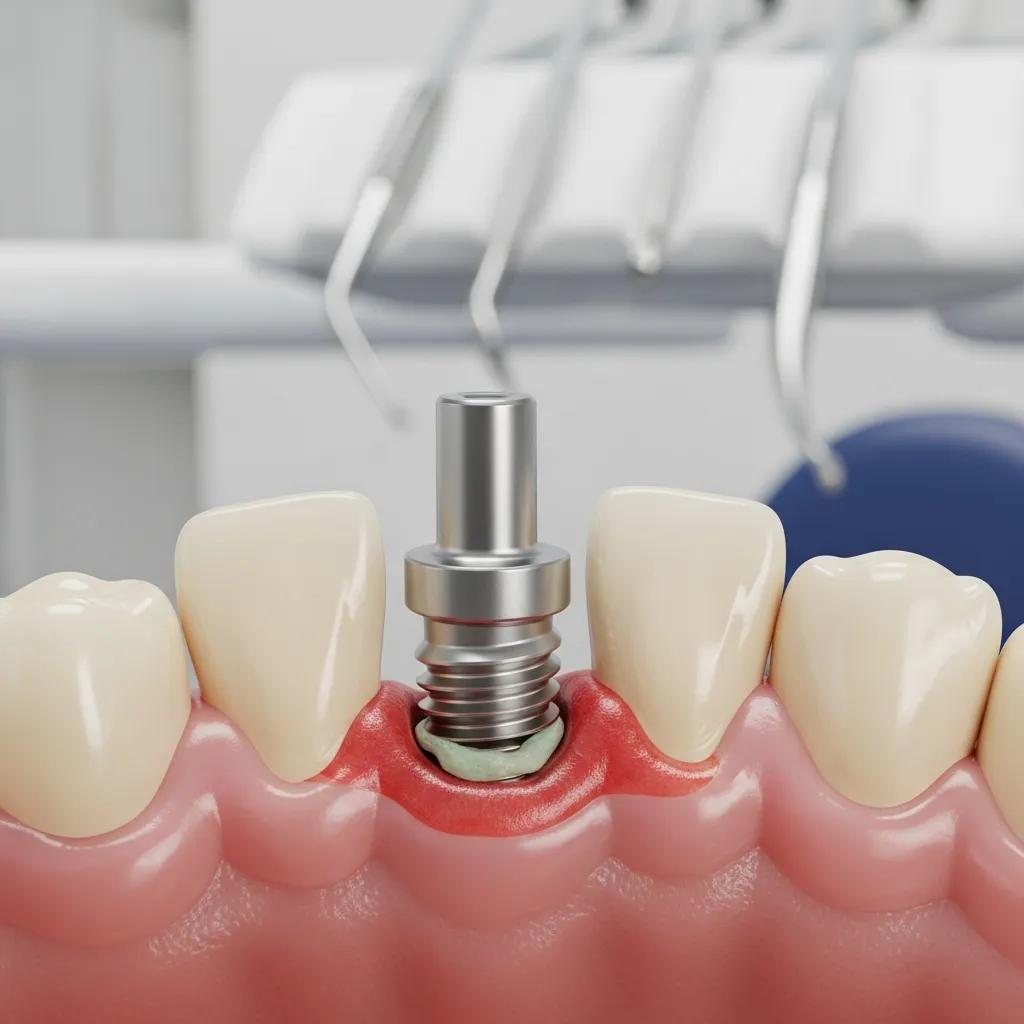
Why Dental Implants Fail — How to Prevent and Treat Problems
Dental implants are a reliable way to replace missing teeth, giving you strength and a natural look. Still, implants aren’t risk-free — and knowing what can go wrong helps you protect your investment. This guide explains the most common reasons implants fail, what warning signs to watch for, how to reduce risks, treatment options if problems occur, and why the right dental team matters. With clear steps and routine care, most complications are preventable.
Before treatment begins, we conduct a careful evaluation so the process matches your needs. That assessment usually covers your dental history, current oral health, and a clinical exam; we often use imaging to review bone volume and nearby anatomic features. A thoughtful plan includes timing for healing and may outline staged procedures (for example, grafting before implant placement) so you know what to expect at each visit.
What Are the Common Causes of Dental ImplantFailure?
Implant failures happen for a few predictable reasons. Understanding these makes it easier to prevent trouble and spot issues early. The main causes we see are poor osseointegration (the implant not bonding to bone), peri-implantitis (infection and inflammation around the implant), and avoidable surgical mistakes.
Research also points to a mix of local and systemic risk factors that can undermine long-term implant success.
These factors often interact: local problems such as thin bone or untreated periodontal disease can combine with systemic issues like impaired healing to raise the overall risk. That interaction is why individualized planning matters — a healthy, low-risk patient may need only routine maintenance, while someone with multiple risk factors may require staged surgery, closer follow-up, or adjunctive therapies to improve outcomes.
Risk Factors for Late Dental Implant Failure
A recent review examined the key factors linked to implants failing later on. It shows that both local issues (like poor bone around the implant) and broader health or lifestyle factors can break down the implant’s connection to the jaw over time.
Risk factors related to late failure of dental implant—
A systematic review of recent studies, HS Le, 2020
How Does Poor Osseointegration Lead to Implant Failure?
Osseointegration is when the implant becomes part of the jawbone. If that bond doesn’t form well, the implant won’t be stable. Low bone volume or poor bone quality are common culprits. Other things that slow or block healing—like smoking, uncontrolled diabetes, or certain medications—also raise the risk. That’s why we evaluate bonehealth and medical history before placing implants.
When osseointegration is in question, we rely on clinical checks and imaging to confirm stability. Sometimes a short observation period or additional grafting is the safest route rather than forcing restoration on an unstable implant. Discussing options and expected timelines before surgery helps set realistic expectations and reduces the chance of early failure.
What Role Does Peri-implantitis Play in Implant Complications?
Peri-implantitis is an inflammatory infection around an implant that can eat away bone if left untreated. You may notice redness, swelling, and bleeding around the gum line. People with poor oral hygiene or who smoke are at higher risk. Regular cleanings and daily care are the best defenses against this condition.
Practical home-care steps reduce bacterial buildup: use a soft-bristled brush around the implant, consider interdental brushes that fit the space, and use flossing aids or a water flosser where appropriate. Avoid aggressive scrubbing; gentle, consistent removal of plaque is what maintains healthy tissues around an implant.
What Are the Signs and Symptoms of Failing Dental Implants?
Spotting problems early gives you the best chance to save an implant. Be aware of warning signs and check in with your dentist if anything feels off.
If you notice persistent or worsening symptoms, take action quickly: keep the area clean, avoid chewing on that side, and call your dental office for an urgent appointment. Signs that need prompt evaluation include increasing pain, swelling that spreads, visible pus, sudden mobility of the restoration, or systemic symptoms such as fever. Early intervention often preserves bone and the implant.
How Can You Recognize Early Symptoms Like Pain and Swelling?
Early warning signs include ongoing pain, swelling, or tenderness around the implant. You might also feel more sensitivity or have trouble chewing on that side. These can signal infection or that the implant isn’t integrating properly — so don’t wait to get it checked.
What Are the Indicators of Advanced Implant Failure?
If a problem progresses, signs become clearer: noticeable gum recession, a loose implant, or pus draining from the site. In some cases you may feel unwell or run a fever, which suggests a serious infection. Early detection lets your dentist treat the issue before permanent damage occurs.
How Can You PreventDental Implant Failures Effectively?
Prevention combines good home care, healthy habits, and regular professional follow-up. These steps lower your chance of complications and help implants last for years.
What Oral Hygiene Practices Reduce the Risk of Peri-implantitis?
Regular Brushing: Brush twice daily with a soft brush and fluoride toothpaste to remove plaque around the implant.
Flossing: Floss every day to clear food and plaque from between teeth and the implant.
Antimicrobial Rinses: An antimicrobial mouthwash can reduce bacteria and protect the tissues around the implant.
Experts agree that preventing peri-implant disease starts with everyday hygiene and routine dental care.
Helpful daily routines include brushing in gentle circular motions at the gum line, using an interdental brush sized for the space around your implant, and gently flossing beneath bridges or around abutments with a threader. If you find any area difficult to clean, ask your hygienist to show technique and recommend specific tools that fit your restoration.
Primary Prevention of Peri-Implantitis in Oral Health
A consensus report stresses that preventing peri-implant inflammation should be part of standard oral care. Simple, consistent measures at home and in the dental office are key to keeping implant tissues healthy.
Primary prevention of peri‐implantitis: Managing peri‐implant mucositis, S Jepsen, 2015
How Do Lifestyle Factors Like Smoking and Diabetes Affect Implant Success?
Certain habits and health conditions make implant healing harder. Smoking slows blood flow and wound healing, increasing failurerisk. Uncontrolled diabetes can have similar effects by impairing healing and infection control. Quitting smoking and managing conditions like diabetes significantly improve the odds of a successful implant.
Addressing lifestyle factors is part of preoperative planning. Your dentist will discuss smoking cessation, medication review, and coordination with your medical providers when needed. These discussions help reduce avoidable risks and allow for safer, more predictable outcomes.
What Treatment Options Are Available for Dental ImplantComplications?
When problems occur, there are effective treatments ranging from conservative care to surgery, depending on severity.
How Are Peri-implantitis and Infections Treated?
Mild peri-implantitis is often treated non-surgically with professional cleaning and debridement to remove plaque and tartar. If the infection is more advanced, surgical cleaning, tissue repair, or bonegrafting may be needed. Antibiotics can help control infection while the area heals.
Non-surgical options include localized cleaning with specialized instruments, antiseptic rinses, and short courses of antibiotics when appropriate. Your dentist will monitor response to treatment and recommend more advanced measures if healing stalls. The goal is to control inflammation and preserve bone whenever possible.
Clinical studies compare different approaches to find the most reliable ways to resolve infection and limit tissue loss.
Efficacy of Peri-Implantitis Treatment Measures
Reviews show that while some adjunctive methods offer limited benefit for soft-tissue inflammation, certain reconstructive techniques can improve bone fill and reduce pocket depth. Treatment choice depends on the condition’s severity and the goals for tissue recovery.
Efficacy of alternative or adjunctive measures to conventional non-surgical and surgical treatment of peri-implant mucositis and peri-implantitis: A systematic review …, A Ramanauskaite, 2021
When Is Surgical Intervention or Implant Removal Necessary?
Surgery or implant removal is considered when infection or bone loss is severe and conservative care won’t stop progression. Removing a compromised implant may be the safest option to protect surrounding bone and tissue. Your dentist will evaluate the situation and recommend the least invasive, most predictable solution.
Reconstructive surgery aims to rebuild lost bone and soft tissue when possible; however, outcomes vary based on the amount of remaining bone and tissue health. When removal is required, a staged plan for site preservation and future replacement can help maintain options for a new implant later. Discuss recovery expectations, likely follow-up visits, and temporary tooth replacement during planning.
How Does Bone Quality and Surgical Technique Impact Implant Longevity?
Both the underlying bone and how the implant is placed are central to long-term success.
Why Is Adequate BoneDensity Critical for Implant Stability?
Good bone volume and density give the implant something solid to hold onto. If bone is thin or weak, the implant may move or fail. That’s why we use imaging to assess bone before surgery and recommend bonegrafting when needed to create a stable foundation.
Careful surgical technique — including precise positioning and minimizing trauma to surrounding tissues — supports healing. In many cases, using three-dimensional planning and guides improves placement accuracy and reduces the risk of mechanical overload or improper angulation that could compromise stability.
How Do Surgical Errors Contribute to Implant Failure?
Errors such as improper angulation, insufficient sterilization, or damage to nearby structures can undermine implant success. Choosing a skilled, experienced implant provider and following post-op instructions carefully helps minimize these risks.
What Are the Best Practices for Long-Term Dental Implant Aftercare?
Care after placement matters as much as the surgery itself. Long-term maintenance protects both the implant and your overall oral health.
How Often Should You Schedule Professional Check-Ups?
We recommend professional check-ups and cleanings at least twice a year. These visits let your dentist spot early changes, remove buildup that home care can’t reach, and catch problems before they worsen.
Your dentist or hygienist will tailor maintenance frequency to your risk profile. Patients with a history of gum disease, smoking, or other risk factors may be advised to return more often. During visits we evaluate soft tissue health, check for bleeding on probing, assess bone levels with imaging when indicated, and review home-care technique so problems are addressed early.
What Maintenance Routines Maximize Implant Lifespan?
Daily Oral Hygiene: Keep brushing and flossing as part of your routine.
Avoiding Hard Foods: Avoid very hard or sticky foods that could damage the implant or surrounding teeth.
Using a Night Guard: If you grind your teeth, a night guard can protect your implant from excessive forces.
In addition to daily care, regular professional maintenance may include removal of the restoration for thorough cleaning in certain cases, targeted scaling around implant surfaces with instruments safe for implants, and topical treatments to support tissue health. Follow your provider’s schedule and report any changes promptly.
How Does Patient Health Influence Dental Implant Success Rates?
Your overall health affects how well implants heal and last.
What Systemic Conditions Increase the Risk of Implant Failure?
Conditions such as uncontrolled diabetes, osteoporosis, and certain autoimmune diseases can reduce healing and bone quality, raising the risk of implant problems. It’s important to discuss your medical history so we can plan treatment safely.
How Can Managing Chronic Diseases Improve Outcomes?
Getting chronic conditions under control — for example, stabilizing blood sugar for diabetes — improves healing and lowers complicationrisk. We coordinate with your medical providers when needed to optimize outcomes before and after implant surgery.
Why Choose Affordable Dentist Near Me in Fort Worth for Implant Care?
Picking the right team makes a real difference in implant success and your comfort throughout treatment.
What Advantages Does Our Experienced Dental Team Offer?
At Affordable Dentist Near Me in Fort Worth, our team focuses on clear communication, modern implant techniques, and patient comfort. We combine experience with up-to-date technology to plan predictable, personalized care that fits your needs.
How Does Our Free Consultation Support Implant Health?
We provide a free consultation to review your options, evaluate bone and gum health, and answer your questions. That visit helps us build a treatment plan you understand and feel confident about.
Cause of Failure
Description
Prevention Strategy
Poor Osseointegration
Weak or incomplete bonding between implant and bone
Evaluate bone beforehand and use grafting when needed
Peri-implantitis
Infection and inflammation around the implant
Keep excellent oral hygiene and schedule regular cleanings
Surgical Errors
Placement, angulation, or sterilization problems
Choose an experienced implant dentist and follow post-op care
This table highlights the main causes of implant failure, a short description of each, and practical prevention tips. Knowing these helps you make informed choices about treatment and care.
With proper planning, everyday maintenance, and timely dental visits, implants are a long-lasting solution for missing teeth. Prioritize oral hygiene, manage health conditions, and work with a qualified provider to maximize your chances of success.
Frequently Asked Questions
What factors should I consider when choosing a dental implant provider?
Look for experience with implant cases, clear before-and-after examples, and patient reviews. Confirm the provider’s training in implant dentistry and ask about the technology they use. A good dentist listens to your concerns, explains options plainly, and gives a realistic treatment plan during a consultation.
How can I manage anxiety about getting dental implants?
Start by asking questions so you know what to expect. Many patients find breathing exercises or guided relaxation helpful before the appointment. If needed, ask your dentist about sedation options — from mild oral sedatives to IV sedation — to make the procedure more comfortable.
What should I expect during the dental implant procedure?
Most implant treatments begin with local anesthesia to keep you comfortable. The implant is placed in the jaw and left to heal while osseointegration occurs, which can take a few months. After healing, an abutment and crown are attached to complete the restoration. Your dentist will explain each step and aftercare instructions clearly.
Are there specific foods I should avoid after getting dental implants?
In the first days and weeks after surgery, avoid hard, crunchy, or sticky foods that might irritate the site. Choose soft, nutritious options like yogurt, soups, smoothies, and mashed vegetables. Follow your dentist’s instructions about when to resume your normal diet.
How can I tell if my dental implant is failing?
Watch for persistent pain, swelling, increasing sensitivity, gum recession, or a loose implant. Pus or discharge and systemic symptoms like fever indicate an infection and need immediate attention. Regular dental exams are the best way to catch problems early.
What role does bonegrafting play in dental implant success?
Bonegrafting creates a stronger foundation when natural bone is insufficient. By adding or rebuilding bone, grafts improve stability and the chance for successful osseointegration. If your jaw needs reinforcement, your dentist may recommend grafting before or during implant placement.
Conclusion
Knowing what causes implant failure and how to prevent it helps you protect your oral health and your investment. Prioritize good home care, attend regular dental check-ups, and choose a skilled provider to improve long-term results. Ready to learn more? Schedule a free consultation with our Fort Worth team and we’ll walk you through your options.