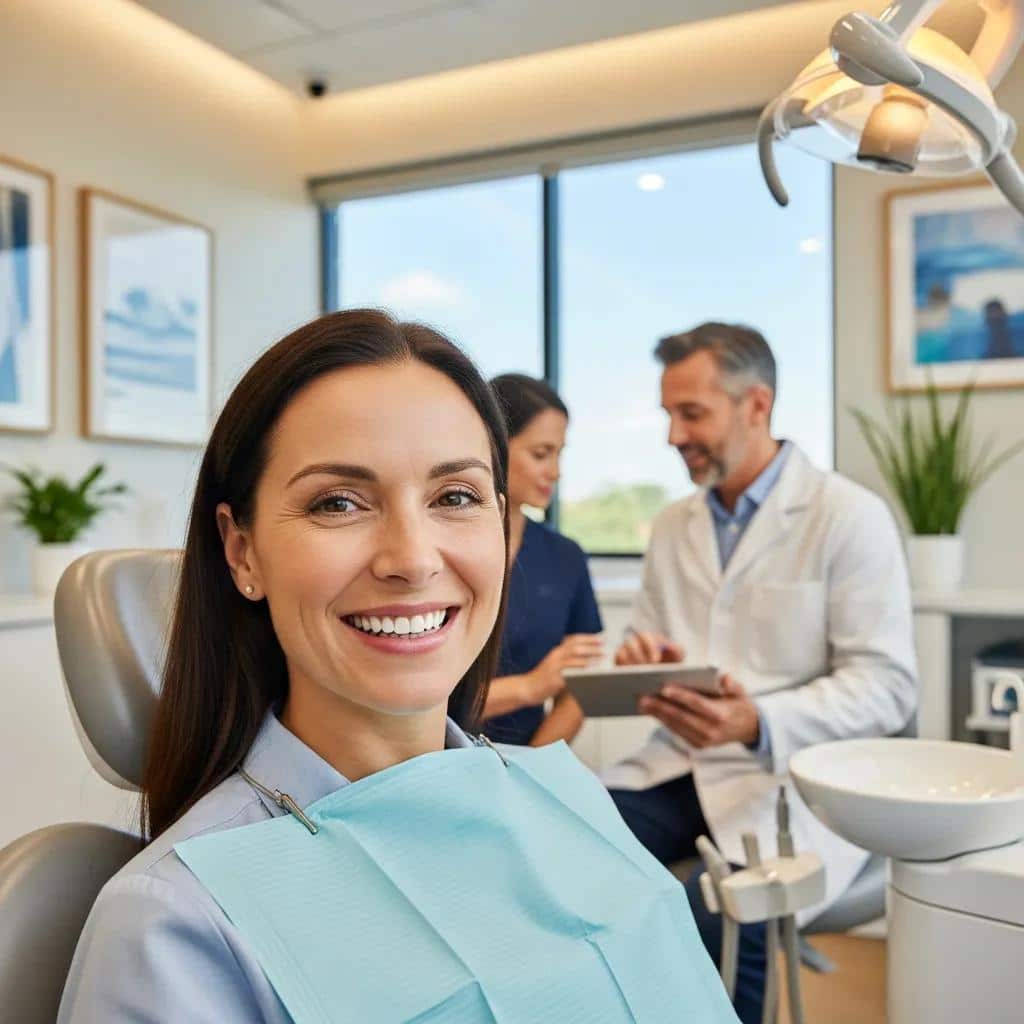
Faster Recovery with Dental Implants: Heal Sooner and Get Your Smile Back
Dental implants are a long-lasting, natural-looking way to replace missing teeth — but it’s normal to worry about recovery. Knowing how healing works and what speeds it up can make the whole process smoother and less stressful. Below we explain the recovery timeline, the advantages of quicker healing, and practical steps you can take so you feel better faster. We also cover how diet, daily habits, and simple aftercare affect recovery and confidence.
What Is the Dental ImplantRecovery Process and Timeline?
Healing after implant surgery happens in stages and is important for the implant to bond securely with your jaw. Right after the implant is placed, your body starts osseointegration — bone growing around the implant to lock it in. That process usually takes about 3 to 6 months, though individual health and case complexity can change the timeline.
How Does Osseointegration Support a Lasting Implant?
Osseointegration is when the jawbone fuses to the titanium implant, creating a stable foundation for chewing and daily use. This bone-to-implant connection is key to long-term success. Factors like bone quality, implant type, and the surgical technique all influence how well and how quickly osseointegration happens.
What Are the Stages of Healing After Dental ImplantSurgery?
The healing process usually follows a few clear stages:
Initial Healing: The first few days after surgery, when swelling and soreness are most common.
Osseointegration: The longer phase — often several weeks up to 6 months — when the bone bonds to the implant.
Final Restoration: After osseointegration, your dentist places the crown or prosthetic, finishing the restoration.
Knowing these stages helps set realistic expectations for recovery and final results.
What Are the Key Benefits of Accelerated Dental Implant Healing?
When healing goes smoothly and sooner than expected, patients notice clear perks.
Less discomfort: Faster healing usually means a shorter period of pain and swelling.
Back to your routine faster: You can return to work, social life, and favorite activities sooner.
Greater peace of mind: Quick recovery helps you feel more confident and satisfied with the outcome.
Next, we’ll explain how our Fort Worth team helps speed recovery safely and comfortably.
How Does Faster Recovery Reduce Discomfort and Pain?
A quicker recovery often comes from careful surgical technique and good pain control. Options like sedation dentistry and minimally invasive procedures limit trauma to tissues, which lowers pain and swelling after surgery. Clear aftercare instructions and the right medications also make a big difference in comfort.
When Can You Return to Normal Diet and Activities?
Many patients are able to resume most normal activities and diet within 1 to 2 weeks, depending on how they heal. Start with soft foods, then slowly reintroduce firmer items as the site heals. Light activity is usually fine soon after surgery, with full activity levels returning as your dentist advises.
How Does Affordable Dentist Near Me Fort Worth Facilitate Quick Recovery?
Affordable Dentist Near Me Fort Worth combines modern techniques and quality materials to make recovery as fast and comfortable as possible for implant patients.
What Advanced Techniques Enable Minimally Invasive Implant Surgery?
We use minimally invasive methods like guided implant placement to reduce large incisions and tissue trauma. These approaches help limit bleeding, swelling, and pain — and they can speed up healing so you get back to daily life sooner.
Clinical research supports that less invasive techniques often lead to faster recovery times.
Minimally Invasive Flapless Surgery for Faster Implant Recovery
This multicenter study reports outcomes from implant placements performed with a flapless, minimally invasive technique and evaluates recovery times. The findings suggest that when done carefully, flapless approaches can reduce post-op discomfort and accelerate early healing.
Minimally invasive flapless implant surgery: a prospective multicenter study, 2005
How Do High-Quality Titanium Implants Enhance Healing?
High-quality titanium implants are biocompatible, which means the body accepts them well and they integrate reliably with bone. Improvements in implant materials and surface treatments also help bone attach faster and more completely, improving stability and long-term performance.
Research shows that surface modifications and newer implant materials can speed up osseointegration and improve stability.
Accelerating Dental Implant Osseointegration with Surface Modification
Studies show that modifying the surface of titanium implants can promote faster and more complete bone-to-implant contact, which supports quicker osseointegration and greater early stability.
Success rate, healing time, and implant stability of photofunctionalized dental implants., A Funato, 2013
What Post-Operative Care Tips Maximize Your Dental ImplantRecovery?
Good aftercare is one of the most reliable ways to speed healing and avoid problems.
Follow post-op instructions: Stick to the guidance your dentist gives to reduce complications.
Keep the area clean: Gentle oral care prevents infection and supports faster healing.
Control pain and swelling: Use prescribed meds and home remedies like cold packs as directed.
Why Is Following Post-Op Instructions Crucial?
Post-op rules are designed to prevent infection, promote osseointegration, and reduce the chance of implant failure. Take medicines as prescribed, keep follow-up appointments, and contact your dental team if anything unusual occurs.
How Does Maintaining Oral Hygiene Support Healing?
Careful oral hygiene keeps bacteria away from the surgical site. Use a soft toothbrush, follow any rinsing instructions, and avoid vigorous swishing early on. These simple steps lower infection risk and help the tissue heal more quickly.
How Can Nutrition and Lifestyle Impact Your Implant Healing Speed?
Your food choices and daily habits matter for recovery.
Balanced diet: Vitamins, minerals, and protein help tissues repair.
Stress management: Lowering stress helps your body focus on recovery.
Which Soft Foods and Nutrients Promote Faster Recovery?
Early on, choose soft, nourishing foods like yogurt, smoothies, soups, and mashed vegetables. Nutrients such as vitamin C, zinc, protein, and adequate vitamin D support tissue repair and immune function.
Research also indicates that vitamin D levels can influence implant integration and success.
Vitamin D’s Impact on Dental Implant Osseointegration
A systematic review examined how vitamin D status affects osseointegration and clinical outcomes for dental implants. The review highlights that adequate vitamin D may support better bone healing and implant success.
Impact of vitamin D on osseointegration in dental implants: a systematic review of human studies, BLR Buzatu, 2024
Why Are Rest and Stress Management Important During Recovery?
Rest gives your body the energy it needs to rebuild tissue. Reducing stress through relaxation, gentle stretching, or short walks can also support immune function and healing.
What Are Common Patient Concerns About Dental ImplantRecovery?
It’s normal to have questions about timelines and pain after implants. We hear these concerns often and address them carefully during consultation and aftercare.
Healing timelines: Patients want to know how long recovery will take.
Pain expectations: Knowing what to expect helps reduce anxiety.
How Long Does Full Dental Implant Healing Take?
Full healing, driven by osseointegration, can take several months. Most people see noticeable improvement within a few weeks, but complete integration commonly takes 3 to 6 months.
What Pain and Swelling Should You Expect After Surgery?
Soreness and swelling are common and usually peak around days 2–3 after surgery. Pain is typically manageable with prescribed medications and home care like ice packs. Contact us if pain is severe or gets worse instead of better.
How Does a Quick Recovery Improve Your Quality of Life and Confidence?
Healing quickly not only reduces discomfort — it helps you get back to enjoying meals, conversations, and smiling without worry.
Mental benefits: Faster healing often brings a boost in self-esteem and less anxiety about appearance.
Improved function: You regain chewing and speech abilities sooner, which improves daily life.
What Psychological Benefits Come from Faster Healing?
Getting back to normal routines and social activities quickly helps many patients feel more confident and comfortable in their daily lives. That confidence is a major part of feeling satisfied with your treatment.
How Soon Can You Enjoy Enhanced Oral Function and Aesthetics?
As swelling goes down and the implant integrates, most patients notice better function and appearance within a few weeks. That early return to normalcy is one of the biggest advantages of a smooth recovery.
Where Can You Schedule a Free Dental Implant Consultation in Fort Worth?
If you’re thinking about implants, a consult is the first step toward a confident, healthy smile.
How to Book Your Free Consult at Affordable Dentist Near Me?
Booking a free consultation is easy. Call our Fort Worth office or use the online link to schedule an appointment. We’ll walk you through options and answer your questions so you feel comfortable with the plan.
What to Expect During Your Initial Dental Implant Consultation?
At your first visit, our team will review your dentalhealth, listen to your goals, and outline the steps for implant treatment. We’ll explain timelines, costs, and what to expect during recovery so you can make an informed choice.
Frequently Asked Questions
What Factors Can Influence the Success of Dental Implants?
Implant success depends on overall health, bone quality and quantity, and following post-op instructions. Conditions like uncontrolled diabetes, smoking, and poor oral hygiene can make healing harder. The skill and experience of your dental team also matter for correct placement and long-term results.
Are There Any Risks Associated with Dental ImplantSurgery?
As with any surgery, implants carry some risks. These can include infection, nerve irritation, sinus complications, or implant failure if osseointegration doesn’t occur. Choosing a qualified provider and following pre- and post-op guidance reduces those risks significantly. Talk with your dentist about any concerns before treatment.
How Can I Manage Pain After Dental ImplantSurgery?
Pain control is important for comfort. We typically prescribe or recommend medications to manage pain and suggest ice packs to limit swelling in the first 48–72 hours. Follow your dentist’s instructions closely and avoid activities that might strain the surgical site. If pain worsens or doesn’t improve, contact our office right away.
What Should I Avoid After Getting Dental Implants?
To support healing, avoid smoking, which impairs blood flow and increases complications. Stay away from hard, crunchy, or sticky foods during early recovery, and skip strenuous exercise for a few days. Following these precautions helps protect the implant site and speeds recovery.
How Often Should I Follow Up with My Dentist After Implant Surgery?
Follow-up care is essential. Patients usually have a check within a week of surgery, with additional visits scheduled over the following weeks and months as needed. These appointments let your dentist confirm healing is on track and address any issues early.
Can I Get Dental Implants if I Have Gum Disease?
Gum disease doesn’t automatically rule out implants, but it must be treated first. Healthy gums and bone are essential to support an implant. Your dentist will evaluate and treat any gum disease before planning implant placement to give you the best chance of success.
Conclusion
Faster, smoother recovery after dental implantsurgery brings real benefits: less discomfort, a quicker return to daily life, and greater confidence in your smile. By understanding the healing process and following proven aftercare, you can improve your chances for a strong, long-lasting result. Ready to learn more? Schedule a free consultation with our Fort Worth team and let us help you take the next step toward a healthier, more confident smile.