Your shifting teeth are telling you something about bone loss in Lancaster — and that message deserves your full attention. Most people assume shifting teeth are just a cosmetic annoyance. In reality, they often signal something much more serious happening beneath the gumline. When your jawbone loses density, it stops holding your teeth firmly in place. That movement you notice? It is your body sending an urgent warning.
Many Lancaster residents live with these signs for months or even years. They adapt to discomfort and assume it will pass. Unfortunately, bone loss does not reverse on its own. The longer you wait, the fewer treatment options remain available to you.
Why Your Shifting Teeth Are a Warning Sign of Bone Loss in Lancaster
Teeth do not shift without a reason. When a tooth is lost or severely damaged, the jawbone beneath it no longer receives stimulation. Without that daily pressure from chewing and biting, the bone begins to deteriorate. Dentists call this process resorption.
Bone resorption happens faster than most people expect. Studies show that nearly 25% of jawbone width can be lost within the first year after tooth loss. Your remaining teeth then have less support around them. They begin to tilt, drift, and rotate into empty spaces.
You might notice gaps forming between teeth that were once close together. Your bite may feel uneven or uncomfortable. These are not small problems. They are clear indicators that bone loss is already underway and progressing.
Warning Signs You Have Already Waited Too Long
Some signs are subtle at first. Others become impossible to ignore. Recognizing them early gives you more treatment choices. Here are the key warning signs our dental team sees most often in Lancaster patients:
- Visibly shifting or tilting teeth — especially near a gap from a missing tooth
- Difficulty chewing — foods that were once easy now cause pain or discomfort
- A sunken or aged facial appearance — bone loss changes the structure of your face over time
- Loose teeth — teeth that feel unstable even without injury
- Chronic gum soreness or recession — gums pulling away from teeth is a serious indicator
- Dentures that no longer fit — ill-fitting dentures often mean the jawbone has continued to shrink
If you recognize two or more of these signs, bone loss is likely already affecting your oral health. Acting now preserves more of your natural bone structure and opens more treatment pathways.
How Difficulty Chewing Connects to Bone Loss
Chewing problems are often the first functional sign that something is wrong. People begin avoiding hard foods like raw vegetables, nuts, and tough meats. They shift chewing to one side of the mouth to compensate. This pattern actually accelerates bone loss on the neglected side.
The connection is direct. Chewing creates pressure that signals the body to maintain bone density in the jaw. When you stop using part of your jaw, that signal disappears. Bone loss accelerates in the unused area. Over time, this creates an uneven jaw structure that makes treatment more complex.
Many patients tell our dental team they simply thought their diet was the problem. They switched to softer foods and considered it solved. In reality, they were masking a symptom while the underlying bone loss continued unchecked.
What Dental Implants Do That Other Options Cannot
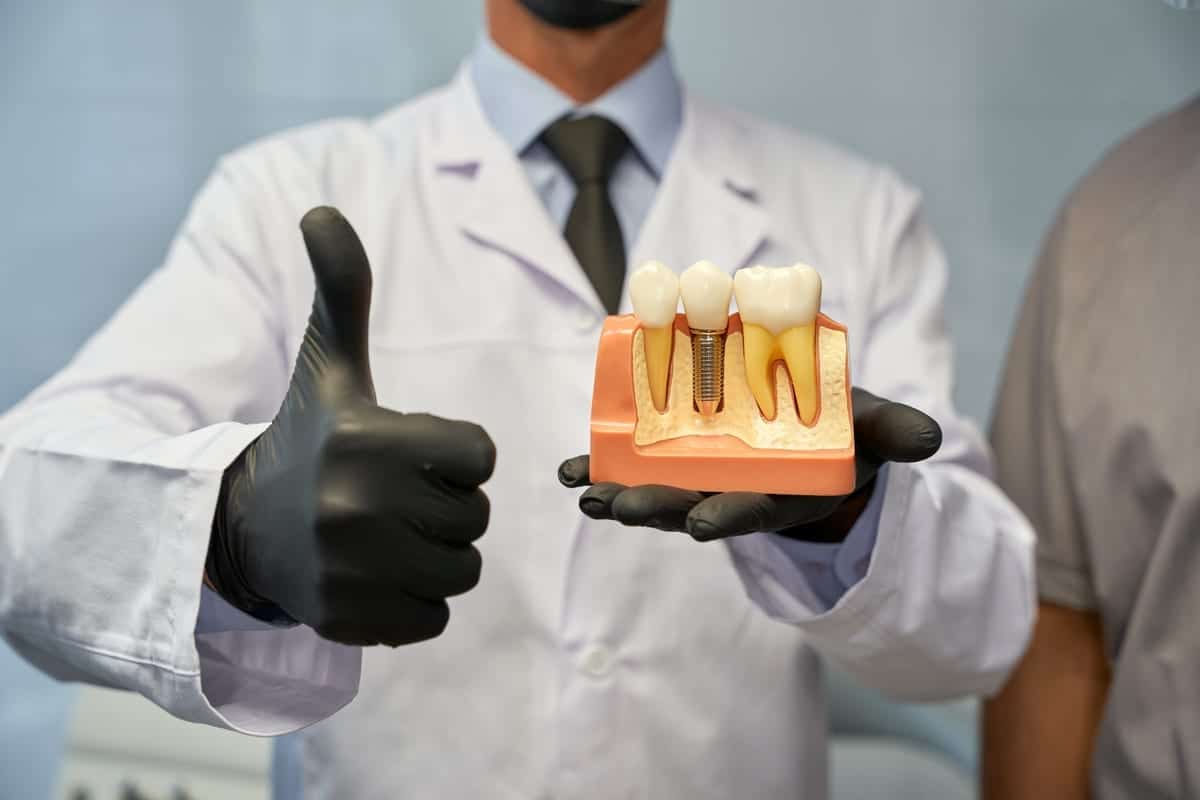
Dental implants are the only tooth replacement option that directly addresses bone loss. A titanium post is placed into the jawbone, mimicking the root of a natural tooth. This post provides the stimulation your bone needs to maintain its density and structure.
Other options like bridges or traditional dentures sit on top of the gumline. They restore the appearance of teeth but provide no signal to the underlying bone. Bone loss continues beneath them regardless. Implants interrupt that process at the source.
Here is what makes implants the preferred long-term solution for Lancaster patients dealing with bone loss:
- Bone preservation — implants stimulate the jaw just like natural tooth roots
- Stability — implants do not shift, slip, or require adhesives
- Longevity — with proper care, implants can last decades
- Natural feel — patients chew, speak, and smile with full confidence
- Facial structure support — implants help maintain the shape of your face over time
If you are concerned about the cost of implants, our team can walk you through Dental Financing options designed to make treatment accessible for Lancaster families.
When Bone Loss Makes Treatment More Urgent — Not Less
One common misconception is that significant bone loss means implants are no longer possible. In many cases, the opposite mindset applies — the urgency increases, not the impossibility. Bone grafting procedures can restore lost bone and create a foundation for implants. However, grafting is more involved and extends treatment timelines.
Acting sooner means less bone to restore and a simpler overall process. Waiting longer can eventually reduce the jawbone to a point where treatment becomes significantly more complex. Early intervention almost always leads to better outcomes and shorter recovery periods.
We also understand that fear keeps many people from seeking help. Dental Anxiety is real and very common among patients who have avoided the dentist for extended periods. Our team in Lancaster takes a gentle, judgment-free approach to every appointment.
What to Expect When You Come In
Your first visit at Affordable Dentist Near Me of Lancaster begins with a thorough evaluation. Our dental team uses digital imaging to assess your current bone density and tooth positions. This gives us a complete picture of how much bone loss has occurred and where.
From there, we create a personalized plan that matches your current situation and long-term goals. We explain every step clearly so you know exactly what to expect. No surprises, no pressure — just honest guidance from a team that genuinely cares about your outcome.
If implants are recommended, we will discuss all phases of treatment including any preparatory steps like bone grafting. Our goal is to help you understand your options so you can make a confident, informed decision about your care.
Conclusion: Do Not Wait for the Warning Signs to Get Louder
Your shifting teeth are already speaking. Bone loss in Lancaster is a progressive condition — it does not pause while you decide what to do. Every month of delay narrows your options and deepens the challenge. The good news is that today is always the right time to take the first step. Book Now to schedule your appointment with our team.
Frequently Asked Questions
Can bone loss in the jaw be reversed without surgery?
Bone loss itself cannot be reversed without intervention. However, bone grafting procedures can restore lost bone volume and create a healthy foundation for dental implants. The sooner you seek evaluation, the more straightforward the grafting process tends to be.
How quickly does bone loss progress after tooth loss?
Bone resorption begins almost immediately after a tooth is lost. Research shows that up to 25% of jawbone width can be lost within the first year. The rate slows over time but does not stop unless stimulation is restored through an implant or other intervention.
Are dental implants an option if I already have significant bone loss?
In many cases, yes. Bone grafting can rebuild areas of significant loss and prepare the jaw for implants. Your specific candidacy depends on the extent of the bone loss, your overall health, and other individual factors our dental team will evaluate during your consultation.
Why are my teeth shifting even though I have not lost any teeth?
Teeth can shift due to gum disease, bone loss from untreated infections, or the natural effects of aging on bone density. Even without visible tooth loss, the supporting structures around your teeth may be deteriorating. A dental evaluation will identify the underlying cause.
Is it normal to feel nervous about getting a dental implant?
Completely normal. Many patients feel anxious about implant procedures, especially if they have avoided dental care for a long time. Our Lancaster team uses gentle techniques and clear communication to help patients feel comfortable and in control throughout every step of their treatment.