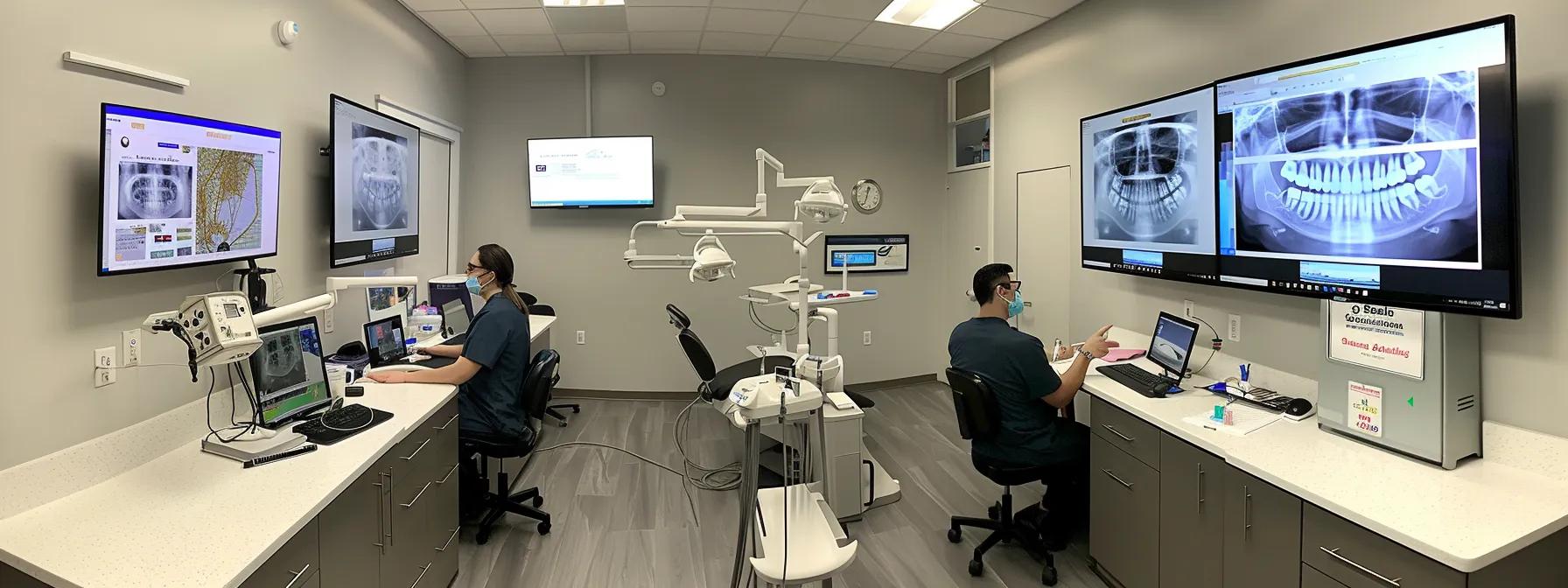
Extracting a tooth is sometimes considered a treatment option when the tooth’s pulp becomes badly infected or damaged. Many dental patients wonder if removing a tooth can help heal the pulp, or if it simply removes the problem altogether. This article explores what the pulp is, the damage it sustains, and explains how extraction works to remove the source of persistent infection. By understanding the relationship between pulp health and extraction, patients can make informed decisions when they face severe dental pain or complications. The article discusses different conditions of pulpitis, the reasons for extraction, the extraction procedure itself, and what to expect during healing and recovery. With detailed explanations and clear examples, it is designed to be accessible to patients in their 40s to 60s who are considering their treatment options. It also provides insight into alternatives to tooth extraction, and why sometimes extraction is the best approach to ensure overall dental health.
Key Takeaways
Tooth pulp damage can lead to severe pain and infection, requiring prompt treatment.
In some cases, extracting the tooth helps remove the source of pulp infection instead of trying to repair the damaged pulp.
The process of extraction, healing, and recovery is explained in detail, along with alternative treatments like root canal therapy.
Understanding these concepts helps dental patients make informed decisions, especially in advanced cases.
Understanding Tooth Pulp and Its Ailments
What Is the Dental Pulp and Its Function?
The dental pulp is the soft, living tissue inside a tooth that contains nerves, blood vessels, and connective tissue. It plays a major role in the tooth’s health by supplying nutrients and sensory functions. The pulp helps in forming dentin, the hard tissue beneath the enamel, and is vital during the growth of a tooth. Its healthy state ensures the tooth can respond to stimuli such as hot or cold, alerting the body to potential issues.
In dental public health, maintaining the integrity of the pulp is essential to avoid painful conditions. For instance, if bacteria invade the pulp through a cavity, the ensuing infection can cause toothache and swelling. The pulp also serves as a clue for dentists to identify whether a tooth can be saved with treatments like root canal therapy or whether the damage has progressed too far. Research from systematic reviews and clinical trials has shown that preserving the pulp whenever possible can improve long-term outcomes and reduce the risk of further dental complications.
Common Causes of Pulp Damage and Inflammation
Pulp damage can occur due to untreated tooth decay, deep cavities, repeated dental procedures, traumatic injuries, and sometimes even aggressive brushing. When bacteria from decay infiltrate the pulp, the body’s immune system responds with inflammation, causing intense pain and sensitivity. Alcohol and acidic drinks may also contribute to pulp inflammation by eroding the tooth surface, which indirectly weakens the pulp’s defenses.
Poor dental public health, such as inadequate oral hygiene and infrequent dental checkups, increases the risk of pulp damage. Additionally, systemic conditions like diabetes can influence the severity of pulp inflammation due to compromised immune responses. The pathway from decay to pulp inflammation explains why dentists stress the importance of early intervention to prevent the need for more drastic procedures, such as tooth extraction.
Recognizing Symptoms of an Affected Tooth Pulp
When the dental pulp is damaged or infected, symptoms include severe tooth pain, sensitivity to hot or cold, swelling of the face or cheek, and sometimes fever. The pain is often persistent and may worsen at night. Patients might also experience a bad taste in the mouth due to pus from infected pulp tissue. Recognizing these symptoms early is essential to avoid complications such as abscess formation or even tooth loss.
Observing the local signs of infection helps dental professionals decide whether conservative treatments, like pulp capping or pulpotomy, are appropriate. In contrast, irreversible pulpitis, where the damage cannot be reversed, might require complete removal of the pulp tissue through extraction or root canal treatment. Each symptom indicates a different stage of pulp distress, and understanding them can help patients seek timely dental care.
Differentiating Between Reversible and Irreversible Pulpitis
Reversible pulpitis is a mild inflammation of the pulp that can heal if the cause, usually a small cavity or minor trauma, is treated early. In this state, the tooth exhibits temporary sensitivity that resolves when the stimulus is removed. On the other hand, irreversible pulpitis is a severe condition where the pulp’s damage is permanent. The pain associated with irreversible pulpitis is continuous, intense, and does not improve over time, signifying that the pulp is beyond repair.
Differentiating between these conditions is key for treatment decisions. While reversible pulpitis may be managed with fillings and improved oral hygiene, irreversible pulpitis often requires more invasive procedures because the pulp tissue cannot recover. Studies from clinical trials suggest that when irreversible pulp inflammation is identified early with tools such as local anesthetic tests and radiographs, dentists can improve patient outcomes by offering suitable treatment options like extraction or a carefully executed root canal therapy.
How Tooth Extraction Addresses Irreparable Pulp Damage
The Rationale Behind Removing a Tooth for Pulp Issues
When the pulp is irreversibly damaged, the body’s natural healing cannot restore it, and the infection may spread to surrounding tissues. Removing the tooth through extraction eliminates the infected pulp and stops the progression of the infection. This approach is sometimes preferred over root canal therapy, especially in teeth that are structurally compromised or have extensive decay.
Dental treatment choices depend on various factors, including the extent of decay, the tooth’s functional importance, and the patient’s overall oral health. Extraction is often chosen when conservative treatment options have failed. In many cases, a systematic review published in the Cochrane Database showed that extraction, though more drastic, prevents further complications like abscess formation, which can affect the jaw and even the maxillary sinus in some cases. Removing the tooth eliminates all infected tissue, reducing the risk of recurrent pain or spread of bacteria through the bloodstream.
Tooth Extraction Eliminates the Source of Pulp Infection
Extracting a tooth essentially removes the primary source of bacterial invasion and inflammation. Once the tooth is removed, the infected pulp is taken out along with it. This not only resolves the pain but also allows the surrounding tissues to begin healing. Dental surgeons, using tools like forceps and local anesthetic, perform extractions with high levels of precision to protect the neighboring teeth and soft tissues.
Removing the infected tissue allows the immune system to effectively target any residual bacteria. Furthermore, by getting rid of a structurally compromised tooth, the risk of developing conditions such as alveolar osteitis (dry socket) is significantly reduced when proper post-operative care is followed. The benefits of extraction have been supported by numerous clinical trials and systematic reviews that emphasize extraction as a reliable method for controlling severe dental infections.
Understanding That Extraction Removes, Not Repairs, the Pulp
It is important to understand that tooth extraction does not repair the pulp; it removes the damaged pulp along with the entire tooth. While therapies like root canal treatments attempt to save a tooth by cleaning and sealing the infected pulp chamber, extraction is chosen when the pulp is too severely compromised to be saved. This is a critical decision point in dental therapy, and dental public health guidelines support extraction in cases where the risk of spreading the infection outweighs the benefits of preserving a non-functional tooth.
The removal of the tooth is simply a way to ensure that the body no longer has to contend with persistent bacterial challenges. It is comparable to cutting out a diseased part of the body—once the source of infection is removed, the body starts its healing process. The decision also takes into account the potential for bacterial spread, especially in cases where advanced pulpitis might lead to systemic issues. This explanation is supported by clinical trials that quantify healing outcomes following extraction in severe pulp cases.
The Body’s Healing Process After a Tooth Extraction
Following a tooth extraction, the body initiates a complex healing process that involves blood clot formation, tissue regeneration, and bone remodeling. Initially, a blood clot forms in the socket, which is essential for protecting the exposed bone and nerves. This clot acts as a scaffold for new tissue to grow, ensuring that the extraction site heals properly.
During the healing phase, the jaw’s alveolar process gradually fills in with new bone tissue. Good oral hygiene and controlled use of mouthwash help maintain a clean environment to speed up healing. In cases where there is significant inflammation or risk of infection, the use of anti-inflammatory medications such as ibuprofen and paracetamol is recommended. Evidence from systematic reviews indicates that patients who adhere to proper aftercare instructions, including the avoidance of smoking and strenuous activities, experience fewer complications and faster recovery times.
When Is Tooth Extraction the Necessary Path for Pulp Problems?
Severe Pulp Infection Unresponsive to Other Treatments
Tooth extraction becomes necessary when the pulp infection is severe and does not respond to conservative treatments like antibiotics or root canal therapy. When dental pain intensifies and the infection spreads to the surrounding areas, the only viable solution may be to extract the tooth. In such cases, the risk of further complications, such as a spreading abscess or systemic infection, justifies the removal procedure.
When the pulp infection persists despite treatment, dental surgeons recommend extraction as a method to quickly eliminate the source of the infection. Research indicates that delaying extraction in cases of severe infections can lead to increased inflammation and even complications in adjacent soft tissues, including the jaw and cheek areas. This makes timely extraction essential for maintaining overall dental health and preventing more serious systemic issues.
Extensive Tooth Decay Compromising Pulp Health
When a tooth has been severely decayed, the structure becomes so compromised that any attempt to repair the pulp would be insufficient. In these instances, the pulp is so badly damaged that no restorative treatment can restore its function. Extensive decay not only destroys the enamel and dentin but also allows bacteria to invade the pulp chamber, making extraction the most practical option.
X-rays and clinical examinations often reveal whether the decay has reached a point of no return. Studies have shown that teeth suffering from deep caries and subsequent pulp involvement have a lower success rate with conservative treatments. In such scenarios, removing the tooth can prevent further complications, such as the spread of infection to nearby teeth and tissues. Patients are advised to discuss the condition with their Mansfield dentist, who can provide guidance based on the severity of decay and overall dental health.
Significant Tooth Trauma Affecting the Pulp
Trauma to a tooth, whether from an accident or a sports injury, can cause the pulp to become necrotic or irreparably damaged. When the pulp is crushed or severely injured, the healing potential is minimal, and the risk of infection increases dramatically. Dental surgeons might recommend extraction as the safest option if the tooth is brittle or unstable following trauma.
This approach ensures that the damaged pulp does not serve as a long-term source of bacterial growth. The removal of a traumatically injured tooth allows the surrounding tissues to heal without the interference of ongoing infection or inflammation. Many patients who have experienced significant trauma report a reduction in pain and an improved quality of life after extraction and subsequent restoration with dental implants or dentures. This option also minimizes the risk of complications such as abscess formation, which could further complicate recovery.
Considering Tooth Extraction in Mansfield for Advanced Pulp Cases
Patients in Mansfield and similar communities often face advanced cases of pulp complications due to delayed treatment or inadequate prior dental care. In these cases, extraction can be particularly beneficial, as it removes the severely damaged tooth and alleviates persistent pain. Local Mansfield dentists are well-equipped to assess whether extraction is necessary by evaluating clinical symptoms and radiographic evidence.
When conventional methods fail, tooth extraction becomes the preferred treatment, ensuring that the infection does not compromise adjacent teeth or lead to further health issues. The decision is based on a comprehensive evaluation that takes into account the patient’s overall dental public health, including the risk of bacterial spread. Local dental practices often offer free consultations to discuss the best treatment options for advanced pulp complications, emphasizing patient education and optimal outcomes.
Failed Root Canal Treatment Leading to Extraction
Sometimes, despite attempts at root canal therapy, the treatment fails due to complex root anatomy or persistent infection. When root canal treatments are unsuccessful, the pulp remains infected even after the procedure, leading to repeated pain and discomfort. In these cases, extraction may be recommended as the final step to resolve the issue permanently.
A failed root canal is often indicated by continued symptoms like severe pain, swelling, or the presence of a draining sinus tract. Clinical studies have shown that repeated failures in root canal treatments increase the risk of contiguous tissue infections and further complications in the alveolar process. Extraction eliminates this cycle of infection by completely removing the source of pain, allowing the body to heal properly. Patients should consult with their Mansfield dentist to explore all options, including the possibility of extraction if root canal therapy no longer offers relief.
The Tooth Extraction Procedure for Pulp-Related Conditions
Preparing for a Tooth Extraction in Mansfield
Before undergoing a tooth extraction, especially for pulp-related issues, patients need a comprehensive dental checkup that includes X-rays and an evaluation of the tooth’s structure. Dentists in Mansfield will discuss the procedure in detail, covering aspects like local anesthetic administration, potential risks, and post-operative care instructions. Proper preparation includes discussing any existing medical conditions, medications, or allergies with the dental surgeon to ensure safety during the procedure.
During the pre-extraction phase, the dentist may prescribe antibiotics or pain management medications to control the infection and reduce inflammation. Detailed planning helps in mitigating complications such as bleeding, edema, or even accidental injury to adjacent nerves. Patients are advised to arrange for transportation home after the procedure since the effects of local anesthetic may impair normal activities. Preparation also involves understanding the post-operative instructions to promote optimal healing. Clear instructions on how to manage bleeding, maintain hygiene, and handle discomfort with ice packs or prescribed medication are essential to ensure a smooth recovery.
Steps Involved in a Standard Tooth Extraction
The extraction process begins with administering a local anesthetic to numb the affected area, ensuring minimal discomfort during the procedure. Once numb, the dentist uses specialized forceps and other dental instruments to carefully loosen and remove the tooth from its socket. Throughout the procedure, the extraction is performed with precision to avoid damaging surrounding tissues, the jaw bone, or nearby nerves.
The dentist takes meticulous care to remove the entire tooth, including any fragments from the root, to prevent future infections. In cases where the tooth is severely decayed, extra caution is taken to avoid complications like maxillary sinus perforation or injury to blood vessels. After the extraction, the tooth socket is cleaned, and a blood clot is allowed to form, which is crucial for the healing process. The patient is given detailed instructions on managing pain and swelling, typically including the use of dental bridges or temporary denture solutions if needed. The successful completion of these steps ensures that the source of pulp infection is completely eliminated.
Post-Operative Care Following a Tooth Extraction
After a tooth extraction, patients must follow strict post-operative care guidelines to ensure proper healing. Immediately following the procedure, the dentist will place gauze over the extraction site to control bleeding. Patients are instructed not to disturb the blood clot, as it is essential for the healing process. Maintaining excellent oral hygiene is critical, yet patients should avoid vigorous rinsing for the first 24 hours.
Instructions typically include using a prescribed mouthwash or a diluted salt water solution to gently rinse the mouth after 24 hours. It is also recommended to avoid strenuous activities and the consumption of hot foods or beverages that might disrupt the healing socket. The use of over-the-counter pain relievers such as ibuprofen or paracetamol is advised to manage discomfort. In some cases, dentists may provide additional sedation or recommend a soft diet to further ease the recovery process. Keeping follow-up appointments with the Mansfield dentist helps monitor the healing progress and address any complications early on.
Potential Risks and Complications of Tooth Removal
While tooth extraction is generally safe, it carries inherent risks that patients must be aware of. Common complications include dry socket (alveolar osteitis), prolonged bleeding, and infection. Dry socket occurs when the blood clot in the extraction site becomes dislodged before the wound has healed, leading to severe pain and delayed healing. Other possible risks include damage to nearby teeth, nerve injury causing temporary or permanent numbness, and excessive swelling or bleeding.
In rare cases, patients may experience systemic reactions such as an allergic response to the local anesthetic or even infections that lead to abscess formation. To minimize these risks, adherence to pre- and post-operative instructions is crucial. Regular monitoring by a dental professional ensures that any complications are promptly managed. Patients should contact their Mansfield dentist immediately if they experience unusual pain, persistent bleeding, or signs of infection such as fever or a foul taste in the mouth. Understanding potential complications helps in setting realistic expectations and emphasizes the importance of follow-up care.
Healing and Recovery After a Tooth Extraction for Pulp Issues
What to Expect During the Healing Phase
After a tooth extraction, the healing process unfolds in several stages. Initially, a blood clot forms in the empty socket within the first 24 hours, which is essential for new tissue formation. Over the next few days, the surrounding gum tissue gradually closes over the extraction site, and new bone cells begin to form. Patients should expect some swelling, mild pain, and discomfort during this period, which usually subsides within a week.
The initial healing phase is critical and requires the patient to adhere to specific guidelines such as avoiding the use of straws or vigorous rinsing, which might disturb the blood clot. During the first week, the use of ice packs and prescribed pain relief medications helps manage inflammation and pain. Detailed follow-up with the dental clinic is often recommended to monitor the recovery progression. Dental studies indicate that proper post-operative care significantly reduces the risk of complications and promotes efficient healing of the extraction site.
Managing Discomfort After a Tooth Extraction
Discomfort following a tooth extraction is usually moderate and can be managed with over-the-counter pain relievers like ibuprofen or paracetamol. Dentists advise patients to avoid chewing on the extraction side and to maintain soft food intake during the early recovery stages. Additionally, the application of ice packs to the cheek near the extraction site for short intervals can reduce swelling and provide relief.
Patients are also encouraged to use a salt water rinse after the first 24 hours, which helps keep the area clean without disrupting the healing tissue. It is important for individuals to follow the oral hygiene instructions provided by their Mansfield dentist to prevent infection. The careful management of pain and prevention of infection are crucial to ensuring the extraction site heals without complications. Many clinical trials have shown that consistent use of pain management strategies during the recovery phase leads to faster and more comfortable healing.
Promoting Healthy Socket Healing
Promoting healthy healing of the tooth socket is a collaborative effort between the patient and the dental team. Key recommendations include maintaining a clean mouth without vigorous rinsing, eating soft foods that require minimal chewing, and avoiding tobacco products and alcohol, which can interfere with healing. Patients should also avoid using straws during the initial days as suction can dislodge the blood clot, leading to dry socket—a painful condition that significantly delays healing.
Regular check-ups during the recovery process allow the dentist to assess healing progress and intervene early if complications arise. Using prescribed mouthwash or a diluted salt solution helps maintain an optimal environment for healing, reducing the risk of bacterial invasion. Additionally, a well-balanced diet that includes sufficient vitamins and minerals can support the immune system, further aiding the recovery process. Dental health literature emphasizes that patience and adherence to post-operative guidelines are critical for achieving a successful recovery, and most patients return to normal oral function within a few weeks.
Signs of Proper Healing Versus Complications
Proper healing of the extraction site is indicated by the gradual clearance of swelling, reduction in pain, and the closure of the gum tissue over the socket. Patients should notice that their discomfort decreases steadily over the first week, and any slight tenderness usually improves over time. However, complications such as prolonged bleeding, intense pain that does not subside, or signs of infection like pus or a foul smell should be promptly addressed with the dental office.
Monitoring the healing process closely and following up with the Mansfield dentist ensures that any issues are resolved quickly. Signs of potential problems include persistent swelling, fever, or unusual discharge from the extraction site. In contrast, healthy socket healing is characterized by the formation of new tissue without severe pain or discomfort. Understanding these distinctions helps patients know when to seek additional care, ensuring a smooth and trouble-free recovery process.
Alternatives to Tooth Extraction for Treating Damaged Pulp
Root Canal Therapy as a Pulp-Saving Option
Root canal therapy is an alternative treatment aimed at saving a tooth by removing the infected pulp rather than extracting the entire tooth. During this procedure, the dentist cleans and disinfects the pulp chamber, then fills and seals it to prevent future infection. This treatment is ideal for cases of reversible pulpitis or when the tooth structure is still strong enough to support a restoration such as a crown or dental implant bridge.
Clinical trials and systematic reviews have confirmed that, in many cases, root canal therapy can effectively preserve the natural tooth. Success rates for well-performed root canals often exceed 90%, especially when the procedure is followed by proper post-treatment care. Patients who opt for this method benefit from keeping their natural tooth, which is essential for maintaining jaw stability and proper chewing function. However, when the pulp infection is too advanced or the tooth structure severely compromised, extraction may be the better option.
Pulpotomy or Pulpectomy Procedures
Pulpotomy and pulpectomy procedures are designed to remove only the affected portion of the pulp, thereby preserving as much healthy tissue as possible. In a pulpotomy, only the coronal portion of the pulp is removed, and a medicated dressing is placed to promote healing and maintain vitality in the remaining pulp tissue. Pulpectomy goes further by removing all the pulp tissue from both the crown and root, which is similar to a root canal but more common in primary teeth.
These treatments are usually performed on younger patients or in cases where the infection is localized and the tooth remains structurally sound. Studies show that these methods successfully maintain tooth vitality and function while preventing the spread of infection, reducing the need for complete extraction. By preserving parts of the natural pulp, the tooth can continue to receive nutrients and remain integrated with the surrounding bone. This approach is particularly important in pediatric dentistry and in cases where maintaining a natural tooth is beneficial for chewing and speaking.
When Pulp Capping Might Be Appropriate
Pulp capping is a less invasive procedure used when the pulp is exposed due to caries or trauma but is still healthy enough to heal on its own. A protective material is applied directly over the exposed pulp to stimulate the formation of reparative dentin, shielding the pulp from further irritation. This treatment is most successful when the exposure is minimal, and there is no significant infection.
Pulp capping is typically recommended as an early intervention to prevent further damage. Although the success rate can be high in ideal cases, it depends largely on the accuracy of the diagnosis and the integrity of the pulp tissue. Research has demonstrated that early and proper application of pulp capping materials can reduce the likelihood of progressing to irreversible pulpitis, thus avoiding more invasive procedures like root canals or extraction. Proper case selection and adherence to clinical guidelines are key factors influencing long-term outcomes in pulp capping procedures.
Consulting Your Mansfield Dentist About Pulp Treatment Choices
Ultimately, deciding whether to extract a tooth or consider alternative treatments depends on a thorough evaluation by a qualified Mansfield dentist. By reviewing X-rays, performing pulp vitality tests, and considering the patient’s overall dental health—including factors such as dental insurance coverage and access to regular dental checkups—a dentist can recommend the best treatment option. The consultation process ensures that all alternatives like root canal therapy, pulpotomy, or pulp capping are considered before proceeding to extraction. This comprehensive assessment is essential for optimizing oral health outcomes and choosing a treatment that maintains the best possible function and appearance of the smile.
Final Thoughts
In summary, while extracting a tooth removes the infected pulp and stops the spread of disease, it does not heal the pulp because the pulp is entirely removed. Alternative treatments such as root canal therapy or pulp capping aim to save the pulp, but they are suitable only when the damage is not too extensive. For severe cases, extraction remains the most effective method to eliminate infection and prevent further complications. Consulting with a Mansfield dentist ensures that each patient’s unique situation is thoroughly evaluated so that the most appropriate treatment is chosen.
Frequently Asked Questions
Q: Can extracting a tooth truly resolve the pain associated with pulp infection? A: Yes, extraction eliminates the infected pulp, which stops the ongoing infection and associated pain, though it does not regenerate the pulp tissue.
Q: What are the risks of not extracting a severely damaged tooth? A: Leaving a badly infected tooth can lead to the spread of bacteria, abscess formation, and even systemic issues like fever, worsening overall oral and general health.
Q: How does root canal treatment differ from extraction in treating pulp issues? A: A root canal aims to remove the infected portion of the pulp while preserving the tooth, whereas extraction removes the entire tooth, thus eliminating the infection source without attempting to repair pulp damage.
Q: What post-operative care is essential after a tooth extraction? A: Key care includes managing bleeding with gauze, using prescribed pain relievers, following a soft diet, avoiding vigorous rinsing, and monitoring for signs of infection—all under the guidance of a dental professional.
Q: Can dental implants replace a tooth after extraction for pulp damage? A: Yes, dental implants are a common restorative option after extraction. They help restore proper jaw function and aesthetics, ensuring a lasting solution for patients who have lost a tooth due to irreversible pulp issues.