Comfort Levels Unveiled: What Patients Need to Know About Dental Implants vs Dentures
Choosing between dental implants and dentures is often less about which looks better and more about which option will feel better day to day, endure over time, and match a patient’s lifestyle. This article explains comfort and longevity differences between tooth replacement options, clarifies how implants, implant-supported dentures, and traditional dentures perform during recovery and years later, and maps practical trade-offs for chewing, speaking, and oral health maintenance. Readers will learn how surgical factors, prosthetic design, bone health, and maintenance routines shape both immediate post-procedure comfort and long-term daily comfort. We also cover realistic lifespan expectations, maintenance timelines, and cost-versus-value considerations so patients can weigh quality-of-life outcomes alongside budgets. Finally, the guide details what to expect at a free consultation, offers targeted questions to bring to the appointment, and explains how a patient-focused practice can reduce anxiety and improve comfort outcomes. Throughout, the focus is on evidence-based, patient-centered guidance to help people decide which restorative dentistry path fits their needs.
Are Dental Implants More Comfortable Than Dentures?
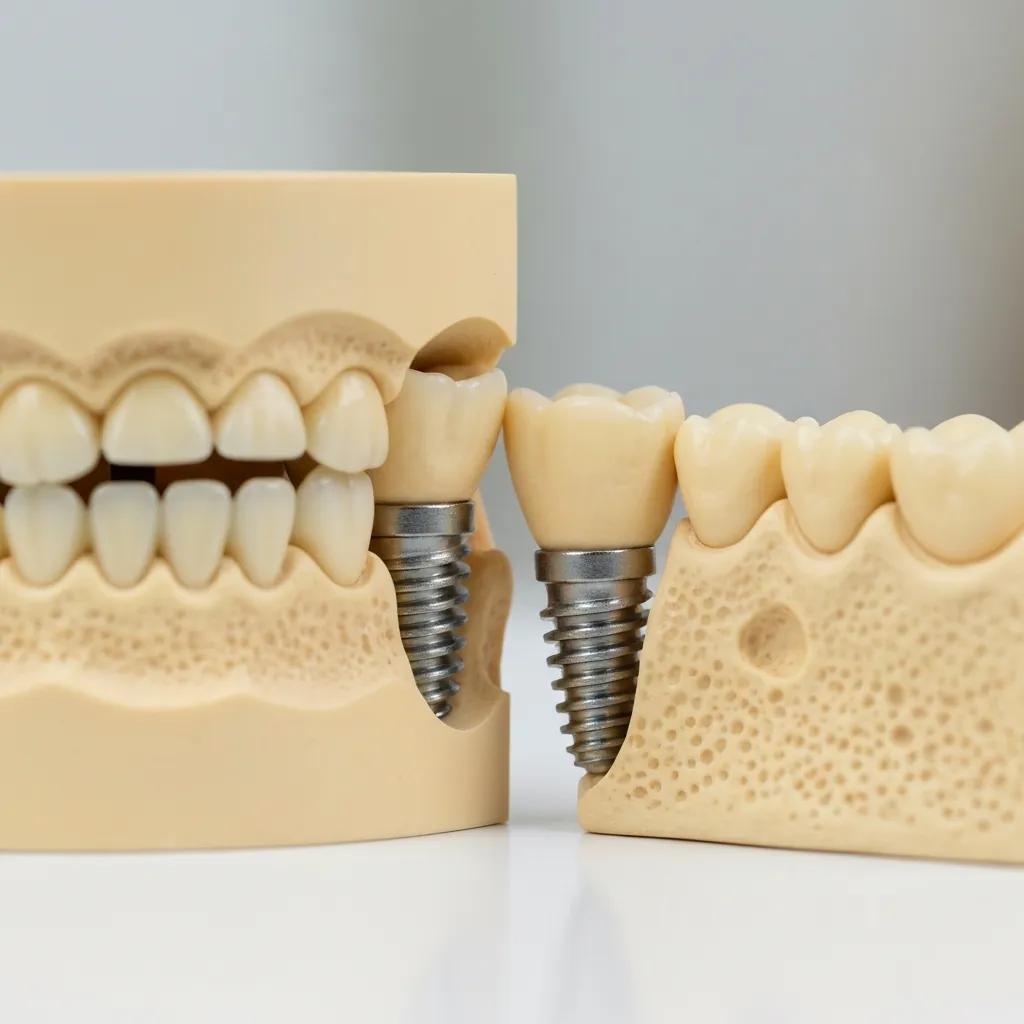
Dental implants and dentures differ fundamentally in how they interact with oral tissues, which drives comfort differences. Implants replace tooth roots with titanium posts that integrate with the jawbone, creating a stable foundation for prosthetic crowns or bridges; this osseointegration produces stability that often yields a more natural daily feel. Dentures rest on soft tissues and the alveolar ridge, relying on fit, adhesives, and sometimes clasps for retention; because they are removable, perceived bulk, movement, and sore spots can influence comfort. Short-term comfort hinges on surgical recovery for implants and initial fit adjustments for dentures, while long-term comfort depends on bone stability, prosthetic design, and maintenance habits. Understanding these mechanisms helps patients anticipate what recovery feels like and how daily life will change with each option, which leads us into the specific factors that affect implant comfort.
What Factors Affect the Comfort of Dental Implants?
Dental implant comfort depends on biological integration, surgical technique, prosthetic design, and follow-up care, each creating a distinct patient experience. Osseointegration—the process where bone bonds to the titanium post—provides long-term stability and reduces micro-movement that can cause soreness, which results in a sensation closer to a natural tooth. Surgical factors such as the precision of implant placement, the use of bone grafting when needed, and how the abutments and crowns are shaped influence initial tenderness and eventual occlusal comfort. Prosthetic design decisions—emergence profile, crown contour, and occlusion—determine how forces distribute and whether nearby tissues endure irritation or pressure. Good post-operative instruction and strict oral hygiene reduce peri-implant inflammation and peri-implantitis risk, both of which preserve comfort. These clinical drivers directly affect how quickly patients regain full chewing function, leading naturally into how dentures create contrasting comfort profiles.
The following list describes the primary implant comfort drivers:
Biological integration: stable bone-to-implant contact reduces micro-movement and soreness.
Surgical precision: careful placement minimizes trauma and speeds soft-tissue healing.
Prosthetic design: crown shape and occlusion distribute biting forces to avoid pressure points.
Post-op care: hygiene and professional maintenance prevent inflammation that undermines comfort.
A clear takeaway is that implant comfort is multi-factorial and depends on both clinical skill and patient care; understanding these points sets the stage for comparing how denture fit and materials influence wearer comfort.
How Do Dentures Impact Comfort and Fit?
Dentures impact comfort through fit accuracy, material bulk, retention methods, and ongoing tissue changes, and patients often experience an adaptation period as muscles and saliva adjust. Traditional full or partial dentures rest on soft tissue and the residual ridge, so pressure distribution, border seal, and the thickness of acrylic all contribute to perceived bulkiness or foreign-body sensation. Over time, bone resorption alters ridge anatomy and undermines fit, producing sore spots or looseness that require professional relining or replacement; adhesives can help short-term but do not stop the underlying bone changes. Modern materials and digital fabrication reduce bulk while improving fit and esthetics, but some patients will still encounter gag reflexes or difficulty with suction depending on palatal coverage and ridge form. Simple maintenance—nightly cleaning, periodic relines, and regular dental visits—can extend comfort, and recognizing when a denture needs adjustment prevents chronic irritation that would otherwise push patients toward implant-supported options.
How Do Dental Implants and Dentures Compare in Longevity?
Longevity for tooth replacement options reflects material durability, biological stability, and maintenance; implants typically offer decades-long service, while dentures commonly require replacement or relining every several years. Titanium implant posts, when integrated and maintained, show high survival rates across large clinical cohorts, often functioning for decades with proper hygiene and regular check-ups. Dentures—both full and partial—are subject to acrylic wear, occlusal change, and bone resorption that alter fit and function; typical replacement intervals fall into a multi-year cycle depending on patient factors and prosthetic quality. Lifestyle choices and systemic health (smoking, diabetes, oral hygiene) significantly influence both implant survival rates and denture lifespan, so individual outcomes vary and require personalized planning. To make this comparison explicit and actionable, the table below outlines key lifespan, maintenance, and replacement considerations for implants versus dentures.
Restoration Type
Typical Lifespan
Maintenance Frequency
Common Replacement/Failure Causes
Dental implants (posts + crowns)
Decades with care (often 10–30+ years)
Regular hygiene, periodic crown repair every 10–15 years
Peri-implantitis, prosthetic wear, systemic health factors
Attachment wear, prosthesis fracture, bone changes
Traditional complete/partial dentures
5–8 years typical before major replacement
Daily cleaning, relining every few years
Bone resorption altering fit, acrylic wear, clasp fatigue
This comparison shows that implants often deliver longer functional life but require specific peri-implant maintenance; conversely, dentures need more frequent prosthetic renewal and proactive relines to maintain comfort. Recognizing these timelines helps patients anticipate future procedures and budgets and informs choices about hybrid solutions such as implant-supported dentures.
What Is the Expected Lifespan of Dental Implants?
Dental implants are engineered for long-term function because osseointegration creates a durable interface between titanium and bone, and modern prosthetic materials resist wear and fracture. Success rates reported in clinical literature often exceed 90% over 10 years for well-selected patients, and many implants remain functional for 20 years or more when the surrounding tissues are healthy and the prosthesis is well-maintained. Factors that shorten implant lifespan include poor oral hygiene, untreated peri-implant soft-tissue disease, smoking, uncontrolled systemic conditions, and improper occlusion that overloads the implant. Routine professional assessments, meticulous home care, and timely management of risk factors can preserve implant comfort and longevity. Understanding these points about durability leads directly into realistic expectations for denture lifespan and what patients should monitor.
How Long Do Dentures Typically Last and What Affects Their Longevity?
Dentures are durable prostheses but are inherently finite due to material wear and progressive changes in jawbone anatomy, and typical service life ranges from five to eight years before major replacement is needed. Acrylic bases can wear, teeth can abrade or discolor, and clasp tension on partials can diminish over time; importantly, ongoing bone resorption alters denture fit and can create pressure points that prompt relining or new fabrication. Maintenance habits such as nightly soaking, gentle brushing, and regular dental visits can slow deterioration and detect early fit issues, but they cannot prevent the anatomical changes caused by missing roots. Patients who adopt a predictable relining and replacement schedule maintain better comfort and chewing efficiency; recognizing early signs—persistent sore spots, looseness while eating, or changes in facial support—should trigger a professional evaluation. These practical longevity realities frame how function and daily comfort differ between implants and dentures.
How Do Implants and Dentures Affect Eating, Speaking, and Daily Life Comfort?
Functional comfort—how well someone chews, speaks, and feels confident—depends on stability, tactile feedback, and adaptation time, and implants often provide advantages in chewing efficiency while dentures require behavioral adaptation. Implants transmit occlusal forces to bone similarly to natural teeth, enabling higher chewing forces, better food breakdown, and fewer dietary restrictions compared with removable dentures. Dentures can restore esthetics and function quickly but often limit bite force and require incremental diet changes and practice to avoid slippage when eating challenging foods like sticky candies or tough meats. Speech clarity relates to prosthesis stability and palatal coverage; well-fitting dentures and implant-supported solutions both can achieve intelligible speech, but removable dentures may introduce transient clicks or lisps during adaptation. Considering these functional trade-offs helps patients choose the solution that aligns with their daily eating habits, social needs, and comfort priorities.
Can You Eat Normally with Dental Implants?
Yes—after a staged healing process—dental implants typically allow a return to normal eating patterns because they restore root-level support and enable near-natural chewing forces, but patients must follow a progressive timeline. Immediately after implant placement, soft-tissue healing and osseointegration require a soft diet and avoidance of excessive mastication for several weeks to months depending on load protocol. Once integration is confirmed and prosthetic crowns or bridges are in place, most patients can resume a broad diet that includes tougher proteins and fibrous vegetables, with improved bite stability compared to traditional dentures. Protective behaviors—such as avoiding very hard or sticky foods for the first months and using even bilateral chewing to distribute forces—help protect implants during maturation. Long-term, implants often support near-natural eating comfort, which substantially improves quality of life for many patients.
Foods to avoid and timelines during typical implant recovery:
Immediately post-surgery: avoid hard, hot, spicy, and crunchy foods that stress surgical sites.
Early healing (weeks): prefer soft proteins, well-cooked vegetables, and mashed or blended foods.
After osseointegration (months): gradually reintroduce firmer foods, monitoring for discomfort and balance.
These staged dietary guidelines help patients protect healing implants and progress toward restored chewing function, which then ties into speech and psychosocial impacts described next.
What Are the Speaking and Confidence Differences Between Implants and Dentures?
Speech clarity and social confidence both improve with prosthetic stability; implants provide fixed support that often translates to predictable articulation and fewer situational anxieties about slippage. Because dental implants anchor crowns and bridges directly, they restore consistent occlusion and vertical dimension and reduce the movement that can cause clicks or lisps, making public speaking and social dining less stressful. Denture wearers commonly report an adaptation period during which they practice pronunciations and adjust to palatal coverage or flange contours; while many adapt successfully, intermittent slippage remains a source of embarrassment for some, especially in social meals. Implant-supported dentures present a hybrid solution by combining improved retention with removable prosthesis convenience, thereby offering meaningful gains in confidence for patients sensitive about social interactions. Understanding these psychosocial outcomes helps patients decide which restoration aligns with their lifestyle and social priorities.
What Are the Common Comfort Challenges and Solutions for Dentures?
Denture-related comfort problems cluster around retention, tissue irritation, occlusal balance, and the chronic effects of bone resorption, but practical interventions can substantially improve outcomes. Sore spots and localized ulceration result from uneven pressure distribution and often respond quickly to a professional adjustment or relining, which restores a close tissue adaptation and eliminates friction. Poor retention can often be addressed with adhesives, tissue conditioners, or by upgrading to implant-retained overdentures that secure the prosthesis to anchored posts and restore chewing efficiency. Gagging and bulkiness are mitigated by modern, thinner base materials and careful border molding at fabrication; clinicians can revise palatal coverage to balance retention and patient comfort. Preventive maintenance—nightly cleaning, avoiding overnight wear when advised, and prompt re-evaluation after weight changes or extractions—reduces chronic irritation and prolongs comfortable use.
How Do Implant-Supported Dentures Enhance Comfort and Stability?
Implant-supported dentures combine the stability of implants with the accessibility of removable prostheses, and they reduce common denture problems such as slippage, sore spots, and excessive palatal coverage. By attaching an overdenture to two or more implants with locator attachments, bars, or clips, retention dramatically improves and chewing forces distribute to implants rather than relying solely on soft tissues. This increased stability often reduces or eliminates the need for adhesive, enhances bite force, and allows a narrower base design that lessens gag reflexes and bulk sensations. Implant-retained solutions vary—from bar-retained overdentures to stud attachments—offering customizable retention and maintenance profiles. Patients who convert to implant-supported dentures frequently report greater confidence and fewer adjustments, which makes them an attractive middle-ground option between full-arch implants and traditional removable dentures.
Key patient outcomes with implant-supported dentures:
Improved retention: secure attachment reduces movement during speaking and eating.
Reduced tissue trauma: load transfer to implants decreases soft-tissue pressure points.
Enhanced function: higher bite force and better chewing efficiency than traditional dentures.
These benefits show how hybrid strategies address many denture comfort challenges and lead naturally to practical adaptation tips for new denture wearers.
What Tips Help Patients Adapt to Dentures Comfortably?
Adapting to new dentures involves a deliberate, staged routine that emphasizes gradual load, practice, and hygiene to reduce irritation and speed functional gains. Begin with a soft-food diet and small bites, progressively introducing firmer items as confidence and retention improve; chewing slowly and using both sides of the mouth helps maintain balance and avoid tipping. Practice speaking aloud, reading passages, and repeating challenging words to expedite speech adaptation while lubricating gels and correct border adjustments minimize clicking and gagging. Use recommended adhesives sparingly as a temporary aid and maintain nightly cleaning routines with non-abrasive cleansers to prevent odor and inflammation; return to the dentist promptly for any persistent sore spots or changes in fit. Following these practical steps fosters comfort and reduces the risk that temporary issues will become chronic problems requiring prosthesis replacement.
How Do Cost and Value Influence the Choice Between Implants and Dentures?
Cost and value require patients to compare upfront expenses against long-term maintenance, comfort, and quality-of-life gains, and that calculation often determines which restorative pathway is feasible and desirable. Dental implants usually have higher initial costs due to surgery, implant components, and custom prosthetics, but their longer lifespan and lower frequency of full replacements often produce favorable lifetime value for patients prioritizing comfort and durability. Dentures present a lower initial expense and allow quicker functional restoration, but recurring relines, repairs, and replacement cycles contribute to cumulative costs and intermittent discomfort over time. Insurance patterns—where many PPO plans cover portions of denture treatment more readily than implants—alongside financing options and payment plans can shift accessibility and alter patient decisions. To present these cost dynamics clearly, the table below breaks down typical cost components and short- versus long-term considerations for implants and dentures.
Mid-range initial cost vs full implants; prosthesis maintenance over years; financing available
Traditional dentures
Denture fabrication, relines, repairs
Lower immediate cost; recurring relines/replacements increase lifetime cost; often covered partially by PPO insurance
This structured comparison highlights how implants represent a durable investment in comfort and function while dentures offer lower initial costs but require planned maintenance and renewal that influences long-term value. After surveying cost and value objectively, a practical next step is to explain financing and support options that help patients access care.
What Are the Initial and Long-Term Costs of Dental Implants vs Dentures?
Initial costs for dental implants include surgical placement, possible bone grafting, abutments, and prosthetic crowns or bridges, making implants a larger upfront commitment than removable dentures. Long-term costs for implants typically involve periodic prosthetic maintenance—such as crown replacement or repair—and routine peri-implant care, but implants generally avoid the frequent full prosthesis replacements common with dentures. Dentures carry lower fabrication costs but entail periodic relines, repairs, and eventual replacement every several years, producing a recurring expense stream that can add up. Additional cost drivers include treatment complexity (full-arch restoration versus single-tooth replacement), the need for bone grafting or sinus lifts, and the choice of implant-supported hybrids versus traditional removable prostheses. Balancing these cost components with expected comfort and longevity outcomes helps patients assess which path offers the best return on investment for their needs.
How Do Flexible Payment Plans and Insurance Affect Patient Decisions?
Financing and insurance substantially influence access to implants and dentures because payment structures can reduce upfront barriers and reshape perceived value, and patients should inquire specifically about plan details during consultation. Many dental offices accept most PPO insurance plans and can apply coverage toward parts of restorative care—often offsetting denture costs more than implant surgery—but variations in plan limits and deductibles require individual verification. Flexible payment plans, third-party financing, and in-house options allow patients to spread implant costs over months or years, making higher-upfront solutions more attainable and thereby shifting the choice calculus toward treatments that offer superior long-term comfort and longevity. Patients should ask about typical out-of-pocket ranges, available financing terms, and whether a practice offers bundled pricing for full-arch solutions. Clear answers on these topics enable informed decisions, and for those exploring next steps, a no-risk consult can make the financial picture tangible.
What Can Patients Expect During Their Free Consultation for Implants and Dentures?
A free consultation typically includes a focused clinical exam, discussion of patient goals, review of imaging or x-rays if available, and a tailored explanation of restorative options—each element designed to answer comfort and longevity questions. During the visit, clinicians evaluate oral health status, bone volume, soft-tissue condition, and any existing prostheses to identify candidate treatments and potential complications that affect comfort. The consultation also covers expected timelines for healing and adaptation, maintenance responsibilities for each option, cost estimates, and the role of adjunctive procedures like bone grafting in achieving stable results. Patients come away with a recommended plan, a discussion of financing and insurance considerations, and clear next steps for scheduling treatment or further diagnostics. Understanding this consult flow prepares patients to ask targeted questions that reveal how a given option will perform for their lifestyle and comfort priorities.
What Questions Should You Ask About Comfort and Longevity?
A prepared question list helps patients focus their consultation on comfort, function, and long-term expectations so they can compare options with clarity and confidence. Asking about expected healing timelines, typical adaptation periods, how chewing and speech will change, and the maintenance required for implants or dentures directly addresses comfort concerns. Inquire about success and complication rates relevant to your health profile, the need for adjunctive procedures such as bone grafting, and how the clinician monitors and manages peri-implant health to prevent long-term issues. Also ask about prosthetic materials and design choices that affect bulkiness and tactile feel, and request a clear explanation of financial implications, warranty options, and follow-up care. These focused questions produce actionable answers that help patients weigh comfort and longevity alongside cost.
Suggested consultation questions to bring:
How long will healing and adaptation take for this option?
What should I expect in terms of pain or soreness after the procedure?
How often will I need repairs, relines, or prosthetic refreshes?
How does my medical history affect implant success or denture fit?
These questions ensure the consult remains centered on comfort, durability, and practical next steps, and they set the stage for how the practice supports patients through treatment.
How Does Affordable Dentist Near Me of Tyler Support Patient Comfort?
Affordable Dentist Near Me of Tyler emphasizes an education-based, patient-centric approach with friendly staff and a relaxing, spa-like environment that helps reduce anxiety and improve the overall comfort of the experience. The practice offers a $79 Free Dental Consultation, flexible payment plans, and accepts most PPO insurance, enabling patients to discuss options without immediate financial pressure and to get personalized cost estimates that align with comfort and longevity goals. Clinicians at the practice focus on explaining treatment mechanics, expected recovery timelines, and maintenance responsibilities, which empowers patients to choose the restorative pathway that best preserves function and daily comfort. This supportive approach, combined with treatment planning that includes implant and denture pathways, helps patients move from uncertainty to a defined plan that reflects their preferences and lifestyle.
For patients ready to explore options, the practice’s consult offering is designed to address comfort, function, and financing questions in a clear and patient-focused setting.
What Do Real Patients Say About Their Comfort Experience with Implants and Dentures?
Patient-reported outcomes consistently highlight improved function and confidence after implants, while denture wearers often note rapid esthetic restoration but a variable comfort adaptation period that improves with professional adjustments. Many implant patients describe a transition from transient post-operative soreness to a long-term sense of a “fixed” tooth that enables normal chewing and eliminates slipping concerns, translating into measurable lifestyle gains such as enjoying social meals and fewer eating restrictions. Denture wearers often report initial bulk perception and a learning curve for speech and mastication, followed by improved appearance and convenience when fit is optimized; however, long-term comfort often hinges on relines and routine maintenance. Collecting authentic patient narratives and review data focused specifically on comfort outcomes helps prospective patients set realistic expectations and choose the option that aligns with their daily life priorities.
How Have Dental Implants Improved Patient Comfort and Quality of Life?
Dental implants restore root-level support that produces stable prosthetics and often leads to measurable improvements in chewing efficiency, nutritional choices, and psychosocial confidence. Patients frequently report being able to bite into firmer foods without fear of displacement, enjoying a wider variety of textures, and experiencing fewer dietary restrictions than with removable dentures. Psychologically, the permanence and predictability of implant restorations reduce anxiety related to public speaking and social dining, improving overall quality of life. Longevity also contributes to satisfaction: fewer repeated laboratory remakes and emergency visits create a sense of durable value. These consistent themes underscore why many patients prioritize implants for the comfort and functional benefits they deliver over time.
After reading these patient-centered outcomes, many people opt to experience the difference firsthand by scheduling a consult that addresses comfort expectations and personalized planning.
What Comfort Benefits Do Patients Report with Modern Dentures?
Advances in denture materials, digital impressions, and personalized fabrication have reduced bulk, improved fit, and shortened adaptation times for many wearers, producing meaningful comfort benefits. Flexible base materials and thinner acrylics decrease palatal coverage and reduce gag sensitivity, while digital workflows create more accurate initial fits that lessen sore spots and the need for multiple adjustments. Implant-supported dentures further enhance comfort by improving retention and decreasing tissue load, allowing narrower, less intrusive bases that feel more natural. Even with these advances, consistent maintenance—nightly cleaning, relines, and prompt attention to pressure points—remains essential to sustain comfort. These improvements mean that modern denture options can be both comfortable and functionally useful for a wide range of patients.
For readers weighing options, seeing these real-world comfort improvements helps clarify which prosthetic path will best align with personal goals and daily routines.
What Are the Most Frequently Asked Questions About Implants vs Dentures Comfort?
People commonly ask whether implants are painful, how long adaptation to dentures takes, and what daily maintenance will look like—questions that directly address comfort expectations and practical living. Brief, direct answers can guide decision-making and reduce anxiety by setting realistic timelines, clarifying pain management strategies, and explaining routine care tasks. The quick FAQ-style responses below are optimized for readers who need concise, actionable guidance and can be used as talking points during a consultation.
Are Dental Implants Painful During and After the Procedure?
Most implant procedures are performed with local anesthesia and, when needed, sedation options to ensure comfort during surgery, and patients typically report manageable post-operative discomfort rather than severe pain. Immediate post-op pain is usually controlled with short courses of analgesics and anti-inflammatory strategies, and tenderness commonly subsides within a few days to two weeks depending on the extent of surgery. Complications that prolong pain—such as infection or implant mobility—are uncommon when proper hygiene and follow-up care are observed, and clinicians provide clear signs to watch for that require prompt attention. Preparing for normal post-operative sensations and having a pain-management plan reduces anxiety and supports smoother recovery. Understanding typical pain timelines helps patients plan recovery and return-to-function expectations.
Quick pain-management tips:
Follow prescribed medications and avoid smoking to support healing.
Use cold packs for initial swelling and soft foods during the first days.
Attend scheduled follow-ups so the clinician can address any complications early.
These practical measures typically prevent transient pain from interfering with the long-term comfort benefits implants offer.
How Long Does It Take to Adjust to Dentures Comfortably?
Adjustment to new dentures commonly spans weeks to a few months depending on prior denture experience, ridge anatomy, and whether attachments or implants are involved, but most patients achieve comfortable function within this timeframe with guided adaptation. The first week often involves minor soreness, increased saliva, and altered speech as muscles learn to accommodate the prosthesis, with gradual improvements over subsequent weeks as patients practice eating and speaking. Periodic professional adjustments—relief of pressure points and occlusal equilibration—can accelerate comfort, and relining or rebasing may be necessary within a year if bone resorption alters fit. Patients who follow adaptation strategies, maintain hygiene, and promptly seek adjustments tend to achieve stable comfort sooner. Knowing these timelines makes it easier for patients to set realistic expectations and to plan follow-up care.
Start soft: Use soft foods for the first few days and progress gradually.
Practice speaking: Read aloud or repeat difficult words to speed speech adaptation.
Return for adjustments: Book early follow-ups at the first sign of persistent soreness.
These steps reduce the adaptation period and increase the likelihood of comfortable denture wear.