Comparing the Lifespan and Care of Dental Implants, Bridges, and Dentures: Essential Maintenance Tips and Durability Insights
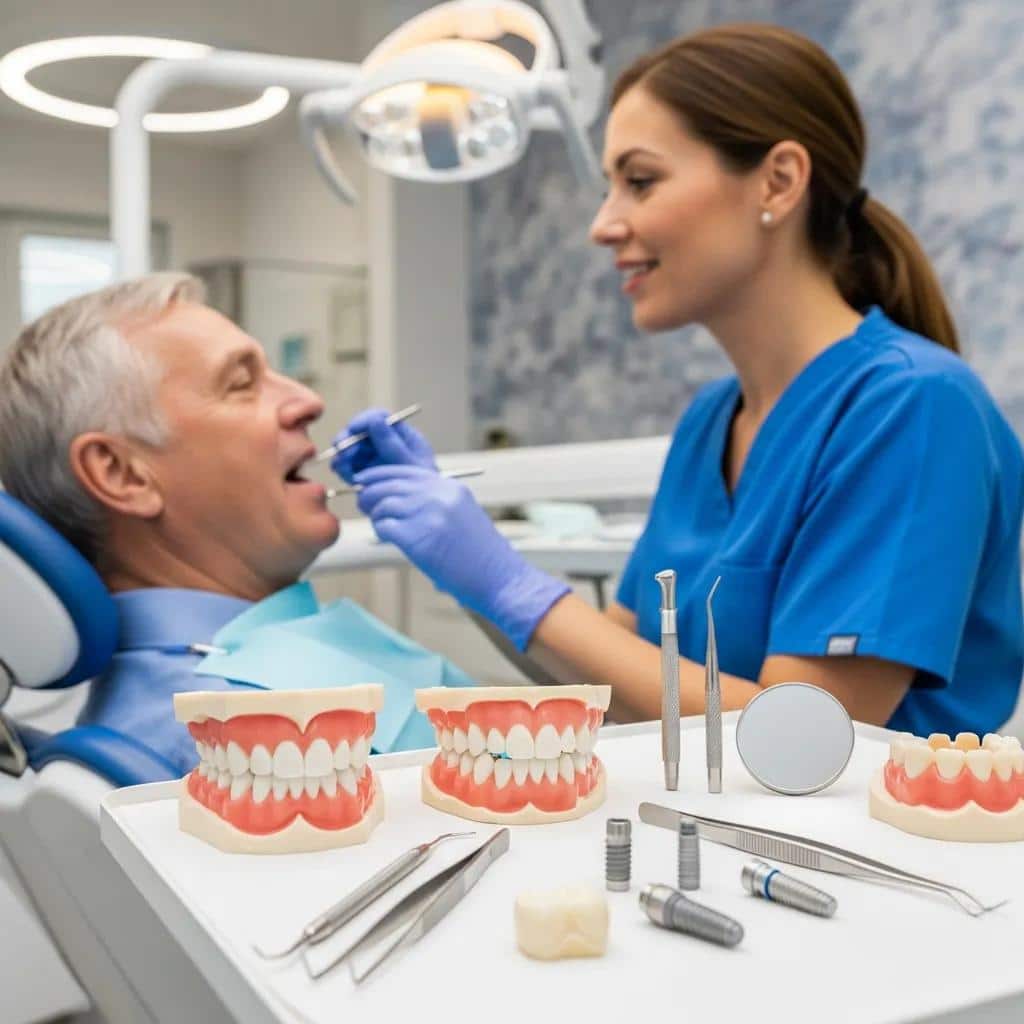
Dental prosthetics play a crucial role in restoring oral function and aesthetics for individuals with missing teeth. This article delves into the lifespan and care of three common dental solutions: dental implants, bridges, and dentures. Readers will learn about the average longevity of each option, the best maintenance practices, and how to maximize their investment in dental health. Understanding these aspects is vital for anyone considering restorative dentistry, as it can significantly impact their quality of life. We will explore the average lifespan of these dental solutions, maintenance practices for each, and the cost-benefit analysis of choosing one over the others.
How Long Do Dental Implants, Bridges, and Dentures Typically Last?
The longevity of dental prosthetics varies significantly based on several factors, including the type of prosthetic, the materials used, and the patient’s oral hygiene practices.
What Is the Average Lifespan of Dental Implants Compared to Bridges and Dentures?
Dental implants typically last 25 years or more, with many lasting a lifetime when properly cared for. In contrast, dental bridges generally last about 5 to 15 years, depending on the materials used and the patient’s oral hygiene. Dentures usually have a lifespan of 5 to 8 years before they need to be replaced or adjusted. This variance highlights the importance of choosing the right option based on individual needs and lifestyle.
Delving deeper into the materials used for restorations, studies highlight the varying longevity of different crown types.
Longevity of Dental Restorations: Gold, PFM, and Ceramic Crowns
For indirect restorations, gold restorations are still the “gold standard” with a 96% over 10 years survival rate, followed by porcelain-fused-to-metal crowns (PFM) (90% over 10 years), and all ceramic crowns (75-80% over 10 years). Amongst the ceramic restorations, eMax shows the longest survival rate (90% over 10 years), and Zirconia the lowest (88% over five years). The longevity of restorations depends on many factors, including: materials used, type of restorative procedure, patient parameters, operator variables, and local factors.
The longevity of restorations-A literature review, ZI Vally, 2015
Which Factors Influence the Durability of Each Dental Prosthetic?
Several factors influence the durability of dental implants, bridges, and dentures. For implants, the quality of the implant materials, the surgical technique used, and the patient’s bone health are critical. Bridges depend on the health of the surrounding teeth and the materials used, while dentures are affected by the fit and the care they receive. Additionally, patient habits such as smoking, diet, and oral hygiene practices play a significant role in the longevity of all three options.
What Are the Best Maintenance Practices for Dental Implants?
Maintaining dental implants is essential for their longevity and functionality.
How to Follow an Effective Dental Implant Cleaning Routine
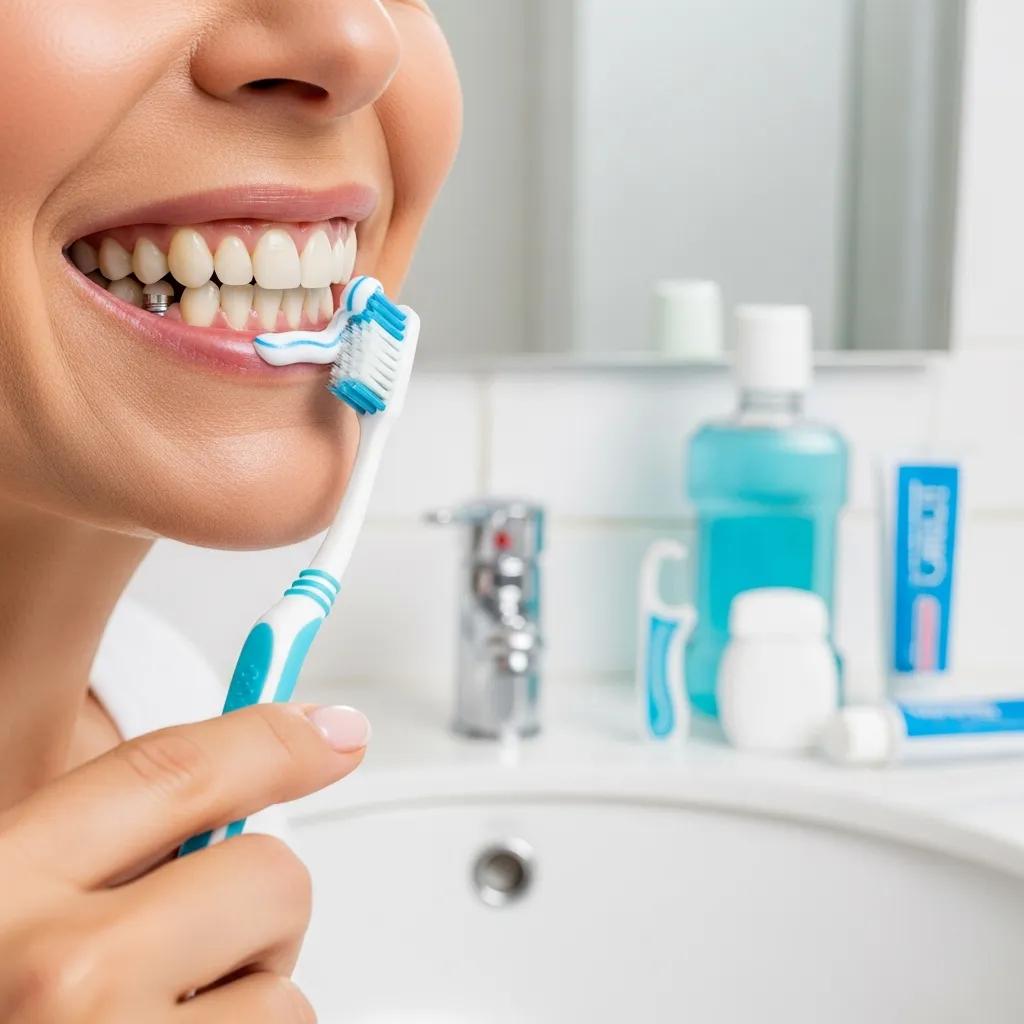
An effective cleaning routine for dental implants includes brushing twice daily with a soft-bristled toothbrush and using non-abrasive toothpaste. Flossing is also crucial, as it helps remove plaque and food particles from around the implant. Additionally, using an antibacterial mouthwash can help maintain oral hygiene and prevent infections.
When Should You Schedule Professional Checkups for Implants?
Regular professional checkups are vital for the maintenance of dental implants. Patients should schedule visits at least once or twice a year for professional cleanings and examinations. These checkups allow dentists to monitor the health of the implant and surrounding tissues, ensuring any potential issues are addressed promptly.
How Should You Care for Dental Bridges to Maximize Their Longevity?
Caring for dental bridges involves specific practices to ensure they remain functional and aesthetically pleasing.
What Are the Daily Cleaning Steps for Dental Bridges?
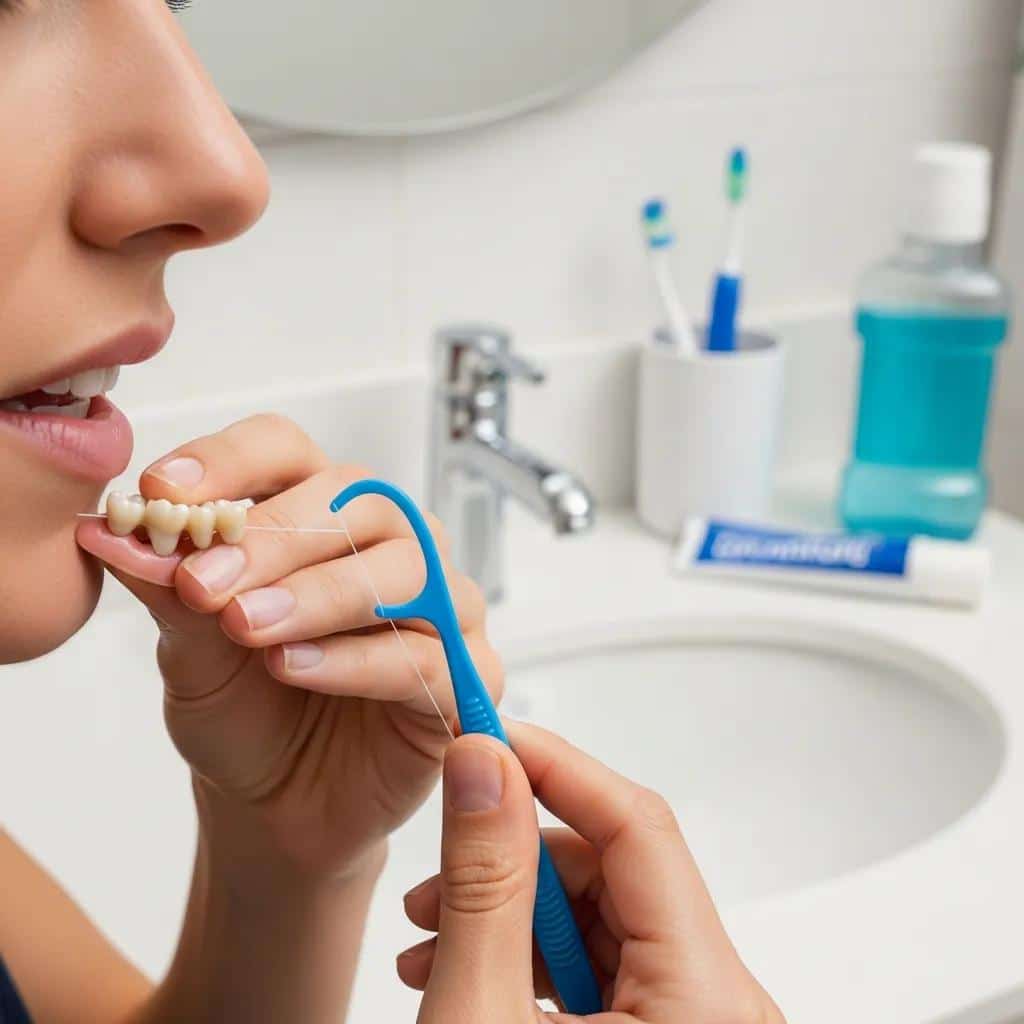
Daily cleaning of dental bridges should include brushing the bridge and the adjacent teeth thoroughly. Patients should also use a floss threader or interdental brushes to clean underneath the bridge, as this area can trap food particles and plaque. Regular rinsing with an antibacterial mouthwash can further enhance oral hygiene.
Signs That Indicate Your Bridge Needs Professional Maintenance or Replacement
Patients should be aware of signs that their dental bridge may need professional attention. These include persistent discomfort, visible wear or damage, and changes in the fit of the bridge. If any of these symptoms occur, it is essential to consult a dentist promptly to prevent further complications.
What Is the Proper Care and Adjustment Schedule for Dentures?
Proper care and regular adjustments are crucial for the longevity of dentures.
How Often Should Dentures Be Cleaned and Adjusted?
Dentures should be cleaned daily using a soft brush and a non-abrasive cleaner. Patients should also soak their dentures overnight in a denture solution to keep them moist and prevent warping. Regular adjustments should be made at least once a year, or sooner if the fit changes, to ensure comfort and functionality.
What Are Common Denture Care Mistakes to Avoid?
Common mistakes in denture care include using hot water for cleaning, which can warp the dentures, and neglecting to clean them daily. Additionally, failing to remove dentures at night can lead to oral health issues, as it prevents the gums from resting and healing.
How Do Dental Implant Maintenance Tips Compare to Caring for Bridges and Dentures?
Understanding the differences in care routines for dental implants, bridges, and dentures is essential for effective maintenance.
What Are the Key Differences in Cleaning and Care Routines?
The primary difference in care routines lies in the cleaning methods. Dental implants require meticulous brushing and flossing, while bridges need special attention to the areas beneath them. Dentures, however, require soaking and daily cleaning to maintain their integrity. Each type of prosthetic has unique care requirements that must be followed to ensure longevity.
How Does Patient Experience Vary Among These Prosthetics?
Patient experiences can vary significantly based on the type of prosthetic chosen. Many patients report higher satisfaction with dental implants due to their permanence and natural feel. In contrast, some may find dentures less comfortable and more challenging to maintain. Understanding these experiences can help patients make informed decisions about their dental care.
What Are the Cost and Benefit Comparisons of Implants, Bridges, and Dentures?
Evaluating the costs and benefits of each option is crucial for making an informed decision.
How Do Longevity and Maintenance Affect Overall Cost?
The initial cost of dental implants is typically higher than that of bridges or dentures. However, considering their longevity and lower maintenance needs, implants may offer better long-term value. Bridges and dentures may require more frequent replacements and adjustments, leading to higher cumulative costs over time.
Which Option Offers the Best Value for Long-Term Dental Care?
For many patients, dental implants provide the best value for long-term dental care due to their durability and minimal maintenance requirements. While the upfront cost is higher, the potential for a longer lifespan and fewer replacements can make them a more economical choice in the long run.
What Are Common Patient Questions About Dental Prosthetic Lifespan and Care?
Addressing common patient inquiries can help demystify the care of dental prosthetics.
How Often Should I Clean My Dental Implant?
Patients should clean their dental implants at least twice a day, similar to natural teeth. Regular flossing is also essential to maintain the health of the surrounding gum tissue.
What Are the Signs My Bridge or Denture Needs Replacement?
Signs that a bridge or denture may need replacement include discomfort, visible wear, and changes in fit. If patients experience any of these issues, they should consult their dentist for an evaluation.
How Can You Schedule a Free Consultation for Dental Implant and Prosthetic Care in Waco?
Scheduling a consultation is a straightforward process that can help patients explore their options.
What to Expect During Your Initial Dental Implant Consultation
During the initial consultation, patients can expect a comprehensive evaluation of their oral health, including X-rays and a discussion of their dental history. The dentist will explain the implant procedure, potential costs, and what to expect during recovery.
How to Access Affordable Dental Care Services Locally
For those seeking affordable dental care, many clinics offer financing options and payment plans. Researching local providers and asking about available services can help patients find the best options for their needs.