Dental Bridges vs Implants: Comparing Costs, Benefits, and Procedures for Informed Decisions
When it comes to replacing missing teeth, dental bridges and implants are two of the most common options available. Understanding the differences between these two solutions is crucial for making an informed decision about your dental health. This article will explore the benefits and drawbacks of dental bridges and implants, helping you weigh your options effectively. We will delve into the procedures involved, the costs associated with each option, and how long they typically last. Additionally, we will provide guidance on scheduling consultations for dental implants and dentures, ensuring you have all the information you need to make the best choice for your oral health.
What Are Dental Bridges and Their Pros and Cons?
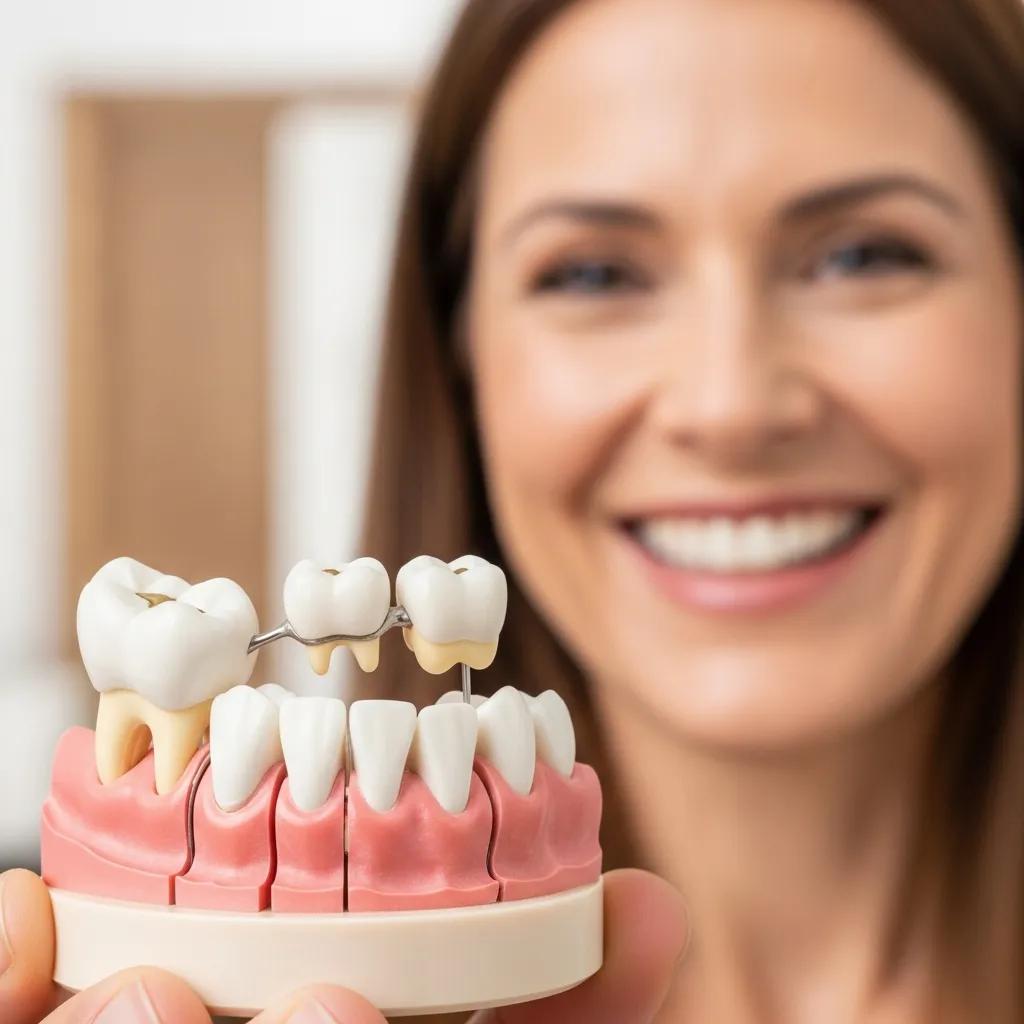
Dental bridges are prosthetic devices used to replace one or more missing teeth by anchoring to adjacent teeth. They work by filling the gap left by missing teeth, restoring both function and aesthetics. The primary benefit of dental bridges is their ability to improve chewing and speaking abilities, while also enhancing the smile’s appearance. However, they do have some drawbacks, including the potential for damage to adjacent teeth and the need for replacement over time.
How Do Dental Bridges Work as a Tooth Replacement Option?
Dental bridges consist of one or more artificial teeth, known as pontics, which are held in place by dental crowns on either side. The process begins with an initial consultation, where the dentist evaluates the patient’s oral health and determines the best approach. After preparing the adjacent teeth, impressions are taken to create a custom bridge. The final step involves placing the bridge, which can be made from various materials, including porcelain and metal.
What Are the Advantages and Disadvantages of Dental Bridges?
Dental bridges offer several advantages, including:
Quick Solution: The procedure can often be completed in just a few visits.
Improved Aesthetics: Bridges can enhance the appearance of your smile.
Restored Functionality: They help restore normal chewing and speaking abilities.
However, there are also disadvantages to consider:
Adjacent Tooth Damage: The procedure requires altering healthy teeth to support the bridge.
Limited Longevity: Bridges typically last 5 to 15 years before needing replacement.
Potential for Gum Issues: They may lead to gum disease if not properly maintained.
The concern regarding potential damage to adjacent teeth during bridge preparation is a well-documented risk.
Dental Bridge Preparation: Risk of Adjacent Tooth Damage
This study aimed to assess the incidence of different types, degree and location of iatrogenic damage to the adjacent tooth during crown and bridge preparations in a tertiary care setting that lead towards the morbidity of tooth.
Assessment of iatrogenic damage to adjacent teeth during crown and bridge preparation, SB Badar, 2019
What Is the Dental Implant Procedure and Its Benefits?
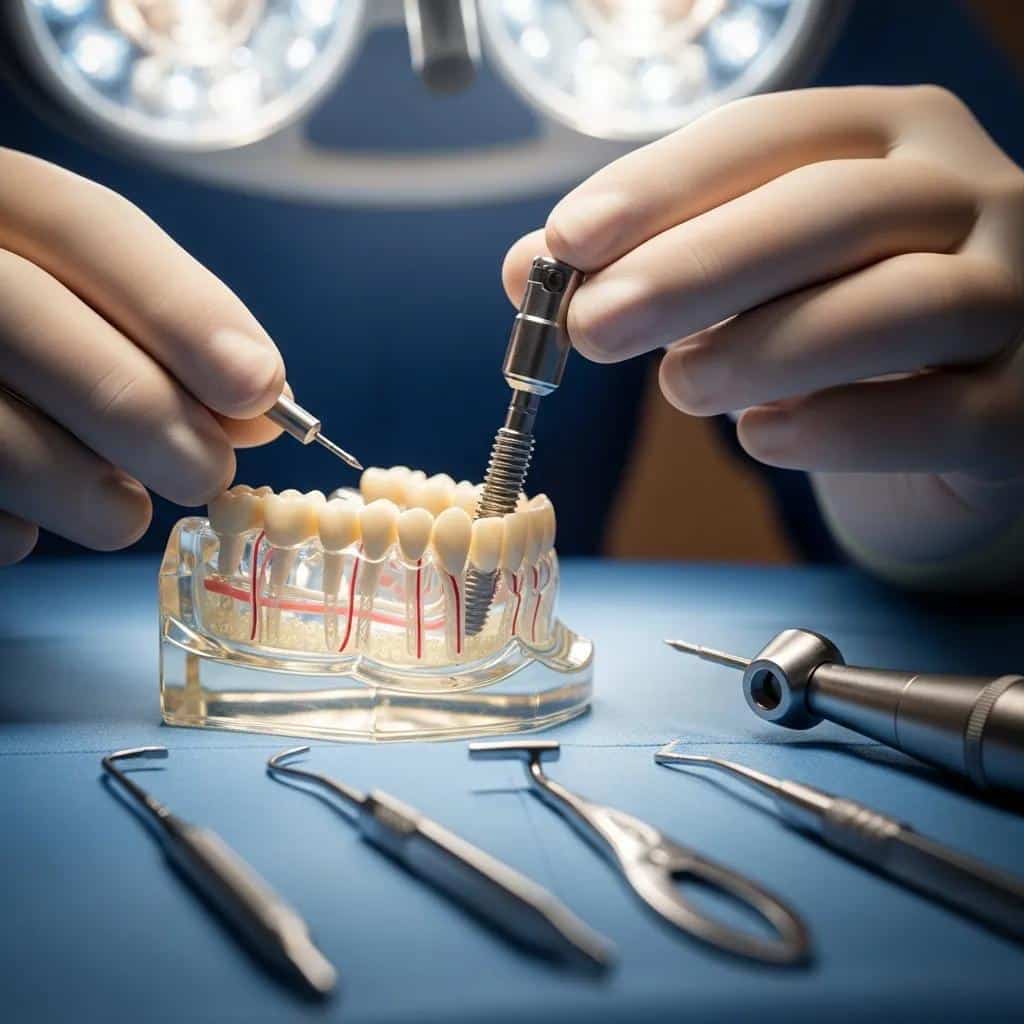
Dental implants are a more permanent solution for missing teeth, involving the surgical placement of titanium posts into the jawbone. These posts act as artificial tooth roots, providing a stable foundation for replacement teeth. The primary benefit of dental implants is their durability and natural appearance, as they integrate with the jawbone and do not affect adjacent teeth.
What Are the Steps Involved in Getting a Dental Implant?
The dental implant procedure typically involves several steps:
Initial Consultation: The dentist assesses the patient’s oral health and discusses treatment options.
Implant Placement: A titanium post is surgically inserted into the jawbone.
Healing Period: The implant fuses with the bone over a period of several months.
Abutment Placement: An abutment is attached to the implant to hold the crown.
Crown Placement: A custom crown is placed on the abutment, completing the restoration.
What Are the Key Benefits and Risks of Dental Implants?
Dental implants provide numerous benefits, including:
Longevity: With proper care, implants can last a lifetime.
Natural Look and Feel: They closely resemble natural teeth in appearance and function.
Bone Preservation: Implants help maintain jawbone density by stimulating bone growth.
However, there are risks associated with the procedure:
Surgical Complications: As with any surgery, there is a risk of infection or complications.
Higher Initial Cost: Implants can be more expensive upfront compared to bridges.
Time Commitment: The process can take several months from start to finish.
How Do Costs and Longevity Compare Between Implants and Bridges in Mansfield, TX?
When considering dental restoration options, understanding the costs and longevity of dental implants and bridges is essential. The average cost of dental implants can be significantly higher than that of bridges, but their longevity often justifies the investment.
Further research supports the importance of considering long-term costs and effectiveness when choosing between dental implants and bridges.
Dental Implant vs. Bridge: Long-Term Costs & Effectiveness
In this analysis, we evaluated long-term costs, effectiveness and the impact of reimbursement policies on the choice between dental implants and bridge strategies.
Cost‐effectiveness modeling of dental implant vs. bridge, 2009
What Is the Typical Cost Difference Between Dental Implants and Bridges?
In Mansfield, TX, the cost of dental implants typically ranges from $3,000 to $4,500 per implant, while dental bridges can cost between $1,500 and $2,500, depending on the complexity and materials used. While bridges may seem more affordable initially, their shorter lifespan can lead to higher long-term costs.
A deeper dive into cost-utility analyses further emphasizes the long-term financial benefits of implants, even as initial costs and patient financial considerations remain key decision factors.
Dental Implants vs. Bridges: Cost-Effectiveness & Patient Decisions
The results of the cost-utility analysis suggest that implant treatment with an implant-supported single crown is more cost-effective than treatment with the three-unit fixed dental prosthesis. However, patients are generally very often faced with the decision on choosing the type of treatment, and the financial side of things play an important role in their decision, sometimes the most important. Other factors that influence their final decisions include aesthetics, durability of the treatme
Cost-utility analysis of an implant treatment in dentistry, 2021
How Long Do Dental Bridges and Implants Last?
Dental bridges generally last between 5 to 15 years, depending on maintenance and oral hygiene practices. In contrast, dental implants can last a lifetime with proper care, making them a more durable option in the long run. This longevity is a crucial factor to consider when weighing the two options.
How Can Patients Schedule a Consultation for Dental Implants and Dentures?
Scheduling a consultation is an important step in determining the best tooth replacement option for your needs. During the consultation, the dentist will evaluate your oral health, discuss your options, and create a personalized treatment plan.
What Should Patients Expect During a Dental Implant Consultation?
During a dental implant consultation, patients can expect an initial assessment of their oral health, including X-rays and possibly a 3D scan. The dentist will discuss the procedure, potential risks, and expected outcomes, ensuring that patients have a clear understanding of what to expect.
How to Easily Schedule Your Dental Implant or Denture Appointment in Mansfield?
To schedule an appointment for dental implants or dentures, patients can contact Affordable Dentist near Me – Mansfield directly. They specialize in implant and denture solutions tailored for residents of Mansfield, TX, focusing on affordability and personalized patient care. You can easily reach out to them to set up your consultation and take the first step towards restoring your smile.
To further assist you in scheduling, schedule your consultation directly through our online portal. We are dedicated to providing accessible and convenient dental care options.