Uncovering Extra Fees in the Dental Implant Process: A Comprehensive Financial Roadmap for Patients
Dental implant “extra fees” are any diagnostic, surgical, material, or follow-up charges that sit outside a clinic’s advertised base implant price, and understanding them early reduces surprise costs and improves treatment outcomes. This article explains what those additional expenses typically include, why they occur, and how patients can plan a realistic budget for single, multiple, and full-mouth dental implant treatments. Readers will learn a component-level cost breakdown (implant post, abutment, crown), preparatory procedures (bone grafts, sinus lifts, extractions), diagnostic and anesthesia line items, and the long-term maintenance costs that often go unaccounted for. The guide also maps practical financing pathways—insurance predetermination, HSAs/FSAs, in-house and third-party payment plans—and shows step-by-step actions to limit out-of-pocket exposure. Each H2 section includes concise tables, lists, and actionable checklists to help you request clear, itemized estimates and to compare treatment routes in the Longview, TX market. If you need a local touch, the content also notes how transparent-pricing practices and free consultations can help patients get an accurate, itemized roadmap for their implant journey.
What Are the Core Costs Included in Dental Implant Procedures?
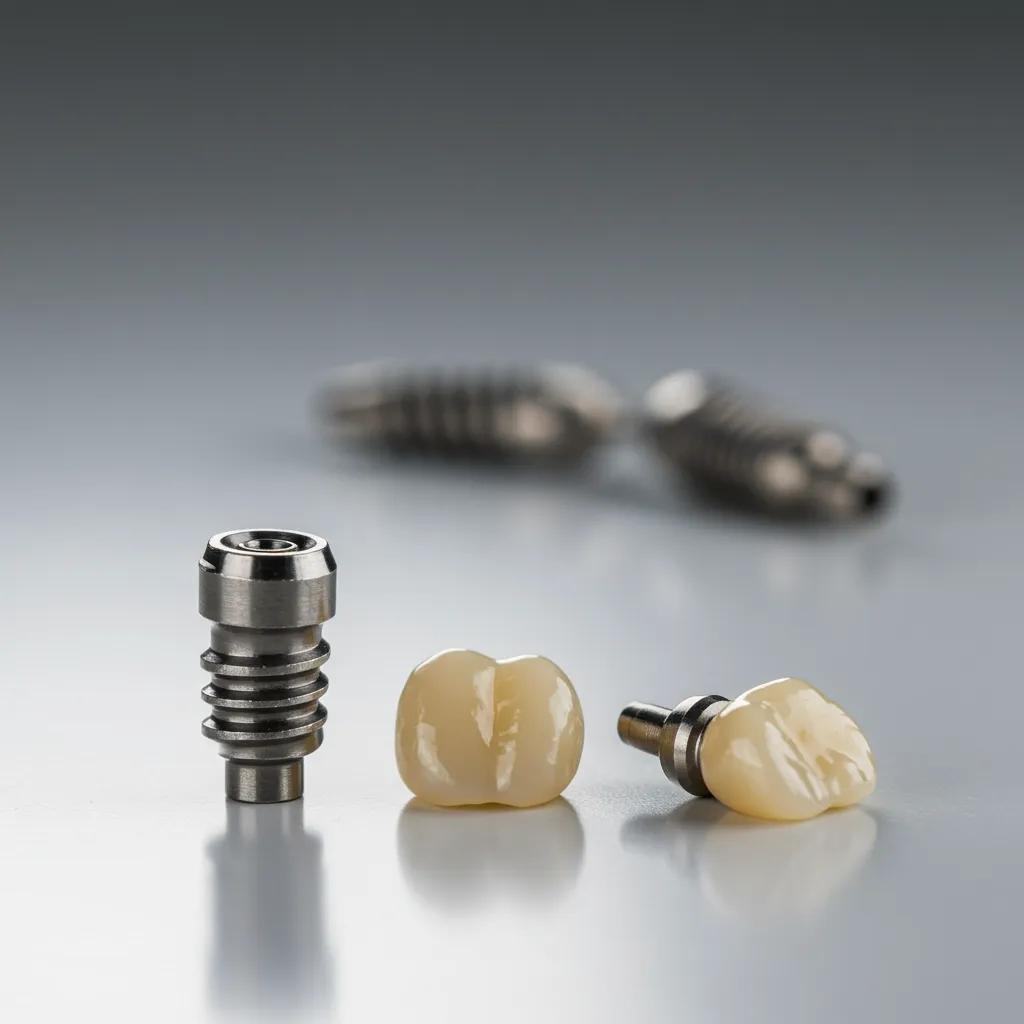
Core implant costs define the baseline components most clinics reference when quoting a “single implant” and typically include the surgical placement of the implant post, the abutment connector, and the final crown prosthesis. These core components represent the prosthetic and surgical work required to replace a missing tooth, and understanding what each line covers reduces confusion about bundled vs. unbundled pricing. Clinically, the implant post acts as the artificial root and includes the device and placement surgery; the abutment connects the post to the crown; the crown is the visible prosthetic that restores function and aesthetics. Knowing these distinctions helps patients identify which supplemental fees—like lab fees, temporary restorations, or warranties—might be excluded from a base price and therefore need clarification before committing.
Below is a clear cost-oriented table that separates each core entity and lists common inclusions and typical local price ranges to guide budgeting questions.
This table clarifies what “core cost” typically covers and what you should ask a provider to itemize during an estimate.
Component
Typical Inclusions
Estimated Price Range (USD)
Implant post (device + placement)
Implant fixture, surgical time, basic healing cap
$1,000 – $2,200
Abutment (connector)
Prefab or custom abutment, minor lab work
$200 – $800
Crown (prosthesis)
Lab fabrication, crown material, final placement
$600 – $1,800
This breakdown shows that an advertised single-implant price often represents the sum of several distinct entities; asking for an itemized PriceSpecification clarifies which of these are included. Understanding these core items leads directly to material decisions—such as titanium versus zirconia—that influence both cost and long-term results.
What Does the Implant Post, Abutment, and Crown Include?
The implant post is the surgically placed titanium or ceramic fixture that anchors the restoration and typically covers the device itself plus the surgical placement fee, postoperative healing monitoring, and a basic healing cap. This component requires oral surgery expertise and is charged based on the device cost and clinical time; patients should confirm whether the quoted post price includes imaging and follow-up care. The abutment, which connects the implant post to the crown, may be a stock or custom piece and often carries separate lab and fabrication fees that vary with material and customization needs. The crown is the prosthetic tooth that restores form and function and usually includes impressions, lab fees, shade matching, and cementation or screw-retention procedures; lab turnaround and material choice influence the final price. Patients should ask providers whether warranties or future adjustment visits are bundled into each component price to avoid unexpected repair costs later.
This granular view of components naturally leads to a related decision point: which materials to choose and how those selections change pricing and clinical outcomes.
How Do Material Choices Like Titanium vs. Zirconia Affect Implant Costs?
Material selection—commonly titanium for the implant post and either titanium or zirconia for abutments and crowns—affects initial cost, aesthetics, and potential long-term maintenance. Titanium posts are widely used for their strength and predictability and generally represent the baseline device cost, while zirconia abutments and crowns offer superior translucency and aesthetic matching in the anterior zone but typically carry a premium in lab and fabrication charges. Zirconia crowns may cost more due to higher material expense and specialized milling or sintering, and those higher upfront costs can be justified when the aesthetic outcome reduces the need for future remakes. Clinically, material choice also influences maintenance: some materials tolerate bruxism and occlusal forces better, which may reduce replacement frequency and lifetime cost. When discussing material options, ask for a side-by-side cost and longevity comparison so you can weigh short-term premiums against projected long-term value and reduced complication risk.
Exploring pre-implant preparatory procedures next clarifies how missing bone or periodontal disease drives additional fees before any implant components are placed.
What Pre-Implant Procedures Can Add to Your Dental Implant Expenses?
Pre-implant procedures are treatments required to create a stable, healthy foundation for implants and can significantly increase overall treatment time and cost. Bone grafting, sinus augmentation, extractions, and periodontal therapy are the most common preparatory interventions; each addresses tissue deficits or infection that would otherwise compromise implant integration. These procedures vary in complexity—from minor socket preservation to extensive grafting or sinus lifts—and their pricing reflects choices of graft material, surgical technique, and surgeon time. Patients should anticipate that preparatory care will add both direct surgical fees and indirect costs such as additional imaging, medications, and extended follow-up, and should plan timelines accordingly.
The next table outlines typical pre-implant procedures, clinical triggers for their use, and representative cost ranges so you can include contingency planning in your budget.
The following table helps map procedure necessity to realistic price expectations and is designed to be presented to a provider for itemized inclusion in an estimate.
Procedure
When It’s Needed
Typical Additional Cost Range (USD)
Bone graft (socket preservation / ridge augmentation)
Insufficient alveolar bone height or width for implant stability
$300 – $2,000
Sinus lift (sinus augmentation)
Maxillary posterior area with inadequate vertical bone under sinus floor
$800 – $3,500
Tooth extraction (simple to surgical)
Non-restorable tooth or interfering root prior to implant placement
$100 – $800
Periodontal therapy (scaling, surgery)
Active periodontal disease needing resolution before implant placement
$200 – $2,000
This table underscores that preparatory work can be a substantial portion of total implant cost and that discussing alternatives and staged treatment plans can mitigate surprises. With preparatory needs clarified, the logical next area to examine is the diagnostic and surgical fees that accompany planning and placement.
Why Are Bone Grafts and Sinus Lifts Necessary and How Much Do They Cost?
Bone grafts and sinus lifts rebuild lost bone to provide a stable platform for osseointegration and to ensure correct implant positioning; without adequate bone, implants are at higher risk of failure or poor aesthetics. Grafting ranges from minimally invasive socket preservation—often using allograft or xenograft material—to larger block grafts or guided bone regeneration requiring membranes and more operative time, and costs reflect material choice and surgical complexity. Sinus lifts are specialized augmentations beneath the maxillary sinus and may be performed via lateral-window or crestal approaches; their pricing increases with the need for grafting material volume and sinus membrane management. Clinical indicators for these procedures include radiographic evidence of bone deficiency, thin alveolar ridges, or previous traumatic loss, and a surgeon’s preoperative CBCT often determines the exact technique and cost. Ask for an itemized pre-op plan that maps each graft type to its required materials and expected timeline to accurately budget for these adjunctive procedures.
When Are Tooth Extractions and Periodontal Treatments Required and What Are Their Fees?
Extractions and periodontal therapy are required when teeth are non-restorable, infected, or when periodontal disease threatens the bone that supports future implants, and costs vary by complexity and the need for sedation or surgical access. Simple extractions for erupted teeth may be straightforward and lower-cost, while surgical or impacted tooth removals require more surgical time, possible bone smoothing, and additional follow-up visits; these differences drive a wide pricing range. Periodontal treatments—from scaling and root planing to flap surgery or regenerative procedures—aim to resolve infection and create a healthy tissue environment for implant placement; untreated periodontal disease significantly increases implant complication rates. When reviewing a treatment plan, ensure the clinician specifies which interventions are preventive versus surgical, and request separate line items for extraction types and periodontal modalities so you can compare alternative staging or phased approaches to manage both cost and healing time.
With bone, sinus, extraction, and periodontal contingencies identified, the next practical area to address is the diagnostic and surgical fee structure that shapes the clinical pathway.
What Diagnostic and Surgical Fees Should You Expect Beyond the Implant?
Diagnostic and surgical fees are the planning and intraoperative charges often billed separately from the implant components, and they routinely include consultations, radiographs, CBCT/3D scans, surgical planning, and any anesthesia services. These charges reflect the clinician’s time, the technology used to reduce risk, and any specialized surgical or prosthetic planning required for complex cases. High-quality preoperative imaging, such as CBCT, enhances surgical predictability and can lower complication likelihood, but it usually costs more than basic 2D imaging; similarly, advanced digital planning and guided surgery increase precision and associated fees. Understanding the value and limitations of each diagnostic and surgical line item helps patients prioritize which services are essential for their case and which might be optional add-ons. The next paragraph provides a short practical note: when seeking a local estimate, ask your provider for an itemized quote and whether a free consultation or bundled planning fee is available to reduce upfront uncertainty.
Patients should request itemized diagnostic and surgical estimates during a consultation so they can compare alternatives; many clinics will outline these items during an initial planning visit.
What Are the Costs of Consultations, X-rays, and 3D Scans?
Consultations, 2D radiographs, panoramic imaging, and CBCT/3D scans each serve distinct diagnostic roles and scale in cost with their clinical value and information yield. A basic consultation may include an exam and panoramic X-ray to determine general suitability, while a CBCT provides three-dimensional bone detail critical for implant positioning, bone assessment, and sinus evaluation; CBCTs are more expensive but reduce intraoperative surprises. Clinics may charge separately for the initial consultation, imaging, and surgical planning time, and patients should verify whether any imaging is included in a quoted package. Investing in higher-level imaging often lowers downstream costs by preventing misplacement or the need for corrective surgery, making it a value decision rather than a pure cost. Before scheduling, ask whether the itemized estimate bundles any imaging or planning fees and whether prior outside imaging can be accepted to reduce repeat charges.
How Do Anesthesia Options and Dentist Expertise Influence Surgical Expenses?
Anesthesia options range from local-only anesthesia to oral sedation, IV sedation, or general anesthesia, and each level adds clinical staffing, monitoring equipment, and recovery time that increase the surgical bill. Local anesthesia is typically included in placement fees, but conscious sedation or general anesthesia requires an anesthetist or additional monitoring staff and may be priced separately. The clinician’s credentials—general dentist, oral surgeon, or prosthodontist—and their surgical experience also influence fees; specialists who routinely manage complex reconstructions often command higher surgical fees that reflect expertise and outcomes. Case complexity, the need for staged surgery, and operating-room-like settings (e.g., hospital-based placements) further raise costs. When reviewing quotes, confirm whether the listed surgical price includes anesthesia type and staffing so you can compare alternatives based on both safety and total cost, and assess whether a higher surgical fee may reduce the probability of complications and costly revisions downstream.
After planning and placement costs, patients must also budget for post-operative care and long-term maintenance that protect the implant investment.
What Post-Operative and Long-Term Care Costs Are Associated with Dental Implants?
Post-operative and long-term care encompass follow-up visits, medications, potential emergency care, maintenance appointments, and occasional component replacements that contribute to lifetime costs beyond initial placement. Immediate post-op expenses often include prescription antibiotics and analgesics, additional follow-up visits for suture removal or monitoring, and possible temporary prosthetic adjustments; these are sometimes included in surgical fees but often billed separately. Long-term, crown wear, abutment loosening, or peri-implantitis treatment can result in repair or replacement costs, and protective devices like nightguards or athletic mouthguards are prudent investments that reduce risk of mechanical failure. Regular maintenance—professional cleanings tailored to implants and periodic radiographic checks—preserves integration and helps detect problems early, typically incurring modest recurring fees but preventing much higher revision costs. Understanding these recurring and contingency expenses lets patients frame implants as a multi-year investment rather than a one-time purchase.
Patients should ask providers which follow-up visits and maintenance appointments are included in the quoted price and which are billed separately so they can budget for the lifetime of the restoration.
Which Follow-up Appointments and Medications Might Incur Extra Fees?
Follow-up appointments include immediate post-op checks, suture removal visits, prosthetic adjustments, and periodic recall exams; while some practices include a limited number of post-op visits in the surgical fee, additional or emergency appointments are commonly billed. Typical medications such as antibiotics and pain medication are often prescribed post-surgery and may be out-of-pocket if not included in a package, and prolonged or complication-driven medication courses increase costs. Prosthetic adjustments, such as occlusal refinements or temporary crown relines, may require lab or chair time that is invoiced separately, particularly if additional impressions or remakes are needed. Patients should clarify how many postoperative visits are covered, whether emergency evaluations are billed, and whether medications are dispensed in-office or prescribed externally. Asking for a concise post-op cost sheet during the consultation reduces ambiguity and aligns expectations about potential extra visits or medication needs.
How Do Mouthguards and Maintenance Affect Long-Term Implant Expenses?
Mouthguards—nightguards for bruxism or custom athletic guards—protect implant crowns and abutments from excessive occlusal forces and are a relatively low-cost preventive measure compared with the expense of replacing fractured prosthetics. Custom-fitted nightguards are fabricated in dental labs and typically incur an initial cost plus occasional relines or replacements; using them consistently can extend crown life and reduce emergency repairs. Routine professional maintenance appointments tailored for implants include specialized cleaning instruments and periodic radiographic monitoring; while these visits carry recurring fees, they detect early peri-implant disease and reduce the need for expensive revision surgery. Budgeting for protective devices and annual maintenance as part of the total implant lifecycle supports a value-based comparison with alternative restorations. With an appreciation for post-op and maintenance expenses, patients are better equipped to evaluate financing and insurance strategies that address these ongoing costs.
How Can You Navigate Dental Implant Financing and Insurance Coverage?
Navigating financing and insurance starts with understanding common plan limitations, documenting benefits via predetermination, and comparing payment options to select a pathway that matches your cash flow and risk tolerance. Dental insurance frequently covers portions of prosthetic components or lab fees but often excludes surgical device costs or limits reimbursement amounts, so obtaining a predetermination of benefits is essential to set expectations. Beyond insurance, patients can leverage HSAs/FSAs when available, apply for in-house clinic financing or third-party medical/dental lenders, and budget contingency funds for preparatory work or complications. Comparing these options in a structured table clarifies eligibility, typical terms, and practical tips to help patients make actionable choices. Many practices also offer free implant consultations that include itemized estimates and financing discussions, which provide an important opportunity to align clinical needs with payment pathways and reduce surprises.
Financing Option
Typical Terms / Requirements
Practical Tip for Patients
Dental insurance reimbursement
Variable coverage; may apply to crown/prosthetic portion only
Request predetermination; confirm annual maximums and exclusions
In-house financing (clinic payment plans)
Monthly plans with variable down payment and term lengths
Ask for written terms and whether interest is applied or fees are added
Third-party medical/dental lenders
Fixed or deferred-interest plans with credit checks
Compare APRs and total repayment; pre-qualify to understand costs
HSA/FSA funds
Tax-advantaged accounts for qualified medical/dental expenses
Use funds to pay down upfront costs and reduce interest-bearing loans
What Does Dental Insurance Typically Cover for Implants and What Are Its Limitations?
Dental insurance commonly treats implants as prosthetic services that may qualify for partial reimbursement of crowns or bridges but often excludes or caps coverage for the surgical implant device and certain preparatory surgeries; policies vary widely in exclusions and annual maximums. Many plans require documentation that supports medical necessity or that alternative treatments were considered, and preauthorization or predetermination of benefits gives a clearer picture of expected reimbursement. Reimbursement rates are frequently percentage-based and subject to annual maximums that limit the insurer’s lifetime contribution, leaving patients responsible for significant balances. When engaging with insurers, ask for a written predetermination, itemize expected codes and fees, and request examples of previous claim adjudications if available to estimate reimbursed amounts. Understanding these structural limitations helps patients plan supplemental financing and determine whether to stage treatments to maximize yearly benefits.
What Flexible Financing and Payment Plans Does Affordable Dentist Near Me Offer?
Affordable Dentist Near Me of Longview provides patient-focused affordability options that include in-office financing discussions, an explicitly stated free implants consultation, and assistance exploring payment plans to help patients manage implant expenses. The practice highlights “EVERYDAY LOW FEES” and advertises a “FREE IMPLANTS CONSULTATION” where patients can obtain an itemized estimate, discuss treatment staging, and review available payment plan options in a confidential planning session. During that consultation, staff will review financing possibilities and help patients understand whether in-house plans or third-party lending solutions are appropriate for their budget and clinical needs. This factual overview is intended to illustrate how a local provider can support transparent pricing and finance conversations; patients should bring insurance information and recent imaging to the free consult to expedite an accurate, itemized plan. Using the clinic’s consultation as a comparison point empowers patients to negotiate clearer PriceSpecifications with any prospective provider.
How Do Full Mouth and Multiple Dental Implant Costs Compare to Single Implants?
Full-mouth and multiple-implant treatments introduce economies of scale in some cost categories but may raise total fees due to increased surgical time, higher material use, and more complex prosthetic design. Single-tooth implants are priced per unit and are conceptually straightforward—one post, abutment, and crown—whereas multiple or full-arch solutions may use fewer implants per prosthetic (e.g., All-on-4 approaches) to support a full arch, combining surgical complexity with reduced per-tooth prosthetic costs in certain models. Surgical planning, grafting requirements, laboratory complexity, and provisional prosthesis costs often scale non-linearly with the number of implants, making precise budgeting dependent on the chosen technique. Patients should consider per-tooth cost comparisons alongside total treatment time, maintenance, and expected longevity to identify which approach delivers the best lifetime value. The following comparative discussion outlines typical cost drivers and economies to help frame decision-making.
Comparing single versus multi-unit approaches clarifies when investing in a full-arch solution may be more cost-effective or when staged single implants better fit a patient’s budget and timeline.
What Are the Price Differences Between Single, Multiple, and Full Mouth Implants?
Single implants are usually quoted per unit and allow precise budgeting for isolated replacement, while multiple implants or full-arch reconstructions aggregate device, surgical, and lab fees and may use techniques that reduce the number of fixtures needed per tooth replaced. For example, full-arch solutions like implant-supported overdentures or All-on-4 strategies replace many teeth with fewer implants and a shared prosthesis, which can lower the per-tooth lab and crown costs but raise the complexity and initial surgical fee. Multiple individual implants require replication of abutment and crown costs per tooth, which can increase the total prosthetic expense despite simpler surgical steps. When comparing options, include the cost of provisional restorations, potential bone grafting, long-term maintenance, and the likely lifespan of prosthetic components to calculate true lifetime cost per tooth. Discuss sample scenarios with your provider to compare staged single-tooth replacements versus consolidated full-arch reconstructions based on clinical suitability and budget.
How Does Geographic Location, Specifically Longview, TX, Influence Implant Pricing?
Geographic location affects implant pricing through regional labor costs, rent, competition, and local market rates for dental services; Longview, TX typically reflects a regional pricing structure that may be lower than large metropolitan centers but still varies across providers. Overhead savings in smaller markets can translate to lower device and surgical fees, but access to specialist surgeons or advanced lab capabilities may be more limited, influencing whether certain procedures are outsourced and how labs price custom prosthetics. Market competition and promotional positioning—such as clinics advertising everyday low fees—affect patient options and negotiating leverage for itemized estimates. Patients in Longview should request local, itemized quotes and compare the full PriceSpecification rather than headline prices to factor in prep work, imaging, and follow-up care. Local consultations also allow you to assess provider transparency and available financing options tailored to the Longview market.
What Unexpected or Hidden Fees Should Patients Watch for During the Dental Implant Process?
Hidden fees commonly arise when quotes omit essential diagnostic, anesthesia, lab, or preparatory items, leaving patients facing additional charges later in treatment. These surprise line items can include separate imaging fees, temporary prosthesis charges, lab surcharges, specialized abutments, anesthesia upgrades, grafting not listed in the initial quote, or extra post-op visits billed per occurrence. Understanding typical billing practices—bundled versus unbundled pricing—and asking targeted questions about what is excluded from a quote reduces exposure to surprise costs. The following list enumerates common hidden fees and indicators that an estimate may be incomplete, followed by a practical checklist patients can use to prompt itemized responses from any provider. Recognizing these warning signs before treatment begins enables proactive financial planning and reduces anxiety during care.
Diagnostic imaging fees: Additional charges for CBCT or specialized scans not included in consultation.
Lab surcharges and rush fees: Extra costs for expedited prosthetic fabrication or specialty materials.
Temporary restorations: Fees for provisional crowns or dentures used during healing phases.
Anesthesia upgrades: Separate billing for IV sedation or general anesthesia beyond local blocks.
Grafting or augmentation not listed: Bone or tissue grafts added after planning based on intraoperative findings.
These indicators provide practical triggers to ask a provider, “What specifically is not included in this price?” and to request an itemized PriceSpecification to compare offers accurately.
What Are the Most Common Hidden Costs in Dental Implant Procedures?
The most frequent hidden costs are separate diagnostic imaging (especially CBCT), lab surcharges for custom prosthetics, anesthesia upgrades, temporary prostheses, and grafting or membrane materials that clinics sometimes omit from a headline price. These fees appear when a quote covers only the implant device and final crown but excludes planning scans, provisional appliances, or the more aesthetic abutments that patients often want. Lab fees can vary dramatically based on material choice and complexity, and rush or specialty-lab work triggers additional charges. Anesthesia and sedation services are commonly itemized, and emergency or complication-driven visits may incur extra office fees. Patients should treat a concise, line-item estimate as a baseline and explicitly ask about each of these categories so there are no surprise invoices mid-treatment.
How Can Patients Prepare Financially to Avoid Unexpected Implant Expenses?
Patients can avoid surprises by securing an itemized written estimate, requesting insurance predetermination, setting aside a contingency fund (commonly 10–20% of the quoted total), and discussing staged treatment options to spread costs over time. Before committing, obtain a written PriceSpecification that enumerates implant device, abutment, crown, imaging, grafting, anesthesia, lab fees, temporary restorations, and expected follow-up visits; use this to request insurance predetermination and to compare in-house financing or third-party offers. Bringing prior dental records and any recent imaging to consultations can reduce duplicate imaging fees and accelerate predetermination. Finally, clarify refund or revision policies and whether warranties cover certain prosthetic failures; knowing these policies helps patients account for potential replacement costs and choose financing terms that match anticipated timelines. Asking for a free consultation or itemized quote with clear financing options is a practical next step to secure transparent pricing.
Why Is Transparent Pricing Important When Choosing a Dental Implant Provider?
Transparent pricing empowers patients to compare true costs, plan realistic budgets, and assess value beyond headline fees; it links directly to informed consent, patient safety, and reduced financial stress during treatment. Transparency looks like itemized PriceSpecifications, clear explanations of what is included versus excluded, written treatment timelines, and an open discussion of financing options and contingencies. Providers who practice transparency facilitate better decision-making, reduce the incidence of surprise bills, and typically achieve higher patient satisfaction because expectations are aligned from the outset. The next subsection describes factual steps a clinic can take to enhance transparency and how patients can evaluate those practices when comparing providers. Demonstrable transparency is a marker of ethical billing and patient-centered care, and being able to access a free consultation or itemized estimate is an important differentiator.
How Does Affordable Dentist Near Me Ensure Cost Transparency and Patient Support?
Affordable Dentist Near Me of Longview provides specific transparency measures that include offering a free implants consultation and discussing financing options during that consultation so patients can obtain an itemized estimate before committing to treatment. The practice’s local messaging emphasizes “EVERYDAY LOW FEES” and positions the free consultation as an opportunity to review a detailed cost roadmap, discuss staging options, and explore payment plans that fit patient cash flow. In that consult, patients can request line-item PriceSpecifications that separate implant components, diagnostic imaging, preparatory procedures, anesthesia choices, and follow-up care, enabling direct comparison with alternative offers. Presenting these factual features helps patients judge whether the provider’s pricing and communication practices align with their need for clarity and predictability. Using the free consultation to obtain written estimates and financing discussions supports informed financial planning and reduces the risk of surprise charges later in treatment.
What Are the Benefits of Scheduling a Free Dental Implant Consultation?
A free dental implant consultation delivers several practical benefits: a personalized clinical assessment, an itemized treatment and cost estimate, a discussion of necessary preparatory procedures, and a clear overview of financing options to reduce unexpected costs. During the consultation, clinicians evaluate oral health, review existing imaging or recommend targeted scans, and outline if additional work—such as grafts or extractions—is needed before implant placement. Patients should bring recent dental records, insurance information, and a list of financial questions to maximize the visit’s utility and to expedite predetermination requests. The consultation also provides a forum to discuss staging strategies that spread cost over time and to request written PriceSpecifications for use in insurance or financing applications. Taking advantage of a free consult allows patients to compare transparent estimates side-by-side and make an informed, budget-aligned decision about implant care.
Dental Implant Treatment Decisions: Patient and Clinician Perspectives on Cost
The aim of this study is to examine how clinicians and patients negotiate clinical need and treatment decisions within a context of finite resources. Dental implant treatment is an effective treatment for missing teeth, but is only available via the NHS in some specific clinical circumstances. The majority of people who receive this treatment therefore pay privately, often at substantial cost to themselves. People are used to paying towards dental treatment costs. However, dental implant treatment is much more expensive than existing treatments – such as removable dentures. We know very little about how dentists make decisions about whether to offer such treatments, or what patients consider when deciding whether or not to pay for them.
Paying for treatments? Influences on negotiating clinical need and decision-making for dental implant treatment, CE Exley, 2009