The Truth About Maintaining Dental Implants Compared to Bridges and Dentures: Essential Care Tips and Cost Insights
Maintaining dental prosthetics is crucial for ensuring long-term oral health and functionality. This article delves into the essential care tips for dental implants, bridges, and dentures, highlighting the differences in maintenance practices and costs associated with each option. Understanding these differences can help patients make informed decisions about their dental care. Many individuals face challenges in maintaining their dental prosthetics, leading to complications and additional costs. This guide provides insights into effective maintenance strategies, the importance of professional evaluations, and the financial implications of each option. We will explore key differences in cleaning techniques, recommended hygiene products, and the frequency of professional maintenance required for each type of dental prosthesis.
What Are the Key Differences in Cleaning Dental Implants, Bridges, and Dentures?
Cleaning dental prosthetics is essential for maintaining oral health and preventing complications. Each type of dental prosthesis—implant s, bridges, and dentures—requires specific cleaning techniques to ensure their longevity and effectiveness. Understanding these differences is vital for patients to adopt the best practices for their dental care.
How Do Daily Cleaning Techniques Vary Among Implants, Bridges, and Dentures?
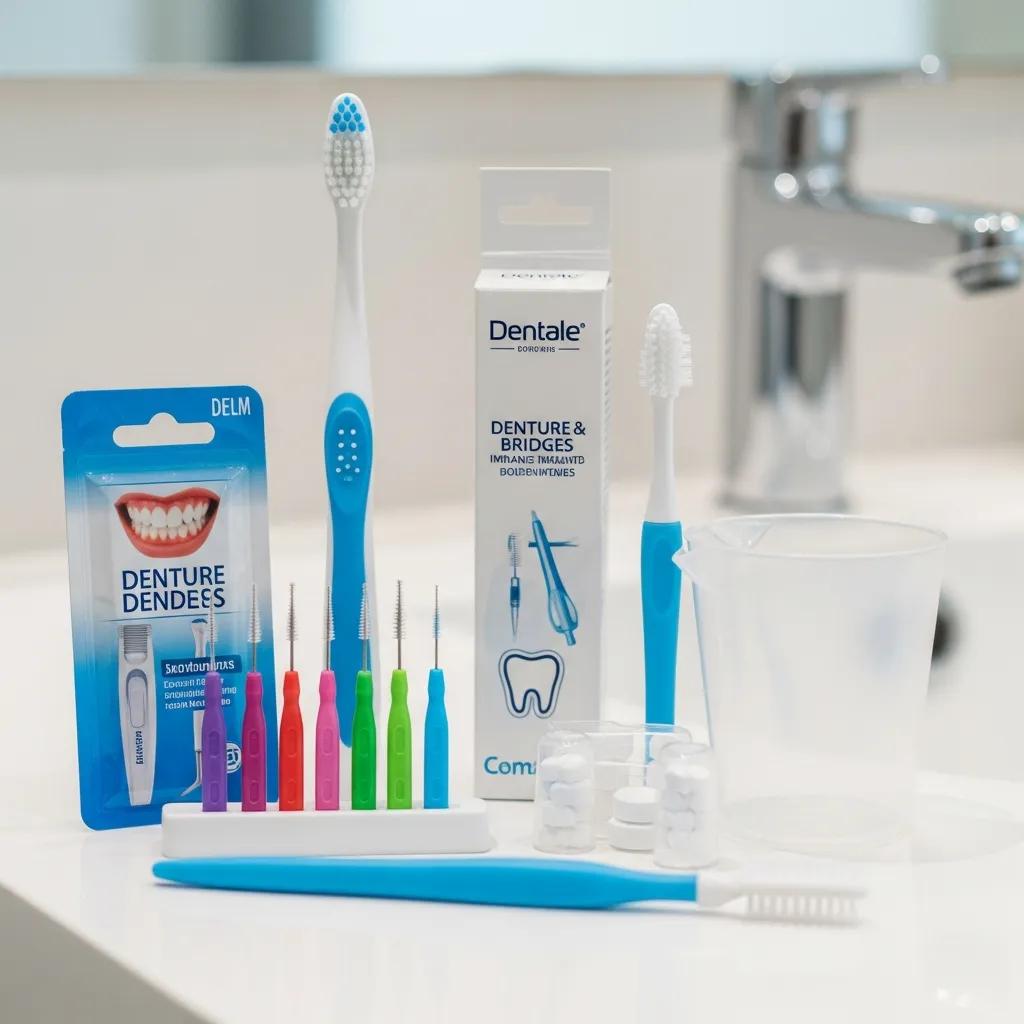
Daily cleaning techniques differ significantly among dental implants, bridges, and dentures. For dental implants, patients should use a soft-bristled toothbrush and non-abrasive toothpaste to clean the implant and surrounding gums. Flossing or using interdental brushes is also crucial to remove plaque from hard-to-reach areas. In contrast, bridges require careful brushing and the use of floss threaders or interdental brushes to clean under the pontic and around the abutment teeth to prevent decay. Dentures, on the other hand, should be removed and cleaned with a denture brush and cleanser to avoid damage and maintain hygiene. Regular cleaning helps prevent complications such as infections and decay, ensuring the longevity of each prosthetic.
Which Hygiene Products Are Best for Each Dental Prosthesis?
Selecting the right hygiene products is essential for maintaining dental implants, bridges, and dentures. For implants, antibacterial mouthwash and non-abrasive toothpaste are recommended to prevent plaque buildup. Bridges benefit from specialized floss such as floss threaders or interdental brushes designed to clean around the abutment teeth effectively. Denture wearers should use denture-specific cleansers that are gentle yet effective in removing food particles and stains. Using the appropriate products not only enhances cleaning efficiency but also contributes to overall oral health.
The importance of effective denture cleaning products is a recognized area of ongoing research and development.
Denture Cleaning Products Research Needs
denture cleaning products on the Brazilian market, and a need exists for further research with reference to these products.
Analysis of the effectiveness of different hygiene procedures used in dental prostheses, 2011
How Often Should You Schedule Professional Maintenance for Implants, Bridges, and Dentures?
Regular professional maintenance is crucial for the longevity of dental prosthetics. Each type of prosthesis has specific recommendations for checkup frequency, which can help identify potential issues before they escalate.
What Is the Recommended Frequency for Dental Implant Checkups?
For dental implants, it is generally recommended to schedule checkups every six months. During these visits, dental professionals can assess the health of the implant and surrounding tissues, ensuring that any signs of infection or complications are addressed promptly. Regular checkups help maintain the integrity of the implant and support long-term success.
When Should Bridges and Dentures Be Professionally Evaluated?
Bridges and dentures should also be evaluated regularly, typically every six to twelve months. Signs that indicate a need for evaluation include discomfort, difficulty in chewing, or visible wear. Timely evaluations can prevent more significant issues, such as damage to the underlying teeth or the need for replacement, ultimately saving patients time and money.
What Are Common Complications from Poor Maintenance of Implants, Bridges, and Dentures?
Neglecting the maintenance of dental prosthetics can lead to various complications that may affect oral health and overall well-being. Understanding these risks is essential for patients to prioritize their dental care.
What Risks Are Associated with Neglecting Dental Implant Care?
Poor maintenance of dental implants can result in complications such as peri-implantitis, an infection that affects the tissues surrounding the implant. This condition can lead to implant failure if not addressed promptly. Additionally, neglecting care can result in bone loss around the implant, compromising its stability and longevity. Regular cleaning and professional checkups are vital to prevent these risks.
Research further emphasizes the critical role of consistent supportive therapies in safeguarding dental implants against common complications.
Supportive Peri-Implant Therapies for Preventing Implant Loss
ABSTRACT: ABSTRACTObjectivesTo study the efficacy of supportive peri-implant therapies in preventing clinical and radiological signs of peri-implantitis and implant loss.Material and MethodsLongitudinal human studies, published between January 1, 2006, and February 1, 2016, were included based on an electronic search using MEDLINE and EMBASE databases and complemented by a manual search. Articles were included only if 1) they comprised a group of patients involved in/adhering to regular supportive peri-implant therapies (SPTs) and a control group without such therapies or with poor adherence to them, 2) the protocol of the SPTs was clearly described and 3) the outcome was indicated by means of clinical/radiological changes or implant loss.
The efficacy of supportive peri-implant therapies in preventing peri-implantitis and implant loss: a systematic review of the literature, A Ramanauskaite, 2016
How Does Plaque Accumulation Affect Bridges and Dentures?
Plaque accumulation on bridges and dentures can lead to serious complications, including decay of the abutment teeth and gum disease. For dentures, plaque buildup can cause bad breath and discoloration, making them less aesthetically pleasing. Maintaining proper hygiene through regular cleaning and professional evaluations is essential to prevent these issues and ensure the longevity of the prosthetics.
How Does Long-Term Care Impact the Longevity of Dental Implants Compared to Bridges and Dentures?
Long-term care plays a significant role in determining the lifespan of dental implants, bridges, and dentures. Each type of prosthesis has unique maintenance needs that can affect their durability.
What Are Best Practices for Ensuring Implant Durability Over Time?
To ensure the durability of dental implants, patients should adhere to a strict oral hygiene routine that includes brushing, flossing or using interdental brushes, and using antibacterial mouthwash. Additionally, avoiding excessively hard foods and maintaining regular dental checkups can help prevent complications. Following these best practices can significantly extend the lifespan of dental implants, making them a reliable long-term solution.
How Do Bridges and Dentures Compare in Terms of Lifespan and Maintenance Needs?
Bridges typically last between 5 to 15 years, depending on the quality of care, materials used, and the health of the abutment teeth. In contrast, dentures may need to be replaced or relined every 5 to 8 years due to wear and changes in the mouth’s structure. Both require regular maintenance and professional evaluations to ensure their effectiveness and longevity. Understanding these differences can help patients make informed decisions about their dental care.
What Are the Cost Implications of Maintaining Dental Implants Versus Bridges and Dentures?
The cost of maintaining dental prosthetics varies significantly among implants, bridges, and dentures. Understanding these financial implications is crucial for patients when considering their options.
How Do Maintenance Costs Differ Among Implants, Bridges, and Dentures?
Maintenance costs for dental implants can be higher initially due to the surgical procedure involved. However, the long-term costs may be lower compared to bridges and dentures, which often require more frequent replacements, adjustments, and relining. Regular professional cleanings and checkups for all types of prosthetics can add to the overall cost, but they are essential for preventing complications and ensuring longevity.
Understanding the broader financial landscape of dental prosthetics, including long-term costs and cost-effectiveness, is essential for informed decision-making.
Health Economic Implications of Dental Implants
Prosthetic restorations, such as fixed dental prostheses, are frequently indicated for the replacement of missing teeth. This review aims to evaluate the health economic implications (e.g., costs, cost-effectiveness, or long-term disaggregated costs) or cost-effectiveness of implant-based prostheses used for the replacement of missing teeth.
Evaluating the health economic implications and cost-effectiveness of dental implants: a literature review., 2013
Dental Prosthesis
Initial Cost
Maintenance Cost
Lifespan
Dental Implants
High
Low to Moderate
15-25 years or more
Bridges
Moderate
Moderate
5-15 years
Dentures
Low
Moderate to High
5-8 years
This table illustrates the cost implications associated with each type of dental prosthesis, highlighting the importance of considering both initial and ongoing expenses.
Are There Affordable Care Options for Dental Implant Maintenance in Waco?
For residents in Waco, there are affordable care options available for dental implant maintenance. Many dental offices offer flexible payment plans and financing options to help patients manage the costs associated with maintaining their dental implants. Seeking out these options can make it easier for patients to prioritize their oral health without financial strain.
What Are the Best Practices for Daily Hygiene to Maximize Patient Satisfaction?
Establishing effective daily hygiene practices is essential for maximizing patient satisfaction and ensuring the longevity of dental prosthetics. Understanding these practices can help patients maintain their oral health effectively.
Which Cleaning Steps Are Essential for Implant Patients?
For implant patients, essential cleaning steps include brushing twice daily with a soft-bristled toothbrush, flossing or using interdental brushes around the implant, and using an antibacterial mouthwash. These practices help prevent plaque buildup and maintain the health of the surrounding gums. Additionally, patients should avoid using abrasive products that could damage the implant surface.
How Can Patients Effectively Care for Bridges and Dentures at Home?
Patients with bridges and dentures should adopt a cleaning routine that includes brushing their prosthetics daily with a denture brush and cleanser. Soaking dentures in a cleaning solution overnight can also help remove stains and bacteria. Regularly checking for signs of wear or discomfort is crucial for ensuring the effectiveness of these prosthetics and maintaining overall oral health.
How Can You Prevent Common Maintenance Issues with Dental Prostheses?
Preventing common maintenance issues is essential for ensuring the longevity and effectiveness of dental prosthetics. Understanding potential problems and their solutions can help patients maintain their oral health.
What Are Early Signs of Implant or Bridge Problems to Watch For?
Early signs of problems with implants or bridges may include discomfort, swelling, bleeding gums, or changes in bite alignment. Patients should be vigilant in monitoring these symptoms and seek professional evaluation if they occur. Early intervention can prevent more significant issues and ensure the continued success of the prosthetics.
How Does Proper Adhesive Use Improve Denture Hygiene?
Using the right adhesive for dentures can significantly improve hygiene by ensuring a secure fit and preventing food particles from accumulating underneath. Patients should choose adhesives that are specifically designed for dentures and follow the manufacturer’s instructions for application. Proper adhesive use not only enhances comfort but also contributes to better oral hygiene.
Where Can You Schedule a Free Consultation for Dental Implant Maintenance in Waco?
For those seeking professional guidance on dental implant maintenance, scheduling a consultation is a valuable step. Understanding the process and what to expect can help patients feel more prepared.
How to Book Your Appointment for Implant Care at Affordable Dentist Near Me
Booking an appointment for dental implant care at Affordable Dentist Near Me of Waco is straightforward. Patients can call the office or visit the website to schedule a free consultation. During this appointment, patients will receive personalized advice on maintaining their implants and addressing any concerns they may have.
What to Expect During Your Free Dental Implant Consultation
During the free dental implant consultation, patients can expect a thorough evaluation of their oral health and a discussion of their specific needs. The dental team will provide recommendations for maintenance and answer any questions regarding the care of dental implants. This consultation is an excellent opportunity for patients to gain insights into their dental health and establish a plan for ongoing care.
To further assist you, schedule a free consultation at Affordable Dentist Near Me to discuss your dental implant maintenance needs.