Unbelievable Smile Transformations With Dental Implants in Longview: Your Complete Guide to Life-Changing Smile Makeovers
A transformed smile can change how you feel, how you’re perceived, and how you live, restoring confidence and everyday function in ways that cosmetic tweaks alone cannot. This guide explains how dental implant smile transformations work, why they produce such striking aesthetic and functional results, and which options suit different needs — with a special focus on Longview, TX. Readers will learn what implants are, the clinical and emotional benefits of implant-supported restorations, step-by-step treatment pathways from consultation to final restoration, realistic cost drivers, and how to prepare for a full-mouth transformation. The article also walks through before-and-after evidence, long-term care practices, and comparisons to dentures and bridges so you can assess value and expected outcomes. Finally, practical local details explain how Affordable Dentist Near Me of Longview approaches implant care, financing access, and scheduling a free consultation to begin your smile makeover journey.
What Are Dental Implants and How Do They Transform Your Smile?
Dental implants are replacement tooth roots — typically biocompatible posts surgically anchored into the jawbone — that support individual crowns, bridges, or full-arch prosthetics to recreate both the look and function of natural teeth. They transform smiles by providing stable foundations for prosthetic teeth, preserving jawbone volume through load transfer, and enabling precise, natural-looking restorations that match gum contours and tooth color. Because implants integrate with bone (osseointegration), they restore chewing efficiency and speech while preventing the facial collapse commonly seen with long-term tooth loss. Understanding the implant components and the reasons they deliver superior esthetics and function helps patients appreciate why implants are often the best long-term restorative choice. The next sections unpack implant anatomy, aesthetic outcomes, available implant types, and why implants are considered a permanent solution for missing teeth.
What Is a Dental Implant and How Does It Work?
A dental implant consists of three main parts: the implant post (fixture) that is placed into bone, an abutment that connects the post to the prosthetic, and a crown or prosthesis that recreates the visible tooth. The implant post, usually made from biocompatible materials, acts as an artificial root; over weeks to months it bonds with bone through osseointegration, creating a stable support. This biological integration allows the implant to withstand chewing forces much like a natural tooth, reducing harmful movement and preserving nearby teeth. By restoring root function, implants also maintain facial support and prevent the progressive bone resorption that follows tooth loss. Understanding these components clarifies why the clinical outcome of an implant often feels and functions like a natural tooth.
Optimizing Osseointegration in Dental Implantology: Current and Emerging Strategies
Dental implants are a usual treatment for the loss of teeth. The success of this therapy is due to the predictability, safety and longevity of the bone–implant interface. Dental implant surface characteristics like roughness, chemical constitution, and mechanical factors can contribute to the early osseointegration.
How Do Dental Implants Enhance Smile Aesthetics and Function?
Implants enhance smile aesthetics by supporting restorations that are individually shaped, color-matched, and positioned to complement gum architecture and facial proportions. Functionally, implants restore effective chewing surfaces, improving bite force distribution and dietary freedom compared with removable appliances. They also stabilize surrounding teeth, preventing undesired migration and preserving occlusion, which contributes to long-term oral harmony. Because implants transfer functional forces to bone, they maintain jawbone height and contour, which is critical to preserving facial profile and preventing a sunken appearance. These combined aesthetic and functional gains explain why many patients report not only better dental performance but increased confidence and social comfort after implant treatment.
What Types of Dental Implants Are Available for Smile Makeovers?
Implant therapy includes solutions for a range of needs: single-tooth implants for isolated gaps, multiple implants supporting bridges for adjacent missing teeth, full-arch strategies such as All-on-4 for replacing an entire dental arch, and implant-supported dentures that improve stability for removable prostheses. Material choices commonly include titanium implants and ceramic or zirconia options, where zirconia can offer an all-ceramic solution for patients seeking metal-free restorations. Indications vary by clinical situation: single implants suit isolated tooth loss, while All-on-4 or full-arch approaches are designed for extensive tooth loss or failing dentition. A quick reference table clarifies distinctions across popular implant formats and their typical benefits.
Different implant types and materials help clinicians match restorative goals to patient-specific esthetic and functional needs.
Strong support, fewer implants than single replacements, good for posterior function
All-on-4 / full-arch implants
Full upper or lower arch replacement
Stable fixed solution using strategic implant placement, shorter treatment time vs many individual implants
Implant-supported denture
Patients wanting removable or hybrid prosthesis
Improved retention and chewing compared with conventional dentures, option to convert to fixed restorations
Zirconia (ceramic) implants
Metal-free restorative preference
Esthetic advantage for thin gum biotypes, lower visibility of margins in front teeth
All-on-4 Concept for Full-Arch Maxillary Rehabilitation: A Longitudinal Study
The All-on-4 concept in the full-arch maxillary rehabilitation, registering a 99.2% prosthetic success rate and a 93.9% cumulative implant success rate over a mean follow-up of 7.5 years.
Why Are Dental Implants Considered a Permanent Solution for Missing Teeth?
Dental implants are considered a long-term solution because the implant-bone integration provides mechanical stability and biological support that traditional replacements cannot match. The permanence depends on proper surgical placement, restoration quality, patient health, and consistent maintenance, but many implants function reliably for decades when cared for properly. Implants avoid the need to alter adjacent healthy teeth, unlike conventional bridges, reducing long-term structural compromise within the mouth. Regular professional follow-ups and home hygiene sustain implant health and detect early issues; with these measures, implants often outperform alternatives in longevity and patient satisfaction. Understanding the conditions that promote long-term success — bone quality, controlled systemic health factors, and regular maintenance — is key when evaluating implants as a permanent choice.
Surface Roughness of Dental Implants and Osseointegration
Dental implants are a usual treatment for the loss of teeth. The success of this therapy is due to the predictability, safety and longevity of the bone–implant interface. Dental implant surface characteristics like roughness, chemical constitution, and mechanical factors can contribute to the early osseointegration.
How Does the Dental Implant Smile Transformation Process Work at Affordable Dentist Near Me of Longview?
The implant smile transformation process combines thorough diagnostics, careful surgical placement, a healing phase for osseointegration, and precision restoration to reveal the final smile; each stage focuses on function, esthetics, and the patient’s comfort. Diagnostic planning often uses 3D imaging and digital scans to map bone volume and prosthetic outcomes, enabling guided surgical approaches when appropriate. Surgical placement is then performed with anesthesia and, if needed, sedation dentistry to ensure comfort, and patients receive clear post-operative instructions for optimal healing. After osseointegration, abutments and restorations are designed — often leveraging CAD/CAM workflows — and a custom prosthesis is delivered with adjustments for bite and esthetics. The practice emphasizes personalized planning and technology-driven accuracy to support predictable transformations.
At Affordable Dentist Near Me of Longview, the team integrates advanced imaging, sedation options, and an in-house laboratory for customized restorations to streamline the clinical pathway. Patients are invited to a free implants consultation to review candidacy, treatment sequencing, and financing possibilities, and the clinic prioritizes comfort and individualized restorative goals at each visit.
What Happens During the Initial Consultation and Personalized Treatment Planning?
The initial consultation begins with a comprehensive medical and dental history review, an oral examination, and imaging to evaluate jawbone, tooth position, and soft-tissue contours. Diagnostic steps typically include digital X-rays and 3D scans that feed into treatment planning software to visualize implant placement and final prosthetic outcomes. During this visit, the clinician explains options — single implants, bridges, All-on-4, or implant-supported dentures — and outlines potential adjunctive procedures such as bone grafting when needed. The team also discusses sedation choices for anxious or complex cases and provides an overview of estimated timelines and financing pathways to set realistic expectations. Patients leave the consultation with a personalized plan and next steps to prepare for surgery if they choose to proceed.
What Are the Steps Involved in the Implant Placement Procedure?
Implant placement begins with pre-operative preparation including medical review, local anesthesia, and optional sedation to maximize comfort and safety during the procedure. Surgically, a small incision exposes the bone, a precise osteotomy (site preparation) is created, and the implant post is positioned at the planned depth and angulation; this process is guided by digital planning when used. Temporary restorations may be provided immediately in select cases, while others receive provisional appliances during the osseointegration period that follows. Post-operative care focuses on pain management, infection prevention, and dietary guidance to support healing, and follow-up visits confirm proper integration ahead of restorative steps. These surgical and recovery phases are designed to minimize complications while promoting predictable bone integration.
How Is the Restoration Completed to Reveal Your New Smile?
Once healing is sufficient, the restorative phase involves placing abutments and taking precise impressions or digital scans that capture gum contours and opposing dentition for accurate prosthetic design. The in-house laboratory or digital workflow fabricates crowns, bridges, or full-arch prostheses using esthetic materials and shade-matching to achieve a natural appearance. The clinician then fits the restoration, checks occlusion and phonetics, makes necessary adjustments, and polishes final surfaces to blend with surrounding teeth and tissues. Final delivery includes instructions on care, maintenance scheduling, and a plan for periodic professional cleanings to monitor the implant and prosthesis. The restoration reveals the new smile and restores function while reinforcing long-term preservation of jawbone and soft tissues.
How Does Sedation Dentistry Ensure Comfort and Safety During the Procedure?
Sedation dentistry reduces anxiety and pain perception through tailored options such as nitrous oxide, oral sedatives, or monitored IV sedation, depending on patient needs and procedural complexity. Safety protocols include pre-sedation screening, appropriate fasting instructions, continuous monitoring of vital signs during the procedure, and recovery supervision to ensure safe emergence from sedation. Sedation can improve procedural tolerance for patients with dental fear, complex surgical plans, or extensive full-arch treatments, enabling the clinician to work efficiently and precisely. Communication about sedation choices happens during the consultation so patients understand benefits, risks, and logistical requirements like having a companion for post-procedure transportation. Together, sedation protocols and surgical monitoring promote a comfortable, controlled environment for transformative implant care.
What Are the Real Results? Before and After Dental Implant Smile Transformations in Longview
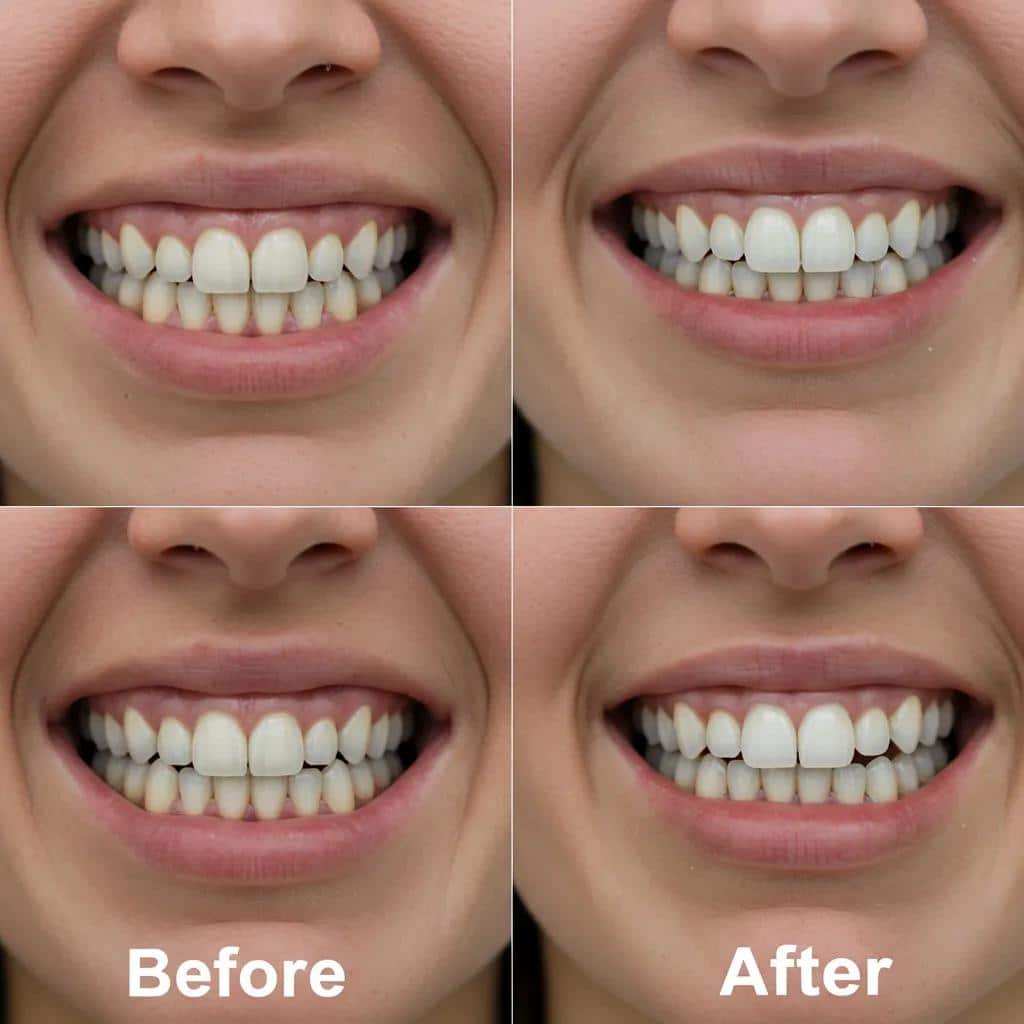
Real results from implant-driven smile makeovers combine measurable functional improvement with clear esthetic changes; before-and-after documentation demonstrates gum contour restoration, tooth alignment, and facial support that often translates into visible confidence gains. High-quality photographic records and case summaries illustrate how implant type, prosthetic design, and tissue management influence final outcomes across single-tooth and full-arch cases. Well-documented case studies also show how improved chewing ability and reduced denture movement translate into dietary freedom and social comfort. To assess credibility, patients should look for consistent lighting, angles, and contextual captions explaining the clinical challenges and solutions used in each case. The next subsections explain how to interpret images, what testimonials typically emphasize, and how full-mouth transformations affect daily life.
How Do Before and After Photos Demonstrate Unbelievable Smile Transformations?
Before-and-after photos reveal technical details that underlie esthetic success: corrected midlines, improved gum symmetry, proper tooth proportions, and harmonious color matching that mimic natural dentition. When photos include explanatory captions, viewers can understand the underlying treatment sequence — for example, whether bone grafting or soft-tissue refinement preceded implant placement — which builds trust in the shown outcome. Interpreting images requires attention to consistent photographic technique to avoid misleading contrasts; reliable galleries include neutral backgrounds and multiple angles to show occlusion and soft-tissue contours. Good photographic evidence supports informed expectations and helps patients visualize realistic improvements, connecting clinical objectives to aesthetic outcomes. Choosing a provider who documents cases comprehensively gives prospective patients a clearer sense of likely results.
What Do Patient Testimonials Reveal About Their Life-Changing Experiences?
Patient testimonials commonly highlight restored confidence, improved ability to eat favorite foods, relief from denture-related limitations, and emotional benefits such as smiling freely in social settings. These narratives often underscore the stepwise nature of treatment and the value of clear communication, comfortable sedation options, and personalized restorative design in achieving satisfying outcomes. Authentic testimonials paired with case images strengthen claims about both functional and psychosocial improvements, especially when they describe specific lifestyle changes like returning to favorite foods or social activities. While testimonials are subjective, recurring themes across many patients reveal consistent advantages of implant therapy beyond appearance alone. Prospective patients should review testimony context and seek examples that align with their own goals.
How Do Full Mouth Dental Implant Transformations Restore Confidence and Quality of Life?
Full-mouth implant restorations restore structural support for facial tissues, improving facial profile and often reversing the sunken appearance associated with long-term tooth loss and conventional dentures. Functionally, full-arch solutions enable stable biting and rigorous chewing, which broadens dietary choices and improves nutrition and enjoyment of meals. Psychosocially, the reliability and permanence of fixed implant prostheses reduce social anxiety and self-consciousness related to tooth movement, slippage, or speech issues common with removable appliances. Long-term, many patients report improved self-image, greater social engagement, and fewer oral-health limitations after full-mouth treatments. These life-quality shifts illustrate why comprehensive implant approaches are considered transformative on both physical and emotional levels.
Why Choose Affordable Dentist Near Me of Longview for Your Dental Implant Smile Makeover?
Affordable Dentist Near Me of Longview offers implant care that blends access, technology, and personalized workflows designed to achieve esthetic and functional goals while prioritizing patient comfort. The practice highlights everyday low fees and flexible financing as part of making implants more accessible, and it provides a free implant consultation to help patients understand personalized options and costs. Clinically, their approach leverages state-of-the-art imaging and an in-house laboratory to streamline restorative customization and reduce turnaround time for prostheses. The team emphasizes coordinated care across dental specialties — surgical placement, prosthodontic design, and laboratory fabrication — to support predictable outcomes. For patients seeking a balance of affordability, technology, and comfort in Longview, this practice aims to offer an approachable path to a life-changing smile.
What Expertise Do Our Experienced Implant Dentists Bring to Your Smile Transformation?
Experienced implant teams coordinate surgical and restorative phases to ensure that implant placement aligns precisely with final prosthetic goals, which is essential for predictable esthetics and function. A team-based model typically involves collaboration between clinicians skilled in oral surgery, prosthetic restoration, and laboratory technicians who tailor the final prosthesis to tissue contours and facial aesthetics. This interdisciplinary approach reduces surprises during restoration and supports a smoother transition from provisional to final prosthetics. Clinicians also integrate digital planning tools to enhance precision and reduce chairside adjustments, contributing to consistent, patient-centered outcomes. Patients benefit when expertise is combined with clear communication and coordinated sequencing across surgical and restorative care.
How Do Our Affordable Pricing and Flexible Financing Make Implants Accessible?
Making implant care accessible involves transparent discussions about cost drivers, flexible financing programs that split treatment into manageable payments, and everyday low fee positioning to reduce sticker shock for many patients. A free implant consultation provides a no-obligation opportunity to review individualized treatment plans and financing options so patients can weigh alternatives and timeline choices. By offering multiple payment pathways, the practice helps patients prioritize oral-health investments without delaying care due to short-term budget constraints. This accessibility strategy invites more patients to consider implant solutions that align with long-term value rather than immediate outlay. Prospective patients are encouraged to use the consultation to explore affordability in the context of their personalized clinical plan.
What State-of-the-Art Technology Supports Precise and Predictable Implant Results?
Modern implant workflows depend on technologies such as 3D CBCT imaging, digital intraoral scanning, computer-guided surgical planning, and CAD/CAM fabrication in an in-house laboratory for accurate, aesthetic restorations. CBCT imaging provides volumetric bone assessment and critical anatomical mapping that inform safe implant placement and reduce intraoperative surprises. Digital scans and CAD/CAM processes enable precise prosthetic design and repeatable fit, while an on-site lab allows expedited customization of prosthetic components and fine-tuning of shade, contour, and occlusal contacts. Together, these technologies shorten turnaround times, improve predictability, and enhance the esthetic integration of the final restoration. Patients benefit from the accuracy of digital planning and the efficiency of local lab fabrication for a more seamless smile transformation experience.
What Are the Long-Term Benefits and Care Tips for Your New Implant-Supported Smile?
Implant-supported restorations promote long-term oral health by preserving adjacent tooth structure, maintaining jawbone volume, and restoring masticatory function that supports nutrition and overall wellbeing. With consistent daily care and scheduled professional maintenance, implants can remain healthy for many years and often exceed the lifespan of removable alternatives. Best practices focus on home hygiene tailored to implants, routine professional cleanings that monitor peri-implant tissues, and early attention to any signs of inflammation to prevent complications. Understanding the biologic mechanisms underlying bone preservation clarifies why implants are more than an aesthetic fix; they actively contribute to long-term oral stability. The following subsections detail bone preservation, expected longevity considerations, and daily care practices.
How Do Dental Implants Improve Oral Health and Preserve Jawbone Structure?
Dental implants transfer chewing forces into the jawbone in a manner that stimulates bone maintenance, similar to the stimulation provided by natural tooth roots, which helps prevent resorption. Unlike removable dentures that sit on soft tissues and accelerate bone loss through pressure and lack of load transfer, implants maintain functional stimulus that stabilizes bone levels over time. When bone volume is insufficient, adjunctive procedures such as bone grafting recreate a foundation for implants, enabling predictable long-term outcomes. By preserving bone and avoiding unnecessary alteration of adjacent teeth, implants support the biomechanical integrity of the entire dental arch. These biologic advantages underlie many of the restorative and aesthetic benefits implants provide.
Surface Roughness of Dental Implants and Osseointegration
Dental implants are a usual treatment for the loss of teeth. The success of this therapy is due to the predictability, safety and longevity of the bone–implant interface. Dental implant surface characteristics like roughness, chemical constitution, and mechanical factors can contribute to the early osseointegration.
How Long Do Dental Implant Smile Makeovers Last?
While individual outcomes vary, implant restorations are intended as durable, long-term solutions when patients adhere to recommended hygiene and follow-up schedules; the structural components and integration with bone contribute to lasting performance. Factors that influence lifespan include oral hygiene habits, smoking status, systemic health, the quality of bone, the restorative material chosen, and regular professional monitoring to detect early issues. Periodic maintenance visits allow clinicians to manage wear, replace prosthetic components like crowns when necessary, and treat emerging soft-tissue inflammation before it compromises the implant. By approaching implants as a long-term investment — with routine care and timely interventions — patients maximize the functional and esthetic lifetime of their smile transformation.
What Are the Best Practices for Caring for Your Dental Implants?
Daily care for implants includes mechanical removal of plaque around prosthetic margins using soft-bristled brushes, interdental brushes sized appropriately for spaces around implants, and floss or water-irrigation tools to clean beneath prosthetic connectors. Professional hygiene visits should occur at intervals determined by the clinician — commonly every three to six months initially — to assess tissue health, occlusion, and prosthetic integrity. Patients should watch for warning signs like persistent redness, bleeding, mobility, or unusual discomfort and report these promptly to prevent progression. Avoiding tobacco and managing systemic health factors such as diabetes also supports implant longevity by promoting better healing and tissue resilience. These maintenance practices protect both the implant hardware and the surrounding biologic structures that sustain a successful outcome.
How Much Does a Full Mouth Dental Implant Transformation Cost in Longview?
Cost for a full-mouth dental implant transformation depends on multiple variables: the number and type of implants, whether bone grafting or sinus lifts are required, the choice of restorative materials, lab customization labor, and whether sedation or additional surgical steps are needed. Because individual anatomy and restorative goals drive the treatment plan, exact prices are case-specific; transparent consultations and diagnostic imaging are essential to produce an accurate estimate. Financing and a free implant consultation can help patients understand cost breakdowns and explore payment options that fit their budgets without compromising clinical quality. The following structured table outlines common cost factors and notes on typical impact so readers can grasp what drives overall treatment investment.
Cost transparency helps patients prepare and prioritize treatments that provide the best long-term value.
Cost Component
Why it Matters
Typical impact / notes
Number of implants
Directly affects hardware and surgical time
More implants increase material and lab costs proportionally
Bone grafting / sinus lift
Restores insufficient bone for stable placement
Adds surgical time and materials, may extend timeline
Restoration materials
Ceramic, zirconia, or hybrid prostheses vary in cost
Higher esthetic or durable materials increase lab expense
In-house lab customization
Local fabrication can improve fit and aesthetics
Adds skilled lab labor but can reduce external lab turnaround
Sedation & anesthesia
Enhances comfort for complex or anxious patients
Adds monitoring and personnel costs
What Factors Influence the Cost of Dental Implant Smile Makeovers?
Key cost drivers include the scope of tooth replacement (single, multiple, or full-arch), the need for preparatory procedures like extractions or grafting, selection of restorative materials, and whether custom in-house laboratory fabrication is used. Surgical complexity, use of guided implant placement technology, and sedation choices also affect fees by increasing procedure time and resources. Geographic practice factors and the practice’s approach to fee structuring influence out-of-pocket expectations; some practices position everyday low fees or offer phased treatment to spread cost. Because cost is multifactorial and unique to each mouth, a free consultation with diagnostic imaging is the most reliable way to obtain an accurate estimate and financing discussion.
How Can Flexible Financing and Free Consultations Help You Afford Dental Implants?
Free implant consultations provide an upfront opportunity to understand which treatments are essential and which can be staged to fit a patient’s budget while still moving toward a full smile transformation. Flexible financing plans allow patients to distribute payments over time, making implant care accessible without compromising on materials or procedural quality. By comparing phased treatment strategies, patients often find ways to prioritize functional needs first — for example, stabilizing posterior segments — while planning esthetic refinements in subsequent phases. Discussing financing during the consultation helps patients make informed choices about timing and scope, enabling them to commit to long-term solutions that offer the best value for both oral health and life-quality improvement.
What Are the Most Common Questions About Smile Transformations With Dental Implants?
Common patient questions focus on value, recovery, scope, and safety: whether implants are worth the investment, how long recovery takes, whether implants can fix complex esthetic problems, and what risks are involved. Clear, concise answers reduce uncertainty and support decision-making by explaining the trade-offs between long-term benefits and upfront investment. This section addresses these concerns directly with practical guidance and encourages patients with specific medical or anatomical questions to book a free consultation for personalized advice. The subsections below answer each typical question in turn.
Are Dental Implants Worth It for a New Smile?
Yes — for many patients, dental implants are worth the investment because they restore durable function, protect jawbone, and provide superior esthetics compared with removable options. The long-term value comes from avoiding repeated prosthetic replacements, preserving adjacent teeth, and improving daily quality of life through better chewing and social confidence. Cost, time commitment, and medical suitability vary by individual, so value is best assessed in the context of a personalized plan that compares alternatives and timelines. Patients who prioritize longevity, stability, and natural appearance find implants especially compelling despite higher initial investment. A free consultation helps weigh these factors for individual circumstances.
How Long Is the Recovery After Dental Implant Surgery?
Immediate recovery from surgical placement typically involves several days of mild-to-moderate discomfort, swelling, and limited diet recommendations, with most patients returning to normal activities within a few days to a week. Full osseointegration, during which bone bonds to the implant, usually takes weeks to a few months depending on site and biological factors; definitive restorations are placed once integration is clinically confirmed. During healing, following care instructions — such as soft diet, oral hygiene modifications, and avoiding tobacco — accelerates recovery and reduces complications. Sedation choices and minimally invasive techniques can shorten perceived recovery and improve comfort during the early postoperative period. Understanding the two-tier timeline — immediate recovery versus long-term integration — sets realistic expectations for patients.
Can Dental Implants Fix a Bad Smile or Multiple Missing Teeth?
Dental implants can address a wide range of esthetic and functional problems, from single missing teeth that disrupt a smile line to multiple missing teeth and full-arch collapse that affect facial support. Complex cases may require adjunctive procedures such as bone grafting, soft-tissue augmentation, or orthodontic alignment to optimize implant placement and final esthetics. For extensive aesthetic issues, a staged approach often combines surgical and restorative steps to rebuild structure before delivering the final prosthesis. With proper planning and interdisciplinary care, implants frequently correct both functional deficits and cosmetic concerns that previously seemed unfixable with conventional methods. Personalized evaluation determines the right combination of procedures to achieve predictable outcomes.
What Are the Risks and Safety Measures Associated With Dental Implants?
Common risks include infection, minor bleeding, and the possibility of implant failure, though careful diagnostic planning, sterile surgical protocols, and follow-up monitoring significantly reduce these occurrences. Imaging and guided planning help avoid anatomical complications, while patient selection, systemic health management, and smoking cessation lower peri-implant risks. Early detection of soft-tissue inflammation allows prompt intervention and preserves long-term implant health. Providers mitigate risks through thorough pre-operative assessment, evidence-based surgical technique, and detailed post-operative instructions that support optimal healing. Understanding these precautions and following clinician guidance substantially minimizes the likelihood of complications.
How Do Dental Implants Compare to Other Smile Restoration Options?
Dental implants differ from dentures and bridges in support mechanism, longevity, maintenance, and impacts on bone preservation; these distinctions drive different outcomes for appearance and chewing function. Whereas bridges rely on neighboring teeth for support and dentures rest on mucosa, implants anchor into bone and preserve alveolar structure through functional loading. The comparison below helps patients evaluate trade-offs in durability, aesthetics, maintenance, and clinical appropriateness so they can select the restorative pathway that best meets their goals. The EAV table highlights key comparative attributes across implants, dentures, and bridges for quick reference.
Restoration Option
Primary support mechanism
Typical advantages
Dental implants
Osseointegrated implant in bone
Superior stability, bone preservation, natural function
Fixed bridge
Adjacent natural teeth
Less surgery, quicker restoration when adjacent teeth are healthy
Conventional denture
Soft-tissue/mucosal support
Lower initial cost, removable for hygiene, less invasive initially
What Are the Differences Between Dental Implants, Dentures, and Bridges?
Implants replace lost roots and provide fixed support for prostheses; bridges use neighboring teeth as anchors and require tooth preparation; dentures rest on soft tissues and are removable. Maintenance differs: implants require implant-specific hygiene and periodic professional checks, bridges require care for abutment teeth, and dentures need relining and periodic refitting as bone changes. Aesthetic outcomes vary with case selection; implants can deliver the most natural emergence profile and tissue support, while dentures and bridges may require compromise in certain anatomical situations. Clinical appropriateness depends on factors such as bone volume, adjacent tooth condition, timeline, and patient preferences. Evaluating these differences helps patients choose the option that best matches their functional and aesthetic priorities.
Why Are Dental Implants Considered Superior for Smile Makeovers?
Implants are often superior for smile makeovers because they restore both root and crown function, which preserves bone and supports natural soft-tissue contours critical to esthetic outcomes. They provide unmatched stability for chewing and speaking and avoid sacrificing adjacent healthy teeth as bridges can require. For full-arch and complex reconstructions, implant solutions enable fixed prostheses that replicate natural function and appearance more reliably than removable alternatives. However, implants require surgical placement and careful planning, and cost considerations may lead some patients to choose other routes; these trade-offs should be discussed openly with a clinician to select the most appropriate restorative strategy. When long-term esthetics and function are the primary goals, implants frequently represent the best-value option.
How Can You Schedule Your Free Dental Implant Consultation in Longview Today?
Scheduling a free dental implant consultation in Longview begins by contacting the practice through their online scheduling tools or by locating their Google Business Profile to request an appointment; during the consultation you will receive an exam, imaging review, and a personalized treatment overview. Prepare for the visit by compiling medical history, a list of current medications, and any images or dental records you already have to help speed the diagnostic process. The consultation is informational and designed to provide a clear roadmap — including potential next steps, financing discussions, and timing — without obligation. After the consultation, patients receive a personalized plan and can schedule surgical or restorative appointments when ready. Below are practical tips for what to expect and how to prepare for the visit.
What Should You Expect During Your Free Implant Consultation?
Expect a structured visit: a thorough oral exam, digital imaging if indicated, discussion of aesthetic goals, and a review of treatment alternatives tailored to your anatomy and lifestyle. The clinician will explain recommended procedures, potential adjunctive treatments like grafting if needed, and an estimated timeline from placement to final restoration. Financial options and the practice’s everyday low fees or financing choices will be discussed so you can evaluate affordability. There is no obligation to proceed; the consultation’s purpose is to clarify candidacy and provide a transparent plan for moving forward. Patients leave with actionable next steps and a clearer view of what the treatment journey entails.
How to Prepare for Your Dental Implant Smile Transformation Journey?
Gather your medical history and current medication list, note any dental concerns or goals you want addressed, and be prepared to discuss smoking habits and systemic health factors that influence healing. If you have previous dental records or radiographs, bring them to help accelerate diagnostic planning; otherwise, the practice will obtain necessary imaging during the consult. Plan for a companion if you intend to use sedation or if you anticipate the need for transportation after certain procedures. Prepare questions about material choices, timing, staged treatment options, and maintenance to ensure you leave the consultation confident in the plan. These preparations streamline decision-making and support a smoother start to your smile transformation.
Collect your medical and dental history: This information speeds diagnosis and safety screening.
Bring prior dental records if available: Existing images help with planning.
List your goals and questions: Preparing questions ensures you address priorities during the consult.
Preparing thoughtfully maximizes the value of your free consultation and helps create a personalized, realistic plan.