Your Essential Guide to Dental Implants: What to Discuss with Your Dentist
Considering dental implants? This comprehensive guide is your go-to resource for understanding this durable tooth replacement option. We’ll walk you through everything you need to know for a confident consultation, from how implants work and what makes you a good candidate, to key questions to ask, procedure steps, cost considerations, and long-term care. Many patients have questions about bone grafts, treatment timelines, or alternatives like dentures and bridges – we’ll clarify these topics so you can weigh your options with complete confidence. You’ll also find practical tips for preparing for your consultation and how to schedule your free visit right here in Denton, TX. Our goal is for you to feel fully prepared to discuss candidacy, timelines, costs, and maintenance with your dentist, ensuring your decision aligns perfectly with your oral health aspirations.
Understanding Dental Implants: What They Are & How They Restore Your Smile
Dental implants are essentially artificial tooth roots, designed to replace missing teeth by naturally fusing with your jawbone through a process called osseointegration. This creates an incredibly stable and lasting foundation for your new crowns or dentures. During osseointegration, your bone cells actually bond with the implant surface (usually titanium or zirconia), forming a strong connection that restores your chewing ability and helps preserve your surrounding bone. The benefits are truly remarkable: implants not only bring back full function but also prevent the bone loss often seen after tooth extraction, which helps maintain your natural facial structure and keeps adjacent teeth properly aligned. Knowing the different parts of an implant empowers you to ask informed questions about materials, timelines, and how your new restoration will perfectly complement your bite and smile. Let’s explore the main components next, so you can clearly see how each piece contributes to the long-term success and function of your implant.
The Anatomy of a Dental Implant: Key Components Explained
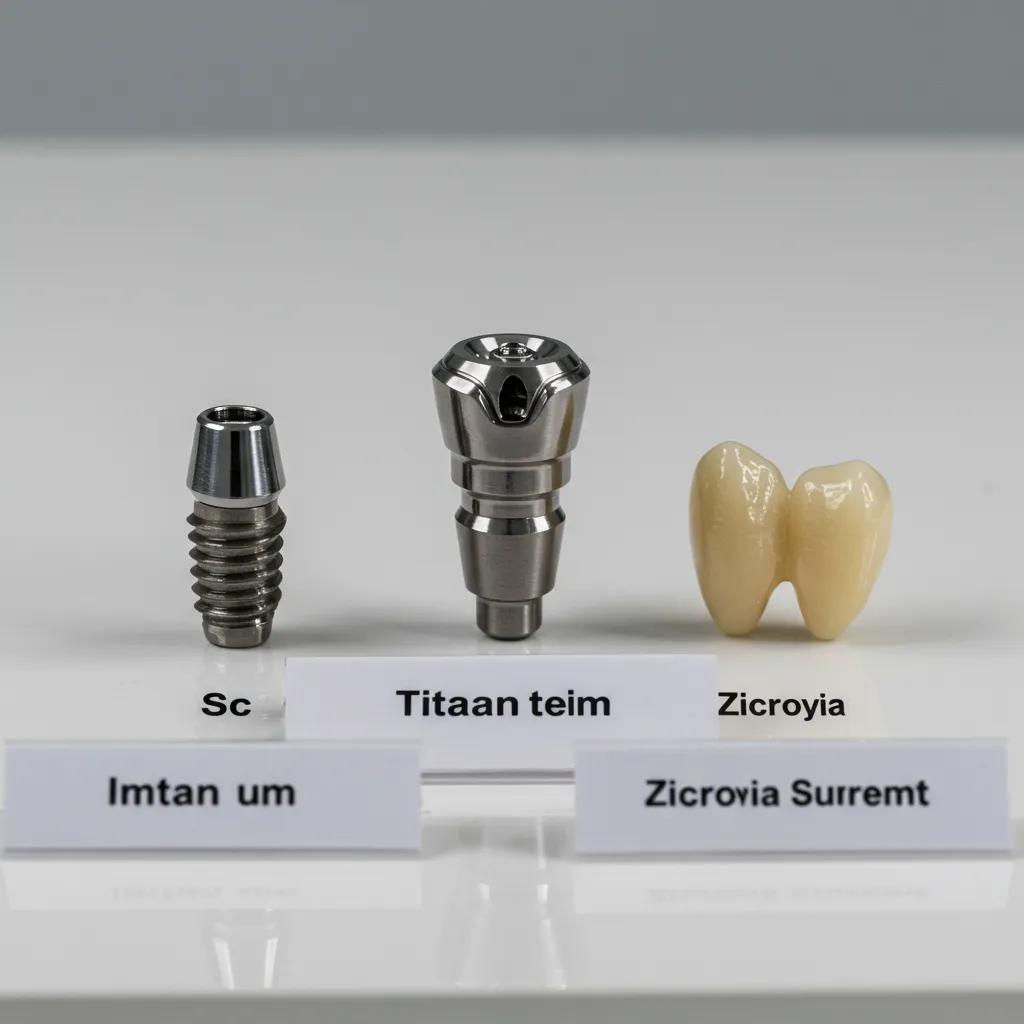
Every dental implant system consists of three main parts: the implant post (or fixture), the abutment, and the final restoration (typically a crown or an implant-supported prosthesis). Each component plays a vital role in bringing your tooth back to life. The implant post is the part surgically placed into your jawbone, acting as your new artificial root, and it must integrate with the bone for lasting stability. The abutment then connects this post to your visible restoration, and it can be custom-shaped to ensure beautiful gum contours and optimal aesthetics. Finally, the crown or prosthesis is the visible part that restores your chewing surface and natural appearance. The materials used, like titanium and zirconia, are important because they interact uniquely with your bone and soft tissue, with modern surfaces designed to encourage faster osseointegration and long-term success.
Understanding these distinct implant parts helps clarify their combined role in your treatment outcome and long-term care.
Implant Component
Its Role
How It Benefits You
Implant Post (Fixture)
Anchors securely into your jawbone, supporting the new tooth
Offers lasting stability and actively prevents future bone loss
Abutment
Connects the post to your crown and helps shape your gum tissue beautifully
Crucial for natural-looking gum lines and overall aesthetic appeal
Crown / Prosthesis
The visible part that restores your chewing ability and natural look
Ensures comfortable biting, a perfect fit, and a seamless visual match
This clear breakdown empowers you to confidently discuss material choices and prosthetic options with your dentist, and to better understand any specific component care during your routine maintenance visits.
Beyond Replacement: How Implants Transform Your Oral Health & Function
Dental implants truly revolutionize your chewing efficiency and speech by meticulously recreating the natural root-to-crown structure. This means you can confidently enjoy a wider variety of foods and speak freely, without the worry of slippage or clicking often associated with removable dentures. Restoring this vital function also reduces unnecessary wear on your remaining natural teeth and helps normalize your jaw mechanics, alleviating strain and significantly boosting your overall oral health. Crucially, implants actively preserve your jawbone by transmitting natural chewing forces directly through the implant, stimulating bone maintenance and preventing the progressive bone loss that typically follows tooth extraction. This not only helps maintain your facial structure but also prevents adjacent teeth from shifting. With favorable candidacy, implants boast high success rates and often surpass bridges or removable dentures in both longevity and superior function. Grasping these incredible benefits naturally brings us to our next important question: are dental implants the right solution for you, based on your unique health and bone condition?
Are Dental Implants Right for You? Key Factors We’ll Discuss
To determine if dental implants are the best option for you, we’ll carefully assess several key areas during your consultation. This includes evaluating your bone quantity and quality, your overall systemic health, current oral hygiene practices, any smoking habits, and specific medications that might impact healing. Strong bone density and volume are crucial because implants depend on successful osseointegration; however, if your bone isn’t quite sufficient, we can often address this with advanced grafting or sinus-lift procedures, though these may add to your treatment timeline. Systemic conditions like poorly controlled diabetes, autoimmune disorders, or certain medications (such as bisphosphonates) can affect healing and potential risks. Sharing your complete medical history openly helps our dentist plan your treatment safely and effectively. Lifestyle choices like smoking can reduce blood flow and increase complication risks, and any existing periodontal disease must be fully treated before implant placement to minimize the risk of peri-implantitis.
Candidacy Factor
How It Affects Your Implant Success
Our Typical Recommendation
Bone Density/Volume
Directly impacts how well your implant integrates and its long-term stability
Advanced CBCT imaging and potentially bone grafting or a sinus lift
Smoking
Significantly reduces blood flow and elevates infection risk
Strongly recommend smoking cessation before and after your procedure
Diabetes Control
Poorly managed diabetes can hinder healing and increase complications
Essential to optimize your glycemic control before implant surgery
Medications (e.g., Bisphosphonates)
Can influence bone remodeling and your healing process
We’ll coordinate closely with your prescribing physician; treatment plan may be adjusted
This helpful checklist provides a clear framework for our clinical conversation, empowering you to ask targeted questions about imaging, grafting options, and medical management during your visit. This naturally leads us to a more in-depth look at bone-specific considerations.
Bone Density & Implants: Why It Matters for Your Success
Your bone density is a critical factor, as it directly impacts whether an implant can achieve initial stability upon placement and if additional procedures like bone grafting or sinus lifts might be needed. Our dentists utilize advanced 3D imaging to thoroughly assess these factors before any surgery. If your bone volume is limited, various grafting materials—such as autograft, allograft, or synthetic substitutes—can effectively rebuild the necessary volume to create a strong, stable foundation for your implants. The specific material chosen and its timing will influence your healing timelines and overall cost. CBCT imaging provides an invaluable three-dimensional view, allowing us to precisely measure ridge width, height, and quality, so your dentist or specialist can plan the exact number, length, and angulation of your implants. We encourage you to ask about expected grafting timelines, the healing period before implant placement, and how grafting might affect your overall treatment stages. Understanding these options will help you set realistic expectations for your journey from initial consultation to your beautiful final restoration.
Bone Grafting for Dental Implants: Techniques and Materials
Bone quality, volume, height and width all play a pivotal role in dental implant stability, success and survival. A lack of adequate bone can be overcome with various bone grafting procedures. Dependent on many factors, including the amount of bone required, the site of implant placement, patient preferences and clinician factors; the type of bone grafting material and procedure undertaken can vary. Supplemental bone can be sourced from a variety of sources, including autogenous, allogenous and xenograft bone. Dependent on the source of the bone, it will have different properties in aiding bone formation, as well as being presented in different formulations, such as bone particles or bone blocks.
The aim of this paper is to provide an overview of bone grafting indications, materials and types of bone grafting techniques that can be utilised to aid dental implant provision. It also discusses the properties needed to ensure optimal success of guided bone regeneration techniques.
Bone grafting techniques and materials for implant dentistry, S Khalid, 2023
Bone manipulation procedures are often necessary to ensure sufficient bone for successful implant placement. These techniques are crucial when the natural bone structure is compromised due to various factors like trauma, periodontal disease, or developmental issues.
Bone Manipulation Techniques for Dental Implant Success
The use of dental implants for the rehabilitation of missing teeth has broadened the treatment options for patients and clinicians equally. As a result of advances in research in implant design, materials, and techniques, the use of dental implants has increased dramatically in the past two decades and is expected to expand further in the future. Success of dental implants depends largely on the quality and quantity of the available bone in the recipient site. This however may be compromised or unavailable due to tumor, trauma, periodontal disease, etc., which in turn necessitates the need for additional bone manipulation.
Bone manipulation procedures in dental implants, 2016
Your Health Matters: Important Conditions & Medications to Discuss
It’s always essential to openly share any chronic conditions you have, such as diabetes, cardiovascular disease, autoimmune illnesses, and any medications that affect bone metabolism or clotting. These factors significantly influence healing and risk management for your implant surgery. Drugs like bisphosphonates, antiresorptives, and systemic steroids can alter bone remodeling dynamics and might require close coordination with your physician before we proceed with implant surgery. Additionally, blood-thinning medications and certain supplements can impact bleeding during surgery, so your dentist will provide specific guidance on perioperative management, consulting with your healthcare providers as needed. A complete medical and medication list empowers our dental team to customize your antibiotic, sedation, and surgical plans, greatly reducing the chance of unexpected complications. This open disclosure is the foundation for a safe, truly personalized treatment plan that your dentist will thoroughly explain during your consultation.
Patient Information for Dental Implant Treatment Consultations
This paper aims to explore the information provision strategies adopted by clinicians to give patients information in relation to dental implant treatment during clinical consultations; and clinicians’ reflections on their current practice of information provision and their views on future strategies.
Provision of information to patients on dental implant treatment: Clinicians’ perspectives on the current approaches and future strategies, WA Kashbour, 2018
Your Consultation Checklist: Essential Questions to Ask About Implants
To help you confidently evaluate candidacy, risks, alternatives, costs, and timelines, we’ve prepared a prioritized set of questions. We encourage you to bring this list to your consultation so you can compare answers and make a truly informed decision. Our key questions cover everything from your candidacy and the procedure sequence, to necessary imaging, who performs the surgical versus restorative phases, expected success rates, timelines, pain management, and all associated costs, including any grafting.
Use these focused questions to ensure you receive clear, comprehensive answers from our dental practice.
What makes me a good candidate for dental implants? — We’ll help you understand the bone, health, and lifestyle factors crucial for success.
What diagnostic tests will you perform? — Discover if advanced CBCT imaging or impressions are needed for precise planning.
Who will place my implant, and who will restore the crown? — We’ll clarify the roles of our surgical and restorative dentists for seamless, coordinated care.
Will I need bone grafting or a sinus lift? — Understand these potential procedures, their healing time, and how they impact your overall cost.
What are the potential risks, and how often do complications occur? — Gain realistic expectations and learn how any complications are expertly managed.
What is the expected timeline from surgery to my final crown? — Plan your personal logistics and dietary adjustments during the healing period.
What pain control and sedation options are available? — Learn about our comfort measures and what to expect during your recovery.
How much will my dental implants cost, and what’s included in the estimate? — Request a detailed, itemized estimate covering implants, grafts, abutments, and restorations.
What financing or insurance options do you accept? — Explore our PPO acceptance and flexible payment solutions.
Can you share before-and-after cases or patient references? — Review anonymized examples or patient profiles to visualize potential outcomes.
Once you’ve reviewed the answers to these important questions, we recommend requesting a written treatment plan and clear next steps. This ensures all diagnostic findings and cost estimates are thoroughly documented for your peace of mind. Next, we’ll explore alternative treatment options and how our dentist will craft a personalized plan perfectly tailored to your unique anatomy and smile goals.
Ready to learn more?
Schedule Your Free Implant Consultation Today!
Exploring Your Options: Implants vs. Alternatives
Beyond implants, you have several excellent alternatives to consider, including conventional dentures, implant-supported dentures, and dental bridges. Each option offers distinct longevity, function, and maintenance profiles, and we encourage you to compare them carefully against implants as you plan your treatment. Dental bridges, for instance, require altering adjacent healthy teeth and might be a better fit if bone or medical factors make implants unsuitable. Removable dentures are less invasive but can, over time, compromise chewing efficiency and long-term bone preservation. Implant-supported overdentures offer a wonderful compromise, combining the benefits of improved retention and function without needing an implant for every tooth, making them a great solution for patients with budget considerations or extensive tooth loss. Be sure to ask your dentist to compare the lifespan, daily care requirements, and likely long-term costs for each option, so you can align clinical realities with your personal priorities. Once we’ve discussed these alternatives, you’ll want to understand how our practice develops a truly personalized plan, from initial diagnostics to your beautiful final restoration.
Crafting Your Perfect Smile: Our Personalized Treatment Plan Process
Developing your personalized treatment plan is a meticulous process that begins with a comprehensive exam and advanced imaging, often including a detailed CBCT scan. We then carefully evaluate your occlusion (bite), soft tissue, and adjacent teeth to determine the ideal number, size, and precise placement strategy for your implants. Your plan will clearly outline the sequencing: whether extractions, grafting, implant placement, and healing phases will be staged or combined, and it will specify any provisional restorations you might need during the osseointegration period. Seamless coordination between our surgical clinician (a periodontist or oral surgeon) and your restorative dentist ensures optimal prosthetic outcomes and clear timelines for abutment and crown placement. We encourage you to ask for a written timeline, complete with scheduled follow-ups and contingencies for any potential complications, so you fully understand each milestone and when your final prosthesis will be delivered. With this clear plan in hand, you can confidently make your scheduling and financial arrangements, bringing the exciting procedure steps into focus next.
Your Journey to a New Smile: The Step-by-Step Implant Procedure
Your journey to a new smile with dental implants typically follows a clear, logical sequence: it begins with thorough diagnostic planning and imaging, followed by the precise surgical placement of your implant, a crucial healing period for osseointegration, and finally, the prosthetic phase where your abutment and crown are expertly attached to restore both function and a beautiful appearance. Our initial planning often involves detailed impressions, digital scans, and advanced CBCT imaging, ensuring your surgical guide and prosthetic components are custom-tailored precisely to your unique anatomy and bite. Surgical placement is usually performed comfortably under local anesthesia, with various sedation options available for your peace of mind. The post-operative phase focuses on monitoring for smooth healing and carefully managing your diet and activity while osseointegration naturally occurs over several weeks to months. Once adequate integration is achieved, the restorative phase involves attaching the abutment and fabricating your final crown or prosthesis, which is then meticulously adjusted for perfect occlusion and aesthetics. Below, you’ll find a numbered step-by-step summary to clearly outline the typical patient journey and timing, helping you set realistic expectations.
This concise timeline helps you anticipate each exciting phase and plan your journey accordingly.
Thorough Diagnostic Planning & CBCT/Impressions — Precise measurements and virtual planning lay the perfect foundation for your treatment.
Any Necessary Extractions & Bone Grafting — Performed if needed, with dedicated healing time before implant placement.
Implant Placement Surgery — Your implant post is carefully inserted into the bone, and initial stability is confirmed.
Healing & Osseointegration Period (Weeks to Months) — Your bone naturally fuses with the implant surface, creating a strong bond.
Abutment Placement & Impressions for Your Final Restoration — Your soft tissue is gently shaped, and your custom final crown is fabricated.
Delivery of Your Crown or Implant-Supported Prosthesis & Follow-Up Care — Final adjustments are made, and your long-term maintenance plan is established.
This clear sequence illuminates each phase of your experience, naturally leading us to a more detailed look at what happens during your surgery and healing process.
Your Comfort & Recovery: What to Expect During Surgery & Healing
During your implant surgery, our skilled clinician will create a precise opening in your prepared bone, carefully insert the implant post, and then place either a cover screw or a healing abutment, depending on your specific treatment plan. We prioritize your comfort, using local anesthesia and offering optional sedation. Immediate post-operative care is focused on preventing infection, controlling swelling, and managing any discomfort with clear instructions for a soft-food diet, gentle oral hygiene modifications, and activity limitations for the first few days. Osseointegration is the vital biological phase where your bone naturally remodels and bonds securely to the implant surface; this process typically takes several weeks to a few months, influenced by your bone quality and whether grafting was necessary. Regular follow-up visits allow us to monitor your soft-tissue healing and radiographic progress. If healing proceeds smoothly, the restorative phase will begin with abutment placement and the fabrication of your beautiful final prosthesis. Understanding these steps helps you confidently plan your recovery and coordinate any necessary time off work or assistance at home.
Managing Your Comfort: Pain Relief & Post-Procedure Expectations
Your comfort is our priority. Pain management typically involves a combination of local anesthesia during surgery, short-term NSAIDs or prescription pain relievers as needed, and conservative measures like ice packs and elevation to minimize swelling. Most of our patients report only manageable discomfort, not severe pain. For those with anxiety or more complex cases, we offer various sedation options, and your dentist will thoroughly discuss all sedation-related instructions and recovery expectations during your consultation. You can expect typical post-operative symptoms to include mild to moderate soreness, some swelling, and minor bruising, which usually peak within the first 48–72 hours and gradually subside over one to two weeks. However, if you experience prolonged or worsening pain, fever, or unusual drainage, please contact our dental team immediately. We ensure clear pain-control and emergency contact plans are essential parts of your preoperative discussion, so you always know what medications to expect and when to reach out for support. With your comfort assured, let’s now explore the important topic of cost and financing, so you can confidently evaluate your affordability options.
Investing in Your Smile: Understanding Implant Costs & Financing Options
The cost of dental implants can vary based on several factors, including the number of implants needed, whether bone grafting or sinus lifts are required, your choice of restorative materials, and even geographic considerations. We always encourage patients to request a detailed, itemized estimate to accurately compare their options. Key cost drivers typically include the surgical fee, the prices for implant components (the post and abutment), the laboratory or milling fee for your custom crowns, and any additional grafting or provisional restorations. Understanding each line item empowers you to evaluate the true value beyond just the sticker price. Our practice proudly accepts PPO dental insurance and offers flexible financing options designed to help reduce your upfront expense. Please ask our office for a pre-estimate from your insurer and for full details on our available payment plans, so we can create an affordability plan perfectly tailored to your needs. The table below clearly compares common payment approaches and how each can help you manage implant costs, showing you clear paths to affordability.
Payment Option
Typical Details / Requirements
How It Benefits You
PPO Dental Insurance
Coverage varies by plan; often partial for surgical and restorative components
Significantly reduces your out-of-pocket costs for eligible portions; our office can submit pre-estimates on your behalf
Out-of-Pocket Payment
The full cost is paid upfront
Avoids finance charges and may offer overall savings through bundled pricing
Flexible Financing / Payment Plans
May require credit approval or in-house arrangements; terms will vary
Spreads your payments comfortably over months, easing the initial financial burden
We highly recommend that patients verify their benefits and request a pre-treatment estimate to fully understand how their PPO insurance may apply to their implant case, and to clearly identify covered versus non-covered items. Our dedicated dental team can often submit an insurer pre-estimate for you and expertly explain how surgical versus prosthetic fees are typically allocated under most PPO plans. For added flexibility, we offer various financing solutions, including in-house payment plans or third-party lenders arranged by our practice. Please ask our office for current options and any qualification criteria during your consultation, so you can easily compare monthly payments and total costs. Requesting a detailed, itemized estimate and discussing payment plans during your consultation ensures you can confidently move forward with your treatment, free from any surprise costs.
Insurance & Implants: What Our Practice Accepts
Our practice proudly accepts PPO dental insurance. While PPO plans typically cover portions of implant-related treatment based on your specific plan details, it’s important to note that many plans may not cover the full implant cost, instead reimbursing for components like crowns or related procedures. To gain a clear understanding of your coverage, we encourage you to request that our office check your benefits and provide a written pre-estimate. This document will clearly show what your insurer is expected to pay and what remains your responsibility, helping you budget effectively and evaluate financing options. Many insurers require preauthorization or a detailed treatment plan before approving coverage for complex procedures, so having our dentist prepare the necessary documentation can significantly expedite the process. If you’re ever unsure about your benefits, please ask our office to submit a pre-treatment estimate and we’ll gladly explain how PPO benefits are applied to surgical and restorative line items. This practical step greatly reduces uncertainty and helps you confidently map out your financing choices.
Flexible Payment Solutions: Making Your Implant Treatment Affordable
To make your implant treatment as accessible as possible, our practice offers a range of flexible payment options. These typically include convenient in-house payment plans and third-party financing solutions, all designed to spread costs comfortably over time, reduce your upfront financial burden, and ensure you can access the care you need. We encourage you to compare key features such as interest rates, repayment term lengths, any required down payment, and whether the financing covers both surgical and restorative fees. Our knowledgeable dental team is here to clearly explain all available plan features and guide you through the necessary documentation for application. Please ask for a sample payment schedule that illustrates monthly payments for your total estimated cost, allowing you to easily evaluate affordability and compare options side-by-side. Discussing financing during your consultation can help secure pre-approval where possible and align payment timing with your treatment stages, especially if grafting or staged implants are part of your plan. With your financial plan in place, we’ll then turn our attention to the crucial topic of long-term implant maintenance.
Protecting Your Investment: Long-Term Care for Your Dental Implants
Ensuring the long-term success of your dental implants hinges on three key pillars: diligent daily oral hygiene, regular professional maintenance, and prompt treatment of any peri-implant issues. Consistent, dedicated care can keep your implants beautifully functional for many, many years. Your daily routine should always include gentle brushing with a soft-bristle brush, meticulous cleaning of interdental areas with implant-specific floss or interdental brushes, and consciously avoiding habits that could stress your restoration, such as chewing on overly hard objects. Professional maintenance visits are crucial and should occur at intervals recommended by your dentist—typically every three to six months, depending on your periodontal health. These visits include periodic radiographs and thorough soft-tissue assessments to detect any early signs of peri-implantitis or mechanical wear. Recognizing early warning signs like bleeding on probing, persistent swelling, or any mobility allows for swift intervention, significantly reducing the risk of implant failure. The following paragraphs will outline practical cleaning steps and common complications to be aware of, empowering you to actively protect your valuable investment.
Begin your daily care with the right tools and a consistent routine to minimize long-term risks and beautifully preserve your implant function.
Daily brushing with a soft brush: Gently and thoroughly clean all implant crowns and surrounding soft tissue.
Interdental cleaning once daily: Utilize implant-safe floss or specialized interdental brushes to meticulously remove plaque from contact areas.
Regular professional cleanings: Schedule your essential maintenance visits at the intervals recommended by our expert dental team.
These consistent routine habits, combined with our professional oversight, are vital for preventing inflammation and maintaining optimal tissue health around your precious implants.
Essential Oral Hygiene for Lasting Implant Success
Essential practices for your implant longevity include brushing twice daily with a nonabrasive paste, meticulous daily interdental cleaning to remove biofilm from abutment margins and contact points, and routine check-ups for professional debridement and radiographic monitoring. Utilizing dedicated implant-cleaning tools, such as gentle nylon-coated interdental brushes and low-abrasive polishing pastes, is crucial to prevent microscopic damage to your implant surfaces and prosthetic components. Our skilled dental hygienist will provide personalized instruction on proper technique and frequency, and may recommend adjuncts like antimicrobial rinses for patients with a history of periodontal disease. Consistency is truly key: diligent daily plaque control combined with professional maintenance significantly lowers the risk of peri-implant disease and robustly supports long-term prosthetic integrity. With an excellent home-care routine, you’ll confidently reduce complication risks and beautifully retain both function and aesthetics.
While dental implants boast high success rates, it’s important to be aware of potential complications. These can include peri-implant mucositis and peri-implantitis—inflammatory conditions affecting the soft tissue and supporting bone—mechanical issues like screw loosening, and, very rarely, implant failure due to infection or insufficient osseointegration. Our prevention strategy centers on a thorough preoperative assessment, meticulous surgical technique, proper prosthetic design that allows for easy hygiene access, and consistent maintenance, including regular professional cleanings and radiographic monitoring. Positive lifestyle changes, such as smoking cessation and effectively managing systemic conditions like diabetes, significantly improve healing and reduce complication rates. Furthermore, prompt attention to any soft-tissue redness, bleeding, or persistent discomfort enables early intervention. By understanding these warning signs and prevention strategies, you’ll be empowered to act quickly and confidently preserve your valuable implant investment.
Real Stories, Real Smiles: Patient Experiences & Success
Hearing about the experiences of local patients can truly illuminate the functional and aesthetic outcomes you can expect from dental implants. While this article doesn’t feature individual testimonials, aggregated patient benefits consistently highlight improved chewing, restored confidence, and remarkable long-term prosthetic stability. Many of our Denton-area patients share how their implant-supported restorations have allowed them to return to a normal, enjoyable diet and embrace social confidence, free from any concerns about denture slippage. These practical, life-enhancing improvements perfectly align with the clinical benefits we’ve discussed. For practice-specific reviews and anonymized case summaries, we warmly encourage you to explore our practice’s review profiles and Google Business Profile to see verified patient feedback and inspiring examples of successful outcomes. Our strong local review presence and commitment to clear communication during your consultation offer additional reassurance as you make your important decision.
Local patient experiences offer valuable insights into practical benefits and help set realistic expectations for your outcomes and long-term maintenance.
Denton Smiles Transformed: How Our Patients Benefit from Implants
Our Denton patients consistently share stories of dramatically improved function—experiencing greater chewing efficiency and comfort—along with significant aesthetic enhancements that boost their social confidence. Many also appreciate the much easier cleaning routines compared to the unpredictable retention of traditional dentures. These collective outcomes beautifully reflect the core clinical advantages of implants: stable force transmission to your bone, remarkable preservation of your jaw architecture, and highly predictable prosthetic results when meticulous planning and consistent maintenance are in place. Reviewing verified patient feedback and discussing anonymized case approaches during your consultation will help you set realistic expectations for timelines, healing, and function. By considering these typical local outcomes, you’ll be well-prepared to ask our dentist about comparable cases and what you can personally expect regarding longevity and maintenance.
Meet Our Expert Team: Qualifications & Expertise
Our dedicated practice team proudly includes the following highly skilled clinicians: Dr. Mike Pham, Dr. Vo, Dr. Sehgal, Dr. Sanghavi, Dr. Nguyen Angie, and Dr. Sabir. We warmly encourage you to ask about each provider’s specific role in your implant surgery and restorative care during your consultation. For comprehensive bios, detailed information about their training or specialty roles, and to understand whether a procedure will be performed by an in-house surgeon or a visiting specialist, please request our team page or simply inquire during your free consultation appointment. Our practice team is always happy to clarify who will perform your surgical placement, restorations, and follow-up care. Confirming these provider roles ensures you have a complete understanding of clinical responsibilities and helps build trust in your personalized care pathway as you move forward with scheduling your consultation in Denton.
Ready for Your New Smile? Schedule Your Free Implant Consultation in Denton, TX!
Scheduling your free consultation is the perfect next step after reviewing all the candidacy factors and important questions. To make your visit as efficient as possible, we recommend preparing any relevant documentation, asking for a written pre-estimate, and confirming what diagnostics will be performed during your consult. Our Denton practice is pleased to offer a $79 FREE DENTAL CONSULTATION for all new patients, as highlighted in our local listings. Prospective patients can simply call our office phone numbers to arrange an appointment and inquire about any forms or records to bring. When booking, please ask if your consultation includes a basic exam, panoramic X-rays, or the option to schedule advanced CBCT imaging if needed for comprehensive planning. Also, verify that your consult will include a thorough discussion of PPO insurance benefits and our flexible financing options. Arriving prepared with your records and questions will make your consultation incredibly productive and ensure our dentist can provide you with a truly tailored plan and accurate cost estimate.
Ready to take the next step? Call us or use our convenient practice website scheduling page to book your free consultation today! Remember: Schedule Your Free Implant Consultation Now!
Preparing for Your Consultation: What to Bring
To make the most of your appointment, we recommend compiling a list of your current medications, any prior dental records or radiographs you can easily access, and a concise medical history to share with our dentist. These items will significantly speed up your diagnosis and treatment planning. If your primary concern is aesthetic, feel free to bring photos of your smile. Also, be sure to prepare the prioritized list of questions from earlier in this guide to ensure we cover all your concerns regarding candidacy, grafting needs, timelines, and costs. If you have dental insurance, please bring your card and be ready to provide policy details so our office can efficiently check your PPO benefits and provide a pre-estimate. This proactive step greatly reduces any uncertainty about coverage and out-of-pocket expenses. Arriving prepared truly accelerates the diagnostic process and allows our dentist to present you with a clear, personalized treatment plan tailored just for you.
Your Free Consultation: What to Expect at Our Denton Office
During your free consultation appointment, you can expect a thorough review of your medical and dental history, a comprehensive oral exam, and in many cases, preliminary imaging. Our experienced dentist will clearly explain your likely options, discuss whether advanced 3D CBCT imaging is advisable for your specific case, and present an initial treatment outline complete with timing and staged costs. You can anticipate our dentist reviewing key candidacy factors like bone volume and systemic health, discussing any potential grafting needs, and clarifying who will perform the surgical versus restorative steps. You’ll also receive important information about our PPO acceptance and available financing options. This consultation is designed as a focused appointment for evaluation and education, after which our practice will prepare a detailed written treatment plan and pre-estimate for your careful review. Our primary Denton office is conveniently located at 3969 Teasley Ln, Denton, TX 76210. (We also have a location at 5190 Western Center Blvd, Haltom City, TX 76137). To book your free consultation, simply call our practice at 602-834-0381 or 940-326-5935 and request your complimentary appointment.
This complimentary consultation is thoughtfully designed to clarify every step, cost, and candidacy detail, empowering you to make a truly informed decision about pursuing dental implants.
What are the potential risks associated with dental implants?
While dental implants are generally very safe and highly successful, it’s important to be aware that, like any surgical procedure, they do carry some potential risks. Common complications can include infection at the implant site, nerve damage, or sinus issues if an implant is placed in the upper jaw. In rare cases, improper placement could lead to implant failure. It’s absolutely crucial to discuss these potential risks thoroughly with your dentist, who will provide personalized insights based on your unique health profile and the specific complexity of your case. Understanding these possibilities empowers you to make a truly informed decision about moving forward with your procedure.
How long can I expect my dental implants to last?
With diligent care and consistent maintenance, your dental implants are designed to last a lifetime! Studies proudly show that the success rate of implants remains around 95% even after 10 years. Factors that significantly influence their longevity include your daily oral hygiene practices, regular dental check-ups, and healthy lifestyle choices, such as avoiding smoking. We strongly encourage all our patients to meticulously follow their dentist’s recommendations for care and maintenance to truly maximize the lifespan of their implants. Regular professional cleanings and vigilant monitoring for any signs of complications are absolutely essential for ensuring their long-term success.
Can dental implants be placed right after a tooth extraction?
Yes, in certain situations, dental implants can indeed be placed immediately after a tooth extraction—a procedure known as immediate implant placement. This innovative approach can save you time and often reduces the total number of surgical procedures required. However, whether immediate placement is suitable for you depends on crucial factors like the condition of your bone and the specific type of extraction performed. Your dentist will carefully evaluate your unique situation to determine if this option is viable, always ensuring optimal conditions for successful osseointegration.
What can I expect during my dental implant recovery process?
After your dental implant surgery, you can typically expect some manageable swelling, minor bruising, and mild discomfort, all of which can be effectively managed with prescribed pain relief. Most of our patients feel ready to return to their normal daily activities within just a few days, though complete healing and the vital osseointegration process will take several weeks to a few months. Throughout this period, it’s absolutely essential to diligently follow your dentist’s post-operative care instructions, including any dietary restrictions and specific oral hygiene practices, to promote optimal healing and prevent complications. Regular follow-up appointments are crucial to carefully monitor your progress and ensure everything is healing beautifully.
Are there any age restrictions for receiving dental implants?
The wonderful news is that there are no strict age restrictions for dental implants! However, it is important that candidates have fully developed jawbones, which typically happens in late adolescence. Older adults can absolutely benefit from implants, provided they are in good overall health and possess sufficient bone density. Our experienced dentist will thoroughly assess your overall health and bone condition to determine if implants are the ideal suitable option for you, regardless of your age. Openly discussing your complete medical history and any concerns during your consultation is crucial for receiving truly personalized recommendations.
How do I best care for my dental implants after placement?
Caring for your new dental implants is wonderfully similar to caring for your natural teeth! Daily brushing with a soft-bristle toothbrush, diligent flossing, and using interdental brushes are absolutely essential for maintaining excellent oral hygiene. Regular dental check-ups and professional cleanings are also crucial to meticulously monitor the health of your implants and the surrounding tissues. To help prevent damage, we recommend avoiding overly hard foods and habits like teeth grinding. By consistently following these comprehensive care guidelines, you will significantly enhance the longevity and ensure the lasting success of your beautiful dental implants.
What flexible financing options are available for dental implants?
We understand that investing in dental implants is a significant decision, which is why our practice offers a variety of flexible financing options designed to help make them affordable. These may include convenient payment plans, in-house financing solutions, or trusted third-party financing services that allow you to comfortably spread the cost over time. Additionally, some dental insurance plans may cover a portion of your implant costs. We highly advise discussing all your financial options during your consultation to find a plan that perfectly fits your budget and ensures you can confidently proceed with the transformative treatment you deserve.
Your Confident Smile Awaits: A Final Word
Truly understanding the details of dental implants empowers you to make the most confident and informed decisions about your oral health journey. By openly discussing key factors like candidacy, costs, and long-term maintenance with our experienced dentist, you can ensure a successful outcome that beautifully enhances both your function and aesthetics. Taking that important next step to schedule a free consultation will provide you with personalized insights perfectly tailored to your unique needs. We invite you to explore your options today and confidently take charge of your dental future!