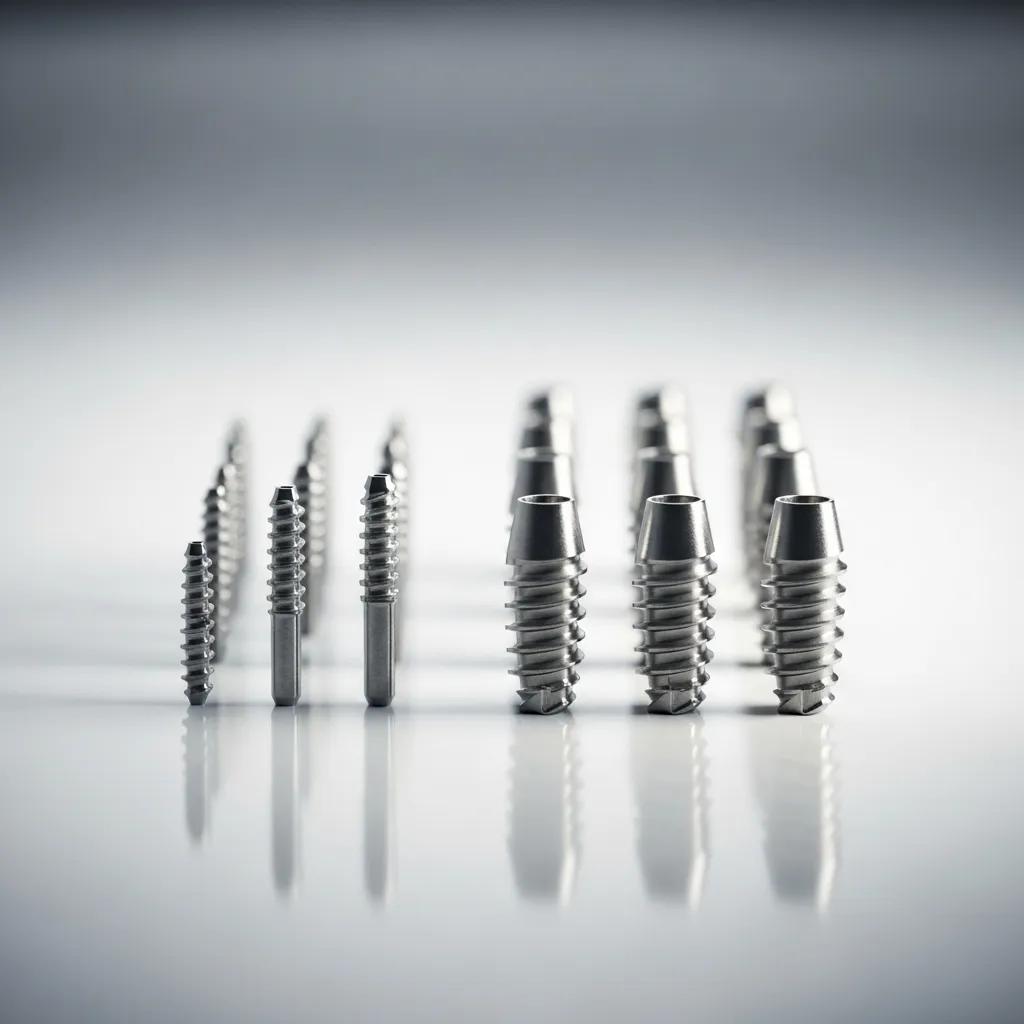
Mini vs. Traditional Dental Implants: Clear Benefits and Which Is Right for You
Dental implants have transformed how we replace missing teeth. Two common choices — mini dental implants and traditional implants — each have strengths depending on your mouth, budget, and timeline. This guide walks you through the differences in plain language so you can feel confident talking with your dentist and choosing the option that fits your life.
We’ll explain what each type is, how they’re placed, typical costs, who makes a good candidate, and what to expect at a consultation. Our goal is to help you get the facts in a clear, useful way so you can make a smart decision about your dentalhealth.
What Are Mini Dental Implants and How Do They Work?
Mini dental implants are a smaller, less invasive version of standard implants. Each mini implant uses a titanium post placed into the jaw to support a replacement tooth or stabilize a denture. Because they’re smaller, the placement tends to be simpler and gentler on the surrounding tissue.
Definition and Characteristics of Mini Dental Implants
Mini implants are usually about half the diameter of traditional implants — roughly 1.8 to 3.3 millimeters. Made from biocompatible titanium, they bond well with bone and provide reliable support. In many cases they allow for immediate loading, meaning you may be fitted with a temporary replacement tooth the same day as placement, depending on your situation.
Typical Mini Dental Implant Procedure and Recovery Time
The mini implant process is often quicker and less complex than traditional implant surgery. A typical sequence looks like this:
Consultation: We examine your mouth and take imaging to check bone structure.
Anesthesia: Local anesthesia keeps you comfortable during the procedure.
Implant Placement: The mini implant is inserted using a minimally invasive technique.
Healing: Recovery is usually faster — many people return to normal activities within a few days.
Most patients recover within one to two weeks and manage soreness with over-the-counter pain relievers. Your dentist will give specific aftercare instructions for the best healing.
What Are Traditional Dental Implants and Their Core Benefits?
Traditional dental implants are a trusted, long-lasting solution for replacing missing teeth. They’re made up of a titanium post, an abutment, and a crown — designed to act much like a natural toothroot and tooth.
Overview of Standard Dental Implants
Traditional implants are larger than minis, usually 3.4 to 5.8 millimeters in diameter, and require enough bone for stable placement. The implant is surgically placed in the jaw and heals through osseointegration, where bone fuses to the implant. This healing phase commonly takes three to six months and creates a very strong foundation for the final restoration.
Longevity and Durability of Traditional Implants
One major advantage of traditional implants is their longevity. With good oral hygiene and regular dental care, they can last 25 years or longer — often a lifetime. Success rates are high (around 95% to 98%), largely because of the implant materials and the osseointegration process.
How Do Mini Dental Implants Compare to Traditional Implants in Cost and Affordability?
Cost is a common concern. Mini implants are usually more affordable than traditional implants, which can make them an attractive option for many patients.
Cost Differences Between Mini and Standard Implants
Mini implants often cost less because the procedure is simpler and takes less time. Traditional implants can run $3,000 to $5,000 or more per implant, while mini implants commonly fall between $500 and $1,500 each. Those price differences may influence your choice, depending on how many teeth you need to replace.
Affordable Dental Implant Options and Financing
Many dental offices, including Affordable Dentist Near Me, offer financing and payment plans to spread out the cost. Ask about discounts, in-house plans, and insurance coverage during your consultation so you can find a payment option that works for you.
Who Are Ideal Candidates for Mini vs Traditional Dental Implants?
Choosing the right implant depends on your bonehealth, how many teeth you need replaced, medical history, and personal priorities like recovery time and budget.
Dental Implants for Seniors and Patients with Narrow Bone Ridges
Seniors and people with narrow bone ridges often benefit from mini implants. Because they’re smaller and less invasive, minis can work well when there isn’t enough bone for a standard implant — and they usually mean a quicker recovery.
When Is BoneGrafting Necessary for Implant Placement?
If there isn’t enough jawbone, bonegrafting may be needed before placing traditional implants. This adds time and cost. Mini implants can sometimes avoid grafting because of their size, making them a simpler choice for some patients.
What Are the Key Advantages of Mini Dental Implants?
Mini dental implants have clear benefits for the right patient. They’re designed to be a practical, less invasive way to restore function and comfort.
Less Invasive Procedure and Quicker Healing
Mini implants typically require smaller incisions and less anesthesia, which reduces tissue trauma. That means many patients heal faster and experience less post-op discomfort.
Use of Mini Implants for Denture Stabilization
Mini implants are often used to anchor dentures, giving a secure fit that improves chewing and confidence. If loose dentures are a problem, minis can make a noticeable difference in daily comfort and function.
What Are the Benefits of Traditional Dental Implants Over Mini Implants?
Traditional implants offer advantages that matter for long-term function and larger restorations. They’re often the best choice when strength and durability are top priorities.
Strength and Support for Larger Teeth Replacement
Because they’re larger and integrate deeply with the jaw, traditional implants provide the strength needed to replace larger teeth like molars. That makes them better suited for strong biting and chewing forces.
Suitability for Full Mouth Restorations
For patients needing multiple replacements or full mouth work, traditional implants are often the preferred route. Their strength and predictability make them a reliable foundation for extensive restorations.
How Does Patient Comfort and Convenience Differ Between Mini and Traditional Implants?
Comfort and convenience vary between the two options. Minis often feel easier up front, while traditional implants can mean a longer process but a very stable long-term result.
Sedation Dentistry and Shorter Wait Times for Implant Procedures
Mini implant appointments are usually shorter and less invasive, which can reduce anxiety. Many practices also offer sedation to help patients relax during either type of procedure.
Post-Procedure Care and Recovery Experience
Recovery from mini implants tends to be quicker with less soreness. Traditional implants often require a longer healing period because of the time needed for osseointegration, but the result can provide stronger long-term function.
What Should Patients Expect During a Free Dental Implant Consultation?
What Questions to Ask About Mini and Traditional Implants
Ask about the pros and cons of each option, total costs, expected recovery, and the dentist’s experience with both mini and traditional implants. Bring up your timeline and any health concerns so the recommendation fits your life.
How to Prepare for Your Dental Implant Consultation
Bring your medical and dental history, a list of current medications, and any recent X-rays if you have them. That information helps your dentist evaluate your bonehealth and suggest the best implant option for you.
Implant Type
Cost Range
Ideal Candidates
Recovery Time
Mini Dental Implants
$500 – $1,500
Seniors, patients with narrow bone ridges
1-2 weeks
Traditional Dental Implants
$3,000 – $5,000
Patients with sufficient bone density
3-6 months
Both mini and traditional implants can restore function and confidence. Understanding the differences helps you choose the right path for your mouth, schedule, and budget.
Frequently Asked Questions
1. Are mini dental implants as strong as traditional implants?
Mini implants are durable but generally not as strong as traditional implants. Traditional implants’ larger diameter and deeper osseointegration make them better for supporting bigger teeth and heavier chewing. That said, minis provide solid support for smaller teeth and are an effective option for stabilizing dentures.
2. Can mini dental implants be used for full mouth restorations?
In some cases, mini implants can be part of a full mouth solution, but they’re not usually the first choice. Traditional implants are typically preferred for full mouth restorations because of their strength. If bone volume is limited or you want a less invasive approach, minis may still play a role — especially for denture support.
3. What are the potential risks associated with mini dental implants?
Like any procedure, mini implants carry risks such as infection, implant failure, or nerve irritation. Because the technique is less invasive, complications are often fewer, but it’s important to discuss your medical history and any concerns with your dentist to minimize risks.
4. How long do mini dental implants last compared to traditional implants?
Mini implants generally have a shorter lifespan than traditional implants. While traditional implants can last 25 years or more with good care, mini implants often last around 10 to 15 years. Longevity depends on oral hygiene, bonehealth, and overall health, so regular dental visits are key.
5. Is there a specific age limit for receiving mini or traditional dental implants?
There’s no strict age limit. Candidates should have healthy gums and adequate bone for the procedure. Seniors often prefer mini implants for the less invasive process and faster recovery, but the right choice depends on individual health rather than age alone. A consultation will clarify your options.
6. How do I choose between mini and traditional dental implants?
The best choice depends on bone density, how many teeth you need to replace, and your priorities around invasiveness, recovery, and cost. Talk through your lifestyle, budget, and goals with your dentist so they can recommend a tailored solution.
7. What aftercare is required for mini dental implants?
Aftercare for minis is similar to traditional implants: good daily oral hygiene, regular dental check-ups, and following your dentist’s post-op instructions. Avoid very hard foods while healing and contact your dental provider if you notice unusual pain or signs of infection.
Conclusion
Mini and traditional dental implants both restore teeth effectively, but they serve different needs. Mini implants offer a less invasive, more affordable option with faster recovery, while traditional implants deliver greater long-term strength and durability. For a recommendation that fits your health and lifestyle, schedule a consultation with a dental professional — and take the next step toward a more confident smile.