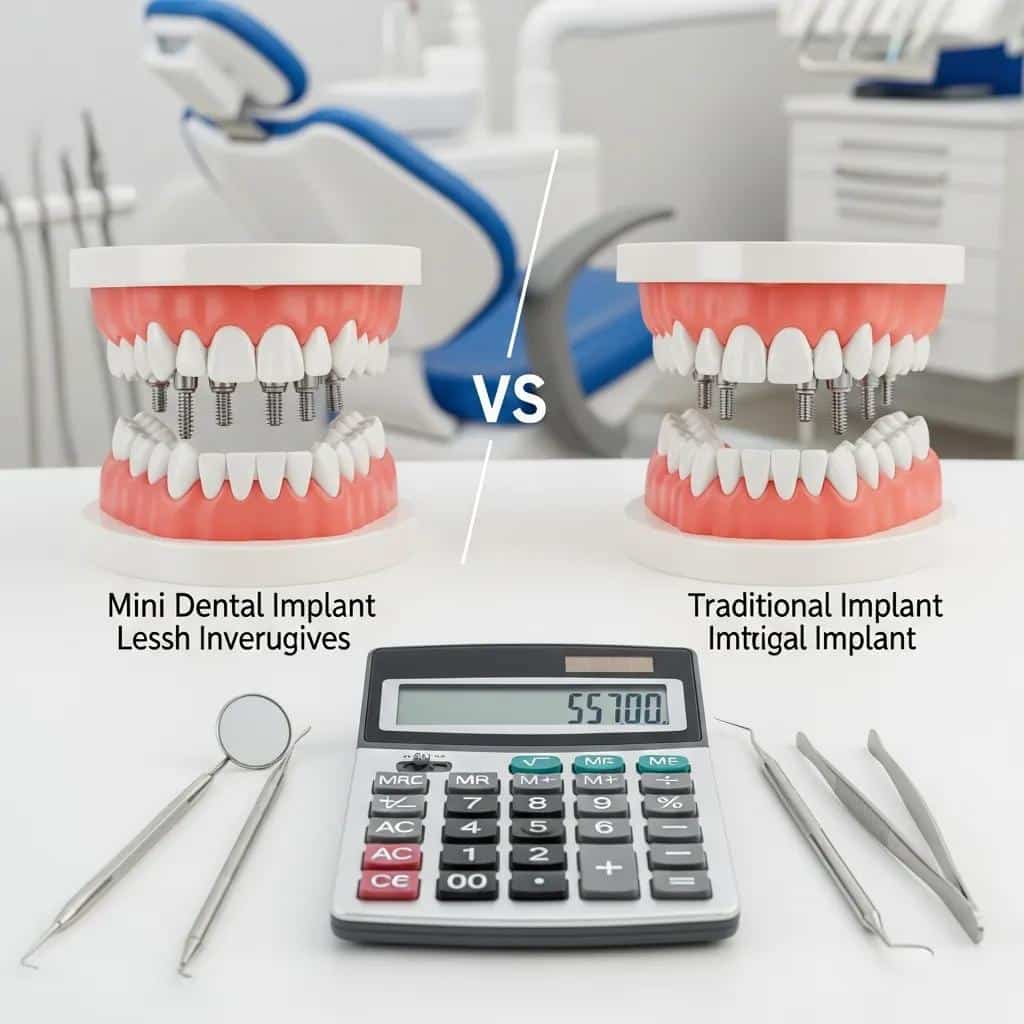
Are Mini Dental Implants Worth It? Key Pros and Cons Compared to Traditional Dental Implants for Patients Aged 40 to 60
Mini dental implants have emerged as a popular alternative to traditional dental implants, particularly for individuals aged 40 to 60 who may be seeking less invasive options. This article delves into the essential aspects of mini dental implants, including their advantages and disadvantages compared to traditional implants. Readers will learn about the technology behind mini implants, their cost-effectiveness, and the recovery process involved. As dental health becomes increasingly important with age, understanding the differences between these two options can help patients make informed decisions. We will explore the key benefits, limitations, and success rates of mini dental implants, providing a comprehensive overview for those considering this dental solution.
What Are Mini Dental Implants and How Do They Differ from Traditional Implants?
Mini dental implants are smaller versions of traditional dental implants, designed to provide a secure foundation for replacement teeth. They are typically about half the diameter of standard implants, making them less invasive and easier to place. The primary mechanism behind mini dental implants involves the use of a titanium post that is inserted into the jawbone, which serves as an anchor for the artificial tooth. This innovative approach allows for quicker procedures and often eliminates the need for bone grafting, which is sometimes required with traditional implants.
Understanding Mini Dental Implant Technology and Procedure Basics
The technology behind mini dental implants involves a simplified surgical procedure that can often be completed in a single visit. The process begins with a thorough examination and imaging to assess the jawbone’s condition. During the procedure, the dentist will place the mini implant into the jawbone using a minimally invasive technique. This approach reduces discomfort and recovery time, making it an appealing option for many patients. Additionally, mini implants can be used to stabilize dentures, providing enhanced comfort and functionality.
Key Differences in Size, Placement, and Materials Between Mini and Traditional Implants
The most significant difference between mini and traditional implants lies in their size and placement. Mini implants are narrower, which allows for placement in areas where there may not be enough bone density for a traditional implant. This characteristic makes them suitable for patients who have experienced bone loss. Furthermore, the materials used in both types of implants are similar, typically involving titanium, which is biocompatible and promotes osseointegration. However, the placement technique for mini implants is less invasive, often requiring only local anesthesia, while traditional implants may necessitate more extensive surgical procedures.
What Are the Main Advantages of Mini Dental Implants for Dental Patients?
Mini dental implants offer several advantages that make them an attractive option for many patients. These benefits include faster recovery times, less invasive procedures, and cost savings compared to traditional implants.
Faster Recovery Times and Less Invasive Procedure Benefits
One of the most notable advantages of mini dental implants is the reduced recovery time associated with their placement. Patients often experience less swelling and discomfort, allowing them to return to their daily activities more quickly. The minimally invasive nature of the procedure means that there is less trauma to the surrounding tissues, which contributes to a smoother recovery process. Many patients report being able to resume normal eating and speaking within a few days after the procedure.
Cost Savings and Affordability Compared to Traditional Implants
Cost is a significant factor for many individuals considering dental implants. Mini dental implants are generally more affordable than traditional implants, making them a viable option for those on a budget. The overall cost savings can be attributed to the reduced surgical time and the elimination of additional procedures, such as bone grafting. Patients can expect to save a considerable amount, making mini implants an appealing choice for those seeking effective dental solutions without breaking the bank.
What Are the Disadvantages and Limitations of Mini Dental Implants?
While mini dental implants have many advantages, they also come with certain disadvantages and limitations that potential patients should consider. These include concerns about durability and lifespan, as well as suitability restrictions for certain individuals.
Durability and Lifespan Compared to Traditional Dental Implants
One of the primary concerns regarding mini dental implants is their durability and lifespan. Although they are designed to be strong and effective, mini implants may not offer the same longevity as traditional implants, particularly in patients with significant bite forces. Studies suggest that while mini implants can last for many years, they may require replacement or maintenance sooner than their traditional counterparts. This factor is crucial for patients who prioritize long-term solutions for their dental needs.
Suitability Restrictions and Potential Maintenance Challenges
Not all patients are ideal candidates for mini dental implants. Factors such as bone density, oral health, and specific dental conditions can affect the suitability of mini implants. Additionally, patients with certain health issues or those who grind their teeth may face challenges with mini implants. Regular maintenance and check-ups are essential to ensure the longevity of the implants, which may require additional visits to the dentist.
How Do Mini Dental Implants Compare to Traditional Implants in Success Rates and Patient Outcomes?
When considering dental implants, understanding the success rates and patient outcomes is vital. Recent studies have shown that mini dental implants can be highly successful, although they may not match the success rates of traditional implants in all cases.
Recent Clinical Studies on Implant Success Rates
Recent clinical studies indicate that mini dental implants have a success rate of approximately 80-90%, which is generally lower compared to traditional implants that often show success rates above 90%. However, the long-term success of mini implants can be influenced by factors such as patient compliance with oral hygiene and regular dental visits. These studies highlight the importance of individualized treatment plans to optimize outcomes for each patient.
Patient Testimonials and Case Studies for Mini vs Traditional Implants
Patient testimonials reveal a range of experiences with mini dental implants. Many individuals report satisfaction with the comfort and functionality of their mini implants, particularly those who have transitioned from traditional implants. Case studies demonstrate that while some patients experience excellent results with mini implants, others may prefer the stability and longevity offered by traditional options. This variability underscores the need for thorough consultations to determine the best approach for each patient.
What Should Patients Expect During the Mini Dental Implant Procedure and Recovery?
Understanding what to expect during the mini dental implant procedure and recovery can help alleviate patient anxiety and prepare them for the process.
Step-by-Step Overview of Mini Dental Implant Placement
The mini dental implant placement procedure typically involves several key steps. First, the dentist will conduct a comprehensive examination and imaging to assess the patient’s dental health. Next, the implant site will be prepared, and the mini implant will be inserted into the jawbone using a minimally invasive technique. After placement, the dentist will provide instructions for post-operative care, including recommendations for diet and oral hygiene. Most patients can expect the entire process to take less than two hours.
Typical Recovery Timeline and Pain Management Strategies
Recovery from mini dental implant placement is generally swift. Patients can expect to experience mild discomfort and swelling for a few days, which can be managed with over-the-counter pain relievers. Most individuals return to normal activities within a few days, with full healing occurring over several weeks. Following the dentist’s post-operative care instructions is crucial for ensuring a smooth recovery and optimal implant success.
How Much Do Mini Dental Implants Cost and What Financing Options Are Available?
The cost of mini dental implants can vary based on several factors, including the complexity of the procedure and the specific dental practice. Understanding the financial aspects is essential for patients considering this option.
Cost Comparison: Mini Dental Implants vs Traditional Implants
Mini dental implants typically cost between $500 and $1,500 per implant, while traditional implants can range from $1,500 to $6,000 or more. This significant price difference makes mini implants an attractive option for many patients. Additionally, the overall treatment cost may be lower due to the reduced need for additional procedures, such as bone grafting.
Available Payment Plans and Insurance Considerations for Patients Aged 40 to 60
Many dental offices offer financing options and payment plans to help patients manage the cost of mini dental implants. Insurance coverage may vary, so it is essential for patients to check with their providers to understand what is covered. Some practices may also offer discounts for cash payments or financing through third-party providers, making dental care more accessible.
For those considering mini dental implants, scheduling a consultation with a qualified dental professional can provide valuable insights into the best options available.
Who Is the Ideal Candidate for Mini Dental Implants?
Identifying the ideal candidates for mini dental implants involves considering various health factors and individual circumstances.
Age, Bone Density, and Health Factors Influencing Implant Choice
Ideal candidates for mini dental implants are typically individuals aged 40 to 60 who have sufficient bone density to support the implant. Health factors such as diabetes, smoking, and oral hygiene practices can also influence the success of the procedure. A thorough evaluation by a dental professional is essential to determine candidacy.
Consultation Process: How to Determine If Mini Implants Are Right for You
The consultation process for mini dental implants involves a comprehensive assessment of the patient’s dental health and medical history. During this appointment, the dentist will discuss the benefits and limitations of mini implants, as well as any potential risks. Patients are encouraged to ask questions and express any concerns to ensure they make an informed decision.
Where Can Patients Schedule a Free Mini Dental Implant Consultation in Fort Worth?
For those interested in exploring mini dental implants, finding a reputable dental office is crucial.
How to Book Your Free Dental Implant Consultation Online
Patients can easily schedule a free consultation for mini dental implants by visiting the website of a local dental office that specializes in implants. Many practices offer online booking options, allowing patients to select a convenient time for their appointment.
What to Expect During Your Consultation Appointment
During the consultation appointment, patients can expect a thorough examination and discussion of their dental health. The dentist will explain the mini dental implant procedure, address any questions, and provide personalized recommendations based on the patient’s needs. This initial meeting is an excellent opportunity for patients to gather information and determine the best course of action for their dental health.