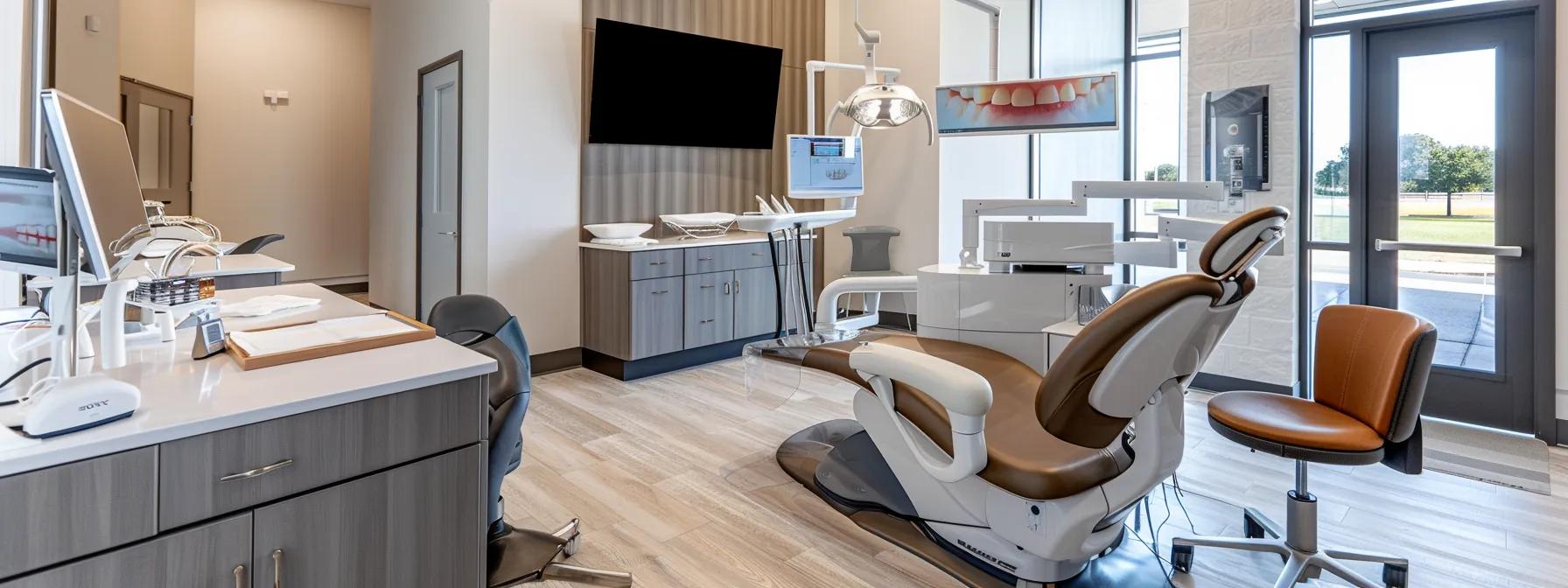
Dental implants offer a long-term solution for restoring smiles by replacing missing teeth with secure, natural-looking prostheses.
Understanding the implant procedure—from consultation through osseointegration—helps patients set realistic expectations and maintain optimal oral hygiene.
Proper care and routine professional cleanings are essential to prevent complications such as bad breath and implant-related inflammation.
Choosing dental implants improves chewing ability, speech clarity, and overall confidence while preserving jawbone health.
Introduction
Dental implants have revolutionized the replacement of missing teeth in Mansfield, TX. They restore function, improve chewing stability, and blend with existing teeth while preventing bone resorption and preserving facial structure. Modern implant procedures use state-of-the-art technology to ensure comfort, precise placement, and long-term oral health. This article explains the fundamentals of dental implants, outlines the surgical process, addresses common concerns like bad breath, and provides guidance on essential care routines—all with a casual yet informative tone to help you make a confident decision about your smile restoration.
Understanding Dental Implants and Your Smile Restoration
What Are Tooth Replacement Implants?
Tooth replacement implants are surgically placed devices made from biocompatible titanium that fuse with the jawbone through osseointegration. Acting as artificial roots, they support crowns, bridges, or overdentures, providing a secure and permanent foundation. Unlike removable dentures, implants remain fixed, thereby improving chewing and speech while stimulating the jawbone to prevent bone loss. With clinical success rates over 95%, implants offer durability, maintain facial harmony, and replicate the appearance of natural teeth.
The Science Behind Successful Dental Implant Integration
Successful implant integration depends on osseointegration—the process by which the titanium implant bonds with the jawbone. Special surface treatments and implant designs (including thread patterns and diameter) enhance osteoblast attraction and stress distribution. Factors such as age, systemic health, and smoking can influence this process, and strict adherence to post-surgical care is essential. Advances in biomaterials and nano-coatings continue to improve healing times and success rates, making implants a reliable alternative to bridges or dentures.
Comparing Implants With Other Tooth Replacement Options
Unlike bridges that rely on adjacent teeth or removable dentures that may slip, implants mimic natural tooth roots. They preserve jawbone density, do not require alteration of healthy teeth, and offer stable, long-lasting functionality. Implants also eliminate the need for adhesives and frequent adjustments, making them both cost-effective over time and superior for chewing, speech, and aesthetics.
Are You a Suitable Candidate for Dental Implants in Mansfield?
Candidates for dental implants should have sufficient jawbone density and overall good health. A thorough evaluation—including medical history, 3D imaging, and dental examinations—determines if additional procedures like bone grafting or sinus lifts are needed. Commitment to daily oral hygiene and routine professional care is vital for success. Factors such as controlled systemic conditions and a willingness to follow post-operative protocols are key to a safe and effective treatment outcome.
Longevity and Durability of Modern Dental Implants
When properly maintained, dental implants can last over 20 years. Their success is attributed to precise manufacturing, advanced surface treatments, and regular follow-up care. Studies show that 95% of implants remain successful after a decade. By stimulating the jawbone and maintaining bone density, implants also preserve facial structure. Patient satisfaction is high, with many reporting improved dental function, reduced discomfort, and enhanced self-confidence.
Addressing Concerns About Dental Implants and Oral Odor
Can Dental Implants Contribute to Bad Breath?
Dental implants themselves do not cause bad breath. However, inadequate cleaning can lead to bacterial buildup and peri-implant diseases, which may cause unpleasant odors. Thorough brushing, flossing, and the use of antibacterial mouth rinses are crucial to prevent this. Regular professional cleanings help remove plaque that home care might miss, ensuring both implant health and fresh breath.
Primary Sources of Bad Breath With Implant Restorations
Bad breath around implants often stems from plaque accumulation in gaps between the implant and gum tissue, leading to inflammation (peri-implant mucositis) or infection (peri-implantitis). Poor overall oral hygiene, dietary habits, and even reduced saliva flow (xerostomia) can worsen the problem. Addressing these factors through proper cleaning and regular dental visits minimizes the risk of odor.
Proper Hygiene Practices to Prevent Implant-Related Odor
Preventing bad breath starts with a disciplined oral care routine. Brush gently with a soft-bristled toothbrush at a 45-degree angle, use interdental brushes and water flossers, and rinse with an antimicrobial mouthwash. Additionally, cleaning your tongue and maintaining regular dental appointments are important steps to keep bacteria levels low and protect your implants.
Professional Cleanings for Your Dental Implants in Mansfield
Regular professional cleanings using specialized tools help remove plaque and calculus from around the implants and abutments. These visits allow your dentist to monitor implant health and address early signs of inflammation before they develop into more serious issues. Consistent check-ups ensure that your implants remain functional and your smile stays fresh.
When to Consult Your Mansfield Dentist About Implant Breath Issues
If you notice persistent bad breath, swelling, pain, or bleeding around your implants, it is important to consult your Mansfield dentist immediately. Such symptoms can indicate complications like peri-implantitis or poor integration. Early diagnosis and treatment—possibly including additional cleanings or minor surgical interventions—are key to resolving issues and maintaining long-term implant health.
The Dental Implant Procedure at Our Mansfield Practice
Your Initial Consultation for Dental Implants
The first step is a comprehensive consultation during which your dental and medical histories are reviewed, and advanced imaging such as 3D cone beam scans evaluates your jawbone’s density. This examination determines whether you are an ideal candidate for implants and if additional procedures (e.g., bone grafting or sinus lifts) are necessary. Patient education is emphasized, with clear explanations of the implant process, expected recovery, and potential challenges. Transparent cost estimates and flexible payment options are provided to ensure your comfort and confidence from the start.
Planning Your Personalized Dental Implant Treatment
Following your consultation, a personalized treatment plan is developed. Using digital imaging and computer-aided design (CAD), your dentist pinpoints the exact placement of each implant to achieve optimal osseointegration. The plan outlines every stage—from the surgical phase and healing period to the final placement of a custom dental crown—ensuring that each step aligns with your aesthetic and functional goals as well as your lifestyle.
The Surgical Placement of Your Dental Implant
During the surgical phase, local anesthesia (and sometimes sedation) is used for your comfort. The surgeon makes a small incision to access the jawbone, drills a precise hole, and positions the titanium implant. Advanced imaging guides this process to minimize tissue disruption and reduce recovery time. After placing the implant, sutures or a healing abutment may be used to secure the area, and detailed post-operative instructions are provided to support effective healing.
Healing and Osseointegration Process
After surgery, your implant undergoes osseointegration—where your jawbone gradually fuses with the titanium implant over several months. During this healing period, follow-up appointments monitor this integration and ensure that you adhere to a soft diet and excellent oral hygiene practices. Avoiding hard foods and excessive pressure on the implant helps enable a strong, stable bond that will support your final dental restoration.
Attaching Your Custom Dental Crown in Mansfield
Once osseointegration is complete, a custom dental crown is fabricated to match your natural teeth. An impression or digital scan of your mouth is taken, and the crown is temporarily placed to adjust fit and occlusion. After successful trial, the final crown is cemented to an abutment on the implant. This final restoration not only restores the appearance of your smile but also enhances chewing efficiency and speech clarity.
Advantages of Choosing Dental Implants for Tooth Replacement
Regain a Natural-Looking and Functioning Smile
Dental implants replicate natural tooth roots, resulting in a restoration that looks and functions like real teeth. They support custom crowns that blend seamlessly with your existing dentition, enhancing both appearance and function. Patients enjoy improved chewing ability, clear speech, and a boost in self-esteem—benefits that extend well beyond aesthetics.
Preserve Jawbone Health and Facial Structure
Unlike other tooth replacement options, implants stimulate the jawbone and prevent bone resorption. This preserves facial structure, maintains bone density, and supports a youthful appearance. By acting as artificial roots, implants prevent the sagging and sunken look that often accompanies missing teeth, ensuring both durability and a natural facial contour.
Improve Your Chewing Ability and Speech Clarity
Fixed implants provide the stability necessary for efficient chewing and clear speech. They eliminate the slippage associated with dentures and distribute biting forces evenly across the jaw. This results in improved digestion and comfort, allowing you to enjoy a diverse diet and communicate with greater confidence.
The Comfort and Convenience of Fixed Dental Implants
Fixed dental implants offer permanent solutions that eliminate the need for adhesives and the inconvenience of removable dentures. Enjoy the freedom to eat, speak, and smile without worry, while also benefiting from improved oral functionality and a simplified daily care routine. Reduced recovery times and minimal adjustments mean you can quickly return to your everyday activities and feel more confident in your smile.
Boost Your Confidence With a Restored Smile
A restored smile enhances not only your appearance but also your overall self-esteem. Dental implants have a transformative effect, allowing you to regain a natural-looking smile that supports both functionality and aesthetics. The renewed confidence from knowing you have a stable and attractive dental restoration can positively impact your social and professional life.
Types of Dental Implants Available in Mansfield
Single Tooth Dental Implants for Individual Gaps
Single tooth implants are ideal for replacing one missing tooth. A titanium implant is surgically placed into the jawbone and, after osseointegration, supports a custom crown. This minimally invasive procedure avoids altering adjacent teeth and is especially effective in aesthetically sensitive areas, providing a natural, durable restoration.
Implant-Supported Bridges for Multiple Missing Teeth
For replacing several adjacent teeth, implant-supported bridges anchor multiple prosthetic teeth to a series of implants. This method preserves the alignment of surrounding teeth, prevents bone loss, and offers a stable, secure restoration that functions like a natural set of teeth. It is a cost-effective alternative that requires fewer adjustments over time.
Full Arch Restoration With Dental Implants
Full arch restoration, often known as “All-on-4,” is recommended for patients missing most or all of their teeth. This procedure uses multiple implants to support an entire arch of prosthetic teeth, restoring function and facial structure. It offers a fixed, secure solution that eliminates the inconveniences of removable dentures and significantly improves both appearance and oral health.
All-on-4 Dental Implants in Mansfield
The All-on-4 technique—using four strategically placed implants—provides a simplified yet robust solution for full arch restorations. With fewer implants required, the procedure often entails less surgical time and lower cost while still ensuring a strong, aesthetically pleasing restoration. Immediate provisionalization is frequently available, allowing patients to enjoy improved function and appearance on the same day.
Mini Dental Implants for Specific Situations
Mini implants are a conservative alternative for patients with limited bone density or financial constraints. These smaller implants can stabilize dentures or serve as temporary supports, offering improved retention and comfort with a shorter healing period. They provide an effective, less invasive option where traditional implants may not be ideal.
Maintaining Your Dental Implants for Long-Term Success in Mansfield
Daily Oral Care for Your Implant Restorations
A strict daily oral care routine is essential for the longevity of your implants. Brush gently with a soft-bristled toothbrush and non-abrasive toothpaste, use interdental brushes and water flossers, and rinse with an antibacterial mouthwash. These steps prevent plaque buildup, reduce the risk of peri-implant mucositis and peri-implantitis, and help keep your smile fresh.
Recommended Cleaning Tools for Dental Implants
Using the proper cleaning tools can make a significant difference. Specialized implant brushes, interdental brushes, and water flossers are designed to navigate the tight spaces around implants without damaging them. Complement these tools with an antimicrobial mouthwash to maintain a healthy bacterial balance.
Regular Dental Check-Ups and Implant Maintenance in Mansfield
Routine professional check-ups every six months help ensure your implants remain healthy. Your dentist will monitor bone density, assess the implant site, and remove any areas of plaque buildup using specialized instruments. These appointments are vital for early detection of potential issues and for modifying your home care regimen as needed.
Foods to Approach With Caution After Getting Dental Implants
During the initial healing phase, avoid hard, chewy, or sticky foods that might strain your implants. A soft diet including foods like yogurt, smoothies, and mashed potatoes is recommended until sufficient healing has occurred. Gradually reintroduce firmer foods while remaining mindful of the pressure on your new implants.
Protecting Your Investment in Dental Implants
Regular care and professional maintenance are key to protecting your dental investment. In addition to daily oral hygiene and check-ups, a healthy lifestyle—avoiding smoking, moderating alcohol, and eating a balanced diet—supports implant longevity. These measures help ensure that your implants remain a reliable part of your dental restoration for decades.
Final Thoughts
Dental implants in Mansfield, TX, combine advanced technology and personalized care to provide a reliable, long-term solution for missing teeth. From understanding the science of osseointegration to addressing common concerns like bad breath, and from the surgical process to customized restorations, every step is designed with your comfort and success in mind. With benefits including improved chewing ability, enhanced speech, preserved jawbone health, and boosted confidence, dental implants can transform your smile. Schedule a free consultation to explore your options and begin your journey toward lasting oral health and renewed self-assurance.
Frequently Asked Questions
Q: What makes dental implants a better choice than bridges or dentures? A: Dental implants mimic natural tooth roots by integrating directly with the jawbone through osseointegration. This provides a stable, long-lasting restoration that supports normal chewing and speech while preventing bone resorption and preserving facial structure. Unlike bridges, implants do not alter adjacent teeth, and they eliminate the inconvenience of removable dentures.
Q: How long does the dental implant process take from consultation to crown placement? A: The process can take several months. It typically starts with a consultation and planning session, followed by the surgical placement of the implant and a healing period (usually three to six months) for osseointegration before the final crown is attached. Factors like bone density and any necessary pre-surgical procedures can affect the timeline.
Q: How do I care for my dental implants at home? A: Home care involves brushing twice daily with a soft-bristled toothbrush and non-abrasive toothpaste, using interdental brushes or water flossers to clean around the implant, and rinsing with an antibacterial mouthwash. Avoid hard or sticky foods during healing and maintain regular professional cleanings.
Q: Are there any risks or complications associated with dental implants? A: Although dental implants have a success rate of over 95%, risks such as infection, nerve damage, or peri-implantitis exist. These complications are rare when proper surgical techniques and oral hygiene protocols are followed. Comprehensive evaluations and regular check-ups help minimize these risks.
Q: Can dental implants help improve my chewing function and speech clarity? A: Yes, implants restore normal chewing ability and improve speech by providing a fixed, stable foundation that functions like natural teeth. They prevent the shifting common with dentures, ensuring even distribution of biting forces and enhancing overall oral functionality.
Q: What payment options are available for dental implants in Mansfield? A: Many Mansfield dental practices offer flexible payment plans and monthly financing options. Discuss your financial concerns during the consultation to set up a tailored plan that meets your budget while ensuring the quality of your treatment.
Q: How do I know if I’m a suitable candidate for dental implants? A: Suitability is determined by a comprehensive evaluation including a review of your medical and dental history, clinical examinations, and advanced imaging to assess jawbone density. Your dentist will consider factors like periodontal disease, smoking habits, and overall health to create a personalized treatment plan that ensures implants are a safe and effective option.