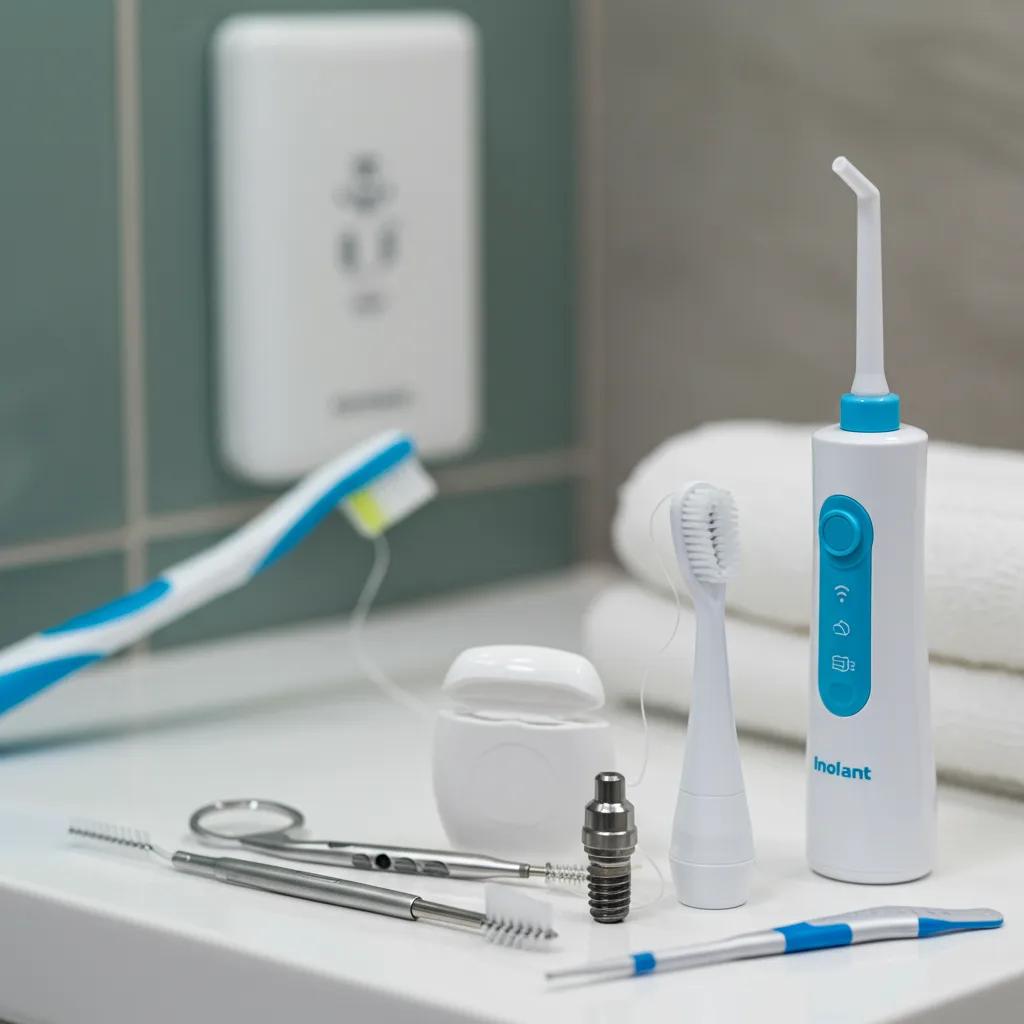
How to Ensure Long-Lasting Dental Implants: Essential Care and Maintenance Tips
Dental implants replace missing teeth by anchoring a prosthetic crown to an implant post that integrates with the jawbone, and ensuring their longevity requires deliberate daily care and periodic professional maintenance. This article teaches practical routines, tool choices, and clinical follow-up strategies so you can protect osseointegration and minimize risks like peri-implantitis. Many patients worry about how long dental implants last and which habits accelerate failure; by explaining implant biology, hygiene mechanics, and lifestyle influences this guide offers clear prevention and management steps. You will learn step-by-step daily care essentials, when to seek professional intervention, how lifestyle factors such as smoking and bruxism affect outcomes, and which cleaning tools perform best for implants. The sections that follow cover daily home care, professional roles in monitoring implants, lifestyle mitigation strategies, peri-implantitis prevention and treatment, a tool-by-tool cleaning comparison (with a detailed EAV table), expected component lifespans (with a maintenance interval table), and concise FAQ-style answers to common patient questions. Throughout, keywords like dental implant care, prevent peri-implantitis, water flosser for dental implants, and dental implant longevity are woven into actionable recommendations grounded in current research and clinical reasoning.
What Are the Daily Care Essentials to Extend Dental Implant Lifespan?
Daily care for implants centers on mechanical plaque control because bacterial biofilm is the primary driver of peri-implant disease and soft-tissue inflammation. Effective daily routines remove plaque at the crown margin and interdental areas, which preserves surrounding gingiva and supports osseointegration; this routine reduces bleeding on probing and lowers long-term bone loss risk. Implementing consistent brushing, interdental cleaning, selective antimicrobial rinses, and self-monitoring creates layers of defense that maintain peri-implant health. Below are practical daily steps you can adopt immediately to protect implant longevity and to prepare for professional maintenance.
The core daily routine includes brushing twice daily, performing daily interdental cleaning, using adjunctive rinses when indicated, and checking for warning signs such as bleeding or swelling. These steps should be adapted to individual risk factors like history of periodontitis or diabetes and will be further detailed in the following brushing and interdental cleaning subsections.
How Should You Brush Dental Implants for Optimal Care?
Brushing dental implants requires a soft-bristled brush and gentle technique to clean crown margins and the peri-implant gingiva without abrading prosthetic surfaces or traumatizing soft tissue. Use a non-abrasive, implant-friendly toothpaste and employ gentle circular or rolling strokes along the gumline to dislodge plaque while avoiding aggressive horizontal scrubbing that can irritate tissues. Electric toothbrushes with soft brush heads and pressure sensors are effective because they consistently remove plaque while preventing excessive force that could stress the abutment or soft tissue. Practice thorough coverage of all crown surfaces and transition from brushing to interdental cleaning in the same session to maintain continuity of hygiene.
Gentle brushing protects the mucosal seal and sets up effective interdental cleaning, so the next critical step is selecting the right interdental method for the spaces around your implant restorations.
What Are the Best Flossing and Interdental Cleaning Methods for Implants?
Daily interdental cleaning prevents biofilm accumulation in embrasure spaces and beneath prosthetic margins; options include implant-specific floss, interdental brushes, and water flossers, each with distinct strengths. Implant-specific floss or floss threaders work well for tight contacts and under bridges, interdental brushes remove bulk biofilm in wider embrasures when sized correctly, and water flossers help flush subgingival areas and reduce bleeding when used at appropriate pressure. Start with gentle technique: select the correct interdental brush diameter, avoid forcing brushes into tight spaces, and begin water flosser use on low pressure while angling the nozzle at the gingival margin.
Choosing and combining the right methods maximizes plaque removal and reduces peri-implantitis risk, and the following section discusses when and how antimicrobial rinses complement mechanical cleaning.
How Does Antimicrobial Mouthwash Help Maintain Implant Health?
Antimicrobial mouthwashes reduce bacterial load as an adjunct to mechanical cleaning but do not replace brushing or interdental cleaning because they cannot physically remove established biofilm. Short-term use of chlorhexidine or other antiseptic rinses after surgery or during treatment of mucositis can lower microbial counts and help healing, whereas routine long-term use may cause staining or alter the oral microbiome and should be discussed with a clinician. Use mouthwashes as directed—typically for a defined period after procedures or when clinicians identify early inflammation—and prefer rinses with evidence for reducing plaque and bleeding without high abrasivity. Consult your dental professional before starting any antiseptic rinse to balance benefits with potential side effects.
Using antiseptic rinses temporarily supports mechanical care, and selecting implant-safe oral care products completes the daily regimen.
Which Oral Care Products Are Safe and Effective for Dental Implants?
Selecting implant-friendly products focuses on non-abrasive formulations and gentle applicators to avoid surface damage to abutments and crowns and to preserve peri-implant tissue health. Choose toothpastes labeled non-abrasive or with low , soft-bristled brush heads (manual or electric), nylon-coated interdental brushes, and water flosser units that allow adjustable pressure settings and implant-specific nozzles. Avoid abrasive powders, hard-bristled brushes, and metal picks that can scratch implant components or create micro-roughness conducive to plaque retention. Product selection should prioritize safety and evidence-based effectiveness rather than brand names, and your clinician can recommend specific sizes or types for your prosthesis.
Appropriate products create a maintenance-friendly environment that reduces the risk of peri-implantitis and supports long-term implant stability, and the next major topic explains the essential role of professional care.
Why Is Professional Dental Care Crucial for Long-Lasting Implants?
Professional dental care provides diagnostic evaluation and interventions that home care cannot accomplish, including detection of early peri-implant disease, removal of subgingival deposits, radiographic monitoring of bone levels, and repair of prosthetic issues that threaten longevity. Hygienists and specialists use implant-safe instruments to debride around implants and assess soft-tissue health, while dentists evaluate occlusion, fit, and radiographic bone support to identify mechanical or biological threats. Regular professional visits create opportunities for clinicians to reinforce home care, adjust maintenance intervals based on risk status, and intervene early when signs of inflammation appear. These clinician-led actions materially reduce the probability of progressive bone loss and implant failure.
Below are recommended check-up intervals and clinical procedures commonly used to preserve implant health and detect issues early.
How Often Should You Schedule Dental Check-Ups for Implants?
Check-up frequency depends on individual risk factors: standard patients typically require professional assessment every 6–12 months, while high-risk patients (history of periodontitis, smokers, uncontrolled diabetes) benefit from 3–6 month monitoring. Baseline evaluation is essential after placement to document soft-tissue health and radiographic bone levels, and subsequent visits should include probing, bleeding assessment, and radiographs when indicated to track changes over time. More frequent recalls enable earlier nonsurgical management of inflammation and better reinforcement of home-care technique. Your clinician will tailor intervals to findings at each visit and to changes in systemic or local risk.
Regular surveillance at appropriate intervals enables timely detection of complications, and the next subsection describes how professionals diagnose and manage early peri-implantitis.
How Do Dental Professionals Detect and Manage Early Signs of Peri-implantitis?
Clinicians detect peri-implantitis by identifying bleeding on probing, increasing pocket depths, suppuration, and radiographic crestal bone loss; these diagnostic markers guide a staged treatment approach. Early nonsurgical management typically involves mechanical debridement with implant-safe instruments, adjunctive antiseptic rinses or local antimicrobials, and behavioral modifications to improve hygiene. If nonsurgical measures fail or if bone loss is significant, professionals escalate care to surgical access, decontamination, and possible regenerative procedures provided by periodontists or implant surgeons. Microbiological testing and systemic antibiotics may be considered selectively based on severity and patient systemic risk factors.
Early detection and appropriate escalation improve salvage rates and preserve remaining bone, and professional cleaning techniques are the practical tools clinicians use during these interventions.
What Procedures Are Involved in Professional Implant Cleanings?
Professional implant cleanings use instruments and methods designed to remove biofilm and calculus without damaging implant surfaces; commonly used tools include plastic or nylon scalers, implant-safe ultrasonic tips, and low-abrasion polishing pastes. Hygienists focus on debriding subgingival deposits, assessing tissue response, measuring pocket depths, and evaluating prosthesis fit and occlusion for mechanical contributors to inflammation. During visits clinicians may provide targeted patient education on improved home techniques and may adjust maintenance intervals based on response. Patients can expect a gentle but thorough cleaning and documentation of clinical and radiographic findings to guide further care.
Regular professional maintenance closes the loop between home care and clinical surveillance, and the next major section reviews lifestyle factors that materially influence implant success.
What Lifestyle Factors Affect Dental Implant Longevity?
Lifestyle and systemic health factors modulate healing, immune response, and mechanical load on implants; smoking, diet, bruxism, and uncontrolled systemic disease increase the risk of peri-implantitis and mechanical complications. Each factor affects implant outcomes through distinct mechanisms: smoking reduces blood flow and impairs healing, bruxism increases occlusal overload and component fracture risk, poor nutrition weakens bone remodeling, and systemic diseases like diabetes impair immune competence. Addressing these factors—through cessation programs, bite management, nutritional optimization, and medical coordination—substantially reduces failure risk. The following subsections map out these common factors and practical mitigation strategies to preserve implant longevity.
Understanding the relative impact of lifestyle factors helps prioritize interventions, and the EAV table below summarizes factors, risk magnitude, mitigation steps, and evidence notes.
Lifestyle Factor
Risk Magnitude
Recommended Mitigation
Smoking
High
Quit before surgery and maintain abstinence; counseling and nicotine replacement advised
Bruxism (grinding/clenching)
Medium-High
Use custom nightguard, occlusal adjustments, and regular prosthesis checks
Poor Diet / Low Bone Nutrition
Medium
Increase calcium, vitamin D, and protein intake; consider supplementation if deficient
Uncontrolled Diabetes
High
Achieve glycemic control before surgery and closely monitor post-op healing
Excessive Alcohol Use
Medium
Reduce intake during healing to support immune response and tissue repair
How Does Smoking Increase the Risk of Dental Implant Failure?
Smoking impairs blood flow, reduces oxygen delivery to healing tissues, and compromises immune response, all of which hinder osseointegration and increase peri-implantitis risk. Quantitatively, smokers demonstrate higher rates of implant failure and marginal bone loss compared with non-smokers in clinical studies, and cessation before surgery is consistently associated with improved outcomes. Clinicians typically recommend stopping smoking several weeks before implant placement and maintaining abstinence during healing to maximize integration and reduce infection risk. Support options include counseling and pharmacologic aids, and patients should discuss cessation timelines with their care team.
Reducing or eliminating smoking improves healing and directly supports the biological processes described next concerning nutrition and diet.
What Dietary Habits Support Healthy Dental Implants?
A balanced diet rich in calcium, vitamin D, protein, and micronutrients supports bone remodeling and soft-tissue healing necessary for implant stability. In the immediate postoperative phase, a soft, nutrient-dense diet minimizes mechanical stress while supplying substrates for repair; long-term, avoid repeatedly biting extremely hard items that stress crowns and abutments. Foods high in sugars that promote plaque formation should be managed through oral hygiene rather than completely eliminated, and specific supplementation is considered when deficiencies exist. Progressive reintroduction of firmer foods under clinician guidance reduces the risk of prosthetic damage while restoring normal function.
Dietary optimization works hand-in-hand with bruxism management, which is the next lifestyle factor to address.
How Can Managing Bruxism Protect Your Dental Implants?
Bruxism applies repetitive, excessive occlusal forces that can loosen screws, fracture crowns, or transmit damaging loads to the bone-implant interface, potentially precipitating mechanical failure. Protecting implants involves fabrication of custom nightguards to distribute forces, occlusal adjustments to reduce premature contacts, and regular monitoring of prosthetic integrity to detect wear or screw loosening early. In selected cases clinicians may alter prosthetic design or material choices to tolerate higher loads, but behavioral and appliance-based interventions remain first-line. Regular review ensures that any increase in parafunctional activity triggers timely protective changes.
Addressing bruxism and diet reduces mechanical stresses, and coordinating care for systemic conditions like diabetes completes the lifestyle risk overview.
How Do Systemic Health Conditions Like Diabetes Influence Implant Success?
Systemic conditions such as diabetes affect healing by altering immune function, collagen synthesis, and microvascular circulation, increasing susceptibility to infection and impaired osseointegration when poorly controlled. Good glycemic control before surgery reduces complications and improves integration outcomes; clinicians often require medical clearance and collaborate with patients’ primary care providers to optimize systemic status. Postoperative monitoring is intensified for patients with systemic disease, with adjusted hygiene instructions and recall frequency to detect early signs of infection. Proactive medical-dental coordination and individualized follow-up are essential to achieve durable implant outcomes in this population.
Managing systemic health reduces biological risk and supports the prevention strategies described in the next major section about peri-implantitis.
How Can You Prevent and Manage Peri-implantitis to Protect Your Implants?
Peri-implantitis is an inflammatory condition driven primarily by bacterial biofilm and a dysregulated host response that leads to soft-tissue inflammation and progressive bone loss around implants. Prevention focuses on consistent mechanical plaque control, appropriate product selection, and regular professional surveillance; early recognition of bleeding, pus, or increased pocketing allows nonsurgical management that often prevents progression. Treatment follows a staged approach from mechanical debridement and antiseptics to adjunctive antimicrobials and, when necessary, surgical regenerative procedures performed by specialists. Effective prevention and timely intervention preserve bone support and markedly improve the long-term prognosis of dental implants.
The subsequent subsections outline causes and symptoms, hygiene practices for prevention, and treatment options if disease occurs.
What Are the Common Causes and Symptoms of Peri-implantitis?
Peri-implantitis arises from bacterial biofilm accumulation and an adverse host response, and contributing local causes include poor oral hygiene, residual cement, ill-fitting prostheses, and smoking. Typical symptoms are bleeding on probing, persistent bad taste or halitosis, gum swelling, suppuration, and radiographic evidence of crestal bone loss, which distinguishes peri-implantitis from reversible mucositis. Early recognition of these signs by patients or clinicians prompts timely management that can arrest progression. Identifying and eliminating local risk factors often accompanies microbial control measures to restore peri-implant health.
Recognizing causes and early signs drives prevention practices, which are discussed next.
Which Oral Hygiene Practices Help Prevent Peri-implantitis?
Preventive hygiene for peri-implantitis emphasizes twice-daily brushing, daily interdental cleaning that reaches marginal and submarginal areas, and periodic use of antimicrobial rinses when indicated by clinicians. Mechanical plaque disruption is primary; combine soft-bristled brushing with interdental brushes sized to embrasure spaces and water flossers on low pressure to flush subgingival regions. Regular professional debridement and radiographic monitoring supplement home care and help detect early bone changes. Patient education on prosthesis-specific cleaning and self-check routines enhances long-term compliance and reduces disease incidence.
These prevention practices reduce the need for escalation, but when conservative measures fail, treatment options escalate as described next.
What Treatment Options Are Available for Peri-implantitis?
Treatment for peri-implantitis ranges from nonsurgical mechanical debridement and antiseptic therapy to surgical access with decontamination and regenerative bone procedures depending on severity and bone loss. Initial management typically involves thorough debridement with implant-safe instruments, adjunctive use of antiseptics or local antimicrobials, and behavioral modification to improve hygiene. Surgical interventions may include open flap debridement, recontouring of infected surfaces, and guided bone regeneration when bone defects are significant; in refractory cases implant removal may be necessary. The staged approach balances preservation of the implant with realistic expectations based on disease extent and patient health.
Understanding treatment pathways highlights the importance of preventive care and proper cleaning tools, which are examined in the following section.
What Are the Best Implant Cleaning Tools and How Should You Use Them?
Choosing the right cleaning tools and using them correctly determines how effectively you remove biofilm without damaging implant components or soft tissues. Core tools include water flossers, interdental brushes, implant-specific floss, and soft-bristled toothbrushes; each tool has distinct mechanisms for plaque disruption and different application techniques that optimize results. Tool selection should be product-agnostic and based on evidence for effectiveness, safety (non-abrasive contact with metal or zirconia abutments), and suitability for your prosthesis geometry. The EAV table below compares common tools by key attributes, practical technique tips, recommended frequency, and pros/cons for implants.
Tool
Key Attribute
Practical Use
Water flosser
Hydrodynamic plaque disruption
Use daily at low-to-medium pressure with nozzle angled along gingival margin
Interdental brush
Mechanical plaque removal
Select correct diameter; use gently in embrasures 1–2 times daily
Implant-specific floss
Threading under bridges
Use for tight contacts and under prostheses once daily
Soft-bristled toothbrush
Gentle surface cleaning
Brush twice daily covering crown margins and gingival interface
How Does a Water Flosser Improve Cleaning Around Dental Implants?
A water flosser uses pulsating water to dislodge plaque and flush subgingival areas, reducing bleeding and reaching pockets that conventional floss may miss, which helps control peri-implant inflammation. Start at the lowest pressure setting and gradually increase to a comfortable level; aim the nozzle at a 45-degree angle toward the gingival margin and follow a quadrant-by-quadrant routine to ensure complete coverage. Water flossers complement interdental brushes and floss rather than replace them, providing an effective adjunct especially for patients with prostheses or limited dexterity. Current research indicates meaningful reductions in bleeding on probing when water flossers are integrated into daily care.
Used correctly, a water flosser enhances biofilm control and pairs well with interdental brushes, which are discussed next.
Which Types of Interdental Brushes Are Most Effective for Implants?
Interdental brushes with soft-coated nylon filaments are preferred for implant prostheses because they mechanically remove plaque while minimizing risk of scratching abutments or prosthetic surfaces. Choose the brush diameter that fits the embrasure without resistance—measure or have your clinician demonstrate size selection—and insert the brush gently with a slight in-and-out motion rather than forceful twisting. For narrow contacts use implant floss or threaders; for wider spaces interdental brushes used once daily effectively remove plaque and food debris. Proper selection and angulation maximize cleaning while protecting adjacent components.
Interdental brushes work in tandem with soft-bristled toothbrushes, which are described in the next subsection.
Why Choose a Soft-Bristled Toothbrush for Implant Care?
Soft-bristled toothbrushes clean crown surfaces and the gingival margin effectively while reducing abrasion to soft tissue and the prosthetic interface, preserving the mucosal seal around implants. Electric sonic brushes with soft heads often outperform manual brushes in plaque removal because of consistent motion and built-in pressure control, which helps prevent overbrushing. Regardless of manual or electric choice, focus on slow, methodical strokes along the crown margins and transition to interdental cleaning as part of the same session. Technique and gentleness matter more than stiffness of bristles for long-term implant preservation.
Selecting appropriate tools and mastering technique supports implant durability, and the next major section addresses component lifespans and biological underpinnings.
How Long Do Dental Implants Typically Last and What Influences Their Longevity?
Dental implant longevity depends on biological integration, prosthetic wear, and maintenance; implant posts can last for decades when osseointegration is successful, while crowns and prosthetic components typically require periodic replacement due to wear or esthetic reasons. Osseointegration creates the stable bone-implant interface essential for load transfer, and factors such as bone quality, systemic health, hygiene, and occlusal forces determine long-term outcomes. Monitoring schedules and maintenance intervals differ for posts versus crowns, and understanding expected lifespans helps patients plan for eventual maintenance or replacement. The EAV table below summarizes component lifespans, recommended monitoring, and influencing factors to clarify expectations.
Component
Typical Lifespan
Monitoring / Maintenance
Implant post (osseointegrated)
Decades; often lifetime
Annual radiographs and clinical checks every 6–12 months
Crown / prosthesis
10–15 years (varies by material and use)
Professional assessment every 6–12 months; repair as needed
Abutment / screw components
Variable; may require tightening or replacement
Check fit annually and after unusual bite events
What Is Osseointegration and Why Is It Vital for Implant Success?
Osseointegration is the biological process whereby bone forms a direct, functional interface with the implant surface, providing primary stability and the ability to bear occlusal loads without fibrous tissue interposition. The process typically unfolds over weeks to months and depends on surgical technique, primary stability, bone quality, and avoidance of premature loading during healing. Successful osseointegration translates to long-term biomechanical stability and reduced micromovement that would otherwise impede bone formation. Monitoring integration through clinical stability checks and radiographs during early follow-up identifies cases that may need protective measures or delayed loading.
Understanding osseointegration underpins expectations about how implants behave over time and informs maintenance strategies for crowns and prostheses.
How Long Do Implant Posts and Crowns Usually Last?
Implant posts often remain functional for decades if osseointegrated and free of progressive bone loss, whereas crowns and prosthetic restorations typically need replacement every 10–15 years due to wear, fracture, or esthetic considerations. Crown longevity depends on material, occlusal forces, parafunctional habits, and hygiene; fractures or recurrent peri-implantitis are common reasons for prosthesis replacement rather than failure of the implant body itself. Timely repairs, occlusal adjustments, and attentive home care extend prosthetic life and prevent complications that could compromise the underlying implant. Regular professional inspections enable early intervention to preserve both prosthesis and implant.
Maintaining the jawbone that supports implants is also core to durability, described next.
What Role Does Jawbone Health Play in Implant Durability?
Jawbone health—adequate volume, density, and remodeling capacity—is essential for primary stability and sustained osseointegration; insufficient bone requires grafting or alternative surgical strategies to create a stable foundation. Bone loss from peri-implantitis or systemic bone metabolic issues undermines implant support and increases risk of mobility and failure. Preoperative assessment of bone via imaging, appropriate grafting when needed, and postoperative load management and hygiene preserve bone health. When bone loss is localized, regenerative techniques may restore support and salvage implants in selected cases.
Preserving bone through prevention and targeted treatment supports long-term implant survival, and the final section answers common patient questions in concise, actionable terms.
What Are the Most Common Questions About Maintaining Long-Lasting Dental Implants?
This FAQ-style section provides concise, snippet-ready answers to common concerns about daily cleaning frequency, dietary limits, late failure risk, and best cleaning approaches to support implant longevity. Clear, direct guidance helps patients adopt correct habits and know when to contact their clinician for issues that demand professional attention. Each answer is structured to define the issue, explain why it matters, and give a brief actionable recommendation to encourage immediate adoption. The questions below synthesize core points from the guide and point readers toward specific routine steps that protect implants.
How Often Should I Clean My Dental Implants?
Clean your dental implants twice daily with a soft-bristled toothbrush and perform interdental cleaning at least once daily using the method appropriate for your prosthesis (interdental brush, implant-specific floss, or water flosser). Professional maintenance frequency varies—standard patients typically have recalls every 6–12 months while higher-risk individuals should return every 3–6 months for assessment and cleaning. Consistent daily cleaning reduces biofilm formation and bleeding on probing, and increased frequency is warranted when signs of inflammation appear. Discuss a personalized schedule with your clinician based on clinical findings and systemic risk factors.
Routine daily care lowers the chance of complications and supports safe resumption of normal diet as discussed next.
What Foods Should I Avoid to Protect My Dental Implants?
Avoid repeatedly biting extremely hard items such as ice or hard candy and minimize sticky foods that trap plaque around crown margins, especially during the early months after restoration. In the immediate postoperative period follow a soft diet to protect surgical sites and gradually reintroduce firmer foods as healing allows according to clinician guidance. Long-term, a balanced diet supports bone health while avoiding mechanical challenges to crowns prolongs prosthesis life. If you have parafunctional habits, also avoid chewing on non-food items that can cause component damage.
Dietary choices work alongside protective appliances and monitoring to reduce late failures, which are discussed next.
Can Dental Implants Fail After Many Years?
Yes, late failures can occur typically due to peri-implantitis, mechanical overload, prosthetic fracture, or changes in systemic health; however, timely detection and intervention often allow salvage or repair. Ongoing maintenance, regular professional checks, and rapid response to symptoms such as bleeding or mobility greatly reduce the likelihood of irreversible failure. Distinguishing early from late failure helps target treatment, and many late issues are preventable with consistent hygiene and risk management. Continued vigilance over the life of an implant is essential to sustain favorable outcomes.
Early action improves salvage possibilities and complements the stepwise cleaning routine summarized next.
What Is the Best Way to Clean Dental Implants?
The best daily protocol synthesizes earlier recommendations: brush twice daily with a soft-bristled toothbrush and non-abrasive paste, perform daily interdental cleaning with the appropriate device (interdental brush, floss, or water flosser), use targeted antimicrobial rinses as directed by your clinician, and attend regular professional check-ups for debridement and monitoring. Tailor tool selection to your prosthesis geometry and risk profile, use gentle technique to protect soft tissue and prosthetic surfaces, and report any bleeding, swelling, or looseness promptly. This consistent, layered approach—mechanical removal, targeted adjuncts, and professional surveillance—offers the most reliable strategy to prevent peri-implantitis and extend implant longevity.
Adopting this routine and collaborating closely with your dental team preserves implant health for years to come.
Peri-implantitis: Diagnosis, Prevention, and Treatment Strategies
Peri-implant inflammations represent serious diseases after dental implant treatment, which affect both the surrounding hard and soft tissue. Due to prevalence rates up to 56%, peri-implantitis can lead to the loss of the implant without multilateral prevention and therapy concepts. Specific continuous check-ups with evaluation and elimination of risk factors (e.g. smoking, systemic diseases and periodontitis) are effective precautions. In addition to aspects of osseointegration, type and structure of the implant surface are of importance. For the treatment of peri-implant disease various conservative and surgical approaches are available. Mucositis and moderate forms of peri-implantitis can obviously be treated effectively using conservative methods. These include the utilization of different manual ablations, laser-supported systems as well as photodynamic therapy, which may be extended by local or systemic antibiotics. It is possible to regain osseointegration. In cases with advanced peri-implantitis surgical therapies are more effective than conservative approaches. Depending on the configuration of the defects, resective surgery can be carried out for elimination of peri-implant lesions, whereas regenerative therapies may be applicable for defect filling. The cumulative interceptive supportive therapy (CIST) protocol serves as guidance for the treatment of the peri-implantitis. The aim of this review is to provide an overview about current data and to give advices regarding diagnosis, prevention and treatment of peri-implant disease for practitioners.
Definition, etiology, prevention and treatment of peri-implantitis–a review, O Jung, 2014