Immediate Dental Implant Placement After Tooth Extraction: Is It the Right Choice for Your Smile?
Considering dental implants? Immediate dental implant placement—where we place your new implant fixture during the same visit as your tooth extraction—offers a quicker journey from tooth loss to a beautifully stable restoration. This innovative approach also helps preserve your surrounding bone and soft tissue. In this article, we’ll walk you through how immediate placement and immediate load (that’s same-day provisional crowns!) work, both biologically and procedurally. For anyone in Fort Worth thinking about dental implants, it’s essential to weigh both the clinical and practical aspects before deciding on the best path for you.
Many of our patients love the idea of fewer visits, faster esthetic results, and less bone shrinkage. Our clinicians carefully balance these priorities with factors like implant stability, infection risk, and your overall health. Below, you’ll find clear explanations, a step-by-step guide to your surgical day, an honest look at the benefits and risks, cost considerations and financing options, who makes an ideal candidate, our diagnostic process, and a side-by-side comparison with traditional delayed implant placement. Our goal is to give you a practical framework so you can confidently decide if immediate placement after extraction fits your unique needs, and to help you find local options for a personalized evaluation right here in Fort Worth.
Understanding Immediate Dental Implants: What They Are & How They Work
Immediate dental implants are a modern dental restoration procedure where your implant fixture is gently placed into the empty socket during the very same surgical visit as your tooth removal. This process relies on achieving excellent primary stability—meaning the implant is securely anchored in your natural bone—to support proper healing and, in some cases, even a temporary restoration. This smart approach reduces the total number of procedures you’ll need and helps prevent the natural bone shrinkage that often occurs after an extraction, because the implant fills the space that would otherwise collapse during healing. Immediate placement can be combined with immediate loading (getting a temporary crown on the same day) or staged to allow for undisturbed bone integration before your final crown is placed.
From a mechanical standpoint, immediate placement depends on three key elements: having enough healthy bone, a gentle extraction that keeps your socket walls intact, and careful implant selection and positioning to maximize contact with your strong cortical bone. Biologically, placing an implant into a fresh socket encourages more natural-looking gum contours, especially when we use a temporary crown to shape the gumline. Understanding these mechanisms helps clarify when immediate placement is your best option and when a more traditional, staged approach might offer safer, more predictable results. In the next section, we’ll break down what happens during immediate placement into easy-to-understand steps for you.
What Exactly Is Immediate Placement After Tooth Extraction?
Immediate placement after tooth extraction is a carefully coordinated surgical process where your dentist gently extracts a tooth with minimal trauma, thoroughly inspects and prepares the socket, and then places a dental implant all in the same visit. The journey begins with a thorough diagnostic phase—including a clinical exam and advanced imaging—to confirm you have sufficient bone and no active infection. Then, we use gentle extraction techniques designed to preserve your delicate bone walls. During implant insertion, your practitioner focuses on achieving strong primary stability by engaging your existing bone, often using slightly longer or wider implants and precise preparation. Once that crucial stability is achieved, your dentist may place a healing abutment or even a temporary crown to maintain your gum architecture and provide an immediate esthetic benefit.
This approach often works beautifully for single-tooth cases where your socket walls are intact and you have good bone density. If there are any small gaps, your dentist will expertly manage them with bonegraft material or a protective membrane as needed. Your comfort is always a priority, supported by local anesthesia and sedation options if you prefer. Immediate placement also shortens your overall restorative timeline by minimizing the bone changes that typically happen after an extraction. Next, we’ll compare same-day dental implants with traditional staged implant protocols, helping you weigh the convenience against any clinical considerations.
How Do Same-Day Dental Implants Compare to Traditional Implants?
Same-day dental implants (which include immediate placement, sometimes with a temporary crown right away) differ from traditional delayed implants mainly in their timeline and initial approach to loading. With traditional protocols, we typically extract the tooth, allow 8–16 weeks for the socket to heal (and sometimes place a bonegraft), then place the implant later, and finally wait again for the implant to integrate with your bone before installing your permanent crown. Same-day approaches, however, compress these phases significantly, meaning you experience fewer surgical visits and a much faster restoration of both function and appearance. This convenience, though, does require a highly skilled clinician: your dentist must ensure excellent primary stability and meticulously manage any socket imperfections to prevent early issues.
Patients often appreciate saving time and achieving better gum contours with same-day treatment. However, certain clinical situations—like an active infection, significant bone loss, or an unfavorable bite—might make a delayed placement a more predictable and safer choice. Understanding these trade-offs can empower you and your dentist to select the approach that perfectly balances speed, esthetics, and long-term success for your unique smile. In the next section, we’ll dive into the clinical and patient-centered benefits that make immediate load implants such an appealing option.
Discover the Benefits of Immediate Load Dental Implants
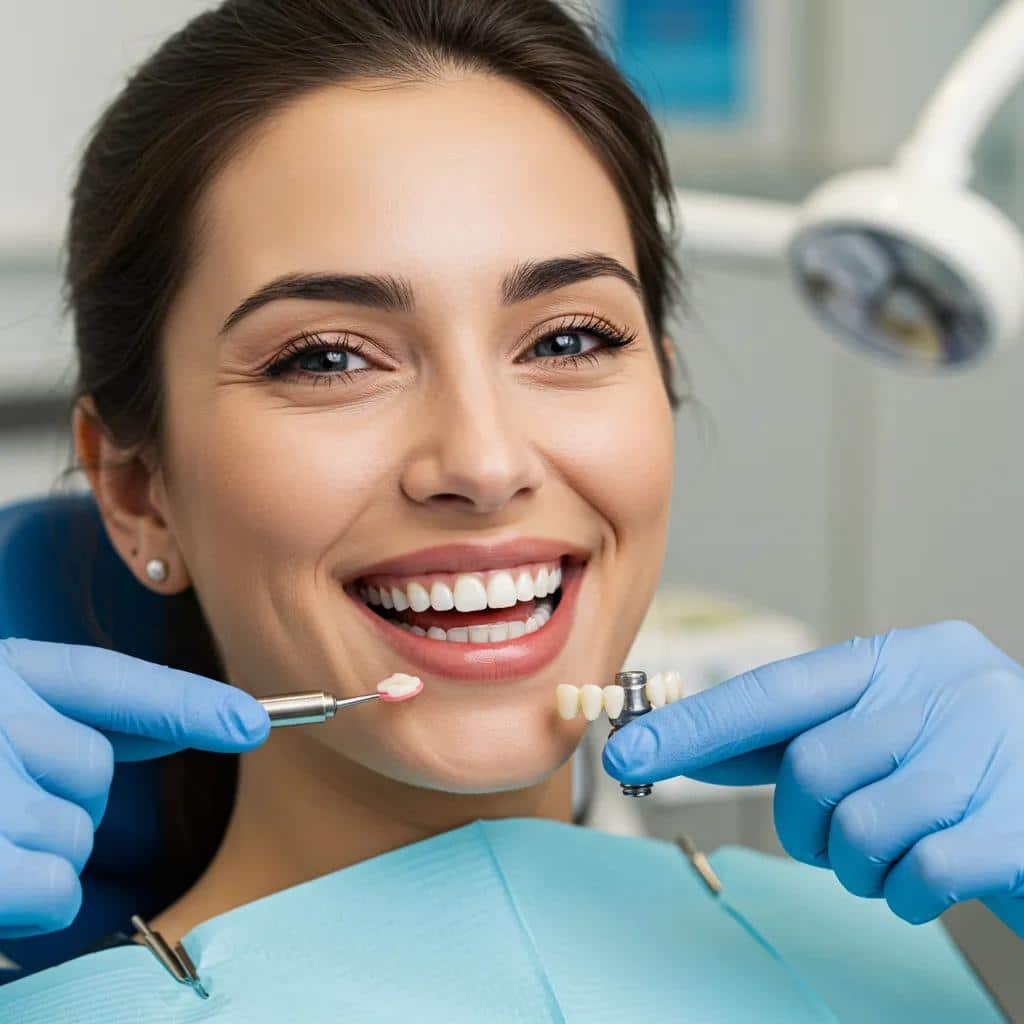
Immediate load dental implants beautifully combine the advantages of immediate placement with temporary restorations that quickly bring back your smile‘s esthetics and function right after extraction. Clinically, this technique is fantastic for preserving your jawbone and soft tissues, significantly reducing your total treatment time, and cutting down on the number of surgical visits—all of which greatly enhance your patient experience. Functionally, those temporary crowns mean you can speak and eat with reasonable comfort much sooner, truly improving your quality of life during the healing process. From a personal standpoint, immediate temporary crowns minimize the visible gap from a missing tooth and can significantly reduce the emotional impact of an extraction.
These clinical benefits are closely linked to careful case selection and smart prosthetic design, ensuring we limit any excessive forces on your temporary crown. Modern dental trends increasingly emphasize guided surgery and digital planning to perfectly optimize implant positioning for immediate loading, which boosts predictability in suitable cases. These advantages make immediate load a highly attractive option for many patients who prioritize a rapid, esthetic outcome with fewer appointments. Below, you’ll find a quick, structured comparison of these benefits to highlight the key positive outcomes you can expect.
Immediate implants offer clear advantages across healing, cosmetic, and functional aspects:
Excellent preservation of your natural gum and bone contours through timely implant placement and temporary crown placement.
A reduced number of surgical visits and a significantly shorter overall treatment duration.
Immediate improvement in your smile‘s esthetics and function, boosting your social confidence and dietary comfort.
Immediate Implant Benefits — Your Quick Reference Guide
The table below summarizes the specific benefits of immediate implants and what they mean for you, our valued patient.
Healing time
Filling the socket right away minimizes bone changes
Enjoy a shorter total treatment timeline with fewer surgeries
Bone preservation
Supports your jawbone by maintaining socket walls
Creates a stronger foundation for your new tooth; less bone loss
Soft-tissue contour
Your temporary crown helps shape a natural gumline
Achieve improved esthetic gum margins and a beautiful smile line
Function & esthetics
A temporary crown restores your appearance and chewing ability immediately
Return to your normal diet and social life much faster
Visit count
Fewer surgical appointments are needed
Experience less hassle and a lower logistical burden
How Does Immediate Placement Boost Healing and Bone Preservation?
Immediate placement significantly improves healing and bone preservation by filling the extraction socket right when your tooth is removed. This crucial step reduces the natural bone remodeling that typically leads to ridge collapse. When an implant occupies the space previously held by your toothroot, it actively supports your delicate outer bone plate and limits the vertical and horizontal bone loss that usually occurs in the weeks following an extraction. Our skilled clinicians also use bone grafting materials in any small gaps around the implant to stabilize the blood clot and encourage new bone growth where needed, further preserving your jawbone’s dimensions.
From a biological perspective, minimizing disruption to your bone and preserving the blood supply supports predictable new bone formation around your implant. This preservation simplifies the design of your final crown and reduces the need for additional bone augmentation procedures later on. Understanding these mechanisms helps you appreciate why immediate placement can lead to superior long-term results for your smile in carefully selected cases. Now that we’ve covered the healing advantages, let’s explore the cosmetic and functional benefits that most patients notice first!
What Are the Cosmetic and Functional Perks of Same-Day Implants?
The cosmetic and functional advantages of same-day implants are truly remarkable, offering you a near-instant restoration of a natural-looking tooth and significant improvements in your speech and chewing ability. A temporary crown, placed right when your implant is inserted, beautifully maintains your smile line, supports the surrounding gum tissues, and preserves the height of your gum papilla—these are all incredibly important features, especially for teeth visible when you smile. Functionally, even a carefully designed temporary crown can allow for light biting and nearly normal speech, which means fewer dietary restrictions and less social discomfort during your healing period.
These benefits translate into measurable improvements in your quality of life: you avoid the visible gap and the social impact of missing front teeth, and you experience fewer disruptions to your nutrition and daily activities. However, our clinicians will always carefully limit immediate loading if there’s a high risk to your bite or if initial implant stability is borderline, to prevent any undue stress on the implant. With the benefits and mechanics now clear, the next section will outline the potential risks and situations where immediate protocols might not be the best fit.
Understanding the Risks and Considerations of Immediate Dental Implant Placement
While immediate dental implants offer compelling advantages, it’s important to understand they come with specific considerations related to case selection and the precision of the technique. Our primary concerns include the possibility of early implant movement if initial stability isn’t perfect, potential esthetic compromises if there are existing bone defects, and the higher technical demands placed on our surgical and restorative team. An improperly loaded temporary crown or an undetected infection could increase the risk of early implant failure. Therefore, our clinicians meticulously evaluate your local bone anatomy, gum tissue health, and overall systemic health before recommending immediate protocols.
Our risk management strategies are comprehensive and include advanced preoperative imaging (like CBCT scans), guided surgical protocols to ensure optimal implant positioning, the use of bone grafting to fill any gaps, and careful bite design to minimize lateral forces on your temporary crowns. When certain risks are prominent—such as an active infection, insufficient bone, or uncontrolled systemic health conditions—a staged approach usually offers a safer and more predictable outcome. The following sections will outline common situations where immediate placement isn’t recommended and explain how we manage potential complications, helping you understand when this approach might not be right for you and how we handle any issues that may arise.
When Is Immediate Implant Placement Not the Best Option?
Immediate implant placement is generally not recommended when local or systemic factors could compromise your healing or the initial stability of the implant. These situations include an active tooth or gum infection at the site, severely deficient outer bone or extensive bone loss, and uncontrolled systemic health conditions that could hinder bone repair. Patients who are heavy smokers, those with severe teeth grinding (bruxism), or individuals on certain immunosuppressive therapies might also not be ideal candidates until these risks are carefully managed or reduced.
Our clinicians thoroughly evaluate these factors through a detailed medical history, a comprehensive clinical exam, and advanced imaging. If these contraindications are present, we often recommend socket grafting and a delayed implant placement to ensure a more predictable outcome. Addressing modifiable risks—like treating an infection, improving oral hygiene, quitting smoking, or stabilizing a systemic disease—can often transform a borderline situation into a successful candidate for future immediate placement. Understanding these considerations helps you plan realistic timelines and optimize conditions for your success. Next, we’ll summarize potential complications and how our team expertly manages them if they occur.
What Are the Potential Complications and How Do We Manage Them?
Potential complications after immediate implant placement can include early implant movement, infection or wound healing issues, esthetic concerns due to gum recession, and, over the long term, peri-implantitis (gum disease around the implant). Early implant movement is usually due to insufficient initial stability or excessive biting forces and might require converting a temporary crown to a non-functional healing cap, or in rare cases, removing and replacing the implant. Infections are managed with local cleaning, antibiotics when appropriate, and, in severe situations, removal and re-treatment after the infection has cleared.
Our management approach emphasizes early detection and conservative interventions: close follow-up in the first few weeks, strict oral hygiene protocols, and protective bite adjustments for your temporary crowns. Long-term maintenance to reduce the risk of peri-implantitis includes regular professional cleanings and your diligent home care. These management strategies significantly reduce the likelihood that a complication leads to implant loss and help guide decisions about when a delayed placement might be the more prudent option. Now that we’ve weighed the risks and benefits, many patients next want to understand the cost implications and available financing options.
How Do Immediate Dental Implant Costs Compare to Traditional Implants?
The cost of immediate dental implants is influenced by several factors, including the type of implant, the materials used for your abutment and crown, the complexity of your surgery, imaging and lab fees, and any necessary bone grafting or additional procedures. In some cases, immediate placement can actually reduce your overall cost by consolidating visits. However, it can also increase costs if additional grafting, guided surgery, or specialized temporary restorations are required. Because there’s a wide range of variability, our clinicians always provide personalized estimates after a thorough diagnostic imaging and treatment planning session.
Below, you’ll find an itemized breakdown of typical cost drivers to help clarify why estimates can vary and what you should expect to discuss during your planning appointment. After this table of cost factors, we’ll provide practical guidance on financing and insurance realities so you can confidently plan for any out-of-pocket expenses.
What Factors Influence the Cost of Immediate Dental Implants?
Several key factors play a role in determining the cost of immediate dental implants, with the complexity of your surgery and your material choices being among the most impactful. Primary cost drivers include the specific implant fixture type (such as titanium versus alternative materials), whether bone grafting or a protective membrane is needed, the number of implants and prosthetic components, the use of advanced CBCT imaging or guided surgery, any sedation or anesthesia services you choose, and lab fees for both your temporary and final restorations. While immediate temporary crowns can add to lab and chair-time expenses compared to a simple healing cap, they often save you money on visits that would have otherwise added costs.
The following table clarifies common procedure components, how they influence the price, and what ranges or qualifiers you should expect when seeking an accurate estimate.
Implant fixture
Brand, material, and size (diameter/length)
Premium fixtures and specialized materials may increase the implant cost
Prosthetic components
Abutment type and crown material
Custom abutments and high-quality ceramic crowns will add to lab fees
Site preparation
Bone grafting, membranes, socket repair
Additional surgical materials and time will increase overall costs
Imaging & planning
CBCT scans, digital impressions, guided surgical templates
Advanced imaging and guided surgery may raise initial fees
Anesthesia/sedation
Oral sedation versus IV sedation or general anesthesia
Your chosen level of sedation will impact facility and provider fees
This detailed breakdown clearly shows why a personalized consultation is absolutely essential to receive a precise price; many variables can change your final estimate. Ready to learn more? Schedule a free consult with us today!
Are There Financing or Insurance Options for Immediate Implant Procedures?
While dental insurance often covers some aspects of your care—like extractions or emergency treatment—it typically doesn’t fully cover the implant fixtures and prosthetic components. This means patients often need to explore financing and payment plans for the remaining balance. Our dedicated dental teams commonly offer convenient in-office financing, connect you with third-party medical/dental credit options, or help you plan phased treatment to spread out costs. We encourage you to request an itemized estimate and ask about multi-phase payment options, potential discounts for bundled treatment, and whether pre-authorization documents can help maximize any insurance reimbursements.
When planning your finances, always request a written cost estimate that clearly separates surgical, prosthetic, imaging, and material fees. This allows you to easily compare offers across different providers. Our clinics can also discuss phased care—staging your grafting and implant placement—to help spread out expenses while optimizing your clinical outcomes. Before you finalize any plan, we highly recommend scheduling a consultation to obtain a personalized estimate and receive payment guidance tailored specifically to your situation. Schedule a free consult with us today!
Who Is an Ideal Candidate for Immediate Dental Implant Placement?
An ideal candidate for immediate implant placement is typically a patient with sufficient bone volume and excellent quality at the extraction site, no active gum or root canal infection, and well-managed systemic health conditions that allow for predictable healing. Good oral hygiene, realistic expectations about the temporary crown‘s limitations, and a commitment to follow-up care are also crucial. Our clinicians carefully evaluate your bite forces, any habits like teeth grinding (bruxism), and your smoking status when determining candidacy, as these factors significantly impact initial stability and long-term success.
Candidacy is a blend of factors we can influence and those we can’t. Many borderline cases can become suitable after preparatory treatments such as periodontal therapy or bone ridge augmentation. Understanding the specific health and oral conditions that support success empowers you to take proactive steps to improve your candidacy. The next section lists the specific supportive conditions and explains how our dentists evaluate them during your consultation.
What Health and Oral Conditions Support Immediate Implant Success?
Conditions that significantly support immediate implant success include having sufficient remaining bone height and thickness—especially of the outer bone plate—well-controlled chronic medical conditions (like diabetes with stable blood sugar levels), and the absence of any local infection. Excellent oral hygiene and being a non-smoker or willing to quit greatly enhance your healing potential. Additionally, strong gum support of adjacent teeth helps maintain natural gum contours and esthetics. Patients with teeth grinding (bruxism) may need protective strategies, such as nightguards or a modified temporary crown design, to reduce the risk of excessive forces.
Improving your candidacy often involves addressing any modifiable risks: treating gum disease, performing site preservation grafting, participating in smoking cessation programs, and optimizing your systemic health in partnership with your medical providers. These preparatory steps can transform a less-than-ideal site into a successful candidate for immediate placement. Next, we’ll outline how our dentists systematically evaluate your suitability so you know exactly what to expect during your consultation.
How Does Your Dentist Determine Your Suitability for Same-Day Implants?
Our dentists evaluate your suitability for same-day implants using a thorough diagnostic process that includes a detailed review of your medical history, a comprehensive clinical oral exam, and advanced imaging—typically a cone beam computed tomography (CBCT) scan. This imaging allows us to precisely assess your bone quantity, quality, and important anatomical landmarks. The evaluation also includes an analysis of your bite, an assessment of your adjacent teeth and soft tissue, and an in-depth discussion of your expectations and preferred timeline. We may even use digital planning and surgical guides to simulate implant placement and confirm that excellent initial stability can be achieved with your chosen implant system.
This meticulous diagnostic process culminates in a personalized treatment plan that clearly outlines whether immediate placement and a temporary crown are advisable, or if a staged approach would be safer for you. You should expect a clear explanation of all alternatives, any potential need for grafting, and a phased cost estimate. These steps support a collaborative decision-making approach that perfectly balances speed, esthetics, and long-term predictability for your smile. With candidacy and evaluation covered, the next section will walk you through the actual procedural timeline so you know exactly what to expect on the day of your treatment.
What Is the Step-by-Step Process for Getting Immediate Dental Implants?
The step-by-step process for immediate dental implants begins with scheduling your initial diagnostic visit, where we complete all necessary imaging and planning, and confirm your candidacy well before your surgical day. On the day of your surgery, our skilled team performs a gentle, atraumatic extraction, meticulously prepares the socket site, places the implant fixture with careful attention to achieving primary stability, and then installs either a temporary restoration or a healing cap according to your personalized plan. Postoperative follow-up includes early check-up visits to monitor your gum tissue healing, suture removal as needed, and progressive recall visits to evaluate bone integration before your final permanent crown is placed.
This streamlined timeline significantly reduces the total number of surgical appointments compared to traditional staged protocols. However, it does require close postoperative management to protect your new implant during the crucial initial healing window. You should be prepared for a defined recovery period and for the placement of your final crown after we confirm successful bone integration. The following subsections will describe the intraoperative steps and recovery expectations in patient-friendly detail.
What Happens During Your Tooth Extraction and Implant Placement?
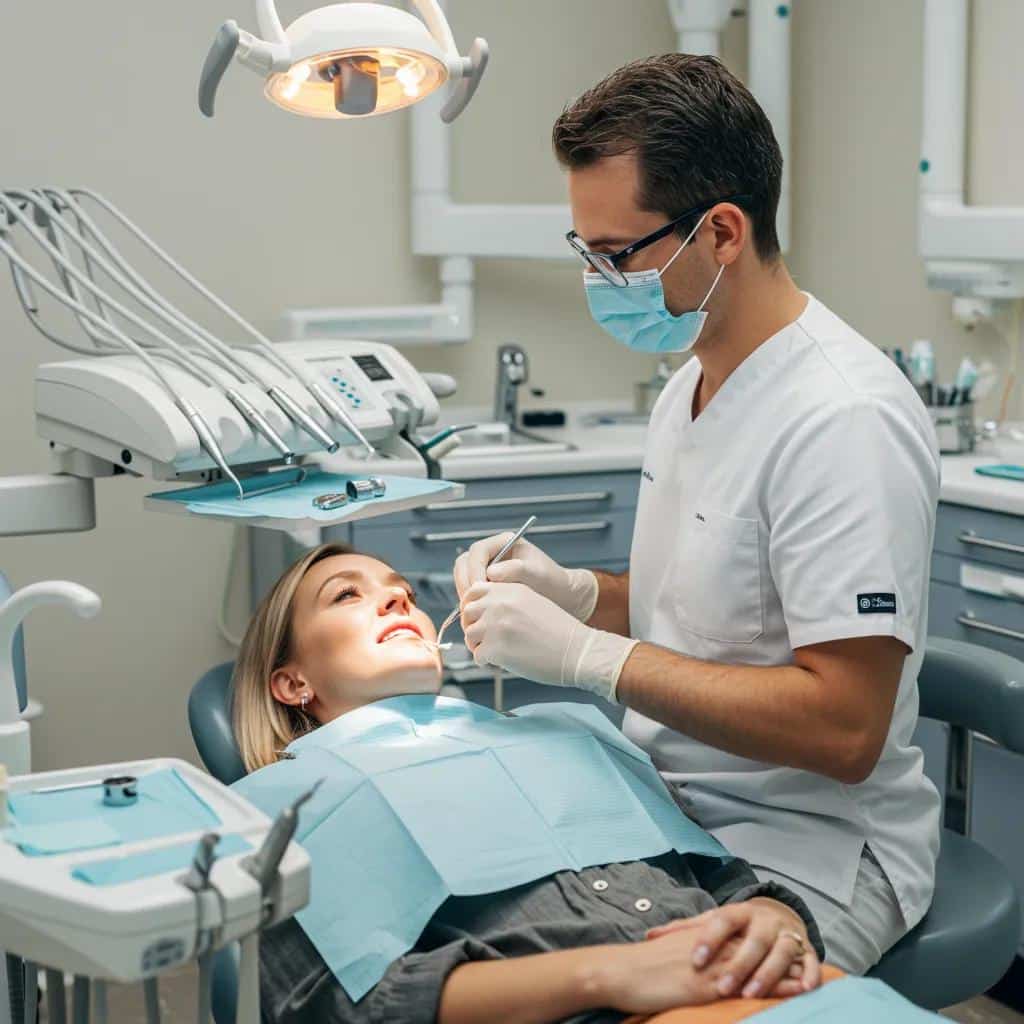
On the day of your surgery, our clinicians will administer local anesthesia, with optional sedation available for your comfort. We then perform a gentle, atraumatic extraction to carefully preserve your socket walls and thoroughly clean the socket to remove any granulation tissue. The implant site is then precisely prepared using sequential drills to match the chosen implant diameter, often employing bone condensation or slightly smaller preparation strategies to enhance initial stability where indicated. Your implant is then carefully seated to a depth and angle that optimizes the emergence of your new tooth and firmly engages your natural bone for immediate stability. Your clinician will record insertion torque and stability metrics to confidently decide whether immediate temporary crown placement is safe for you.
If any small gap remains between the implant and your socket walls, bone grafting material and a protective membrane may be placed to support new bone growth and protect the blood clot. A temporary crown or healing abutment is then attached based on your prosthetic plan, with careful bite adjustments to minimize contact if there’s any risk of excessive forces. Before you leave, we’ll provide patient comfort measures such as local anesthetic reversal or recommendations for mild pain relief. Understanding these steps helps you anticipate your surgical experience and immediate postoperative needs. Next, we’ll explain how we manage your recovery and what milestones to expect.
How Is Recovery Managed After Immediate Implant Surgery?
Managing your recovery after immediate implant surgery focuses on effective pain control, preventing infection, and protecting the surgical site to ensure successful bone integration. Typical postoperative care includes prescribed or recommended pain relievers, applying a cold pack to control swelling, and sticking to a soft-food diet for several days. You’ll receive detailed oral hygiene instructions on how to gently clean the area without disturbing the blood clot or your temporary restoration. Our clinicians will schedule early follow-up visits within the first week to verify your gum tissue healing and make any necessary bite adjustments to your temporary crown.
You’ll also be advised of any warning signs—such as increasing pain, persistent swelling, drainage, or movement of your temporary crown—that warrant prompt contact with our team. Long-term maintenance to reduce the risk of peri-implantitis includes regular professional cleanings and your consistent adherence to home care. Clear expectations for recovery milestones—like reduced swelling within a week, gum tissue maturation over several weeks, and your final restoration after successful bone integration—help you track your progress. With the process and recovery outlined, many patients wonder how immediate and delayed approaches compare in terms of outcomes and timelines.
How Do Immediate Dental Implants Compare to Delayed Implant Placement?
Both immediate and delayed implant placements offer distinct advantages and limitations, and the optimal choice truly depends on your unique anatomy, any existing infection, and your esthetic desires. Immediate placement shortens the overall treatment timeline and beautifully preserves your gum tissue architecture. In contrast, delayed placement offers greater predictability in more challenging sites by allowing for complete socket healing and easier management of infection or significant bone loss. Current evidence suggests comparable long-term success rates for carefully selected cases, but immediate placement does require more stringent patient selection and a highly skilled technique.
A direct comparison helps clarify the differences in healing time, the number of visits, and typical clinical decision points. The following table outlines the outcome-oriented differences to help you weigh the approaches and understand when one might be preferred over the other.
Immediate placement
Implant placed at extraction visit
Enjoy a shorter timeline and better soft-tissue preservation in appropriate cases
Delayed placement
Site allowed to heal, then implant placed
Offers greater predictability in sites with infection or severe bone loss
Immediate load
Temporary crown placed the same day
Experience faster esthetic and functional restoration; requires high initial stability
Staged loading
Temporary crown placed after bone integration
Lower risk of early overload; preferred when initial stability is marginal
While immediate implant placement can offer significant advantages, research indicates a higher risk for early implant loss compared to delayed placement, though success rates are high with proper patient selection and surgical techniques.
Effectiveness of Immediate vs. Delayed Dental Implant Placement
Immediate implant placement demonstrated higher risk for early implant loss than delayed implant placement. However, immediate implant placement in fresh extraction sockets is a predictable procedure with a high success rate when appropriate patient selection and surgical techniques are used. Immediate implant placement can be combined with immediate loading, which means that a provisional crown can be placed on the same day as the implant surgery. This can lead to faster treatment times and improved esthetic outcomes.
What Are the Differences in Healing Time and Treatment Duration?
Healing time and overall treatment duration differ primarily based on when your implant is placed relative to your extraction and how quickly your final restoration is delivered. Immediate placement significantly compresses the timeline by combining the extraction and implant placement into one visit, often followed by a temporary crown so you leave with a tooth form the very same day. While the total time to your final restoration can still span several months due to the bone integration process, the visible gap and the number of surgical appointments are notably reduced. Delayed protocols, on the other hand, separate the extraction and implant placement phases, resulting in a longer total calendar time before your final crown is delivered.
When bone grafting is necessary, delayed approaches might add additional healing months. However, immediate placement with simultaneous grafting can reduce your total appointments, though it may involve more complex work during the surgery itself. Patients who prioritize fewer visits and a faster return to esthetics often prefer immediate approaches when clinically appropriate, while those with more compromised sites may accept longer timelines for improved predictability. Next, we’ll discuss outcome and success-rate considerations that influence this important decision-making process.
The advent of immediate implant placement into fresh extraction sockets has revolutionized implant dentistry, offering benefits such as reduced treatment time, bone and soft tissue preservation, and enhanced esthetics, provided careful patient and technique selection is maintained.
Immediate Implant Placement: Positives and Negatives in Dentistry
The introduction of immediate placement of implants into fresh extraction sockets has been a significant development in implant dentistry. This approach offers several advantages, including reduced treatment time, preservation of bone and soft tissue, and improved esthetic outcomes. However, it is important to carefully select patients and surgical techniques to ensure optimal results.
How Do Outcomes and Success Rates Differ Between Immediate and Delayed Implants?
Outcomes and success rates for dental implants depend more on careful case selection and the skill of your clinician than on timing alone. Well-chosen immediate placements consistently show long-term outcomes comparable to those of delayed implants. However, immediate protocols have a narrower window of ideal conditions—requiring intact socket walls, good bone density, and no infection—so the risk of failure increases when these conditions aren’t met. Delayed placement offers a more forgiving framework for compromised sites because it allows for complete healing and graft maturation before the implant is placed and loaded.
Understanding that success is influenced by many factors helps you frame your timing choices: immediate methods are efficient and esthetically pleasing for suitable sites, while delayed methods prioritize predictability in higher-risk situations. Our clinicians expertly balance these factors using advanced diagnostic imaging and extensive experience to optimize long-term implant survival specifically for you. With comparative outcomes considered, our final topic addresses where Fort Worth patients can find same-day implant services and what important questions to ask during your consultation.
The decision between immediate implant placement and delayed placement with alveolar ridge preservation hinges on factors like bone quality, surrounding tissue condition, and patient esthetic goals, with immediate placement potentially offering faster treatment and better esthetics but a higher risk of failure, while ridge preservation may yield more predictable long-term outcomes at the cost of extended treatment time.
Immediate vs. Delayed Implant Placement After Tooth Extraction
The choice between immediate implant placement and delayed placement with alveolar ridge preservation depends on various factors, including the patient’s bone quality and quantity, the condition of the surrounding tissues, and the patient’s esthetic expectations. While immediate implant placement may offer faster treatment times and better esthetic results, it may also be associated with a higher risk of implant failure. Alveolar ridge preservation, on the other hand, may lead to more predictable long-term outcomes but requires a longer treatment time.
Where Can You Find Same-Day Dental Implants in Fort Worth?
This practice proudly offers comprehensivedental implant services, including immediate implant placement, supported by advanced imaging and precise guided surgical planning.
They provide exceptional dental implant procedures with a strong focus on patient education and crafting truly personalized treatment plans for every individual.
What Should You Look for in a Fort Worth Dental Implant Specialist?
When you’re choosing a Fort Worth implant specialist, it’s wise to prioritize clinicians who utilize advanced imaging (like CBCT scans), offer guided surgical planning, and have proven experience with immediate load cases when appropriate. Transparent pricing, clear treatment timelines, and a well-structured follow-up plan are all important indicators of a top-tier implant practice. Look for providers who openly discuss alternative plans, clearly explain bone grafting options, and provide written treatment consent that clarifies both the risks and your expected outcomes.
Be cautious of red flags such as vague success claims, a lack of advanced imaging protocols, or reluctance to share case documentation for similar treatments. Asking for before-and-after photos and requesting details about how they handle potential complications will give you valuable, practical insight into their approach. These selection criteria will help ensure you choose a team fully equipped to deliver predictable same-day outcomes when it’s the right choice for you. Next, we’ll cover how to interpret patient reviews and what to ask for during your consultation.
How Do Patients Rate Same-Day Implant Services in Fort Worth?
Patient ratings offer valuable insights, reflecting not only clinical outcomes but also communication, appointment efficiency, and postoperative support. Therefore, it’s important to interpret reviews with a discerning eye. Seek out detailed reviews that describe the entire patient experience—from diagnostics and surgery day care to pain management and follow-up—rather than relying solely on isolated star ratings. During your consultation, don’t hesitate to ask to see case photos, inquire about complication rates in similar cases, and even request references if needed to gain a deeper understanding of real-world results.
Remember that individual experiences can vary greatly; always prioritize providers who clearly explain candidacy criteria and personalize treatment plans to your specific needs. Scheduling an in-office consultation remains the most reliable way to truly verify a good fit, ask targeted questions, and thoroughly review your individualized treatment options. Schedule a free consult with us today!
Frequently Asked Questions About Immediate Dental Implants
What is the typical recovery timeline after immediate dental implantsurgery?
The recovery timeline after immediate dental implantsurgery usually involves a few distinct phases. Initially, you can expect some swelling and mild discomfort for the first few days, which can be effectively managed with prescribed pain relief. Most patients feel ready to return to their normal daily activities within about a week, though complete healing and bone integration (osseointegration) can take several months. Regular follow-up appointments are absolutely vital to monitor your healing progress and ensure your implant is integrating perfectly. We’ll provide detailed post-operative care instructions to help you optimize your recovery and minimize any potential complications.
Can immediate dental implants be placed in patients with diabetes?
Patients with diabetes can certainly be candidates for immediate dental implants, but a very careful and thorough evaluation is essential. If your diabetes is well-controlled, meaning your blood sugar levels are stable, this significantly improves the chances of successful bone integration and healing. However, uncontrolled diabetes can increase the risk of complications, such as infection or implant failure. Our dentists often recommend a comprehensive medical assessment and may collaborate closely with your healthcare provider to ensure the most optimal conditions for your surgery and recovery. We’ll create an individualized treatment plan to effectively manage any risks.
How do lifestyle factors like smoking affect immediate implant success?
Smoking can unfortunately have a negative impact on the success of immediate dental implants because it affects blood flow and healing. Nicotine constricts blood vessels, which reduces the delivery of vital oxygen and nutrients to the surgical site. This can hinder bone integration and significantly increase the risk of infection. Our dentists strongly advise patients to quit smoking both before and after the procedure to greatly enhance healing outcomes. For those who find it challenging to quit, we can discuss alternative strategies, such as using nicotine replacement therapies, to help mitigate the risks associated with implant placement.
What should patients expect during the consultation for immediate implants?
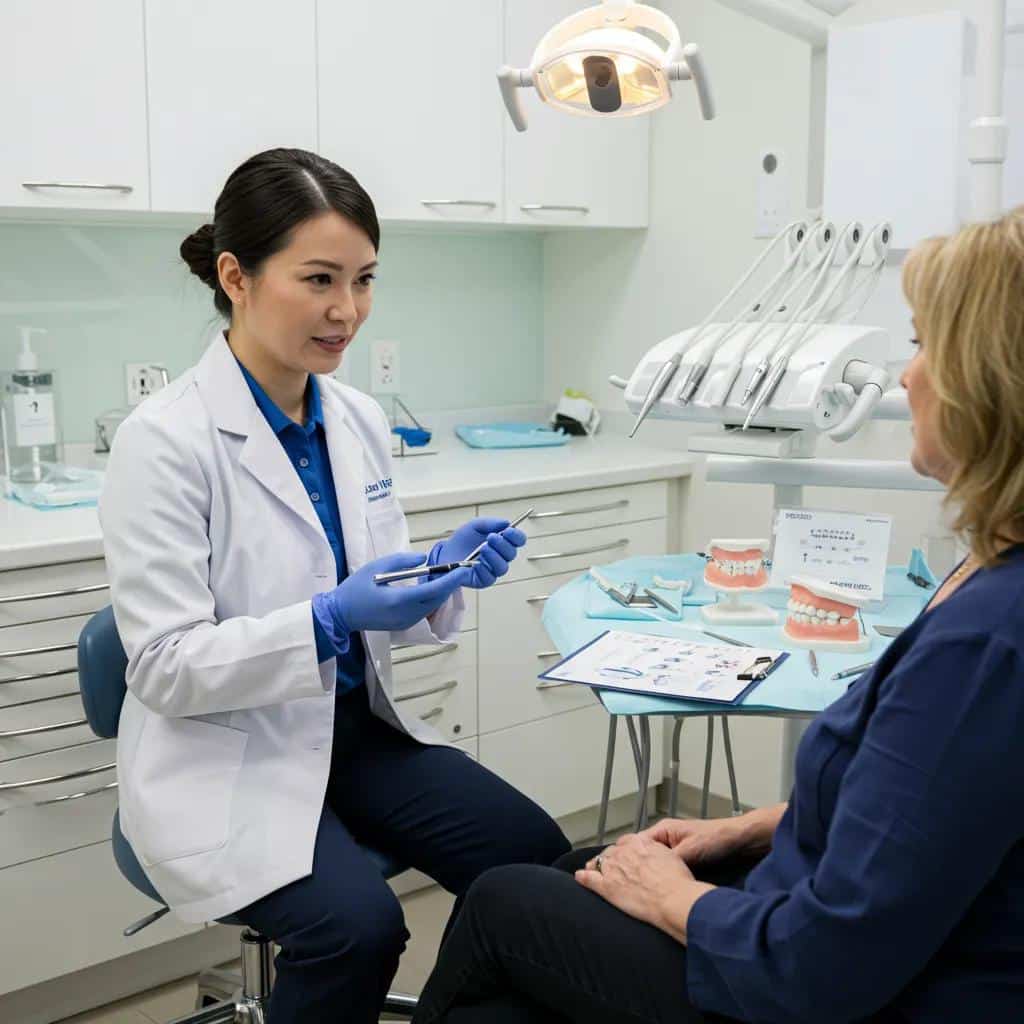
During your consultation for immediate dental implants, you can expect a comprehensive evaluation that includes a thorough review of your medical history, a detailed clinical examination, and advanced diagnostic imaging, such as X-rays or CBCT scans. Your dentist will carefully assess your bone quality and quantity, discuss all available treatment options, and clearly outline the benefits and potential risks of the procedure. We encourage you to come prepared with any questions you have about the process, recovery, and costs. This initial meeting is crucial for establishing a personalized treatment plan that perfectly aligns with your unique needs and expectations.
Are there specific age restrictions for receiving immediate dental implants?
There are no strict age restrictions for receiving immediate dental implants; however, certain age-related factors can influence candidacy. Younger patients, especially those whose jawbones are still developing, may need to wait until their growth is complete. Conversely, older adults might have additional health considerations, such as bone density or systemic conditions, that require careful evaluation. Ultimately, the decision is based on your individual health status, bone quality, and the presence of any contraindications, rather than your age alone. We focus on what’s best for *your* health.
What are the long-term maintenance requirements for immediate dental implants?
Long-term maintenance for your immediate dental implants involves regular dental check-ups, professional cleanings, and diligent oral hygiene practices right at home. You should brush and floss carefully around your implant site to prevent plaque buildup and the development of peri-implantitis (gum disease around the implant). Additionally, maintaining a healthy lifestyle, including a balanced diet and avoiding tobacco, can significantly support the longevity of your implant. Regular follow-up appointments allow your dentist to monitor the implant’s condition and address any issues early, ensuring the best possible outcomes for your smile over time.
How do immediate dental implants impact overall oral health?
Immediate dental implants can profoundly and positively impact your overall oral health by quickly restoring both function and aesthetics after tooth loss. They play a crucial role in maintaining the integrity of your jawbone by preventing the bone resorption that typically occurs after a tooth extraction. Furthermore, having a complete and confident smile can boost your self-esteem and encourage even better oral hygiene practices. However, successful outcomes depend on proper placement, your diligent compliance with care instructions, and regular dental visits to monitor the implant and surrounding tissues for any signs of complications.
Ready to Restore Your Smile? Explore Immediate Dental Implants Today!
Immediate dental implant placement after tooth extraction offers truly significant benefits, including reduced treatment time, excellent preservation of your bone and soft tissue, and beautifully enhanced esthetics. By taking the time to understand the clinical and practical factors involved, you can make informed decisions that perfectly align with your unique needs and preferences. If you’re considering immediate implants, we strongly encourage you to consult with a qualified dental professional to thoroughly explore all your options and ensure the very best outcome for your smile. Schedule your personalized evaluation today to take the exciting first step towards restoring your confident smile!